 Vorschau anzeigen
 Versenden
 Teilen
 Details anzeigen

 Herunterladen
 Ähnliche Objekte
 Röntgenaufnahme
 Diashow
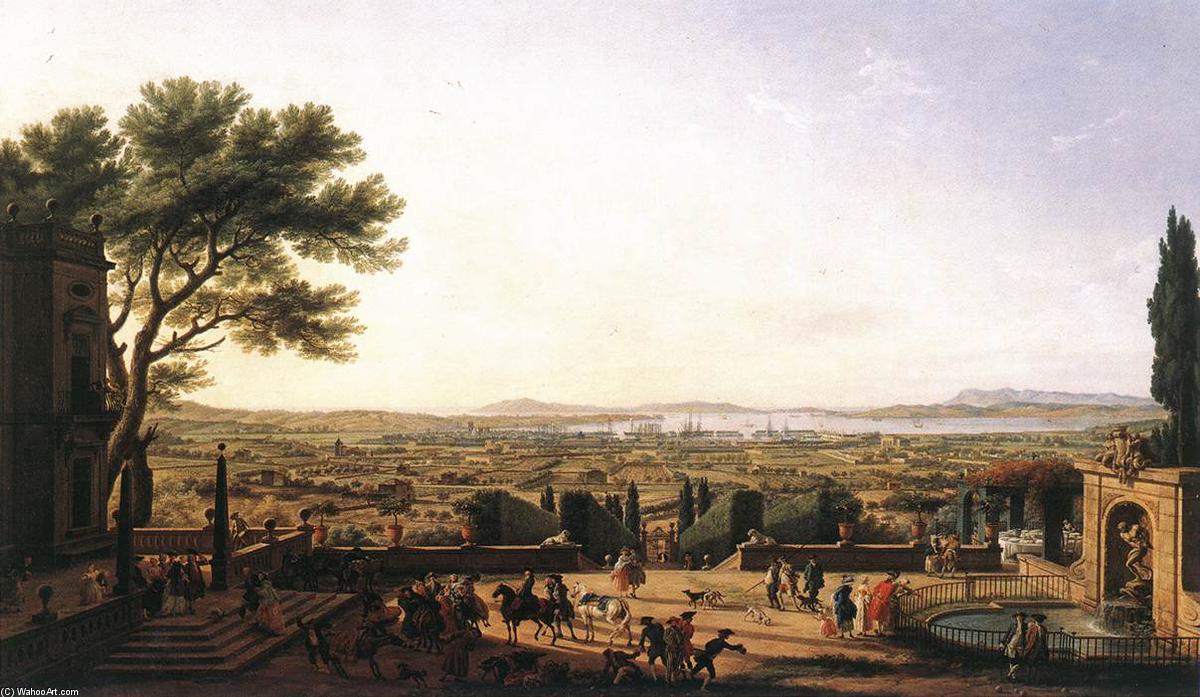
The Town and Harbour of Toulon
 Oil On Canvas
- WallArt
- Rococo
 1756
1756 165.0 x 263.0 cm
 Louvre
 Weiterlesen
Handgefertigte Ölreproduktion
Handgemaltes Ölgemälde auf Leinwand in Ihrer Wunschgröße und mit Rahmen, auf Bestellung von unseren Künstlern angefertigt. ( Druck bestellen Bild kaufen)




P118B $10

P118H $10

P118W $10

P438Z $10

P508JH $12

P508YH $12

P805H $10

P805Z $10

P919BZ $10

P919G $10

P919XJ $10

P959ZH $10

P968JZ $12

W106C $8

W218G $10

W218JH $8

W218Y $10

W307PJ $10

W316G $10

W316PJ $8

W316Y $10

W398PJ $8

W4111J $10

W500HY $15

W500JH $15

W692G $12

W849H $8

W940BG $15

W953PJ $8




Wählen Sie aus unseren vordefinierten Formaten, die den ursprünglichen Proportionen des Kunstwerks entsprechen.

Sie können Ihre eigenen Maße eingeben, um einen bestimmten Rahmen oder Platz auszufüllen. Wenn die gewählte Größe nicht den Proportionen des Originalbildes entspricht, werden wir das Kunstwerk entweder beschneiden oder das Gemälde durch zusätzliche, handgemalte Elemente erweitern. Ein digitales Mockup wird Ihnen zur Genehmigung zugesandt, bevor die Produktion beginnt.
Bitte beachten Sie, dass die Bildschirmvorschau nicht die tatsächliche Beschneidung oder Erweiterung widerspiegelt. Nur das Mockup zeigt die endgültige Komposition exakt an.
Obwohl Sondermaße verfügbar sind, empfehlen wir, eine Größe aus der vordefinierten Liste zu wählen, um die ursprünglichen Proportionen beizubehalten.
Nach der Bestellung wird das ArtsDot.com-Team dem Kunden Anweisungen per E-Mail zusenden und eine Mockup-Vorschau bereitstellen.
Weltweiter Versand () in nur 3 bis 4 Wochen statt der üblichen 5 Wochen. (1 September). Keine Kompromisse bei der Qualität.

Kostenloser weltweiter Expressversand

Hochwertige Leinenleinwand

Umfassender Versicherungsschutz beim Versand

Zollgebühren-Rückerstattungsgarantie

Garantie für exakte Farbtreue

60 Tage Rückgaberecht (nur bei Mängeln)

100% Geld-zurück-Garantie

Mengenrabatt verfügbar
 Die Glasoption ist nur für Größen unter 110 cm verfügbar.

The Town and Harbour of Toulon
Art der Reproduktion
Format der Reproduktion
-


Gesamtpreis
$ 263
A Vision of Maritime Life: Claude Joseph Vernet’s “The Town and Harbour of Toulon”
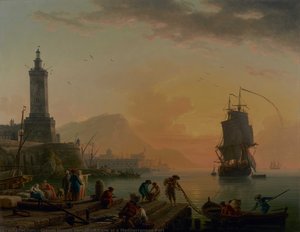
Claude-Joseph Vernet's "The Town and Harbour of Toulon," painted in 1756, isn’t merely a depiction of a coastal town; it’s a vibrant snapshot of an era – the Rococo period in France – brimming with life, commerce, and the ever-present drama of the sea. More than just a landscape, this oil on canvas offers a captivating glimpse into the heart of Toulon, a strategically vital port city during the mid-18th century, and a testament to Vernet’s masterful ability to capture both the grandeur and the everyday realities of his subject.
The painting immediately draws the eye with its dynamic composition. A bustling foreground explodes with activity: fishermen hauling their nets, merchants engaged in lively trade, children playing amidst the chaos, and horses – a recurring motif in Vernet’s work – adding to the sense of movement and vitality. These figures aren't simply background elements; they are integral to the scene, embodying the energy and spirit of Toulon’s harbor life. The artist skillfully uses light and shadow to create depth and volume, lending a remarkable three-dimensionality to the composition. The warm glow illuminating the buildings contrasts sharply with the darker recesses of the harbor, guiding the viewer's eye through the intricate details of the scene.
Rococo Realism: Style and Technique
Vernet’s style is a compelling blend of realism and Rococo aesthetics. While firmly rooted in the naturalistic traditions of his time, he departs from strict academic formality, injecting a sense of spontaneity and immediacy into his work. The brushstrokes are loose and expressive, conveying a feeling of movement and capturing the fleeting moments of daily life. He masterfully employs atmospheric perspective – softening distant elements to create a sense of depth – and utilizes a rich, vibrant color palette dominated by earthy tones punctuated by brilliant blues and greens reflecting the sea. This careful attention to detail, combined with his loose brushwork, creates an image that is both meticulously observed and emotionally resonant.
The painting’s technique reveals Vernet's deep understanding of light and its effects on color and form. He expertly renders the textures of the buildings, the wetness of the water, and the movement of the figures, demonstrating a remarkable command of his medium. The use of chiaroscuro – dramatic contrasts between light and dark – further enhances the sense of depth and drama, drawing the viewer into the heart of the scene.
A Harbour of Commerce and History
“The Town and Harbour of Toulon” is more than just a picturesque view; it’s a historical document. Toulon itself held immense strategic importance for France during the 18th century, serving as a major naval base and a vital center for trade and shipbuilding. The presence of numerous ships in the harbor – including merchant vessels laden with goods and warships patrolling the waters – underscores this significance. The bustling activity depicted in the painting reflects Toulon’s role as a key player in France's maritime ambitions.
Furthermore, the painting offers insights into the social and economic life of the time. The diverse array of figures engaged in various trades—fishing, shipbuilding, commerce—highlights the multifaceted nature of Toulon’s economy. The inclusion of horses – essential for transportation and trade – reinforces the importance of animal power in this era. The scene is a microcosm of 18th-century French society, capturing both its prosperity and its inherent dynamism.
Symbolism and Emotional Resonance
Beyond its historical context, “The Town and Harbour of Toulon” resonates with viewers on an emotional level. The painting evokes a sense of energy, excitement, and the sheer joy of life in a thriving port city. Vernet’s masterful use of light and color creates a warm, inviting atmosphere, drawing the viewer into the scene and allowing them to experience the vibrancy of Toulon firsthand. The depiction of everyday activities—fishing, trading, socializing—suggests a sense of community and shared purpose.
Ultimately, “The Town and Harbour of Toulon” is a timeless masterpiece that continues to captivate audiences with its beauty, detail, and evocative portrayal of 18th-century life. It stands as a testament to Claude Joseph Vernet’s artistic genius and his ability to capture the essence of a bygone era.
Ähnliche Kunstwerke
Über den Künstler
Frühes Leben und Ausbildung
Claude-Joseph Vernet, ein renommierter französischer Maler, wurde am 14. August 1714 in Bordeaux, Frankreich, geboren. Schon im zarten Alter von fünf Jahren zeigte er eine außergewöhnliche Leidenschaft für das Zeichnen von Pferden, was später zu einem Markenzeichen seiner künstlerischen Karriere werden sollte. Vernet erhielt die traditionelle akademische Ausbildung als Schüler seines Vaters und Nicolas-Bernard Lépicié und verbesserte so seine Fähigkeiten weiter.Bemerkenswerte Leistungen
- 1782 gewann Vernet den prestigeträchtigen Prix de Rome, ein Beweis für sein künstlerisches Können.
- Sein Sohn, Antoine Charles Horace Vernet, folgte ebenfalls in den Fußstapfen seines Vaters als Maler.
Künstlerische Schwerpunkte und Stil
Intérieur du port de Marseille (1754) – ein Meisterwerk, das Vernets Geschicklichkeit bei der Darstellung des Wesens maritimer Szenen demonstriert. Seine Werke zeichnen sich durch eine meisterhafte Balance zwischen Landschaft und Architektur aus, wie man sie beispielsweise in einer Ansicht des Hafens von Neapel mit dem Vesuv im Hintergrund (1774) bewundern kann. Vernets Stil wird oft durch seine Liebe zum Detail und die atmosphärische Darstellung von Licht und Schatten charakterisiert. Er war bekannt für seine Fähigkeit, dramatische Stürme und ruhige Hafenansichten gleichermaßen überzeugend darzustellen. Seine Pferdezeichnungen zeugen von einem tiefen Verständnis der Anatomie und Bewegung dieser Tiere.Einfluss und Vermächtnis
Vernets Werk ist durch seine reiterliche Eleganz gekennzeichnet und zeigt sein tiefes Verständnis für Pferde. Seine Beiträge zur französischen Kunst sind unbestreitbar, mit einem Erbe, das Künstler bis heute inspiriert. Erkunden Sie weitere Werke von Claude-Joseph Vernet auf ArtsDot. Entdecken Sie das Musée des Beaux-Arts de Bordeaux, in dem einige von Vernets bemerkenswerten Werken ausgestellt sind, und erfahren Sie mehr über seine reiche Geschichte auf der ArtsDot-Seite des Musée Thomas-Henry. Lesen Sie mehr über den Prix de Rome und seine Bedeutung in der Kunstwelt auf Wikipedia.Schlussfolgerung
Claude-Joseph Vernets künstlerische Reise, die von seiner Leidenschaft für die reiterliche Kunst geprägt ist, hat ihre Spuren in der Welt der französischen Malerei hinterlassen. Durch seine Werke, die auf ArtsDot erhältlich sind, und sein Erbe inspiriert Vernet weiterhin Generationen von Kunstliebhabern und Fachleuten gleichermaßen. Empfohlene Lektüre: * Claude-Joseph Vernets ein Landschaftsbild bei Sonnenuntergang – eine eingehendere Betrachtung eines seiner bemerkenswerten Werke auf ArtsDot * Der Hafen von Bordeaux von Édouard Manet – erkunden Sie das Werk eines anderen französischen Künstlers auf ArtsDot.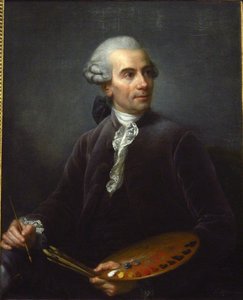
Claude-Joseph Vernet
1714 - 1789 , Frankreich
Kurzinfos
- Bekannte Werke:
- intérieur du port de Marseille
- a view of the port of Naples
- Geburtsdatum: 14. August 1714
- Geburtsort (Stadt, Land): Bordeaux, Frankreich
- Künstlerische Einflüsse: ['Nicolas-Bernard Lépicié']
- Nationalität: Französisch
- Vollständiger Name: Claude-Joseph Vernet
Ähnliche Artikel
Claude Monet: Die 25 Meisterwerke des Impressionismus für Ihr Zuhause | ArtsDot
Entdecken Sie die 25 Meisterwerke von Claude Monet! Tauchen Sie ein in die Welt des Impressionismus, erleben Sie Seerosen, Sonnenaufgänge & Kathedralen. Hochwertige Reproduktionen für Ihr Zuhause – exklusiv auf ArtsDot.com.
Émile Vernet: Romantische Realität und die Darstellung des Lebens im 19. Jahrhundert
Entdecken Sie das faszinierende Werk von Émile Vernet! Expertenwissen über den französischen Maler der Romantik und des Realismus, seine ikonischen Schlachtszenen und orientalistischen Gemälde. Hochwertige Reproduktionen & individuelle Kunstberatung bei ArtsDot.

Henri-Joseph Harpignies: Capturing the Poetic Essence of the French Landscape
Explore the serene landscapes of Henri-Joseph Harpignies, a master of the Barbizon School. Discover his atmospheric paintings, recurring themes & enduring legacy in 19th-century French art. Learn more at ArtsDot.
Robert W. Salmon: Licht und Atmosphäre der amerikanischen Seemalerei – Eine Studie zum Ursprung des Luminismus
Entdecken Sie die faszinierende Welt des amerikanischen Luminismus! Erfahren Sie mehr über Robert W. Salmon und die Meister der Lichtmalerei. Kunstgeschichte, Museen & hochwertige Reproduktionen auf ArtsDot.
Boote in der Kunst: Die 10 schönsten Meisterwerke & ihre Geschichten | ArtsDot
Entdecken Sie die 10 schönsten Bootsgemälde der Kunstgeschichte! Von Monet bis Van Gogh – erfahren Sie die Geschichten hinter ikonischen Werken, Techniken & Marinemalerei. Hochwertige Reproduktionen auf ArtsDot.com.