 Vorschau anzeigen
 Versenden
 Teilen
 Details anzeigen

 Herunterladen
 Ähnliche Objekte
 Röntgenaufnahme
 Diashow
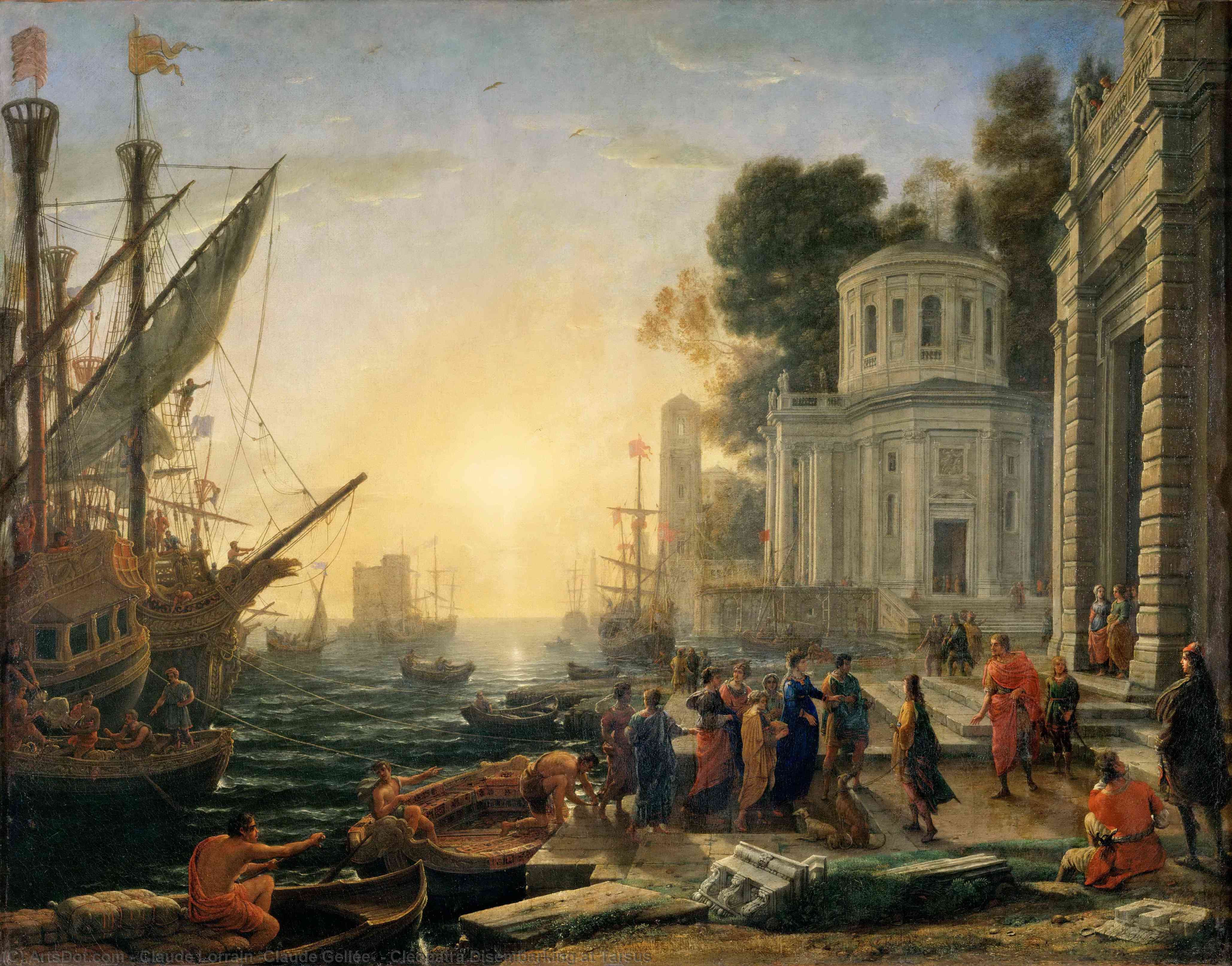
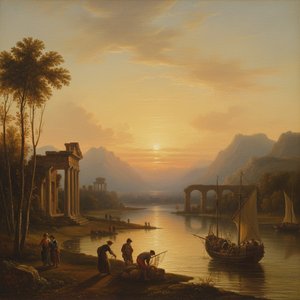
Cleopatra landet in Tarsus
 Öl auf Leinwand
- Wandkunst
- Barock
 1642
1642- – Frühe Neuzeit
 168.0 x 119.0 cm
 Weiterlesen
Handgefertigte Ölreproduktion
Handgemaltes Ölgemälde auf Leinwand in Ihrer Wunschgröße und mit Rahmen, auf Bestellung von unseren Künstlern angefertigt. ( Druck bestellen Bild kaufen)




P118B $10

P118H $10

P118W $10

P438Z $10

P508JH $12

P508YH $12

P805H $10

P805Z $10

P919BZ $10

P919G $10

P919XJ $10

P959ZH $10

P968JZ $12

W106C $8

W218G $10

W218JH $8

W218Y $10

W307PJ $10

W316G $10

W316PJ $8

W316Y $10

W398PJ $8

W4111J $10

W500HY $15

W500JH $15

W692G $12

W849H $8

W940BG $15

W953PJ $8




Wählen Sie aus unseren vordefinierten Formaten, die den ursprünglichen Proportionen des Kunstwerks entsprechen.

Sie können Ihre eigenen Maße eingeben, um einen bestimmten Rahmen oder Platz auszufüllen. Wenn die gewählte Größe nicht den Proportionen des Originalbildes entspricht, werden wir das Kunstwerk entweder beschneiden oder das Gemälde durch zusätzliche, handgemalte Elemente erweitern. Ein digitales Mockup wird Ihnen zur Genehmigung zugesandt, bevor die Produktion beginnt.
Bitte beachten Sie, dass die Bildschirmvorschau nicht die tatsächliche Beschneidung oder Erweiterung widerspiegelt. Nur das Mockup zeigt die endgültige Komposition exakt an.
Obwohl Sondermaße verfügbar sind, empfehlen wir, eine Größe aus der vordefinierten Liste zu wählen, um die ursprünglichen Proportionen beizubehalten.
Nach der Bestellung wird das ArtsDot.com-Team dem Kunden Anweisungen per E-Mail zusenden und eine Mockup-Vorschau bereitstellen.
Weltweiter Versand () in nur 3 bis 4 Wochen statt der üblichen 5 Wochen. (31 August). Keine Kompromisse bei der Qualität.

Kostenloser weltweiter Expressversand

Hochwertige Leinenleinwand

Umfassender Versicherungsschutz beim Versand

Zollgebühren-Rückerstattungsgarantie

Garantie für exakte Farbtreue

60 Tage Rückgaberecht (nur bei Mängeln)

100% Geld-zurück-Garantie

Mengenrabatt verfügbar
 Die Glasoption ist nur für Größen unter 110 cm verfügbar.

Cleopatra landet in Tarsus
Art der Reproduktion
Format der Reproduktion
-


Gesamtpreis
$ 263
A Golden Arrival: The Luminous Majesty of Claude Lorrain
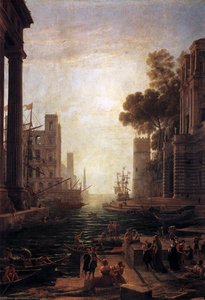
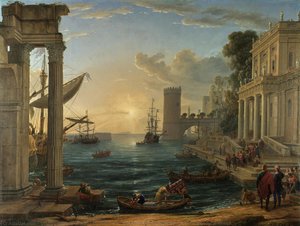
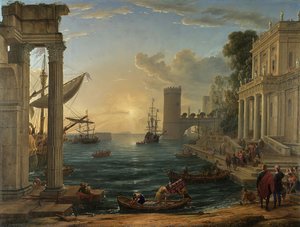
In the grand tapestry of Baroque masterworks, few scenes capture the intersection of historical drama and atmospheric splendor quite like Claude Lorrain’s 1642 masterpiece, Cleopatra Disembarking at Tarsus. This breathtaking oil on canvas invites the viewer to witness a pivotal moment in antiquity, where the legendary Queen of Egypt makes her theatrical entrance into the world of Mark Antony. As she approaches the shores of Tarsus, the painting transcends mere historical documentation, becoming an immersive experience of light, movement, and classical grandeur. For the discerning collector or interior designer, this work offers more than just a subject; it provides a window into a lost era of mythic elegance, making it a profound centerpiece for any sophisticated space.
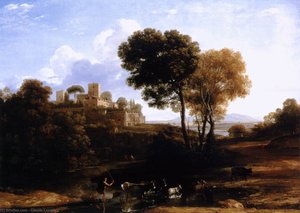
The composition is a masterclass in the Baroque landscape tradition, characterized by Lorrain’s unparalleled ability to manipulate light. The scene unfolds before a magnificent architectural backdrop, where stately columns and classical structures rise against the horizon, lending an air of permanence and dignity to the arrival. The water surrounding the landing site is alive with activity; various vessels, ranging from grand, prominent ships to delicate, distant boats, navigate the shimmering surface. This layering of maritime elements creates a sense of depth and bustling vitality, drawing the eye through the composition from the immediate foreground toward the hazy, sun-drenched distance.
The Alchemy of Light and Technique
Technically, Lorrain employs his signature luminous technique to bathe the entire scene in a warm, ethereal glow. The way the sunlight interacts with the ripples of the water and the textures of the stone architecture demonstrates a profound understanding of atmospheric perspective. This is not merely a painting of people and boats; it is a painting of light itself. Through delicate brushwork, Lorrain achieves a sense of sfumato, where the boundaries between sea, sky, and shore blur into a cohesive, golden atmosphere. The figures, including the central, commanding presence of Cleopatra, are integrated into this environment so seamlessly that they seem to emerge from the very mist of history.
For those seeking to adorn a room with a sense of timelessness, the technical brilliance of this piece offers an unparalleled emotional resonance. The warmth of the palette—rich in ambers, golds, and soft blues—creates a tranquil yet commanding presence. It is a work that does not merely sit upon a wall but breathes life into a room, offering a meditative quality that rewards long periods of contemplation.
Historical Grandeur and Symbolic Depth
Beyond its aesthetic beauty, the painting serves as a window into the classical ideals that captivated the 17th-century imagination. The arrival of Cleopatra is depicted not just as a political event, but as a celestial phenomenon. The grandeur of the architecture and the organized chaos of the harbor symbolize the meeting of two worlds: the exotic allure of Egypt and the structured power of Rome. Every element, from the billowing sails to the distant, sun-bleached ruins, contributes to a narrative of destiny and transformation.
To possess a reproduction of this magnitude is to invite a piece of the Baroque soul into one's home. It serves as an anchor for interior design, providing a sophisticated focal point that bridges the gap between historical reverence and modern luxury. Whether placed in a sunlit library or a formal dining hall, Cleopatra Disembarking at Tarsus continues to enchant, reminding us of the enduring power of beauty, light, and the legends that shaped our world.
Ähnliche Kunstwerke
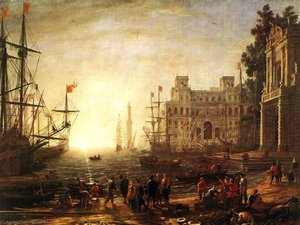
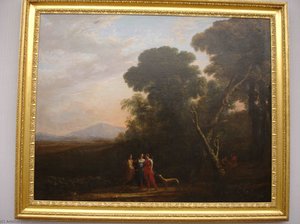
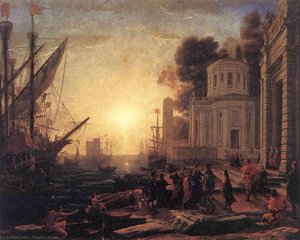
Über den Künstler
Claude Lorrain (Claude Gellée): Ein Leben in Licht und Landschaft
Frühes Leben und Ausbildung
Geboren um 1600 in Chamagne, einem kleinen Dorf im Herzogtum Lorraine (modernes Frankreich), ist Claude Lorrain – ursprünglich Claude Gellée – einer der gefeiertsten Landschaftsmaler des Barock. Sein frühes Leben ist in einigen Punkten von Rätseln umhüllt, wobei es widersprüchliche Berichte über seine Lehre gibt. Ein Bericht von Joachim von Sandrart deutet auf einen bescheidenen Beginn als Lehrling eines Bäckers hin, bevor er eine Anstellung bei Künstlern in Rom fand. Eine andere, aus Filippo Baldinucci stammende, schildert frühere Ausbildung in Neapel bei Goffredo Wals und später in Rom unter Agostino Tassi.
Aufstieg zur Prominenz
Bis in die 1630er Jahre hatte sich Claude Lorrain als führender Landschaftsmaler Italiens etabliert. Seine Gemälde erlangten schnell Anerkennung für ihre atmosphärischen Qualitäten und erzielten hohe Preise. Er vermischte geschickt italienische Landschaften mit klassischen und biblischen Themen und schuf Szenen, die sowohl visuell beeindruckend als auch intellektuell anregend waren.
Künstlerischer Stil und wichtige Merkmale
- Luminöse Sonne: Eine herausragende Eigenschaft von Claudes Werk ist seine meisterhafte Darstellung des Lichts. Er war einer der ersten Künstler, der konsequent das Licht darstellte, das durch Landschaften scheint, wodurch eine Atmosphäre und Realismus entstanden, die zuvor nicht dagewesen waren.
- Klassische Einflüsse: Seine Kompositionen wurden oft von der griechischen Antike inspiriert und enthielten römische Ruinen, mythologische Figuren und architektonische Elemente.
- Idealisiertes Gelände: Claude strebte nicht nach strikter topographischer Genauigkeit; stattdessen schuf er idealisierte Landschaften, die ein Gefühl von Harmonie und Ruhe hervorriefen.
- Detaillierte Zeichnungen: Er war ein produktiver Draughtsmen und schuf zahlreiche Skizzen und Studien in Bleistift, Aquarellwaschung und Kreide – viele davon wurden in seinem Liber Veritatis bewahrt.
Einflüsse und Entwicklung
Claudes frühe Einflüsse umfassten die Landschaftstraditionen Nordeuropas, insbesondere die der Flemischen Maler. Er studierte auch die Werke italienischer Renaissance-Meister wie Titian und Raffael. Im Laufe der Zeit entwickelte sich sein Stil von dunkleren, dramatischeren Kompositionen zu helleren, luftigeren Szenen, die durch einen goldenen Glanz gekennzeichnet waren.
Bekannte Werke
- Landschaft mit Bauern, die ihre Herden zurückbringen
- Hafen an der Ankunft der Königin von Saba
- Sonnenaufgang
- Pastoralische Landschaft: Die römische Campagna
- Die Ankunft Kleopatras in Tarsus
Historische Bedeutung und Vermächtnis
Claude Lorrain’s Einfluss auf die Landschaftsmalerei ist unermesslich. Er hob das Genre auf ein Niveau des Prestiges an, das zuvor für historische und religiöse Themen reserviert war. Seine Werke beeinflussten Generationen von Künstlern, darunter J.M.W. Turner und Impressionisten, die versuchten, die flüchtigen Effekte von Licht und Atmosphäre einzufangen. Heute werden seine Gemälde hoch geschätzt und befinden sich in wichtigen Museen weltweit, insbesondere der National Gallery (London) und der Art Gallery of South Australia.
Spätere Jahre und Tod
Claude Lorrain starb am 23. November 1682 in Rom. Sein Grabstein in der Kirche San Luigi dei Francesi trägt eine einfache Inschrift: “Claude / peintre de / rome / mort / le 23 novembre 1682”. Er hinterließ ein Vermächtnis als einer der wichtigsten und einflussreichsten Landschaftsmaler der westlichen Kunstgeschichte.

Claude Lorrain (Claude Gellée)
1600 - 1682 , Lorraine
Kurzinfos
- Artistic Movement Or Style: Barockmalerei
- Artists Who Influenced This Artist:
- Goffredo Wals
- Agostino Tassi
- Date Of Birth: c. 1600
- Full Name: Claude Lorrain (Claude Gellée)
- Nationality: Französisch (Lorraine)
- Notable Artworks:
- Landschaft mit Bauern beim Wiederkommen ihrer Herden
- Hafen mit der Ausladung der Königin von Saba
- Place Of Birth: Chamagne, Vosges, Lothringen
Ähnliche Artikel
Claude Monet: Die 25 Meisterwerke des Impressionismus für Ihr Zuhause | ArtsDot
Entdecken Sie die 25 Meisterwerke von Claude Monet! Tauchen Sie ein in die Welt des Impressionismus, erleben Sie Seerosen, Sonnenaufgänge & Kathedralen. Hochwertige Reproduktionen für Ihr Zuhause – exklusiv auf ArtsDot.com.

Baroque Classicism: Reconciling Drama & Order in 17th-Century Art
Explore the captivating world of Baroque Classicism! Discover its history, key artists like Caravaggio & Rubens, and defining characteristics. Expert insights & high-quality reproductions at ArtsDot.
Claude Lorrain: Master of Light & Landscape in the Golden Age
Explore the luminous landscapes of Claude Lorrain, a Baroque master renowned for his masterful use of light & atmosphere. Discover his life, techniques, key works & enduring influence on art history.

Barocke Pracht: Wie Sie Opulenz und Emotionen in zeitgenössische Innenräume bringen
Entdecken Sie die Pracht des Barock! Expertenratgeber für luxuriöse Innenräume mit barocken Elementen. Inspiration, Tipps & hochwertige Kunst bei .

Barock Meisterwerke: Die 10 prägendsten Kunstwerke für Ihr Zuhause |
Entdecken Sie die 10 prägendsten Meisterwerke des Barock! Caravaggio, Rembrandt & Co. – Erfahren Sie die Geschichten hinter ikonischen Gemälde und finden Sie hochwertige Kunst Reproduktionen für Ihr Zuhause auf .