 Vorschau anzeigen
 Versenden
 Teilen
 Details anzeigen

 Herunterladen
 Ähnliche Objekte
 Röntgenaufnahme
 Diashow
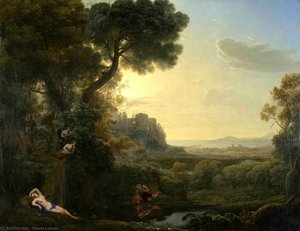
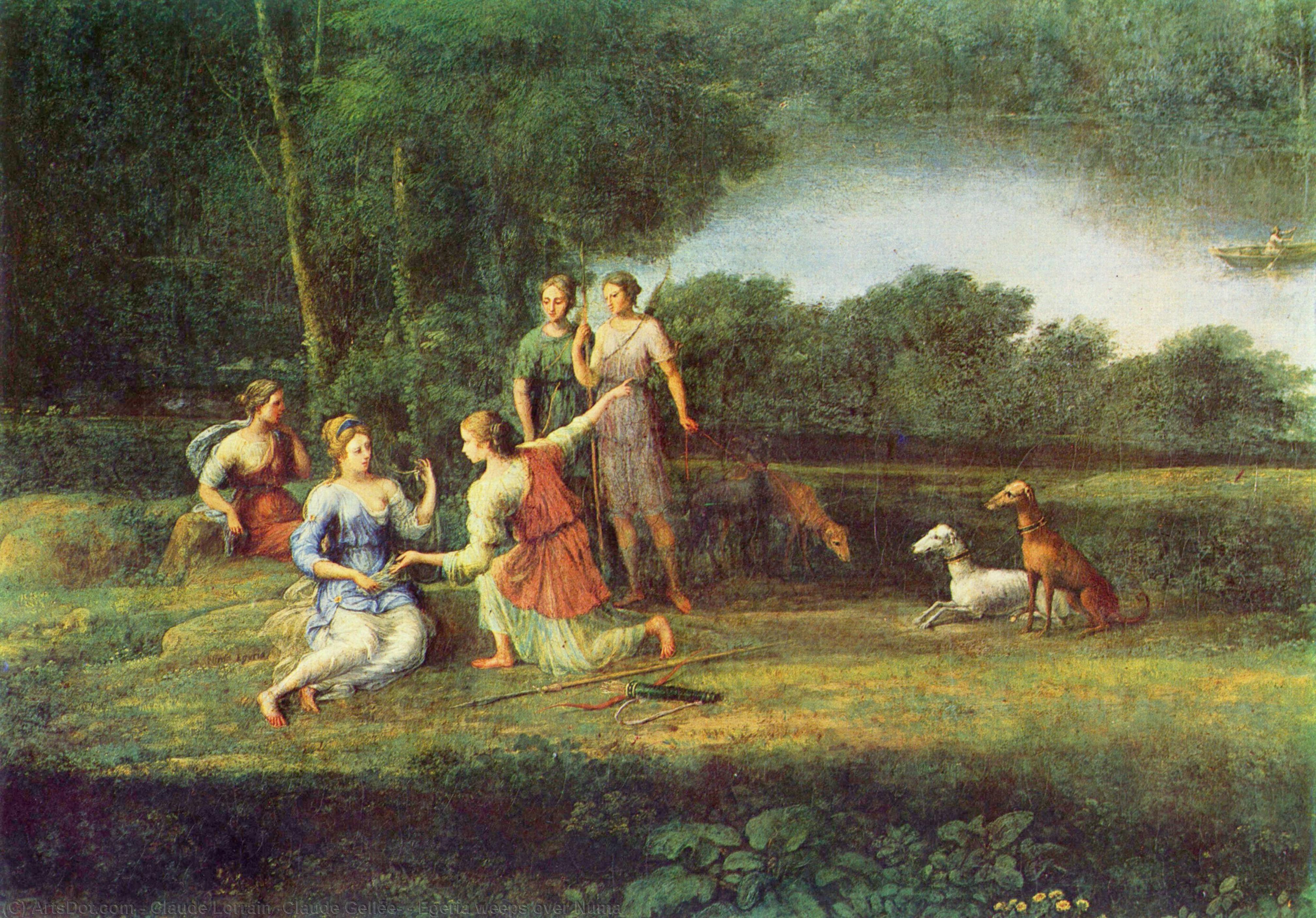
Egeria weeps over Numa
 Oil On Canvas
- WallArt
- Baroque
 1669
1669- Early Modern
 155.0 x 200.0 cm
 Weiterlesen
Handgefertigte Ölreproduktion
Handgemaltes Ölgemälde auf Leinwand in Ihrer Wunschgröße und mit Rahmen, auf Bestellung von unseren Künstlern angefertigt. ( Druck bestellen Bild kaufen)




P118B $10

P118H $10

P118W $10

P438Z $10

P508JH $12

P508YH $12

P805H $10

P805Z $10

P919BZ $10

P919G $10

P919XJ $10

P959ZH $10

P968JZ $12

W106C $8

W218G $10

W218JH $8

W218Y $10

W307PJ $10

W316G $10

W316PJ $8

W316Y $10

W398PJ $8

W4111J $10

W500HY $15

W500JH $15

W692G $12

W849H $8

W940BG $15

W953PJ $8




Wählen Sie aus unseren vordefinierten Formaten, die den ursprünglichen Proportionen des Kunstwerks entsprechen.

Sie können Ihre eigenen Maße eingeben, um einen bestimmten Rahmen oder Platz auszufüllen. Wenn die gewählte Größe nicht den Proportionen des Originalbildes entspricht, werden wir das Kunstwerk entweder beschneiden oder das Gemälde durch zusätzliche, handgemalte Elemente erweitern. Ein digitales Mockup wird Ihnen zur Genehmigung zugesandt, bevor die Produktion beginnt.
Bitte beachten Sie, dass die Bildschirmvorschau nicht die tatsächliche Beschneidung oder Erweiterung widerspiegelt. Nur das Mockup zeigt die endgültige Komposition exakt an.
Obwohl Sondermaße verfügbar sind, empfehlen wir, eine Größe aus der vordefinierten Liste zu wählen, um die ursprünglichen Proportionen beizubehalten.
Nach der Bestellung wird das ArtsDot.com-Team dem Kunden Anweisungen per E-Mail zusenden und eine Mockup-Vorschau bereitstellen.
Weltweiter Versand () in nur 3 bis 4 Wochen statt der üblichen 5 Wochen. (21 August). Keine Kompromisse bei der Qualität.

Kostenloser weltweiter Expressversand

Hochwertige Leinenleinwand

Umfassender Versicherungsschutz beim Versand

Zollgebühren-Rückerstattungsgarantie

Garantie für exakte Farbtreue

60 Tage Rückgaberecht (nur bei Mängeln)

100% Geld-zurück-Garantie

Mengenrabatt verfügbar
 Die Glasoption ist nur für Größen unter 110 cm verfügbar.

Egeria weeps over Numa
Art der Reproduktion
Format der Reproduktion
-


Gesamtpreis
$ 363
Beschreibung des Kunstwerks
A Symphony of Light and Sorrow: Claude Lorrain’s Egeria weeps over Numa
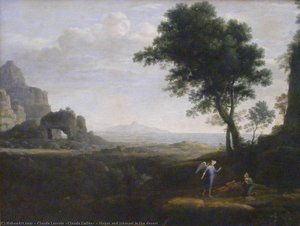
In the grand tapestry of the Baroque era, few artists possessed the ability to weave light into the very fabric of nature as masterfully as Claude Lorrain. His 1669 masterpiece, Egeria weeps over Numa, stands as a profound testament to this skill, offering a window into a world where the boundaries between the human soul and the natural landscape dissolve. The painting invites us into a moment of quiet, mythological intimacy, capturing a scene of profound tenderness and sorrow. As we gaze upon the canvas, we are not merely observers of a historical narrative, but participants in a serene, idyllic dreamscape that feels both ancient and eternally present.
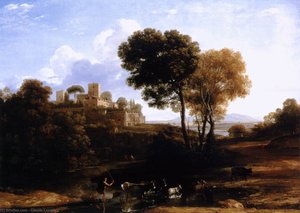
The composition is a triumph of classical balance, guiding the eye through a meticulously layered environment. At the heart of this pastoral drama, figures are arranged with a grace that mirrors the organic contours of the surrounding woods. The foreground serves as an emotional anchor, where the weight of the narrative resides, while the middle ground unfolds into a lush, verdant expanse of trees and foliage. In the far distance, a solitary boat drifts upon calm waters, adding a sense of infinite depth and quietude to the scene. This careful layering creates a shallow yet immersive perspective, pulling the viewer into a space that feels as vast as it is intimate.
The Mastery of Chiaroscuro and Texture
Technically, the work is a marvel of chiaroscuro, the dramatic interplay of light and shadow that defines the Baroque spirit. Lorrain utilizes soft, diffused lighting—reminiscent of an overcast afternoon or sunlight filtered through a dense canopy—to sculpt the forms of the figures and the rugged textures of the earth. This technique lends a remarkable sense of volume to the characters, making their presence feel tangible and heavy with emotion. The brushwork, though precise, retains a visible vitality that contributes to the rich tapestry of textures found throughout the piece: from the smooth, luminous skin of the mythological figures to the rough, weathered bark of the ancient trees and the soft, undulating carpet of the grassy ground.
The color palette is intentionally muted, favoring a naturalistic harmony of deep greens, earthy browns, and tranquil blues. This restraint allows for moments of breathtaking brilliance; subtle highlights of red and gold in the figures' attire act as focal points, drawing attention to the emotional core of the painting. For the discerning collector or interior designer, this sophisticated palette offers an unparalleled versatility, providing a sense of classical grandeur that can anchor a room with quiet authority and timeless elegance.
Mythological Resonance and Emotional Depth
Beyond its technical brilliance, Egeria weeps over Numa is steeped in the symbolic language of antiquity. The painting references the poignant myth of the nymph Egeria and King Numa Pompilius, a narrative that explores themes of divine inspiration, love, and loss. The presence of elements such as the hunting dog and the pastoral setting evokes the classical tradition of the arcadian landscape—a lost paradise where man and nature exist in perfect, albeit melancholic, harmony. Every element, from the way a branch bends to the stillness of the distant water, serves to amplify the underlying tension between the beauty of the world and the inevitability of grief.
To possess a reproduction of this work is to bring more than just decoration into a space; it is to invite a sense of contemplative peace and historical depth. The painting does not shout for attention but rather commands it through its atmospheric subtlety and emotional resonance. It is an ideal centerpiece for those seeking to cultivate an environment of sophistication, storytelling, and profound beauty, offering a lasting connection to the luminous legacy of Claude Lorrain.
Ähnliche Kunstwerke

Über den Künstler
Claude Lorrain (Claude Gellée): Ein Leben in Licht und Landschaft
Frühes Leben und Ausbildung
Geboren um 1600 in Chamagne, einem kleinen Dorf im Herzogtum Lorraine (modernes Frankreich), ist Claude Lorrain – ursprünglich Claude Gellée – einer der gefeiertsten Landschaftsmaler des Barock. Sein frühes Leben ist in einigen Punkten von Rätseln umhüllt, wobei es widersprüchliche Berichte über seine Lehre gibt. Ein Bericht von Joachim von Sandrart deutet auf einen bescheidenen Beginn als Lehrling eines Bäckers hin, bevor er eine Anstellung bei Künstlern in Rom fand. Eine andere, aus Filippo Baldinucci stammende, schildert frühere Ausbildung in Neapel bei Goffredo Wals und später in Rom unter Agostino Tassi.
Aufstieg zur Prominenz
Bis in die 1630er Jahre hatte sich Claude Lorrain als führender Landschaftsmaler Italiens etabliert. Seine Gemälde erlangten schnell Anerkennung für ihre atmosphärischen Qualitäten und erzielten hohe Preise. Er vermischte geschickt italienische Landschaften mit klassischen und biblischen Themen und schuf Szenen, die sowohl visuell beeindruckend als auch intellektuell anregend waren.
Künstlerischer Stil und wichtige Merkmale
- Luminöse Sonne: Eine herausragende Eigenschaft von Claudes Werk ist seine meisterhafte Darstellung des Lichts. Er war einer der ersten Künstler, der konsequent das Licht darstellte, das durch Landschaften scheint, wodurch eine Atmosphäre und Realismus entstanden, die zuvor nicht dagewesen waren.
- Klassische Einflüsse: Seine Kompositionen wurden oft von der griechischen Antike inspiriert und enthielten römische Ruinen, mythologische Figuren und architektonische Elemente.
- Idealisiertes Gelände: Claude strebte nicht nach strikter topographischer Genauigkeit; stattdessen schuf er idealisierte Landschaften, die ein Gefühl von Harmonie und Ruhe hervorriefen.
- Detaillierte Zeichnungen: Er war ein produktiver Draughtsmen und schuf zahlreiche Skizzen und Studien in Bleistift, Aquarellwaschung und Kreide – viele davon wurden in seinem Liber Veritatis bewahrt.
Einflüsse und Entwicklung
Claudes frühe Einflüsse umfassten die Landschaftstraditionen Nordeuropas, insbesondere die der Flemischen Maler. Er studierte auch die Werke italienischer Renaissance-Meister wie Titian und Raffael. Im Laufe der Zeit entwickelte sich sein Stil von dunkleren, dramatischeren Kompositionen zu helleren, luftigeren Szenen, die durch einen goldenen Glanz gekennzeichnet waren.
Bekannte Werke
- Landschaft mit Bauern, die ihre Herden zurückbringen
- Hafen an der Ankunft der Königin von Saba
- Sonnenaufgang
- Pastoralische Landschaft: Die römische Campagna
- Die Ankunft Kleopatras in Tarsus
Historische Bedeutung und Vermächtnis
Claude Lorrain’s Einfluss auf die Landschaftsmalerei ist unermesslich. Er hob das Genre auf ein Niveau des Prestiges an, das zuvor für historische und religiöse Themen reserviert war. Seine Werke beeinflussten Generationen von Künstlern, darunter J.M.W. Turner und Impressionisten, die versuchten, die flüchtigen Effekte von Licht und Atmosphäre einzufangen. Heute werden seine Gemälde hoch geschätzt und befinden sich in wichtigen Museen weltweit, insbesondere der National Gallery (London) und der Art Gallery of South Australia.
Spätere Jahre und Tod
Claude Lorrain starb am 23. November 1682 in Rom. Sein Grabstein in der Kirche San Luigi dei Francesi trägt eine einfache Inschrift: “Claude / peintre de / rome / mort / le 23 novembre 1682”. Er hinterließ ein Vermächtnis als einer der wichtigsten und einflussreichsten Landschaftsmaler der westlichen Kunstgeschichte.

Claude Lorrain (Claude Gellée)
1600 - 1682 , Lorraine
Kurzinfos
- Artistic Movement Or Style: Barockmalerei
- Artists Who Influenced This Artist:
- Goffredo Wals
- Agostino Tassi
- Date Of Birth: c. 1600
- Full Name: Claude Lorrain (Claude Gellée)
- Nationality: Französisch (Lorraine)
- Notable Artworks:
- Landschaft mit Bauern beim Wiederkommen ihrer Herden
- Hafen mit der Ausladung der Königin von Saba
- Place Of Birth: Chamagne, Vosges, Lothringen
Ähnliche Artikel
Claude Lorrain: Master of Light & Landscape in the Golden Age
Explore the luminous landscapes of Claude Lorrain, a Baroque master renowned for his masterful use of light & atmosphere. Discover his life, techniques, key works & enduring influence on art history.
Claude Monet: Die 25 Meisterwerke des Impressionismus für Ihr Zuhause | ArtsDot
Entdecken Sie die 25 Meisterwerke von Claude Monet! Tauchen Sie ein in die Welt des Impressionismus, erleben Sie Seerosen, Sonnenaufgänge & Kathedralen. Hochwertige Reproduktionen für Ihr Zuhause – exklusiv auf ArtsDot.com.

John Constable: Die 25 Meisterwerke des englischen Landschaftsgenies – ArtsDot
Entdecken Sie die 25 Meisterwerke von John Constable! Erleben Sie englische Landschaftsmalerei vom Hay Wain bis zur Stour Valley. Hochwertige Reproduktionen & Kunst für Ihr Zuhause auf ArtsDot.com.

Evocations of Place: A Historical Journey Through Landscape Art
Explore the rich history of landscape art with ArtsDot. Discover renowned artists, movements like Impressionism & Romanticism, and expert guidance for collecting timeless pieces. Find your perfect serene escape today!
Impressionistische Landschaften: Die 10 Meisterwerke, die eine Epoche prägten | ArtsDot
Entdecken Sie die 10 Meisterwerke des Impressionismus! Von Monet bis Renoir – erleben Sie die Geschichte, Technik und zeitlose Schönheit ikonischer Landschaftsbilder. Hochwertige Kunstdrucke auf ArtsDot.com. Jetzt entdecken!