 Vorschau anzeigen
 Versenden
 Teilen
 Details anzeigen

 Herunterladen
 Ähnliche Objekte
 Röntgenaufnahme
 Diashow
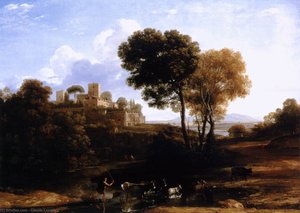
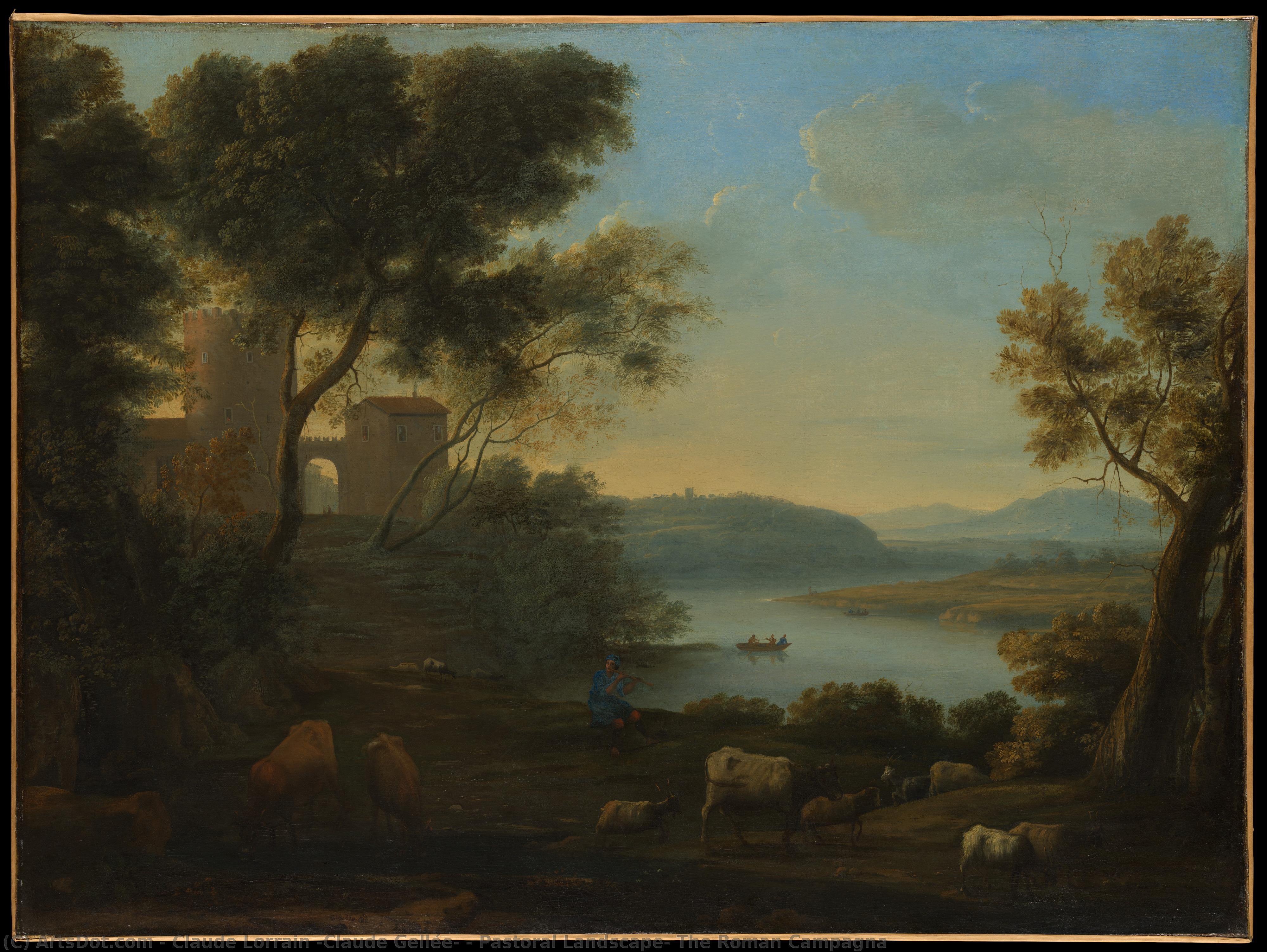
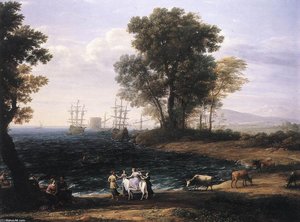
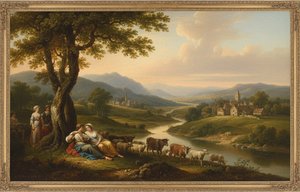
Pastoral Landscape: The Roman Campagna
 Öl auf Leinwand
- Wandkunst
- Baroque
 1639
1639- Renaissance
 102.0 x 136.0 cm
 Metropolitan Museum of Art
 Weiterlesen
Handgefertigte Ölreproduktion
Handgemaltes Ölgemälde auf Leinwand in Ihrer Wunschgröße und mit Rahmen, auf Bestellung von unseren Künstlern angefertigt. ( Druck bestellen Bild kaufen)




P118B $10

P118H $10

P118W $10

P438Z $10

P508JH $12

P508YH $12

P805H $10

P805Z $10

P919BZ $10

P919G $10

P919XJ $10

P959ZH $10

P968JZ $12

W106C $8

W218G $10

W218JH $8

W218Y $10

W307PJ $10

W316G $10

W316PJ $8

W316Y $10

W398PJ $8

W4111J $10

W500HY $15

W500JH $15

W692G $12

W849H $8

W940BG $15

W953PJ $8




Wählen Sie aus unseren vordefinierten Formaten, die den ursprünglichen Proportionen des Kunstwerks entsprechen.

Sie können Ihre eigenen Maße eingeben, um einen bestimmten Rahmen oder Platz auszufüllen. Wenn die gewählte Größe nicht den Proportionen des Originalbildes entspricht, werden wir das Kunstwerk entweder beschneiden oder das Gemälde durch zusätzliche, handgemalte Elemente erweitern. Ein digitales Mockup wird Ihnen zur Genehmigung zugesandt, bevor die Produktion beginnt.
Bitte beachten Sie, dass die Bildschirmvorschau nicht die tatsächliche Beschneidung oder Erweiterung widerspiegelt. Nur das Mockup zeigt die endgültige Komposition exakt an.
Obwohl Sondermaße verfügbar sind, empfehlen wir, eine Größe aus der vordefinierten Liste zu wählen, um die ursprünglichen Proportionen beizubehalten.
Nach der Bestellung wird das ArtsDot.com-Team dem Kunden Anweisungen per E-Mail zusenden und eine Mockup-Vorschau bereitstellen.
Weltweiter Versand () in nur 3 bis 4 Wochen statt der üblichen 5 Wochen. (28 August). Keine Kompromisse bei der Qualität.

Kostenloser weltweiter Expressversand

Hochwertige Leinenleinwand

Umfassender Versicherungsschutz beim Versand

Zollgebühren-Rückerstattungsgarantie

Garantie für exakte Farbtreue

60 Tage Rückgaberecht (nur bei Mängeln)

100% Geld-zurück-Garantie

Mengenrabatt verfügbar
 Die Glasoption ist nur für Größen unter 110 cm verfügbar.

Pastoral Landscape: The Roman Campagna
Art der Reproduktion
Format der Reproduktion
-


Gesamtpreis
$ 263
Claude Lorrain’s Roman Reverie: A Journey Through Light and Arcadia
Claude Lorrain's "Pastoral Landscape: The Roman Campagna," painted in 1639, isn’t merely a depiction of a landscape; it’s an invitation to step into a meticulously crafted world—a realm where classical ideals intertwine with the burgeoning spirit of Baroque artistry. This oil on canvas masterpiece transports us to the rolling hills and hazy valleys surrounding Rome, capturing not just a scene but a carefully constructed atmosphere brimming with tranquility and subtle grandeur. The painting immediately establishes a sense of distance and ethereal beauty, characteristic of Lorrain’s signature style – a masterful blend of observation and idealized representation.
Lorrain's approach to landscape was revolutionary for his time. He moved away from the strictly representational styles favored by earlier artists, instead prioritizing atmosphere and light. Notice how he employs a technique known as *sfumato*, subtly blurring details in the background to create an almost dreamlike quality. The hazy blues and ochres of the distant hills melt into the sky, while the foreground is rendered with a slightly sharper focus, drawing the viewer’s eye deeper into the scene. This masterful use of light and shadow isn't simply decorative; it evokes the transition between day and dusk, mirroring the fleeting beauty of nature itself.
A Classical Echo: Architecture and Arcadia
What immediately sets this landscape apart is the inclusion of a small building nestled amongst the hills – a structure reminiscent of rural Roman villas. This element isn’t accidental; Lorrain deliberately references the ancient concept of Arcadia, a utopian ideal popularized by poets like Virgil and Theocritus. Arcadia represented an idyllic world of shepherds, musicians, and uncorrupted beauty—a refuge from the complexities of urban life. The building serves as a visual anchor, grounding the scene in classical tradition while simultaneously suggesting a timeless, unchanging harmony.
Furthermore, the presence of livestock – sheep grazing peacefully in the distance – reinforces this pastoral theme. They symbolize abundance and rural prosperity, aligning with the Arcadia mythos. The small boat on the lake, occupied by a solitary figure, adds a touch of human activity without disrupting the overall sense of serenity. It’s a subtle reminder that even within this idealized landscape, humanity has a place, albeit one of quiet contemplation.
Technique and Symbolism: Layers of Meaning
Lorrain's skill as a painter is evident in his meticulous attention to detail and the layering of paint. He employs a technique known as *impasto*, applying thick strokes of pigment to create texture, particularly noticeable in the foliage and rocky areas. This adds a tactile quality to the canvas, inviting us to almost feel the rough bark of the trees or the cool dampness of the riverbank. The color palette is deliberately muted – dominated by greens, browns, blues, and ochres – contributing to the painting’s overall sense of calm and restraint.
Beyond its aesthetic beauty, “Pastoral Landscape” carries symbolic weight. The castle on the distant hill represents power and authority, a subtle nod to Roman history and imperial grandeur. However, it's positioned at a distance, almost obscured by the haze, suggesting that earthly power is ultimately secondary to the enduring beauty of nature. The lake itself symbolizes tranquility, reflection, and the passage of time – mirroring the sky above and inviting us to contemplate our own place within the vastness of existence.
A Timeless Masterpiece: Reproduction Possibilities
Reproduced with exceptional fidelity, "Pastoral Landscape: The Roman Campagna" offers a stunning addition to any collection or interior space. ArtsDot’s hand-painted reproductions capture not only the painting's visual beauty but also its atmospheric depth and emotional resonance. Whether you seek an authentic representation for your home or office, or are simply captivated by Lorrain’s masterful vision, our reproductions provide a remarkable opportunity to experience this iconic work of art firsthand. Explore the full artwork details at here.
Ähnliche Kunstwerke

Über den Künstler
Claude Lorrain (Claude Gellée): Ein Leben in Licht und Landschaft
Frühes Leben und Ausbildung
Geboren um 1600 in Chamagne, einem kleinen Dorf im Herzogtum Lorraine (modernes Frankreich), ist Claude Lorrain – ursprünglich Claude Gellée – einer der gefeiertsten Landschaftsmaler des Barock. Sein frühes Leben ist in einigen Punkten von Rätseln umhüllt, wobei es widersprüchliche Berichte über seine Lehre gibt. Ein Bericht von Joachim von Sandrart deutet auf einen bescheidenen Beginn als Lehrling eines Bäckers hin, bevor er eine Anstellung bei Künstlern in Rom fand. Eine andere, aus Filippo Baldinucci stammende, schildert frühere Ausbildung in Neapel bei Goffredo Wals und später in Rom unter Agostino Tassi.
Aufstieg zur Prominenz
Bis in die 1630er Jahre hatte sich Claude Lorrain als führender Landschaftsmaler Italiens etabliert. Seine Gemälde erlangten schnell Anerkennung für ihre atmosphärischen Qualitäten und erzielten hohe Preise. Er vermischte geschickt italienische Landschaften mit klassischen und biblischen Themen und schuf Szenen, die sowohl visuell beeindruckend als auch intellektuell anregend waren.
Künstlerischer Stil und wichtige Merkmale
- Luminöse Sonne: Eine herausragende Eigenschaft von Claudes Werk ist seine meisterhafte Darstellung des Lichts. Er war einer der ersten Künstler, der konsequent das Licht darstellte, das durch Landschaften scheint, wodurch eine Atmosphäre und Realismus entstanden, die zuvor nicht dagewesen waren.
- Klassische Einflüsse: Seine Kompositionen wurden oft von der griechischen Antike inspiriert und enthielten römische Ruinen, mythologische Figuren und architektonische Elemente.
- Idealisiertes Gelände: Claude strebte nicht nach strikter topographischer Genauigkeit; stattdessen schuf er idealisierte Landschaften, die ein Gefühl von Harmonie und Ruhe hervorriefen.
- Detaillierte Zeichnungen: Er war ein produktiver Draughtsmen und schuf zahlreiche Skizzen und Studien in Bleistift, Aquarellwaschung und Kreide – viele davon wurden in seinem Liber Veritatis bewahrt.
Einflüsse und Entwicklung
Claudes frühe Einflüsse umfassten die Landschaftstraditionen Nordeuropas, insbesondere die der Flemischen Maler. Er studierte auch die Werke italienischer Renaissance-Meister wie Titian und Raffael. Im Laufe der Zeit entwickelte sich sein Stil von dunkleren, dramatischeren Kompositionen zu helleren, luftigeren Szenen, die durch einen goldenen Glanz gekennzeichnet waren.
Bekannte Werke
- Landschaft mit Bauern, die ihre Herden zurückbringen
- Hafen an der Ankunft der Königin von Saba
- Sonnenaufgang
- Pastoralische Landschaft: Die römische Campagna
- Die Ankunft Kleopatras in Tarsus
Historische Bedeutung und Vermächtnis
Claude Lorrain’s Einfluss auf die Landschaftsmalerei ist unermesslich. Er hob das Genre auf ein Niveau des Prestiges an, das zuvor für historische und religiöse Themen reserviert war. Seine Werke beeinflussten Generationen von Künstlern, darunter J.M.W. Turner und Impressionisten, die versuchten, die flüchtigen Effekte von Licht und Atmosphäre einzufangen. Heute werden seine Gemälde hoch geschätzt und befinden sich in wichtigen Museen weltweit, insbesondere der National Gallery (London) und der Art Gallery of South Australia.
Spätere Jahre und Tod
Claude Lorrain starb am 23. November 1682 in Rom. Sein Grabstein in der Kirche San Luigi dei Francesi trägt eine einfache Inschrift: “Claude / peintre de / rome / mort / le 23 novembre 1682”. Er hinterließ ein Vermächtnis als einer der wichtigsten und einflussreichsten Landschaftsmaler der westlichen Kunstgeschichte.
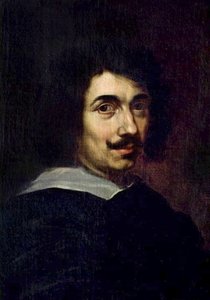
Claude Lorrain (Claude Gellée)
1600 - 1682 , Lorraine
Kurzinfos
- Artistic Movement Or Style: Barockmalerei
- Artists Who Influenced This Artist:
- Goffredo Wals
- Agostino Tassi
- Date Of Birth: c. 1600
- Full Name: Claude Lorrain (Claude Gellée)
- Nationality: Französisch (Lorraine)
- Notable Artworks:
- Landschaft mit Bauern beim Wiederkommen ihrer Herden
- Hafen mit der Ausladung der Königin von Saba
- Place Of Birth: Chamagne, Vosges, Lothringen
Ähnliche Artikel
Claude Monet: Die 25 Meisterwerke des Impressionismus für Ihr Zuhause | ArtsDot
Entdecken Sie die 25 Meisterwerke von Claude Monet! Tauchen Sie ein in die Welt des Impressionismus, erleben Sie Seerosen, Sonnenaufgänge & Kathedralen. Hochwertige Reproduktionen für Ihr Zuhause – exklusiv auf ArtsDot.com.
Claude Lorrain: Master of Light & Landscape in the Golden Age
Explore the luminous landscapes of Claude Lorrain, a Baroque master renowned for his masterful use of light & atmosphere. Discover his life, techniques, key works & enduring influence on art history.

The Enduring Power of Painting: A Historical & Contemporary Exploration of Form and Emotion
Explore the rich history & enduring techniques of oil painting with ArtsDot. Discover masterpieces, learn about art collecting, and find authentic handmade reproductions crafted by skilled artists.

Barocke Pracht: Wie Sie Opulenz und Emotionen in zeitgenössische Innenräume bringen
Entdecken Sie die Pracht des Barock! Expertenratgeber für luxuriöse Innenräume mit barocken Elementen. Inspiration, Tipps & hochwertige Kunst bei .
Idyllic Visions: Exploring the Pastoral Tradition in Western Art – Themes, Techniques & Enduring Appeal
Explore the rich history of pastoral art from classical Arcadia to contemporary interpretations. Discover key artists, themes & collecting tips at ArtsDot.