 Vorschau anzeigen
 Versenden
 Teilen
 Details anzeigen

 Herunterladen
 Ähnliche Objekte
 Röntgenaufnahme
 Diashow
The Judgement of Paris


 Weiterlesen
Handgefertigte Ölreproduktion
Handgemaltes Ölgemälde auf Leinwand in Ihrer Wunschgröße und mit Rahmen, auf Bestellung von unseren Künstlern angefertigt. ( Druck bestellen Bild kaufen)




P118B $10

P118H $10

P118W $10

P438Z $10

P508JH $12

P508YH $12

P805H $10

P805Z $10

P919BZ $10

P919G $10

P919XJ $10

P959ZH $10

P968JZ $12

W106C $8

W218G $10

W218JH $8

W218Y $10

W307PJ $10

W316G $10

W316PJ $8

W316Y $10

W398PJ $8

W4111J $10

W500HY $15

W500JH $15

W692G $12

W849H $8

W940BG $15

W953PJ $8




Wählen Sie aus unseren vordefinierten Formaten, die den ursprünglichen Proportionen des Kunstwerks entsprechen.

Sie können Ihre eigenen Maße eingeben, um einen bestimmten Rahmen oder Platz auszufüllen. Wenn die gewählte Größe nicht den Proportionen des Originalbildes entspricht, werden wir das Kunstwerk entweder beschneiden oder das Gemälde durch zusätzliche, handgemalte Elemente erweitern. Ein digitales Mockup wird Ihnen zur Genehmigung zugesandt, bevor die Produktion beginnt.
Bitte beachten Sie, dass die Bildschirmvorschau nicht die tatsächliche Beschneidung oder Erweiterung widerspiegelt. Nur das Mockup zeigt die endgültige Komposition exakt an.
Obwohl Sondermaße verfügbar sind, empfehlen wir, eine Größe aus der vordefinierten Liste zu wählen, um die ursprünglichen Proportionen beizubehalten.
Nach der Bestellung wird das ArtsDot.com-Team dem Kunden Anweisungen per E-Mail zusenden und eine Mockup-Vorschau bereitstellen.
Weltweiter Versand () in nur 3 bis 4 Wochen statt der üblichen 5 Wochen. (25 August). Keine Kompromisse bei der Qualität.

Kostenloser weltweiter Expressversand

Hochwertige Leinenleinwand

Umfassender Versicherungsschutz beim Versand

Zollgebühren-Rückerstattungsgarantie

Garantie für exakte Farbtreue

60 Tage Rückgaberecht (nur bei Mängeln)

100% Geld-zurück-Garantie

Mengenrabatt verfügbar
 Die Glasoption ist nur für Größen unter 110 cm verfügbar.

The Judgement of Paris
Art der Reproduktion
Format der Reproduktion
-


Gesamtpreis
$ 263
Beschreibung des Kunstwerks
A Dramatic Tableau of Fate and Desire
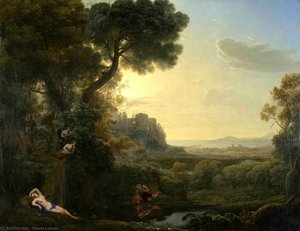
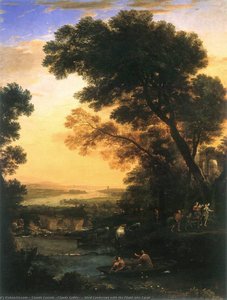
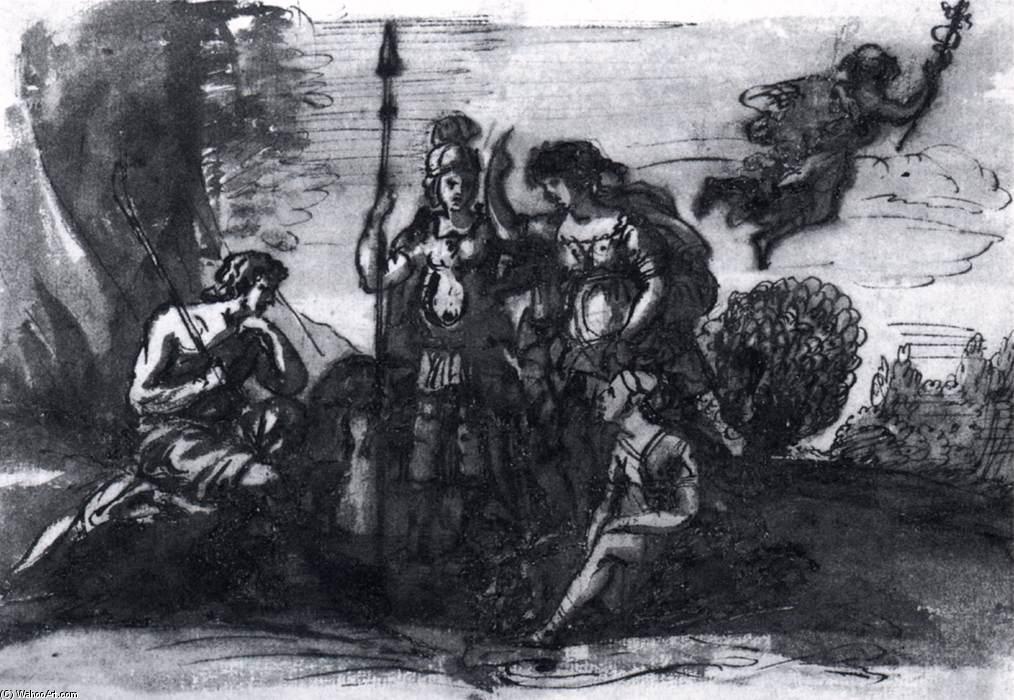
Claude Lorrain’s “The Judgment of Paris” is not merely a painting; it's an exquisitely rendered stage for a pivotal moment in Greek mythology – the fateful decision that launched the Trojan War. Painted in 1645, this monumental work transcends its narrative subject to become a profound meditation on beauty, desire, and the consequences of choice. The scene unfolds within a meticulously constructed landscape, a carefully orchestrated vista designed to heighten the drama and underscore the gravity of Paris’s selection. Lorrain, a master of the Roman Baroque style, eschews the stark realism favored by some contemporaries, instead embracing an idealized, almost ethereal quality that elevates the subject matter to a timeless realm.
- Compositional Harmony: The painting is structured around a central triangle formed by Paris, Venus (represented by her doves), and the three goddesses – Hera, Athena, and Aphrodite – vying for his attention. This triangular arrangement provides visual stability while simultaneously directing the viewer’s eye through the complex interplay of figures and gestures.
- Light and Atmosphere: Lorrain's signature technique—the masterful manipulation of light—is particularly evident here. A golden, diffused sunlight bathes the scene, creating a sense of warmth and serenity that contrasts sharply with the underlying tension of the moment. The subtle gradations of color and shadow imbue the landscape with an almost palpable atmosphere.
- Classical Idealism: Lorrain’s figures are rendered with a classical grace and proportion, reflecting his deep admiration for ancient Greek sculpture and art. Their poses are carefully studied, conveying both dignity and vulnerability, capturing the essence of human emotion within a framework of idealized beauty.
The Myth Behind the Masterpiece
The story depicted in “The Judgment of Paris” is central to Greek mythology. The wedding of Peleus and Thetis was disrupted by Eris, the goddess of discord, who threw a golden apple inscribed "To the Fairest" into the festivities. Hera, Athena, and Aphrodite each claimed the prize, leading to a protracted debate among the goddesses. Paris, a Trojan prince chosen as judge, ultimately awarded the apple to Aphrodite in exchange for her promise of Helen, the most beautiful woman in the world, as his bride. This decision sparked a chain of events that culminated in the ten-year siege of Troy and the legendary war between Greeks and Trojans.
Symbolism abounds within the painting’s details:- Venus's Doves: The doves circling Venus represent her power and influence, subtly reinforcing her claim to Paris’s favor.
- The River: The river flowing through the landscape symbolizes the passage of time and the inevitable consequences of choices.
- Paris’s Expression: Paris's contemplative expression reflects the weighty responsibility he bears – a decision that will irrevocably alter the course of history.
A Window into Baroque Vision
Claude Lorrain’s “The Judgment of Paris” exemplifies the key characteristics of the Roman Baroque style. Unlike the dramatic, emotionally charged works of Caravaggio or Bernini, Lorrain favored a more restrained and intellectual approach to painting. His landscapes were often imbued with moral lessons, drawing inspiration from classical literature and philosophy. He sought to create scenes that were both visually stunning and intellectually stimulating, appealing to the discerning tastes of his aristocratic patrons. The painting’s meticulous detail, harmonious composition, and idealized figures reflect Lorrain's commitment to achieving a sense of timeless beauty and order.
Collecting and Appreciating a Legacy
Reproductions of “The Judgment of Paris” offer a remarkable opportunity to bring the grandeur and emotional depth of this Baroque masterpiece into any setting. Whether adorning a grand salon or adding a touch of classical elegance to a contemporary space, Lorrain’s painting continues to captivate viewers with its timeless beauty and profound exploration of human nature. Consider the scale – often rendered in large formats – to best capture the drama and detail of this iconic work. The rich colors and masterful brushwork are particularly striking when viewed up close, revealing the artist's meticulous attention to every element of the composition.
Ähnliche Kunstwerke


Über den Künstler
Claude Lorrain (Claude Gellée): Ein Leben in Licht und Landschaft
Frühes Leben und Ausbildung
Geboren um 1600 in Chamagne, einem kleinen Dorf im Herzogtum Lorraine (modernes Frankreich), ist Claude Lorrain – ursprünglich Claude Gellée – einer der gefeiertsten Landschaftsmaler des Barock. Sein frühes Leben ist in einigen Punkten von Rätseln umhüllt, wobei es widersprüchliche Berichte über seine Lehre gibt. Ein Bericht von Joachim von Sandrart deutet auf einen bescheidenen Beginn als Lehrling eines Bäckers hin, bevor er eine Anstellung bei Künstlern in Rom fand. Eine andere, aus Filippo Baldinucci stammende, schildert frühere Ausbildung in Neapel bei Goffredo Wals und später in Rom unter Agostino Tassi.
Aufstieg zur Prominenz
Bis in die 1630er Jahre hatte sich Claude Lorrain als führender Landschaftsmaler Italiens etabliert. Seine Gemälde erlangten schnell Anerkennung für ihre atmosphärischen Qualitäten und erzielten hohe Preise. Er vermischte geschickt italienische Landschaften mit klassischen und biblischen Themen und schuf Szenen, die sowohl visuell beeindruckend als auch intellektuell anregend waren.
Künstlerischer Stil und wichtige Merkmale
- Luminöse Sonne: Eine herausragende Eigenschaft von Claudes Werk ist seine meisterhafte Darstellung des Lichts. Er war einer der ersten Künstler, der konsequent das Licht darstellte, das durch Landschaften scheint, wodurch eine Atmosphäre und Realismus entstanden, die zuvor nicht dagewesen waren.
- Klassische Einflüsse: Seine Kompositionen wurden oft von der griechischen Antike inspiriert und enthielten römische Ruinen, mythologische Figuren und architektonische Elemente.
- Idealisiertes Gelände: Claude strebte nicht nach strikter topographischer Genauigkeit; stattdessen schuf er idealisierte Landschaften, die ein Gefühl von Harmonie und Ruhe hervorriefen.
- Detaillierte Zeichnungen: Er war ein produktiver Draughtsmen und schuf zahlreiche Skizzen und Studien in Bleistift, Aquarellwaschung und Kreide – viele davon wurden in seinem Liber Veritatis bewahrt.
Einflüsse und Entwicklung
Claudes frühe Einflüsse umfassten die Landschaftstraditionen Nordeuropas, insbesondere die der Flemischen Maler. Er studierte auch die Werke italienischer Renaissance-Meister wie Titian und Raffael. Im Laufe der Zeit entwickelte sich sein Stil von dunkleren, dramatischeren Kompositionen zu helleren, luftigeren Szenen, die durch einen goldenen Glanz gekennzeichnet waren.
Bekannte Werke
- Landschaft mit Bauern, die ihre Herden zurückbringen
- Hafen an der Ankunft der Königin von Saba
- Sonnenaufgang
- Pastoralische Landschaft: Die römische Campagna
- Die Ankunft Kleopatras in Tarsus
Historische Bedeutung und Vermächtnis
Claude Lorrain’s Einfluss auf die Landschaftsmalerei ist unermesslich. Er hob das Genre auf ein Niveau des Prestiges an, das zuvor für historische und religiöse Themen reserviert war. Seine Werke beeinflussten Generationen von Künstlern, darunter J.M.W. Turner und Impressionisten, die versuchten, die flüchtigen Effekte von Licht und Atmosphäre einzufangen. Heute werden seine Gemälde hoch geschätzt und befinden sich in wichtigen Museen weltweit, insbesondere der National Gallery (London) und der Art Gallery of South Australia.
Spätere Jahre und Tod
Claude Lorrain starb am 23. November 1682 in Rom. Sein Grabstein in der Kirche San Luigi dei Francesi trägt eine einfache Inschrift: “Claude / peintre de / rome / mort / le 23 novembre 1682”. Er hinterließ ein Vermächtnis als einer der wichtigsten und einflussreichsten Landschaftsmaler der westlichen Kunstgeschichte.

Claude Lorrain (Claude Gellée)
1600 - 1682 , Lorraine
Kurzinfos
- Artistic Movement Or Style: Barockmalerei
- Artists Who Influenced This Artist:
- Goffredo Wals
- Agostino Tassi
- Date Of Birth: c. 1600
- Full Name: Claude Lorrain (Claude Gellée)
- Nationality: Französisch (Lorraine)
- Notable Artworks:
- Landschaft mit Bauern beim Wiederkommen ihrer Herden
- Hafen mit der Ausladung der Königin von Saba
- Place Of Birth: Chamagne, Vosges, Lothringen
Ähnliche Artikel
Claude Monet: Die 25 Meisterwerke des Impressionismus für Ihr Zuhause | ArtsDot
Entdecken Sie die 25 Meisterwerke von Claude Monet! Tauchen Sie ein in die Welt des Impressionismus, erleben Sie Seerosen, Sonnenaufgänge & Kathedralen. Hochwertige Reproduktionen für Ihr Zuhause – exklusiv auf ArtsDot.com.

Baroque Classicism: Reconciling Drama & Order in 17th-Century Art
Explore the captivating world of Baroque Classicism! Discover its history, key artists like Caravaggio & Rubens, and defining characteristics. Expert insights & high-quality reproductions at ArtsDot.
Claude Lorrain: Master of Light & Landscape in the Golden Age
Explore the luminous landscapes of Claude Lorrain, a Baroque master renowned for his masterful use of light & atmosphere. Discover his life, techniques, key works & enduring influence on art history.

Barocke Pracht: Wie Sie Opulenz und Emotionen in zeitgenössische Innenräume bringen
Entdecken Sie die Pracht des Barock! Expertenratgeber für luxuriöse Innenräume mit barocken Elementen. Inspiration, Tipps & hochwertige Kunst bei .
Decoding Baroque Grandeur: A Guide to the Drama and Emotion of 17th-Century Art
Explore the breathtaking drama of 17th-century Baroque art. Our expert guide decodes the use of chiaroscuro, emotional intensity, and historical grandeur to help you appreciate and curate timeless masterpieces for your collection.