

 Vorschau anzeigen
 Versenden
 Teilen
 Details anzeigen

 Herunterladen
 Ähnliche Objekte
 Röntgenaufnahme
 Diashow
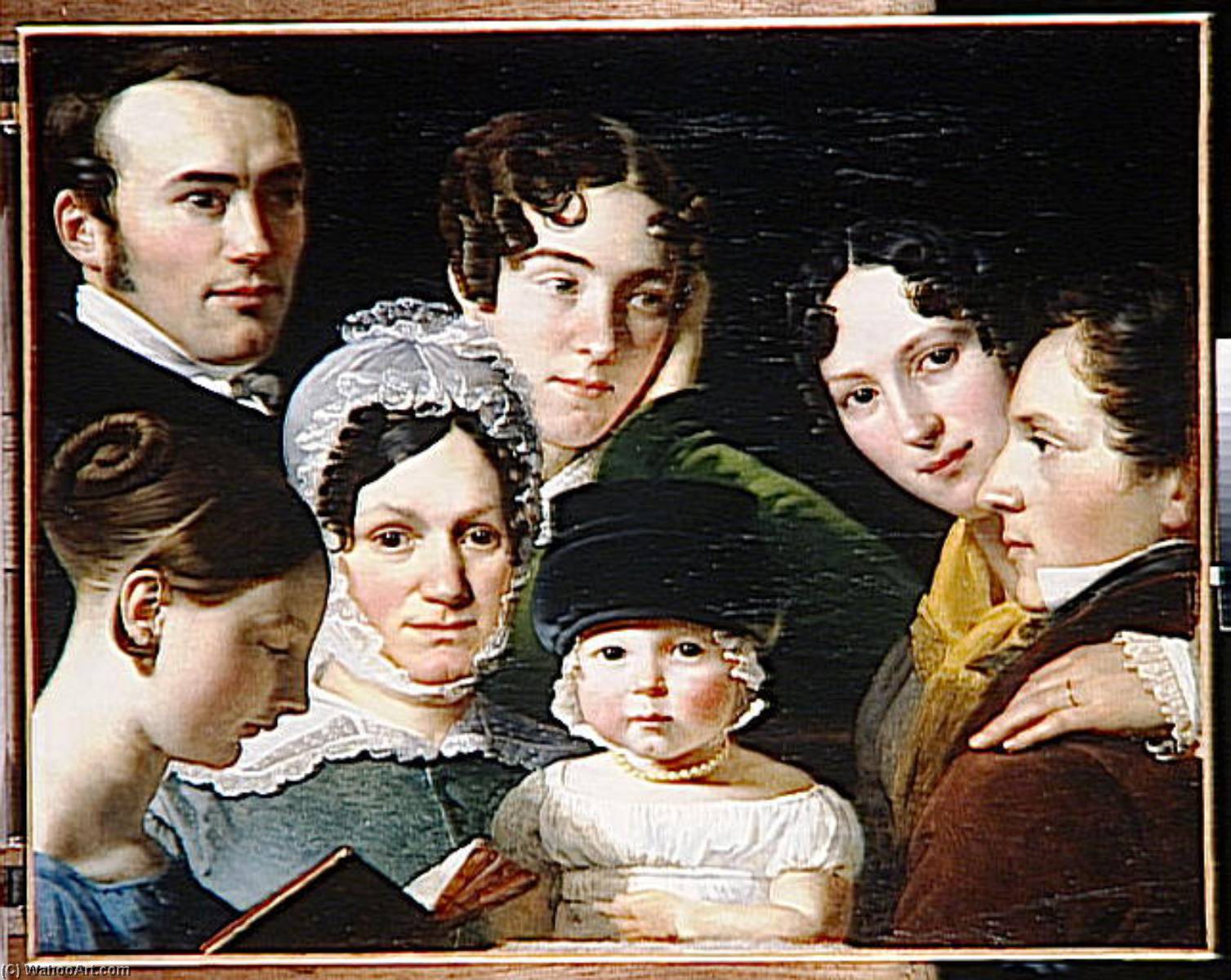
LA FAMILLE DUBUFE EN 1820


 Weiterlesen
Erwerben Sie ein hochauflösendes, optimiertes digitales Bild, das der Online-Vorschau weit überlegen ist.
Jede Datei wird von unseren hauseigenen Spezialisten mit modernsten Werkzeugen und fachmännischer manueller Retusche sorgfältig vorbereitet. Wir stellen sicher, dass jedes Bild eine außergewöhnliche Klarheit, präzise Farbgenauigkeit und feinste Details aufweist.
Die endgültige Datei wird innerhalb von 72 Stunden per E-Mail zugestellt und ist für den sofortigen Einsatz in professionellen, redaktionellen und Druckumgebungen optimiert. Es handelt sich um dieselbe Qualität, der führende Designstudios, Verlage und Galerien vertrauen.
Digitales Bild
Laden Sie eine hochauflösende Datei für die persönliche Präsentation, den Druck und kreative Projekte herunter. ( Druck bestellen Handgemalte Reproduktion bestellen)
In jeder Bestellung digitaler Bilder enthalten
Professionelle digitale Bereitstellung, garantiert
Wenn Sie sich für ArtsDot.com entscheiden, erhalten Sie nicht nur ein Bild – Sie erhalten ein professionell aufbereitetes digitales Kunstwerk, das mit höchster Präzision erstellt und durch eine Zufriedenheitsgarantie abgesichert wird. Hier ist alles, was automatisch mit Ihrer Bestellung geliefert wird:

Schnelle E-Mail-Zustellung
Ihre hochauflösende digitale Bilddatei wird Ihnen innerhalb von 72 Stunden nach der Bestellung per E-Mail zugestellt – bereit zur sofortigen Verwendung.

KI-optimierte digitale Datei
Ihre Kunstwerke werden professionell mithilfe fortschrittlicher KI-Tools und manueller Bearbeitung optimiert, um maximale Detailtreue, Klarheit und Farbgenauigkeit zu gewährleisten.

Lebenslanger kostenloser Neudruckservice
Datei versehentlich gelöscht oder verloren? Keine Sorge – wir senden sie Ihnen jederzeit kostenlos erneut zu.

Keine Einfuhrgebühren – jemals
Genießen Sie Ihr Kunstwerk sofort ohne Zollgebühren, Einfuhrabgaben oder Versandkosten – digitale Downloads sind immer steuerfrei.

Garantierte Farbtreue
Wir garantieren, dass Ihr digitales Bild mithilfe professioneller Werkzeuge und Farbmanagement die Originalfarben so präzise wie möglich wiedergibt.

60-Tage-Zufriedenheitsgarantie
Sollten Sie mit Ihrem digitalen Bild nicht zufrieden sein, werden wir es überarbeiten oder Ihnen innerhalb von 60 Tagen 100% erstatten – ohne Wenn und Aber.

100% Geld-zurück-Garantie
Nicht zufrieden? Erhalten Sie innerhalb von 60 Tagen nach Erhalt Ihrer digitalen Datei eine vollständige Rückerstattung – ohne Angabe von Gründen.

Rabatte bei Großbestellungen
3 Bilder kaufen, 10% sparen – 5 Bilder kaufen, 15% sparen – Ab 10 Bildern 20% sparen. Ideal für kreative Projekte, Galerien und Agenturen.
Details zum Sammlerstück
The Dubufe Family in 1820 – A Portrait of Neo-Classical Dignity
“The Dubufe Family in 1820” by Claude Marie Paul Dubufe stands as a quintessential emblem of the waning years of Neoclassicism, capturing not merely an image of familial life but also the spirit of its time—a period defined by restrained elegance and moral seriousness. Painted in 1820, this monumental oil on canvas resides within the Louvre Museum’s collections, offering viewers a glimpse into the opulent yet subtly melancholic world of French aristocratic society. The artwork's composition is strikingly deliberate: Dubufe employs a pyramidal structure, meticulously arranging the figures to convey a profound sense of unity and familial connection. Overlapping poses create intimacy while simultaneously emphasizing the importance of each individual within the family unit. The artist’s masterful use of light—softly diffused—illuminates the faces evenly, minimizing harsh shadows and fostering an atmosphere of quiet contemplation. This technique underscores the solemn dignity inherent in portraiture during this era, reflecting a desire to portray subjects with respect and admiration. The color palette leans towards muted earth tones – ochre yellows, browns, and creams – accented by delicate washes of paler hues that lend warmth and luminosity to the scene. These restrained colors mirror the aesthetic sensibilities of Neoclassicism, prioritizing clarity and balance over flamboyant ornamentation. The background is dark, providing a dramatic contrast that highlights the faces and clothing of the Dubufe family members, drawing attention to their presence and reinforcing the portrait’s formal grandeur. Dubufe's artistic approach demonstrates an unwavering commitment to realism combined with idealized representation—a hallmark of David’s legacy. Detailed brushstrokes meticulously render skin tones and fabric folds, capturing subtle nuances that convey a sense of texture and depth. Lines delineate facial features and clothing details with precision, contributing to the overall impression of meticulous craftsmanship. Geometric elements subtly permeate the patterns of some garments, grounding the composition in classical principles while maintaining visual interest.- Artist: Claude Marie Paul Dubufe (1790–1864)
- Style: Neoclassical Portraiture
- Medium: Oil on Canvas
- Location: Louvre Museum, Paris
Symbolism and Context – Echoes of David’s Influence
Dubufe's work is deeply rooted in the artistic traditions established by Jacques-Louis David, whose monumental canvases had revolutionized painting with their austere grandeur and moral seriousness. Like David, Dubufe sought to honor classical ideals—particularly those of rationality and order—while simultaneously injecting subtle emotional nuance into his compositions. The pyramidal structure itself symbolizes stability and harmony, reflecting a belief in the importance of social hierarchy and familial responsibility. The solemn expressions on the faces of the Dubufe family members convey a sense of restrained emotion characteristic of portraits from this period. They embody dignity and composure, mirroring the values upheld by the French aristocracy during the Restoration—a time marked by political upheaval but also by an enduring fascination with classical art and culture. The painting serves as a testament to the artistic legacy of David, demonstrating how his influence continued to shape artistic expression even in its twilight years.Technique – Mastering Light and Texture
Dubufe’s masterful technique—characterized by meticulous brushstrokes and careful blending of colors—exemplifies the precision demanded by Neoclassical painting. The artist skillfully utilizes light diffusion to create a flattering effect, minimizing harsh shadows and enhancing the luminosity of the faces. Subtle variations in shading define facial features and clothing textures, conveying a remarkable level of realism. The smooth texture achieved through oil paint application contributes to the overall impression of elegance and refinement. Close examination reveals delicate brushstrokes that capture the nuances of fabric folds and skin tones—a testament to Dubufe’s dedication to capturing the essence of his subjects with unwavering accuracy. This meticulous attention to detail underscores the artistic standards upheld during David's time, cementing Dubufe’s place as a pivotal figure in French art history.Further Exploration – Viewing “The Dubufe Family” at the Louvre
A visit to the Louvre Museum offers an unparalleled opportunity to experience "The Dubufe Family" firsthand. Located in Salle XVIII, this monumental artwork commands attention with its impressive scale and masterful execution. Admire the artist’s skillful use of light and color, reflecting the aesthetic sensibilities of Neoclassicism—a style that continues to inspire artists and collectors alike.Ähnliche Kunstwerke
Biografie des Künstlers
Claude Marie Paul Dubufe: The Last Echo of David’s Legacy
Claude-Marie Paul Dubufe (1790–1864) stands as a poignant figure in French art history—the final bastion of Jacques-Louis David's artistic lineage, marking the twilight years of Neoclassicism and ushering in a new era of Romanticism. Born in Paris amidst the burgeoning intellectual fervor of his time, Dubufe’s formative years were steeped in the ideals championed by David himself, whose monumental canvases had redefined artistic expression with their austere grandeur and moral seriousness. This early influence profoundly shaped Dubufe's stylistic trajectory, initially favoring classical subjects—mythological narratives and biblical scenes—reflecting a desire to honor tradition while simultaneously injecting subtle emotional nuance into his compositions.Early Training & Influences
Dubufe’s formal education commenced under David’s tutelage at the École Royale Supérieure des Beaux-Arts, where he absorbed not only technical mastery but also a deep appreciation for artistic idealism. The emphasis on anatomical precision and dramatic storytelling—hallmarks of David's oeuvre—became indelible components of Dubufe’s artistic vocabulary. This formative period instilled in him an unwavering commitment to classical principles – a dedication that would characterize his entire artistic career. He meticulously studied David’s techniques, striving to emulate his masterful command of form and composition, ensuring that the spirit of Neoclassicism persisted through his own creative endeavors.Genre Painting & Portraiture: A Shift Towards Human Emotion
While firmly rooted in classical ideals, Dubufe swiftly transitioned to genre painting and portraiture, capturing the vibrancy of Parisian life and portraying individuals with remarkable sensitivity. Unlike David’s monumental canvases focused on heroic narratives—grand depictions of historical events intended to inspire patriotism—Dubufe's subjects were often ordinary people—aristocrats, artists, musicians—presented with an intimacy that belied their social status. This deliberate departure from Davidian grandeur signaled a burgeoning interest in exploring the complexities of human emotion and experience – a hallmark of Romanticism’s ascendance. He skillfully rendered scenes from daily life, capturing fleeting moments of joy, sorrow, and contemplation with unparalleled realism and psychological depth.A prolific Output & Notable Achievements
Dubufe's artistic output spanned a prodigious period, producing over 300 paintings, including numerous portraits of prominent figures – Louise d’Orléans, Eleanor Jenkinson and Édouard Dubufe (his son), demonstrating his ability to convey both formal elegance and psychological depth. His meticulous attention to detail—particularly in capturing facial expressions and subtle gestures—elevated portraiture to a new level of realism and emotional resonance. Works like “La lettre de Wagram” exemplify this dedication, portraying scenes from historical events with remarkable accuracy and conveying the atmosphere of the time. He was recognized as a master of capturing the essence of his subjects – their character, temperament, and inner life—transforming mere likenesses into evocative representations of human experience.David’s Enduring Legacy: The Last Guardian of Tradition
Dubufe's contribution to French art extends beyond individual masterpieces; he embodies the culmination of Davidian ideals—a commitment to moral seriousness and a belief in the transformative power of art. He remained steadfast in upholding the principles of Neoclassicism, ensuring that David’s legacy endured into the Victorian era. His stylistic choices – particularly his restrained palette and emphasis on anatomical correctness – served as a direct continuation of David’s artistic vision. As the last representative of David’s school, Dubufe skillfully navigated the shifting artistic landscape of his time, preserving classical traditions while embracing new expressive possibilities—a testament to the enduring legacy of a singular artistic genius.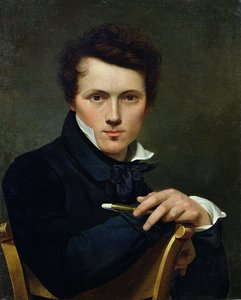
Claude Marie Dubufe
1790 - 1864 , Frankreich
Kurzinfos
- Artistic Movement Or Style: David Schule
- Artists Or Movements Influenced By This Artist: ['Romantik']
- Artists Who Influenced This Artist: ['Jacques Louis David']
- Date Of Birth: 1790
- Date Of Death: 1864
- Full Name: Claude Marie Paul Dubufe
- Nationality: Französisch
- Notable Artworks:
- Louise d’Orléans
- La lettre de Wagram
- Place Of Birth: Paris, Frankreich

