

 Vorschau anzeigen
 Versenden
 Teilen
 Details anzeigen

 Herunterladen
 Ähnliche Objekte
 Röntgenaufnahme
 Diashow
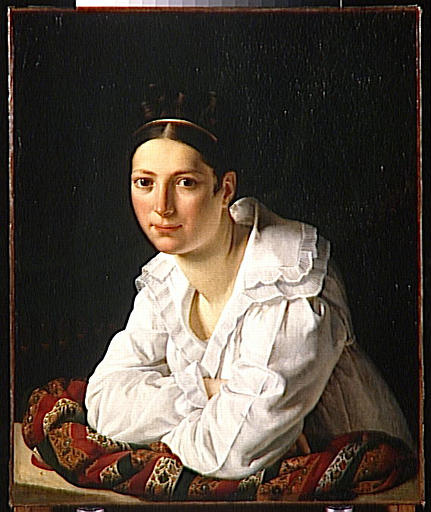
PORTRAIT DE MADAME CLAUDE MARIE DUBUFE, NEE EDMEE FRANCOISE DUMENILLET


 Weiterlesen
Giclée / Kunstdruck
Giclée- oder Leinwanddruck in Museumsqualität mit schneller Produktion und flexiblen Veredelungsoptionen. ( Handgemalte Reproduktion bestellen Bild kaufen)




P118B $10

P118H $10

P118W $10

P438Z $10

P508JH $12

P508YH $12

P805H $10

P805Z $10

P919BZ $10

P919G $10

P919XJ $10

P959ZH $10

P968JZ $12

W106C $8

W218G $10

W218JH $8

W218Y $10

W307PJ $10

W316G $10

W316PJ $8

W316Y $10

W398PJ $8

W4111J $10

W500HY $15

W500JH $15

W692G $12

W849H $8

W940BG $15

W953PJ $8




Wählen Sie aus unseren vordefinierten Formaten, die den ursprünglichen Proportionen des Kunstwerks entsprechen.

Sie können Ihre eigenen Maße eingeben, um ein bestimmtes Format oder einen speziellen Platz einzupassen. Wenn das von Ihnen gewählte Format nicht den Proportionen des Originalbildes entspricht, werden wir das Kunstwerk entweder beschneiden oder das Bild mit einem gespiegelten oder einfarbigen Rand erweitern. Ein digitaler Entwurf wird Ihnen zur Genehmigung zugesandt, bevor die Produktion beginnt.
Bitte beachten Sie, dass die Vorschau auf dem Bildschirm nicht den tatsächlichen Zuschnitt oder die Erweiterung widerspiegelt. Nur der Entwurf zeigt die endgültige Komposition präzise an.
Obwohl Sondermaße verfügbar sind, empfehlen wir die Auswahl eines Maßes aus der vordefinierten Liste, um die ursprünglichen Proportionen zu bewahren.
Weltweiter Versand () innerhalb von 2 Wochen statt der üblichen 4/5 Wochen. (26 August)

Kostenloser weltweiter Expressversand

Hochwertige Leinenleinwand

Umfassender Versicherungsschutz beim Versand

Zollgebühren-Rückerstattungsgarantie

Garantie für exakte Farbtreue

60 Tage Rückgaberecht (nur bei Mängeln)

100% Geld-zurück-Garantie

Mengenrabatt verfügbar
 Die Glasoption ist nur für Größen unter 110 cm verfügbar.

PORTRAIT DE MADAME CLAUDE MARIE DUBUFE, NEE EDMEE FRANCOISE DUMENILLET
Giclée / Kunstdruck
Format der Reproduktion
-


Gesamtpreis
$ 62
Sammlerstück-Beschreibung
A Portrait of Refined Elegance: Claude-Marie Dubufe’s “Portrait de Madame Claude Marie Dubufe, née Edmée Françoise Dumenillet”
Within the hushed galleries of the Louvre, or perhaps more intimately reproduced as a stunning work of art, resides "Portrait de Madame Claude Marie Dubufe, née Edmée Françoise Dumenillet," a captivating testament to the artistic legacy of Jacques-Louis David and the burgeoning Romantic sensibilities of 19th-century France. Painted in 1818 by his devoted student, Claude-Marie Paul Dubufe – the last true heir to David’s classical school – this portrait transcends mere likeness; it embodies an era, a social standing, and a quiet dignity that continues to resonate with viewers today. The painting immediately draws the eye with its masterful use of stark contrast: a deep, enveloping black background serves as a dramatic stage for the luminous figure of Madame Dubufe, instantly establishing a sense of formality and importance.
Dubufe’s technique is characterized by a remarkable restraint, echoing David's own meticulous approach. The palette is deliberately muted – primarily creams, whites, and subtle flesh tones – creating an atmosphere of understated luxury. The artist skillfully employs layering and blending to achieve smooth transitions in tone, avoiding the harsh outlines that might have dominated earlier styles. Notice how the folds of her dress are rendered with delicate, almost imperceptible lines, suggesting a luxurious fabric without resorting to overly detailed depiction. The subtle hints of red, green, and gold within the cushion beneath her arms – a detail often overlooked – add a touch of opulence and hint at the wealth and status of the sitter.
The Echoes of Neoclassicism and the Dawn of Romanticism
To fully appreciate this portrait, it’s crucial to understand its historical context. Dubufe was deeply influenced by David's rigorous adherence to classical ideals – a reaction against the Rococo excesses that preceded him. However, unlike his mentor, Dubufe subtly infused his work with elements of Romanticism, particularly in the portrayal of emotion and psychological depth. Madame Dubufe’s gaze is direct, unwavering, and imbued with an almost palpable sense of self-assurance. It's not a coy or demure look; rather, it speaks to intelligence, composure, and perhaps even a hint of quiet strength. This deliberate engagement with the viewer establishes a powerful connection, inviting us into her world.
The composition itself is carefully considered. The portrait adheres to the traditional format for 19th-century aristocratic portraits – a bust-length view that emphasizes the subject’s face and upper body. Her crossed arms, a gesture of both elegance and reserve, contribute to this sense of dignified composure. The cushion beneath her hands isn't merely decorative; it subtly reinforces her social standing and adds a layer of visual interest. It is a small detail that speaks volumes about the era.
Symbolism and Emotional Resonance
Beyond its technical brilliance, “Portrait de Madame Claude Marie Dubufe” offers a glimpse into the values and aspirations of French society during this period. The portrait’s formality reflects the importance placed on social decorum and appearances. The muted colors and restrained style suggest an emphasis on inner qualities rather than outward displays of wealth or extravagance. Yet, there's also a subtle sense of melancholy in Madame Dubufe’s expression – perhaps a reflection of the constraints imposed upon women of her station.
Furthermore, considering that Dubufe was David’s last student, this portrait can be viewed as a final, poignant echo of a bygone artistic era. It represents a transition from the rigid ideals of Neoclassicism to the more emotive and individualistic style of Romanticism. The painting serves as a beautiful reminder of the enduring power of art to capture not only likeness but also the spirit and essence of its subject.
A Timeless Masterpiece – Perfect for Reproduction
Whether admired in person or reproduced on canvas, “Portrait de Madame Claude Marie Dubufe” remains a captivating work of art. Its elegant composition, masterful technique, and subtle emotional depth make it a timeless treasure. Reproductions offer an accessible way to bring this exquisite portrait into your home, allowing you to appreciate its beauty and historical significance for years to come.
Ähnliche Kunstwerke

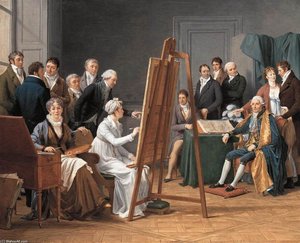
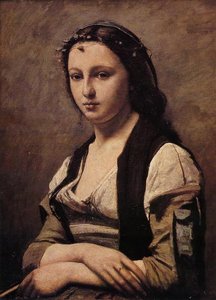
Über den Künstler
Claude Marie Paul Dubufe: The Last Echo of David’s Legacy
Claude-Marie Paul Dubufe (1790–1864) stands as a poignant figure in French art history—the final bastion of Jacques-Louis David's artistic lineage, marking the twilight years of Neoclassicism and ushering in a new era of Romanticism. Born in Paris amidst the burgeoning intellectual fervor of his time, Dubufe’s formative years were steeped in the ideals championed by David himself, whose monumental canvases had redefined artistic expression with their austere grandeur and moral seriousness. This early influence profoundly shaped Dubufe's stylistic trajectory, initially favoring classical subjects—mythological narratives and biblical scenes—reflecting a desire to honor tradition while simultaneously injecting subtle emotional nuance into his compositions.Early Training & Influences
Dubufe’s formal education commenced under David’s tutelage at the École Royale Supérieure des Beaux-Arts, where he absorbed not only technical mastery but also a deep appreciation for artistic idealism. The emphasis on anatomical precision and dramatic storytelling—hallmarks of David's oeuvre—became indelible components of Dubufe’s artistic vocabulary. This formative period instilled in him an unwavering commitment to classical principles – a dedication that would characterize his entire artistic career. He meticulously studied David’s techniques, striving to emulate his masterful command of form and composition, ensuring that the spirit of Neoclassicism persisted through his own creative endeavors.Genre Painting & Portraiture: A Shift Towards Human Emotion
While firmly rooted in classical ideals, Dubufe swiftly transitioned to genre painting and portraiture, capturing the vibrancy of Parisian life and portraying individuals with remarkable sensitivity. Unlike David’s monumental canvases focused on heroic narratives—grand depictions of historical events intended to inspire patriotism—Dubufe's subjects were often ordinary people—aristocrats, artists, musicians—presented with an intimacy that belied their social status. This deliberate departure from Davidian grandeur signaled a burgeoning interest in exploring the complexities of human emotion and experience – a hallmark of Romanticism’s ascendance. He skillfully rendered scenes from daily life, capturing fleeting moments of joy, sorrow, and contemplation with unparalleled realism and psychological depth.A prolific Output & Notable Achievements
Dubufe's artistic output spanned a prodigious period, producing over 300 paintings, including numerous portraits of prominent figures – Louise d’Orléans, Eleanor Jenkinson and Édouard Dubufe (his son), demonstrating his ability to convey both formal elegance and psychological depth. His meticulous attention to detail—particularly in capturing facial expressions and subtle gestures—elevated portraiture to a new level of realism and emotional resonance. Works like “La lettre de Wagram” exemplify this dedication, portraying scenes from historical events with remarkable accuracy and conveying the atmosphere of the time. He was recognized as a master of capturing the essence of his subjects – their character, temperament, and inner life—transforming mere likenesses into evocative representations of human experience.David’s Enduring Legacy: The Last Guardian of Tradition
Dubufe's contribution to French art extends beyond individual masterpieces; he embodies the culmination of Davidian ideals—a commitment to moral seriousness and a belief in the transformative power of art. He remained steadfast in upholding the principles of Neoclassicism, ensuring that David’s legacy endured into the Victorian era. His stylistic choices – particularly his restrained palette and emphasis on anatomical correctness – served as a direct continuation of David’s artistic vision. As the last representative of David’s school, Dubufe skillfully navigated the shifting artistic landscape of his time, preserving classical traditions while embracing new expressive possibilities—a testament to the enduring legacy of a singular artistic genius.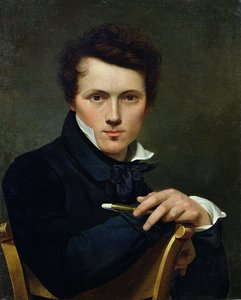
Claude Marie Dubufe
1790 - 1864 , Frankreich
Kurzinfos
- Artistic Movement Or Style: David Schule
- Artists Or Movements Influenced By This Artist: ['Romantik']
- Artists Who Influenced This Artist: ['Jacques Louis David']
- Date Of Birth: 1790
- Date Of Death: 1864
- Full Name: Claude Marie Paul Dubufe
- Nationality: Französisch
- Notable Artworks:
- Louise d’Orléans
- La lettre de Wagram
- Place Of Birth: Paris, Frankreich
Ähnliche Artikel
Reflections of an Era: Identity & Social Commentary in 19th-Century Portraiture
Explore the captivating world of 19th-century portraiture! Discover key artists, movements like Realism & Impressionism, and the powerful social commentary embedded within these iconic artworks. Expert insights at ArtsDot.

Meisterwerke des 19. Jahrhunderts: Kunst für Ihr Zuhause | ArtsDot
Entdecken Sie die 10 bedeutendsten Kunstwerke des 19. Jahrhunderts! Von Impressionismus bis Realismus – erleben Sie die Geschichten berühmter Maler und ihre Meisterwerke. Hochwertige Reproduktionen für Ihr Zuhause auf ArtsDot.com.
The Revival of Antiquity: Exploring Ideals of Beauty & Power in Neoclassical Portraiture
Explore the captivating world of Neoclassical portraiture! Discover the power & ideals behind masterpieces by David, Girodet & more. Expert analysis, custom reproductions & art appraisal at ArtsDot.
Reflections of an Era: Identity & Status in 19th-Century Portraiture
Explore the fascinating world of 19th-century portraiture! Discover how art revealed identity, social status & legacy. Expert analysis & insights into masterpieces and artists.
Émile Vernet: Romantische Realität und die Darstellung des Lebens im 19. Jahrhundert
Entdecken Sie das faszinierende Werk von Émile Vernet! Expertenwissen über den französischen Maler der Romantik und des Realismus, seine ikonischen Schlachtszenen und orientalistischen Gemälde. Hochwertige Reproduktionen & individuelle Kunstberatung bei ArtsDot.

