 Vorschau anzeigen
 Versenden
 Teilen
 Details anzeigen

 Herunterladen
 Ähnliche Objekte
 Röntgenaufnahme
 Diashow
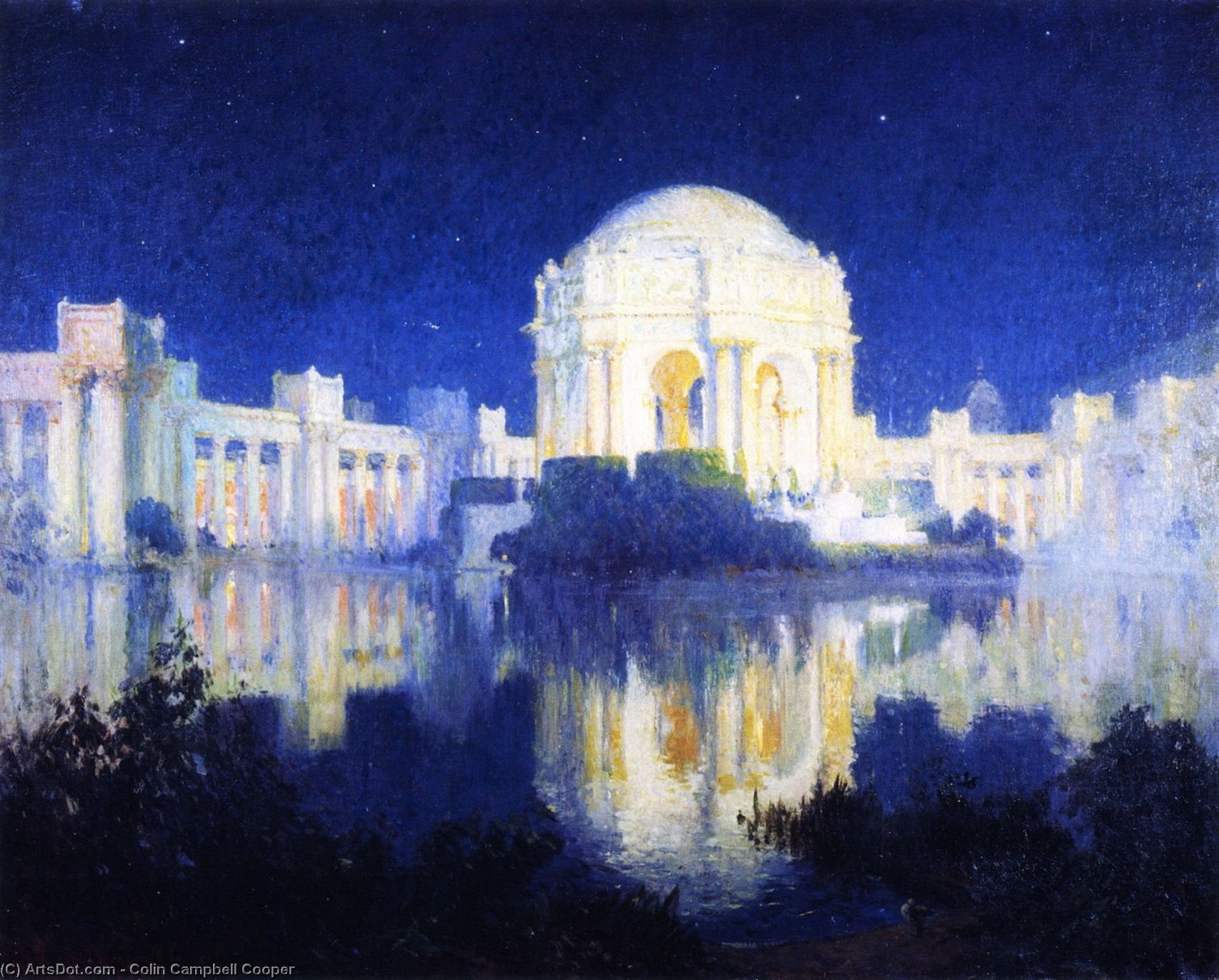
Palace of Fine Arts, San Francisco


 Weiterlesen
Giclée / Kunstdruck
Giclée- oder Leinwanddruck in Museumsqualität mit schneller Produktion und flexiblen Veredelungsoptionen. ( Handgemalte Reproduktion bestellen Bild kaufen)




P118B $10

P118H $10

P118W $10

P438Z $10

P508JH $12

P508YH $12

P805H $10

P805Z $10

P919BZ $10

P919G $10

P919XJ $10

P959ZH $10

P968JZ $12

W106C $8

W218G $10

W218JH $8

W218Y $10

W307PJ $10

W316G $10

W316PJ $8

W316Y $10

W398PJ $8

W4111J $10

W500HY $15

W500JH $15

W692G $12

W849H $8

W940BG $15

W953PJ $8




Wählen Sie aus unseren vordefinierten Formaten, die den ursprünglichen Proportionen des Kunstwerks entsprechen.

Sie können Ihre eigenen Maße eingeben, um ein bestimmtes Format oder einen speziellen Platz einzupassen. Wenn das von Ihnen gewählte Format nicht den Proportionen des Originalbildes entspricht, werden wir das Kunstwerk entweder beschneiden oder das Bild mit einem gespiegelten oder einfarbigen Rand erweitern. Ein digitaler Entwurf wird Ihnen zur Genehmigung zugesandt, bevor die Produktion beginnt.
Bitte beachten Sie, dass die Vorschau auf dem Bildschirm nicht den tatsächlichen Zuschnitt oder die Erweiterung widerspiegelt. Nur der Entwurf zeigt die endgültige Komposition präzise an.
Obwohl Sondermaße verfügbar sind, empfehlen wir die Auswahl eines Maßes aus der vordefinierten Liste, um die ursprünglichen Proportionen zu bewahren.
Weltweiter Versand () innerhalb von 2 Wochen statt der üblichen 4/5 Wochen. (24 August)

Kostenloser weltweiter Expressversand

Hochwertige Leinenleinwand

Umfassender Versicherungsschutz beim Versand

Zollgebühren-Rückerstattungsgarantie

Garantie für exakte Farbtreue

60 Tage Rückgaberecht (nur bei Mängeln)

100% Geld-zurück-Garantie

Mengenrabatt verfügbar
 Die Glasoption ist nur für Größen unter 110 cm verfügbar.

Palace of Fine Arts, San Francisco
Giclée / Kunstdruck
Format der Reproduktion
-


Gesamtpreis
$ 62
Sammlerstück-Beschreibung
A Vision of Tranquility: Colin Campbell Cooper’s Palace of Fine Arts
The painting “Palace of Fine Arts, San Francisco” by Colin Campbell Cooper Jr., completed in 1916, transcends mere representation; it embodies a profound yearning for harmony between nature and architectural grandeur. More than just a depiction of the iconic building itself—a bold experiment in concrete construction designed for the Panama–Pacific International Exposition—the artwork speaks to Cooper’s masterful ability to capture the ethereal beauty of twilight and convey a sense of contemplative serenity. Located at the Crocker Art Museum in Sacramento, this piece stands as a testament to Cooper's distinctive Impressionist style and his unwavering dedication to portraying the sublime.- Style: Cooper’s approach firmly rooted in Impressionism distinguishes itself from academic realism. He eschewed meticulous detail, prioritizing instead the fleeting effects of light and atmosphere—a technique championed by artists like Monet and Sisley—to imbue the scene with an emotional resonance that surpasses literal accuracy.
- Technique: Cooper employed oil paints on canvas, applying them in loose brushstrokes to achieve a textured surface that captures the subtle nuances of color and luminescence. The artist skillfully blended hues to create a harmonious palette dominated by warm tones—ochres, siennas, and reds—reflecting the golden glow of dusk filtering through the towering edifice.
- Historical Context: Created during the fervor surrounding the 1915 Exposition, “Palace of Fine Arts” reflects the optimism and ambition characteristic of the era. The Exposition aimed to showcase America’s industrial prowess and artistic achievements on a global stage, and Cooper's painting served as an embodiment of this vision—a celebration of innovation alongside reverence for natural beauty.
- Artist’s Vision: Colin Campbell Cooper Jr., deeply influenced by Thomas Eakins' emphasis on anatomical precision and direct observation, sought to capture the sublime—the awe-inspiring grandeur of nature—through Impressionistic brushstrokes.
- Related Artwork: Explore other masterpieces by Elmer Bischoff, a fellow artist from the San Francisco Bay Area who participated in the Postwar Generation movement, at ArtsDot.com for comparable artistic explorations.
Ähnliche Kunstwerke

Über den Künstler
Frühes Leben und Ausbildung
- Geboren: Philadelphia, Vereinigte Staaten von Amerika (1856)
- Gestorben: 1937
- Colin Campbell Cooper Jr. wurde in eine wohlhabende Familie mit englisch-irischen Wurzeln geboren. Sein Vater war Chirurg und Anwalt, seine Mutter Amateurmalerin.
- Er ließ sich von der Kunst inspirieren, die er auf der Philadelphia Exposition von 1876 sah.
- 1879 schrieb sich Cooper an der Pennsylvania Academy of the Fine Arts ein und studierte drei Jahre lang unter Thomas Eakins.
- Er vertiefte seine Ausbildung an der Académie Julian und Académie Delacluse in Paris (1886-1890) und studierte dort bei Bouguereau und Lefebvre.
Künstlerische Entwicklung und Einflüsse
- Seine frühen Werke bestanden hauptsächlich aus Landschaften, die im Barbizon-Stil gemalt wurden.
- Er reiste sein Leben lang ausgiebig und fertigte Skizzen und Gemälde von Szenen in Europa, Asien und den Vereinigten Staaten an.
- Ein Brand zerstörte 1896 viele von Coopers frühen Gemälden.
- Sein Stil entwickelte sich zum amerikanischen Impressionismus, was besonders in seinen architektonischen Gemälden deutlich wird.
- Einflüsse umfassen Thomas Eakins (für anatomische Studien), Landschaftsmaler der Barbizon-Schule und die breiteren Trends des europäischen Impressionismus.
Wichtige Errungenschaften und charakteristischer Stil
- Wolkenkratzer-Gemälde: Cooper erlangte Bekanntheit für seine Darstellungen von Wolkenkratzern in New York City, Philadelphia und Chicago. Diese Gemälde fingen den Dynamismus und die Moderne des Stadtlebens ein.
- Architektonischer Fokus: Er konzentrierte sich einzigartig auf architektonische Themen, insbesondere hohe Gebäude, was ihn von Zeitgenossen wie Childe Hassam unterschied.
- Impressionistische Technik: Seine Verwendung von Licht und Atmosphäre in impressionistischer Weise schuf lebendige und eindrucksvolle Stadtlandschaften.
- Broad Street, New York (1902) brachte ihm den W. T. Evans Award der New York Watercolor Club ein.
- Die französische Regierung kaufte Fifth Avenue, New York für das Musée du Luxembourg.
Späteres Leben und Vermächtnis
- Er unterrichtete Aquarellkurse und architektonisches Zeichnen am Drexel Institute of Art, Science and Industry (heute Drexel University).
- Er heiratete 1897 Emma Lampert Cooper, ebenfalls Malerin.
- 1904 zog er nach New York City.
- 1921 zog er nach Santa Barbara, Kalifornien, wo er Dekan der Santa Barbara School for the Arts wurde.
- Coopers Werk gilt als bedeutend für seine Feier der modernen Stadtarchitektur und seinen Beitrag zum amerikanischen Impressionismus. Er half dabei, eine visuelle Sprache zu definieren, um die sich schnell verändernde Skyline des frühen 20. Jahrhunderts darzustellen.
Historische Bedeutung
- Feier der Moderne: Coopers Gemälde fingen die Aufregung und den Optimismus rund um das Aufkommen von Wolkenkratzern und dem modernen Stadtleben ein.
- Amerikanischer Impressionismus: Er gilt als eine wichtige Figur des amerikanischen Impressionismus, insbesondere aufgrund seines einzigartigen Fokus auf architektonische Themen.
- Einfluss auf die Stadtkunst: Seine Arbeit beeinflusste nachfolgende Generationen von Künstlern, die Stadtlandschaften darstellten.
- The New York Times erklärte ihn zum "Wolkenkratzer-Künstler par excellence Amerikas".
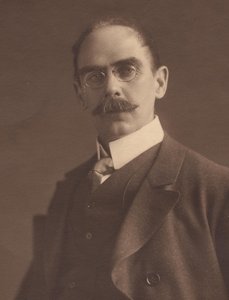
Colin Campbell Cooper
1856 - 1937 , Vereinigte Staaten von Amerika
Kurzinfos
- Beeinflusste Künstler: ['Thomas Eakins']
- Bemerkenswerte Werke:
- Hudson River Waterfront
- Lower Broadway in Wartime
- New York from Brooklyn
- Geburtsdatum: 8. März 1856
- Geburtsort: Philadelphia, USA
- Künstlerische Richtung: Impressionismus
- Nationalität: Amerikanisch
- Todatum: 6. November 1937
- Vollständiger Name: Colin Campbell Cooper Jr.
- Von Künstlern Beeinflusst: ['Barbizon Schule']
Ähnliche Artikel

Giclée Prints: Archival Quality & Aesthetic Nuances for the Discerning Collector
Explore the world of giclée prints with ArtsDot. Learn about archival quality, aesthetic nuances & investment potential. Expert guidance for discerning art collectors seeking museum-quality reproductions and lasting value.

The Enduring Legacy of Fine Art Prints: Technique, History & Aesthetic Impact
Explore the rich history & techniques of fine art prints. Discover investment potential, assess authenticity, and learn how to preserve your collection with expert guidance. Trusted insights for discerning collectors.

Echoes of Time: Exploring the Enduring Appeal & Historical Context of Vintage Art Prints
Explore the captivating world of vintage art prints! Discover their history, collecting tips & enduring appeal. Expert insights on chromolithography and building a legacy collection with ArtsDot.
Impressionistic Realism's Finest: 10 Masterpieces for Your Home | ArtsDot
Journey through Impressionistic Realism with 10 iconic masterpieces by Monet, Renoir & Van Gogh. Explore art history, techniques & find museum-quality reproductions for your home at ArtsDot.com. Discover all masterpieces online!
Impressionistische Landschaften: Die 10 Meisterwerke, die eine Kunstrichtung prägten | ArtsDot
Entdecken Sie die 10 Meisterwerke des Impressionismus! Von Monet bis Van Gogh – erleben Sie die Geschichten hinter berühmten Landschaftsbildern. Hochwertige Kunst Reproduktionen für Ihr Zuhause auf ArtsDot.com.