

 Vorschau anzeigen
 Versenden
 Teilen
 Details anzeigen

 Herunterladen
 Ähnliche Objekte
 Röntgenaufnahme
 Diashow
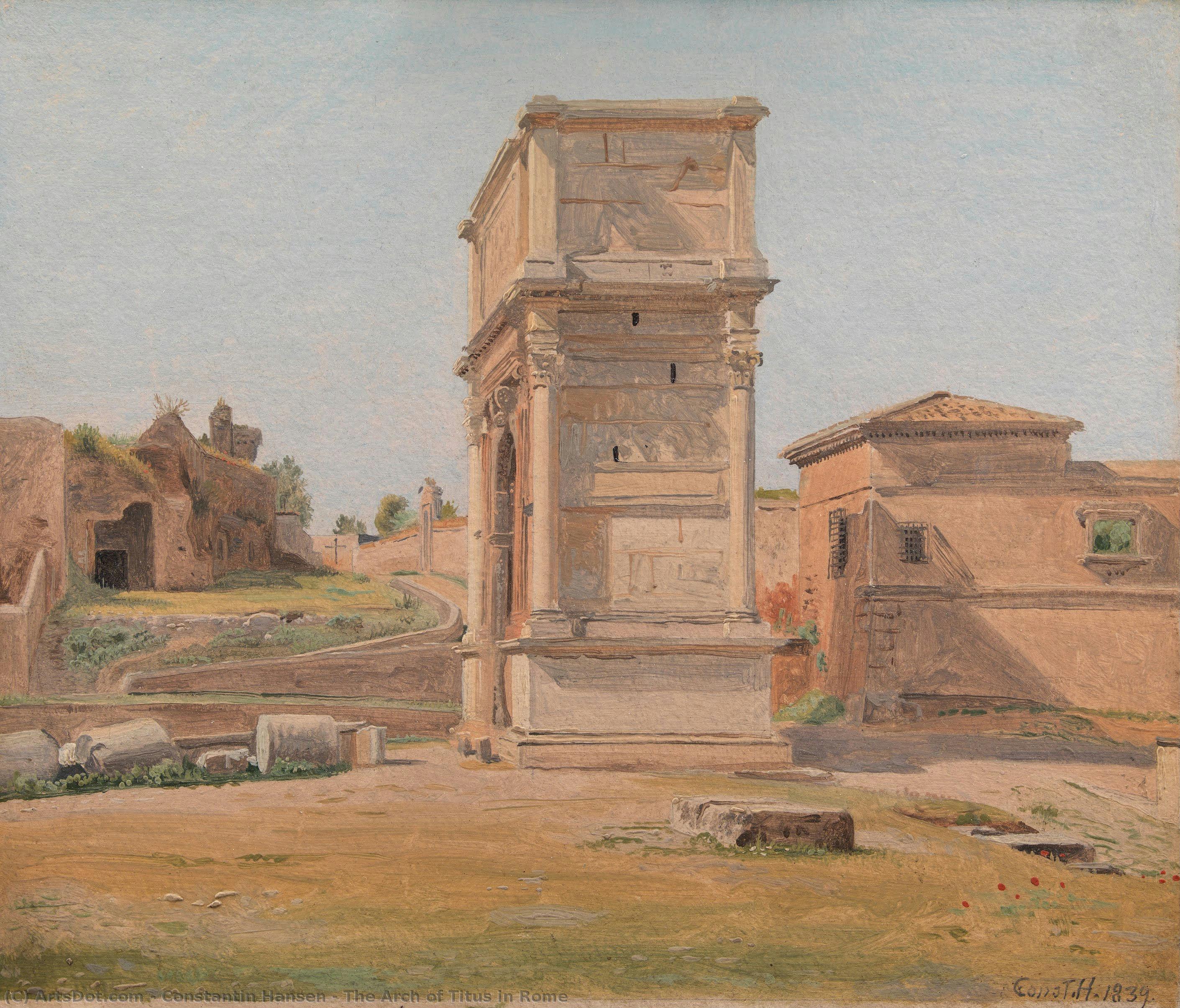
The Arch of Titus in Rome
 Oil On Canvas
- WallArt
 1839
1839 29.0 x 24.0 cm
 Nationalgalerie Dänemark
 Weiterlesen
Erwerben Sie ein hochauflösendes, optimiertes digitales Bild, das der Online-Vorschau weit überlegen ist.
Jede Datei wird von unseren hauseigenen Spezialisten mit modernsten Werkzeugen und fachmännischer manueller Retusche sorgfältig vorbereitet. Wir stellen sicher, dass jedes Bild eine außergewöhnliche Klarheit, präzise Farbgenauigkeit und feinste Details aufweist.
Die endgültige Datei wird innerhalb von 72 Stunden per E-Mail zugestellt und ist für den sofortigen Einsatz in professionellen, redaktionellen und Druckumgebungen optimiert. Es handelt sich um dieselbe Qualität, der führende Designstudios, Verlage und Galerien vertrauen.
Digitales Bild
Laden Sie eine hochauflösende Datei für die persönliche Präsentation, den Druck und kreative Projekte herunter. ( Druck bestellen Handgemalte Reproduktion bestellen)
In jeder Bestellung digitaler Bilder enthalten
Professionelle digitale Bereitstellung, garantiert
Wenn Sie sich für ArtsDot.com entscheiden, erhalten Sie nicht nur ein Bild – Sie erhalten ein professionell aufbereitetes digitales Kunstwerk, das mit höchster Präzision erstellt und durch eine Zufriedenheitsgarantie abgesichert wird. Hier ist alles, was automatisch mit Ihrer Bestellung geliefert wird:

Schnelle E-Mail-Zustellung
Ihre hochauflösende digitale Bilddatei wird Ihnen innerhalb von 72 Stunden nach der Bestellung per E-Mail zugestellt – bereit zur sofortigen Verwendung.

KI-optimierte digitale Datei
Ihre Kunstwerke werden professionell mithilfe fortschrittlicher KI-Tools und manueller Bearbeitung optimiert, um maximale Detailtreue, Klarheit und Farbgenauigkeit zu gewährleisten.

Lebenslanger kostenloser Neudruckservice
Datei versehentlich gelöscht oder verloren? Keine Sorge – wir senden sie Ihnen jederzeit kostenlos erneut zu.

Keine Einfuhrgebühren – jemals
Genießen Sie Ihr Kunstwerk sofort ohne Zollgebühren, Einfuhrabgaben oder Versandkosten – digitale Downloads sind immer steuerfrei.

Garantierte Farbtreue
Wir garantieren, dass Ihr digitales Bild mithilfe professioneller Werkzeuge und Farbmanagement die Originalfarben so präzise wie möglich wiedergibt.

100-Tage-Zufriedenheitsgarantie
Sollten Sie mit Ihrem digitalen Bild nicht zufrieden sein, werden wir es überarbeiten oder Ihnen innerhalb von 100 Tagen 100% erstatten – ohne Wenn und Aber.

100% Geld-zurück-Garantie
Nicht zufrieden? Erhalten Sie innerhalb von 100 Tagen nach Erhalt Ihrer digitalen Datei eine vollständige Rückerstattung – ohne Angabe von Gründen.

Rabatte bei Großbestellungen
3 Bilder kaufen, 10% sparen – 5 Bilder kaufen, 15% sparen – Ab 10 Bildern 20% sparen. Ideal für kreative Projekte, Galerien und Agenturen.
A Moment Frozen in Roman Light: Constantin Hansen’s Study of the Arch of Titus
- Provenance: 1839, Oil on Canvas, 29 x 24 cm
- Artist: Constantin Hansen (1804-1880) – A Pioneer of Danish Romanticism
- Description: This captivating artwork offers a rare glimpse into the creative process of Constantin Hansen, one of Denmark’s most significant artists. Painted during a period of intense experimentation and artistic exploration, it presents a compelling study of the Arch of Titus in Rome – not as a conventional tourist view, but as a deeply personal investigation of form, light, and color.
Unconventional Perspective: Breaking with Tradition
Constantin Hansen’s approach to this subject is strikingly unconventional. Rather than depicting the Arch of Titus from its formal front elevation, he chooses a side view, dramatically shortening the façade and creating a dynamic sense of space. This deliberate distortion immediately signals a departure from the academic conventions prevalent at the time. The artist's intention was clearly not to create a faithful representation for travel or documentation; instead, it served as a crucial study for his own artistic development. This bold choice reflects Hansen’s desire to challenge established norms and explore new avenues of expression – a characteristic that would become increasingly important in his later work.Eckersberg's Influence and a Radical Shift
The painting reveals the profound influence of C.W. Eckersberg, Hansen’s influential teacher, particularly in its architectural studies. However, Hansen transcends Eckersberg’s meticulous realism, pushing the subject matter into a realm of heightened emotional intensity. He dismantles the traditional association between architecture and its symbolic function, presenting the Arch of Titus as an object of pure visual experience. This radical shift foreshadows the burgeoning Impressionist movement, thirty years later, with its focus on capturing fleeting moments of light and color.A Symphony of Light and Shadow: Technique and Color
The remarkable treatment of color is a defining feature of this artwork. Hansen demonstrates an extraordinary sensitivity to the delicate interplay of sunlight and shadow, meticulously rendering the subtle hues that shift across the stone surfaces. This masterful use of light not only creates a sense of realism but also imbues the scene with a palpable atmosphere – a testament to Hansen’s burgeoning understanding of color theory. The artist's exploration of chromatic effects anticipates the techniques employed by Impressionist painters, solidifying his position as a visionary ahead of his time. The painting’s subdued palette and nuanced shading evoke a sense of quiet contemplation and timeless beauty.Symbolism and Emotional Resonance
Beyond its technical brilliance, the artwork possesses a subtle emotional resonance. The solitary figure observing the Arch of Titus adds an element of human scale to the monumental structure, inviting viewers to contemplate their own relationship with history, architecture, and the passage of time. The scene evokes a sense of awe and wonder at the enduring legacy of Roman civilization, while simultaneously highlighting Hansen’s artistic ambition and his willingness to push boundaries. This piece is more than just a depiction of an ancient monument; it's a meditation on art itself – its purpose, its power, and its ability to transcend time.Ähnliche Kunstwerke



Biografie des Künstlers
Early Life and Training
Constantin Hansen (1804 – 1880) was born in Rome, Italy, the son of portrait painter Hans Hansen (1769–1828). His father’s artistic lineage instilled a deep appreciation for visual art from an early age. Constanze Mozart, Wolfgang Amadeus Mozart's widow and godmother, played a pivotal role in his christening, honoring Mozart’s legacy—a connection that would resonate throughout Hansen’s life and career. Shortly after his birth, the family relocated to Vienna, where Hans Hansen continued his artistic pursuits. The young Hansen received his initial education at the Imperial Academy of Fine Arts in Vienna, honing his skills under influential instructors. His formative years were marked by exposure to Viennese artistic culture and intellectual discourse—a backdrop that profoundly shaped his aesthetic sensibilities. A significant familial tragedy struck when Hansen’s parents succumbed to typhus around 1828, leaving him as the sole caregiver for his younger sisters. This responsibility instilled a sense of practicality alongside an unwavering dedication to artistic pursuits. Recognizing the importance of financial stability, Hansen transitioned from architecture—a field he initially explored—to painting, securing commissions that allowed him to support his family and pursue his creative ambitions simultaneously.Artistic Career
Hansen’s artistic journey truly blossomed under the tutelage of Christoffer Wilhelm Eckersberg in Copenhagen, commencing in 1828. Eckersberg, a celebrated Danish Romantic painter and art historian, championed Hansen's talent and instilled in him a passion for capturing the grandeur of Norse mythology—a fascination that would become central to Hansen’s artistic vision. Inspired by Eckersberg’s teachings, Hansen embarked on ambitious projects aimed at elevating Danish art history through monumental paintings imbued with symbolic meaning. His early works demonstrated an acute understanding of tonal painting and compositional balance—techniques honed during his formative years and subsequently applied throughout his prolific career. Hansen's meticulous attention to detail and masterful brushwork earned him recognition as one of Denmark’s foremost portrait painters, securing commissions from prominent figures across society. He skillfully rendered the psychological complexities of his subjects, conveying emotion and character with remarkable precision.Travel and Inspiration
Between 1835 and 1837, Hansen undertook a transformative journey abroad—a period that profoundly impacted his artistic development. Supported by a stipend granted by the Danish Royal Academy, he traversed Europe, immersing himself in the artistic milieu of Berlin, Dresden, Prague, Nuremberg, and Munich. These travels exposed him to diverse artistic styles and traditions, broadening his intellectual horizons and enriching his creative repertoire. Notably, Hansen spent time in Italy, where he encountered Bertel Thorvaldsen—a fellow Dane and sculptor who had established a studio in Rome—and fostered a collaborative relationship that would yield significant artistic results. The Italian experience ignited Hansen’s imagination and fueled his fascination with classical sculpture and architectural grandeur—influences that permeated his subsequent paintings and decorative projects. He meticulously studied the works of Michelangelo and Raffaello, absorbing their techniques and stylistic principles—a testament to his unwavering commitment to artistic excellence.Notable Works and Legacy
Hansen's artistic legacy extends beyond individual masterpieces; it encompasses a profound contribution to Danish cultural heritage. His monumental painting *The Constitutional Assembly* (Den grundlovgivende Rigsforsamling), completed between 1861 and 1865, stands as an emblem of Denmark’s liberal ideals—a testament to his ability to convey complex historical narratives through evocative imagery. The painting captures the solemn atmosphere of the assembly hall and portrays key figures involved in Denmark's constitutional reform—a scene rendered with breathtaking realism and imbued with symbolic significance. Furthermore, Hansen’s decoration of Frederiksborg Palace—commissioned by Queen Louise—demonstrates his mastery of decorative painting techniques and his understanding of architectural aesthetics. He skillfully blended mythological motifs with classical ornamentation—creating a harmonious ensemble that reflects the grandeur of Danish royal patronage. His work at Christiansborg Palace—particularly the vestibule adorned with sculptures depicting Norse gods—solidifies his reputation as Denmark’s foremost sculptor and reinforces his commitment to preserving national artistic traditions. Constantin Hansen's enduring influence on Danish art history is undeniable—his paintings continue to inspire admiration for their beauty, precision, and emotional depth. He remains a cornerstone of the Golden Age of Danish Painting—a period characterized by artistic innovation and intellectual fervor—and his legacy continues to resonate within the realm of visual culture today.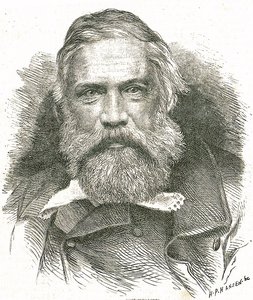
Konstantin Hansen
1804 - 1880 , Italien
Kurzinfos
- Artistic Movement Or Style: Goldenes Zeitalter der dänischen Malerei
- Artists Or Movements Influenced By This Artist: ['Bertel Thorvaldsen']
- Artists Who Influenced This Artist: ['Christoffer Wilhelm Eckersberg']
- Date Of Birth: 3. November 1804
- Date Of Death: 29. März 1880
- Full Name: Constantin Hansen
- Nationality: Dänisch
- Notable Artworks:
- Ein Gesellschaft von dänischen Künstlern in Rom
- Porträt Frederikke Vilhelmine Hage, née Faber
- Place Of Birth: Rom, Italien