

 Versenden
 Teilen
 Details anzeigen

 Herunterladen
 Ähnliche Objekte
 Diashow
 Statistiken
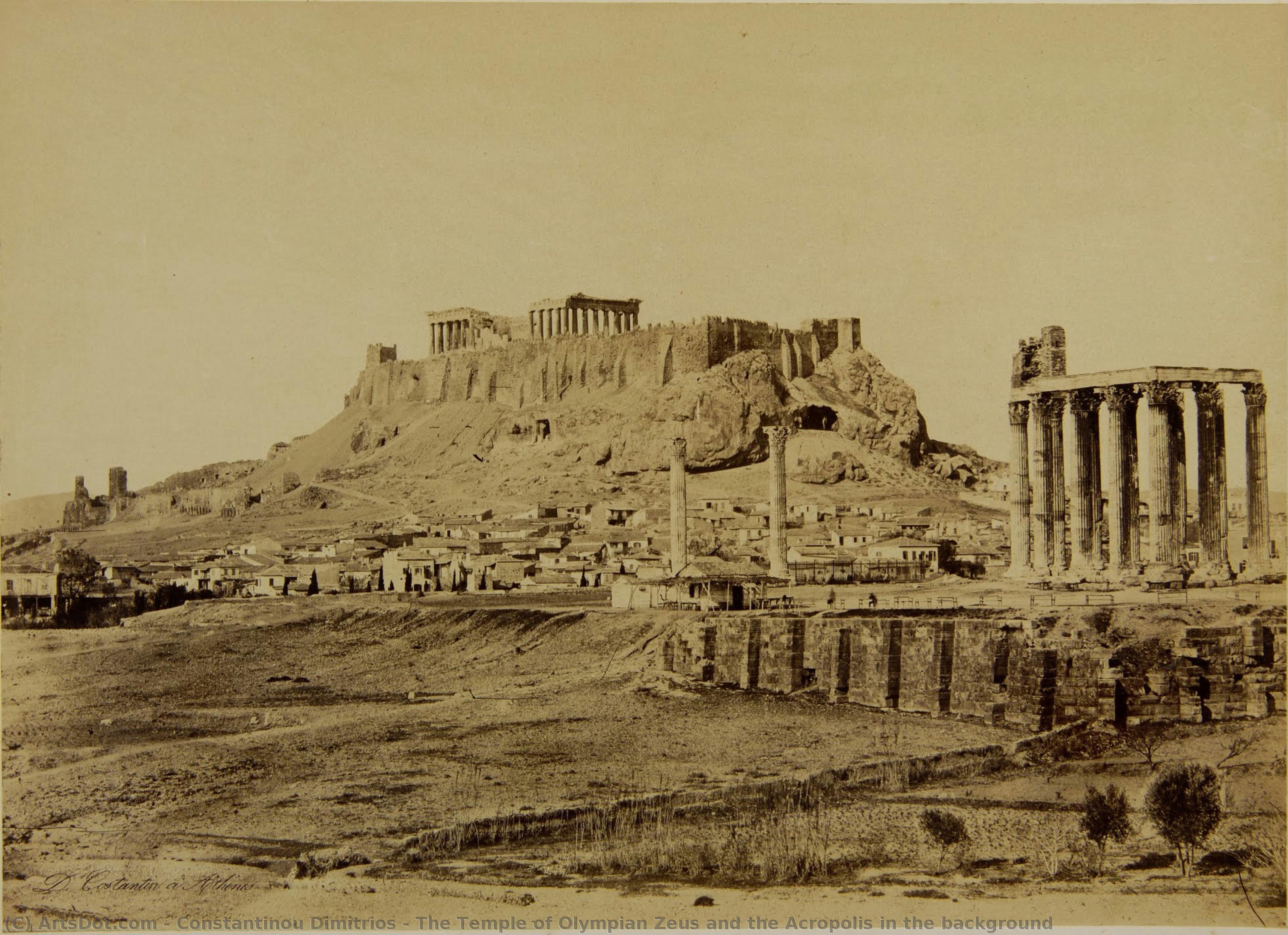
The Temple of Olympian Zeus and the Acropolis in the background
 Black and White Photography
- Photo
 1865
1865- 19th Century
 382.0 x 280.0 cm
 Benaki Museum der griechischen Zivilisation
 Weiterlesen
Giclée / Kunstdruck
Giclée- oder Leinwanddruck in Museumsqualität mit schneller Produktion und flexiblen Veredelungsoptionen. ( Handgemalte Reproduktion bestellen Zum digitalen Bild wechseln)




































Wählen Sie aus unseren vordefinierten Formaten, die den ursprünglichen Proportionen des Kunstwerks entsprechen.

Sie können Ihre eigenen Maße eingeben, um ein bestimmtes Format oder einen speziellen Platz einzupassen. Wenn das von Ihnen gewählte Format nicht den Proportionen des Originalbildes entspricht, werden wir das Kunstwerk entweder beschneiden oder das Bild mit einem gespiegelten oder einfarbigen Rand erweitern. Ein digitaler Entwurf wird Ihnen zur Genehmigung zugesandt, bevor die Produktion beginnt.
Bitte beachten Sie, dass die Vorschau auf dem Bildschirm nicht den tatsächlichen Zuschnitt oder die Erweiterung widerspiegelt. Nur der Entwurf zeigt die endgültige Komposition präzise an.
Obwohl Sondermaße verfügbar sind, empfehlen wir die Auswahl eines Maßes aus der vordefinierten Liste, um die ursprünglichen Proportionen zu bewahren.
Weltweiter Versand () innerhalb von 2 Wochen statt der üblichen 4/5 Wochen. (10 September)

Kostenloser weltweiter Expressversand

Hochwertige Leinenleinwand

Umfassender Versicherungsschutz beim Versand

Zollgebühren-Rückerstattungsgarantie

Garantie für exakte Farbtreue

100-Tage-Rückgaberecht (nur bei Mängeln)

100% Geld-zurück-Garantie

Mengenrabatt verfügbar
 Die Glasoption ist nur für Größen unter 110 cm verfügbar.

The Temple of Olympian Zeus and the Acropolis in the background
Giclée / Kunstdruck
Format der Reproduktion
-


Gesamtpreis
$ 62
A Window into Antiquity: The Majesty of Athens
In this breathtaking monochrome capture from 1865, time seems to suspend its forward march, allowing the viewer to step directly into the heart of classical antiquity. The photograph presents a profound dialogue between the monumental ruins of the Temple of Olympian Zeus and the iconic silhouette of the Acropolis rising in the distance. Through the lens of mid-19th-century photography, we are not merely looking at stone and marble; we are witnessing the enduring spirit of Greece. The stark contrast of the black and white medium strips away the distractions of modern color, focusing our gaze entirely on the textures of weathered stone, the play of light across ancient columns, and the hauntingly beautiful interplay of shadow and depth that defines this historical landscape.
The composition is masterfully balanced, offering a sense of scale that is both humbling and awe-inspiring. In the foreground and midground, the presence of figures—travelers and workers caught in a moment of quiet existence—provides a vital human connection to the colossal architecture. These fleeting silhouettes serve as a poignant reminder of the continuity of human life amidst the permanence of ruins. Even more enchanting is the subtle inclusion of a horse on the periphery, a ghostly remnant of an era when animal power was the heartbeat of movement, adding a layer of pastoral nostalgia to the grand architectural narrative.
The Art of the Monochrome: Texture and Timelessness
For the discerning collector or interior designer, this piece offers much more than a historical record; it is a study in tonal elegance. The absence of color emphasizes the structural integrity of the Temple of Olympian Zeus, highlighting the rhythmic patterns of its Corinthian columns and the rugged topography of the Athenian landscape. This monochromatic approach creates a sophisticated aesthetic that integrates seamlessly into diverse interior styles, from the minimalist grandeur of a modern gallery to the rich, layered textures of a classical study or a traditional library.
The emotional impact of this work lies in its ability to evoke a sense of "sehnsucht"—a profound longing for a lost era. There is a quiet dignity in the way the light hits the Acropolis, casting it as a celestial crown over the city below. As a high-quality reproduction, this artwork serves as a powerful focal point, inviting contemplation on the themes of decay, resilience, and the eternal beauty of human achievement. It is an invitation to bring the weight of history and the grace of classical heritage into the contemporary living space, creating an atmosphere of intellectual depth and timeless sophistication.
Ähnliche Kunstwerke





Über den Künstler
early life and education
Constantinou Dimitrios, born in Alexandria, Egypt, in 1924, emerged from a Greek Cypriot family steeped in artistic tradition. Recognizing the burgeoning influence of European avant-garde movements during his formative years, Dimitrios embarked on an intellectual journey dedicated to aligning his creative endeavors with groundbreaking artistic concepts. His academic pursuits centered around mastering artistic metalwork at the Italian Technical School Don Bosco in Cairo—a pivotal decision that would define his lifelong vocation and propel him toward a singular artistic path. This foundational training instilled within him not only technical proficiency but also a profound understanding of modernist aesthetics, shaping his subsequent explorations of form and materiality.artistic career and notable works
Dimitrios’s sculptural output stands as testament to his unwavering commitment to innovation and stylistic experimentation. His creations grace the collections of prestigious institutions such as the National Gallery in Athens and the Alpha C.K Art Gallery in Cyprus—institutions that recognize the enduring value of his artistic vision. His distinctive oeuvre embodies a harmonious blend of Cypriot and Egyptian cultural influences, establishing him as an exceptional figure within the regional art landscape. Dimitrios’s sculptures are celebrated for their meticulous craftsmanship and conceptual depth, reflecting his mastery of metalworking techniques and his ability to convey complex ideas through geometric forms. Among his most acclaimed works are “The Temple of Olympian Zeus and the Acropolis,” monumental pieces that capture the grandeur of ancient Greek architecture and symbolize resilience against time.artistic style and influences
Constantinou Dimitrios distinguished himself as a pioneer in metalwork artistry, consistently pushing the boundaries of conventional methods—a characteristic that underscored his avant-garde perspective. He meticulously honed his skills, experimenting with innovative techniques that mirrored his artistic philosophy. His sculptural explorations drew inspiration from European modernist masters such as Alberto Giacometti and Julio Gonzalez—artists who championed simplicity of form and emotional resonance. Dimitrios’s fascination with movement manifested in his “mobiles”—kinetic sculptures composed of interconnected geometric shapes suspended in space—a stylistic choice directly influenced by Alexander Calder and Marcel Duchamp, figures who revolutionized artistic expression through their embrace of chance and abstraction. These mobiles exemplify Dimitrios's commitment to capturing the ephemeral qualities of existence while simultaneously engaging viewers in an interactive dialogue with art.legacy and remembrance
Constantinou Dimitrios passed away peacefully in 2010, leaving behind a legacy that continues to inspire aspiring artists across Cyprus and beyond. His contributions to Cypriot sculpture are commemorated through exhibitions and scholarly analyses—a testament to his enduring influence on the artistic heritage of his homeland. Dimitrios’s unwavering dedication to metalworking artistry cemented his place as one of the foremost sculptors of his generation, securing his reputation as a visionary artist who dared to challenge conventions and forge new paths in sculptural expression. His work remains an emblem of Cypriot creativity—a source of inspiration for future generations of artists eager to honor his pioneering spirit.related artworks and artists on ArtsDot.com
- painting by ‘hamed saeed nada’ | reflecting the diversity of middle eastern art, this piece showcases a different facet of regional creativity.
- esmat dawastashy | an egyptian artist known for his work ‘sad egypt’, utilizing wood as his medium.
further reading and exploration
For a deeper understanding of Constantinou Dimitrios’s artistic journey and the broader context of Cypriot sculpture, consult scholarly publications examining his oeuvre—a valuable resource for art historians and enthusiasts alike. Explore exhibitions showcasing his sculptures at prominent museums throughout Europe—opportunities to immerse oneself in the beauty and intellectual rigor of his artistic vision. Delve into biographical accounts detailing his formative years and artistic development—illuminating the influences that shaped his distinctive style and propelled him toward international recognition.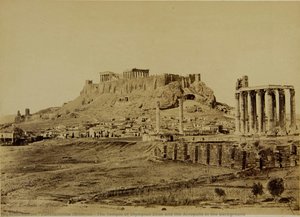
Constantinou Dimitrios
1924 - 2010 , エジプト
Kurzinfos
- Artistic Movement Or Style: Avant-garde Metalwork
- Artists Or Movements Influenced By This Artist: ['Minimalist Art']
- Artists Who Influenced This Artist:
- Alberto Giacometti
- Julio Gonzalez
- Date Of Birth: 1924
- Date Of Death: 2010
- Full Name: Constantinou Dimitrios
- Nationality: Greek Cypriot
- Notable Artworks: ['The Temple of Olympian Zeus and the Acropolis']
- Place Of Birth: Alexandria, Egypt
Ähnliche Artikel

Meisterwerke in Schwarz: Die 10 berühmtesten Gemälde mit Elfenbeinsschattierungen |
Entdecken Sie die düsteren Schönheiten der Kunst! Unsere Top 10 Gemälde dominieren durch Elfenbeinschwarz – von Rembrandt bis Goya. Erfahren Sie mehr über Künstler, Techniken & Bedeutung. Hochwertige Reproduktionen auf

Hubert Robert und die Romantik der Ruinen: Eine Studie zur künstlerischen Innovation und Antikenbegeisterung
Entdecken Sie die faszinierende Welt von Hubert Robert und seiner Ruinenmalerei! Expertenanalyse zu Techniken, Motiven & Investitionspotenzial für anspruchsvolle Kunstsammler. ArtsDot bietet hochwertige Reproduktionen.
Die Top 10 Gemälde der Kunstgeschichte – Dominiert von tiefem Schwarz
Entdecken Sie die Top 10 Gemälde, die von tiefem Schwarz und dramatischer Atmosphäre geprägt sind. Von Caravaggio bis Manet – Kunstgeschichte erleben & hochwertige Reproduktionen auf finden! Jetzt entdecken.

Die Top 10 berühmter Gemälde im Reich der dunklen Töne |
Entdecken Sie die Top 10 berühmter Gemälde, beherrscht von dunklen Tönen! Von Caravaggio bis Manet – erfahren Sie die Geschichten hinter Meisterwerken der Kunstgeschichte. Finden Sie Ihre perfekte Reproduktion auf .
Meisterwerke der Dunkelheit: 10 berühmte Gemälde im Lampenschwarzton |
Entdecken Sie 10 berühmte Gemälde, die von Lampenschwarz und düsterer Schönheit geprägt sind. Von Rembrandt bis Caravaggio – erleben Sie Kunstgeschichte neu! Hochwertige Reproduktionen & Inspiration für Ihr Zuhause auf .