 Vorschau anzeigen
 Versenden
 Teilen
 Details anzeigen

 Herunterladen
 Ähnliche Objekte
 Röntgenaufnahme
 Diashow
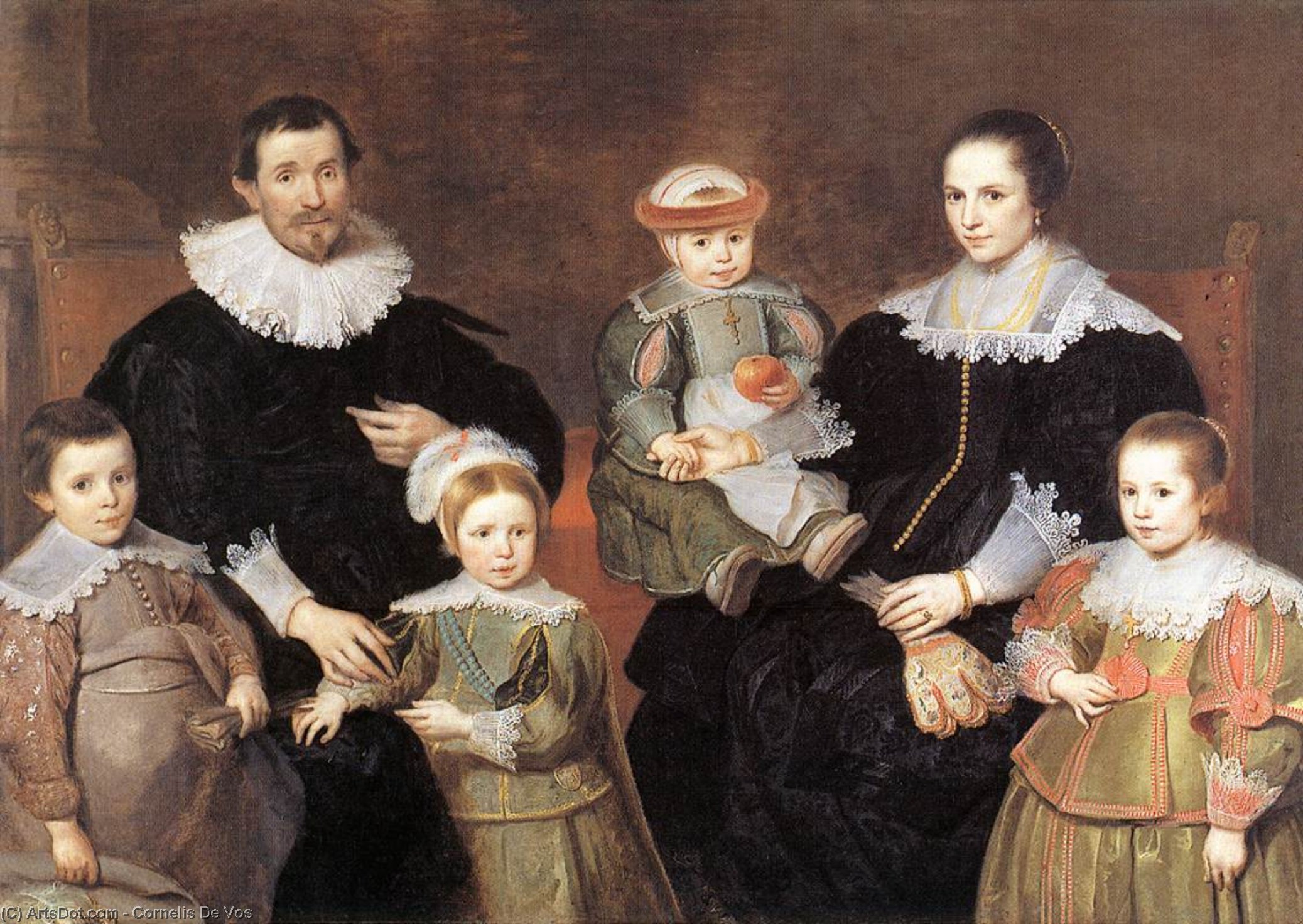
The Family of the Artist
 Oil On Canvas
- WallArt
- Flemish Baroque
 1630
1630 144.0 x 203.0 cm
 Museum Voor Schöne Künste
 Weiterlesen
Giclée / Kunstdruck
Giclée- oder Leinwanddruck in Museumsqualität mit schneller Produktion und flexiblen Veredelungsoptionen. ( Handgemalte Reproduktion bestellen Bild kaufen)




P118B $10

P118H $10

P118W $10

P438Z $10

P508JH $12

P508YH $12

P805H $10

P805Z $10

P919BZ $10

P919G $10

P919XJ $10

P959ZH $10

P968JZ $12

W106C $8

W218G $10

W218JH $8

W218Y $10

W307PJ $10

W316G $10

W316PJ $8

W316Y $10

W398PJ $8

W4111J $10

W500HY $15

W500JH $15

W692G $12

W849H $8

W940BG $15

W953PJ $8




Wählen Sie aus unseren vordefinierten Formaten, die den ursprünglichen Proportionen des Kunstwerks entsprechen.

Sie können Ihre eigenen Maße eingeben, um ein bestimmtes Format oder einen speziellen Platz einzupassen. Wenn das von Ihnen gewählte Format nicht den Proportionen des Originalbildes entspricht, werden wir das Kunstwerk entweder beschneiden oder das Bild mit einem gespiegelten oder einfarbigen Rand erweitern. Ein digitaler Entwurf wird Ihnen zur Genehmigung zugesandt, bevor die Produktion beginnt.
Bitte beachten Sie, dass die Vorschau auf dem Bildschirm nicht den tatsächlichen Zuschnitt oder die Erweiterung widerspiegelt. Nur der Entwurf zeigt die endgültige Komposition präzise an.
Obwohl Sondermaße verfügbar sind, empfehlen wir die Auswahl eines Maßes aus der vordefinierten Liste, um die ursprünglichen Proportionen zu bewahren.
Weltweiter Versand () innerhalb von 2 Wochen statt der üblichen 4/5 Wochen. (26 August)

Kostenloser weltweiter Expressversand

Hochwertige Leinenleinwand

Umfassender Versicherungsschutz beim Versand

Zollgebühren-Rückerstattungsgarantie

Garantie für exakte Farbtreue

60 Tage Rückgaberecht (nur bei Mängeln)

100% Geld-zurück-Garantie

Mengenrabatt verfügbar
 Die Glasoption ist nur für Größen unter 110 cm verfügbar.

The Family of the Artist
Giclée / Kunstdruck
Format der Reproduktion
-


Gesamtpreis
$ 62
Sammlerstück-Beschreibung
The Family Portrait of Cornelis de Vos: A Window into 17th-Century Antwerp
Cornelis de Vos’s “The Family of the Artist,” painted around 1630, is more than just a portrait; it's a meticulously crafted tableau offering a rare glimpse into the domestic life and social dynamics of 17th-century Antwerp. This remarkable painting, now housed in the Museum of Fine Arts Ghent (MSK), transcends the typical formality of courtly portraits, revealing a scene brimming with warmth, familial connection, and subtle yet significant details that speak volumes about its subjects’ status and values. De Vos, a master of Flemish portraiture, expertly captures not just likenesses but also an atmosphere of quiet dignity and understated elegance – hallmarks of his distinctive style. The composition itself is remarkably balanced, arranged around the central figures of the artist, Cornelis de Vos himself, his wife Susanna Cock, and their three children. The arrangement isn’t merely decorative; it subtly reinforces a hierarchical structure reflecting the social order of the time. The father, dressed in richly textured fabrics – a testament to his wealth and position – commands attention, while his family gathers around him, demonstrating filial piety and domestic harmony. Notice how each member is carefully positioned, creating a sense of depth and movement within the frame. The children, two boys and a girl, are rendered with an exceptional sensitivity for their age, capturing their youthful curiosity and innocence. The boy on the left, holding an apple – a symbol of knowledge and temptation – adds a layer of narrative complexity to the scene. De Vos’s technique is characterized by its remarkable realism and attention to detail. He employs a masterful use of light and shadow (chiaroscuro) to sculpt the figures, lending them volume and presence. The fabrics are rendered with astonishing accuracy, showcasing the artist's skill in capturing textures and folds. The subtle variations in color – from the deep reds and blues of the family’s clothing to the warmer tones of their skin – create a vibrant and engaging visual experience. Furthermore, De Vos’s use of oil paints allowed for layering and blending, creating a luminous quality that is particularly evident in the rendering of the children's faces. The painting’s overall effect is one of remarkable clarity and precision, reflecting the artist’s meticulous approach to his craft. Beyond its technical brilliance, “The Family of the Artist” offers valuable insights into the social customs and beliefs of Antwerp during the early 17th century. The clothing worn by the family – ruffled collars, lace cuffs, and elaborate embroidery – indicates their wealth and status. The inclusion of a book held by one of the boys suggests an emphasis on education and intellectual pursuits, reflecting the growing importance of literacy in this period. Interestingly, the two young boys are dressed identically, a common practice at that time due to the expense of tailoring separate garments for each child until they reached adolescence. This detail provides a charming glimpse into the practicalities of family life. The painting’s provenance – commissioned by Joris Vekemans, a wealthy merchant – further illuminates the context in which it was created and its intended purpose: to celebrate the family's prosperity and social standing. The historical significance of this work extends beyond its aesthetic qualities. De Vos’s collaboration with Rubens on the lavish decorations for the Spanish King Philip IV’s hunting pavilion at Torre de la Parada demonstrates his rising prominence within Antwerp’s artistic circles. His ability to seamlessly blend technical skill with a deep understanding of human psychology is evident in every brushstroke, solidifying his reputation as one of the most accomplished portraitists of his time. “The Family of the Artist” stands not only as a beautiful example of Flemish Baroque painting but also as a poignant reminder of the enduring power of art to capture and preserve moments of everyday life.A Reproduction Worth Considering
ArtsDot offers high-quality, hand-painted reproductions of Cornelis de Vos’s “The Family of the Artist,” meticulously crafted by skilled artists who understand the nuances of De Vos's style. These reproductions are available in a range of sizes and framing options to suit any interior design aesthetic. Choosing a reproduction allows you to bring this captivating work of art into your home, enjoying its beauty and historical significance without the expense or upkeep associated with an original. Each reproduction is created using archival-quality materials, ensuring that it will retain its vibrancy and detail for generations to come. Consider a hand-painted reproduction as a thoughtful gift – a timeless piece of art that speaks volumes about family, heritage, and artistic excellence.Ähnliche Kunstwerke
Über den Künstler
Cornelis de Vos: Ein bedeutender flämischer Porträtist
- Geboren: Antwerpen, Belgien (1585)
- Gestorben: 1651
Cornelis de Vos war ein bedeutender flämischer Maler, Zeichner und Kunsthändler der Barockzeit. Er ist besonders bekannt für seine einfühlsamen und aufschlussreichen Porträts, insbesondere solche, die Kinder und Familien darstellen, was ihn zu einem der führenden Porträtkünstler in Antwerpen machte. Obwohl er vor allem für Porträts berühmt ist, bewies er auch Geschicklichkeit in Geschichte-, Religions- und Genremalerei und arbeitete oft mit Peter Paul Rubens zusammen.
Frühes Leben und Ausbildung
Geboren in Hulst, nahe Antwerpen (heute Teil der niederländischen Provinz Zeeland), ist wenig über de Vos' frühe Kindheit bekannt. Seine Familie zog 1596 nach Antwerpen um. Er erhielt seine künstlerische Ausbildung unter David Remeeus (1559–1626), einem weniger bekannten Maler. Ab 1599 wurde er als Remeeus’ Schüler dokumentiert und diente ab 1604 seinem Hauptassistenten. Im Jahr 1604 beantragte de Vos die Erlaubnis des Antwerper Stadtrats, ins Ausland zu reisen, eine übliche Anforderung für angehende Künstler; ob diese Reise tatsächlich stattfand, ist jedoch ungewiss.
Karriere und künstlerische Entwicklung
- Zunftmitgliedschaft & Bürgertum: De Vos trat 1608 der Heiligen Lukas Gilde bei. Er wurde 1616 Bürger von Antwerpen und nannte seinen Beruf Kunsthändler.
- Heirat und Familie: Im Jahr 1617 heiratete er Susanna Cock, die Halbschwester des Landschaftsmalers Jan Wildens. Sie hatten sechs Kinder. Die Ehe seiner Schwester Margaretha mit Frans Snyders festigte seine Position innerhalb der künstlerischen Gemeinschaft in Antwerpen weiter.
- Berufliche Rollen: De Vos bekleidete bedeutende Rollen in der Kunstwelt und war 1619 Dekan der Heiligen Lukas Gilde sowie 1620 zum Hoherzdekan gewählt, was ein Beweis für seinen Stellenwert war. Er engagierte sich auch im Kunsthandel und besuchte regelmäßig den Saint-Germain-Markt in Paris.
- Porträtmalerei & Auftraggeber: De Vos’ Karriere blühte durch Porträtaufträge von lokalen Mäzenen auf. Bemerkenswerte Beispiele sind der Familienporträtzyklus, der 1624 von Joris Vekemans in Auftrag gegeben wurde, und königliche Porträts für Philipp IV. von Spanien, Albert und Isabella (Herzöge von Österreich), Heinrich III. und Heinrich IV. von Frankreich sowie Marie de' Medici im Jahr 1627.
- Zusammenarbeit: Er trug zu den Dekorationen für den freudigen Einzug des Kardinal-Infanten Ferdinand in Antwerpen im Jahr 1635 bei, wobei er unter der Leitung von Rubens arbeitete. De Vos nahm auch an dem umfangreichen Dekorationsprojekt am Torre de la Parada in der Nähe von Madrid (1636–1638) teil und malte mythologische Szenen basierend auf Skizzen von Rubens.
Künstlerischer Stil und Einflüsse
De Vos’ künstlerischer Stil entwickelte sich im Laufe der Zeit weiter und zeigte zunächst einen deutlichen Einfluss von Rubens in Bezug auf Themen, Motive und karawaggeske Einflüsse. Seine frühen Werke zeichnen sich durch eine warme Palette und sorgfältige Wiedergabe von Stoffen und Schmuck aus.
- Früher Stil: Gekennzeichnet durch den Einfluss von Rubens und Caravaggio.
- Besondere Merkmale: Die klare Plastizität der gemalten Haut und die leuchtende Haptik der Highlights waren Kennzeichen seines Stils. Er verwendete eine flüssige, transparente Technik mit feinen Pinselstrichen.
- Späterer Stil: Seine späteren Werke (ab den 1630er Jahren) zeigten einen lockeren, malerischeren Ansatz mit weniger präzisen Details, wie im Porträt einer jungen Frau im Metropolitan Museum of Art zu sehen ist.
- Hauptmerkmale: Eine gleichmäßige Beleuchtung und weiche Chiaroscuro-Effekte waren entscheidend für seine Fähigkeit, Charakter und Textur effektiv darzustellen.
Vermächtnis und Bedeutung
Nach der Abreise von Antony van Dyck nach England im Jahr 1621 und den häufigen Abwesenheiten Rubesns wurde Cornelis de Vos zum führenden Porträtisten des antwerpsischen Bürgertums und des Patrizierstandes. Seine Porträts spiegeln den Einfluss Van Dycks wider, betonen aber einen Fokus auf die Darstellung von Werten der Mittelschicht und Wohlstand anstelle von aristokratischer Pracht. De Vos’ Vermächtnis liegt in seiner Fähigkeit, einfühlsame Darstellungen seiner Modelle festzuhalten und ihre Persönlichkeiten sowie die Texturen ihrer Kleidung mit bemerkenswerter Geschicklichkeit zu zeigen. Er wird als eine bedeutende Figur in der flämischen Barockkunst erinnert, insbesondere für seine Beiträge zur Porträtmalerei.
- Schüler: Jan Cossiers, Alexander Daemps und Simon de Vos (keine Verwandtschaft) studierten bei ihm.
- Monogramm: De Vos verwendete das Monogramm "CDVF".
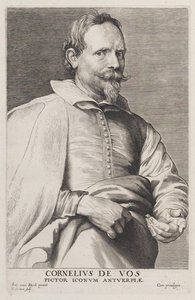
Cornelis de Vos
1585 - 1651 , Belgien
Kurzinfos
- Artistic Movement Or Style: Barockmalerei
- Artists Or Movements Influenced By This Artist:
- Jan Cossiers
- Alexander Daemps
- Simon de Vos
- Artists Who Influenced This Artist:
- David Remeeus
- Rubens
- Van Dyck
- Date Of Birth: 1584
- Date Of Death: 1651
- Full Name: Cornelis de Vos
- Nationality: Flemish
- Notable Artworks:
- Abraham Grapheus Porträt
- Familienporträt Vekemans
- Königliche Porträts
- Place Of Birth (City And Country): Antwerpen, Belgien
Ähnliche Artikel

Goya: Die 25 Meisterwerke des spanischen Genies – Kunst für Ihr Zuhause | ArtsDot
Entdecken Sie die 25 Meisterwerke von Francisco Goya! Tauchen Sie ein in die düstere Romantik spanischer Malerei, Porträts & Historienbilder. Hochwertige Kunstdrucke auf ArtsDot.com – für Kunstliebhaber und stilvolles Wohnen.

Über uns
Entdecken Sie unsere Geschichte! Wir bringen Weltklasse-Kunst in Ihr Leben durch fachkundige Auswahl, individuelle Kreationen und kostenlose Vorschauen. Seit dem Jahr 2000 von Privatpersonen und Unternehmen geschätzt.
Depicting Kinship: Family Values Across Artistic Movements & Historical Contexts
Explore the rich history of depicting kinship in art! From Dutch Masters to contemporary artists, discover how family values have been represented across movements & time. Expert insights for collectors at ArtsDot.
Pieter de Hooch: Meister der Stille und des holländischen Lebens im Goldenen Zeitalter
Entdecken Sie das Werk von Pieter de Hooch, Meister des holländischen Goldenen Zeitalters! Analysen, Hintergrundinformationen und hochwertige Reproduktionen seiner berühmten Genremalerei finden Sie bei ArtsDot.
Entwicklung von Familienporträts: Personalisierte Kunst als Chronik des Lebens über Generationen hinweg
Entdecken Sie die faszinierende Welt der Familienporträts! Von historischen Meisterwerken bis zu personalisierten Auftragsgemälden – wir bieten Kunst für Generationen. Expertenberatung & höchste Qualität.