 Vorschau anzeigen
 Versenden
 Teilen
 Details anzeigen

 Herunterladen
 Ähnliche Objekte
 Röntgenaufnahme
 Diashow
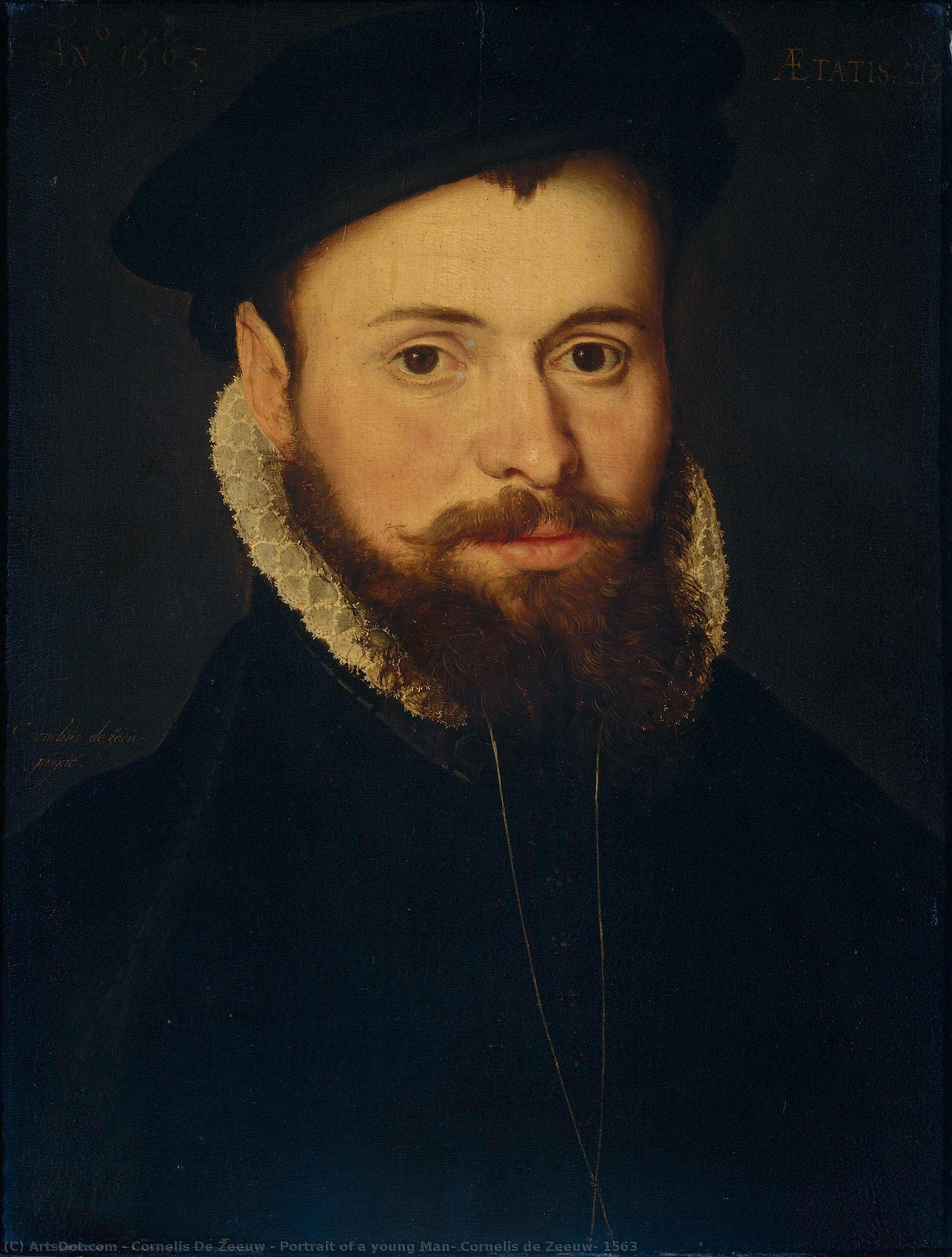
Portrait of a young Man, Cornelis de Zeeuw, 1563
 1563
1563 43.0 x 33.0 cm
 Weiterlesen
Erwerben Sie ein hochauflösendes, optimiertes digitales Bild, das der Online-Vorschau weit überlegen ist.
Jede Datei wird von unseren hauseigenen Spezialisten mit modernsten Werkzeugen und fachmännischer manueller Retusche sorgfältig vorbereitet. Wir stellen sicher, dass jedes Bild eine außergewöhnliche Klarheit, präzise Farbgenauigkeit und feinste Details aufweist.
Die endgültige Datei wird innerhalb von 72 Stunden per E-Mail zugestellt und ist für den sofortigen Einsatz in professionellen, redaktionellen und Druckumgebungen optimiert. Es handelt sich um dieselbe Qualität, der führende Designstudios, Verlage und Galerien vertrauen.
Digitales Bild
Laden Sie eine hochauflösende Datei für die persönliche Präsentation, den Druck und kreative Projekte herunter. ( Druck bestellen Handgemalte Reproduktion bestellen)
In jeder Bestellung digitaler Bilder enthalten
Professionelle digitale Bereitstellung, garantiert
Wenn Sie sich für ArtsDot.com entscheiden, erhalten Sie nicht nur ein Bild – Sie erhalten ein professionell aufbereitetes digitales Kunstwerk, das mit höchster Präzision erstellt und durch eine Zufriedenheitsgarantie abgesichert wird. Hier ist alles, was automatisch mit Ihrer Bestellung geliefert wird:

Schnelle E-Mail-Zustellung
Ihre hochauflösende digitale Bilddatei wird Ihnen innerhalb von 72 Stunden nach der Bestellung per E-Mail zugestellt – bereit zur sofortigen Verwendung.

KI-optimierte digitale Datei
Ihre Kunstwerke werden professionell mithilfe fortschrittlicher KI-Tools und manueller Bearbeitung optimiert, um maximale Detailtreue, Klarheit und Farbgenauigkeit zu gewährleisten.

Lebenslanger kostenloser Neudruckservice
Datei versehentlich gelöscht oder verloren? Keine Sorge – wir senden sie Ihnen jederzeit kostenlos erneut zu.

Keine Einfuhrgebühren – jemals
Genießen Sie Ihr Kunstwerk sofort ohne Zollgebühren, Einfuhrabgaben oder Versandkosten – digitale Downloads sind immer steuerfrei.

Garantierte Farbtreue
Wir garantieren, dass Ihr digitales Bild mithilfe professioneller Werkzeuge und Farbmanagement die Originalfarben so präzise wie möglich wiedergibt.

60-Tage-Zufriedenheitsgarantie
Sollten Sie mit Ihrem digitalen Bild nicht zufrieden sein, werden wir es überarbeiten oder Ihnen innerhalb von 60 Tagen 100% erstatten – ohne Wenn und Aber.

100% Geld-zurück-Garantie
Nicht zufrieden? Erhalten Sie innerhalb von 60 Tagen nach Erhalt Ihrer digitalen Datei eine vollständige Rückerstattung – ohne Angabe von Gründen.

Rabatte bei Großbestellungen
3 Bilder kaufen, 10% sparen – 5 Bilder kaufen, 15% sparen – Ab 10 Bildern 20% sparen. Ideal für kreative Projekte, Galerien und Agenturen.
Details zum Sammlerstück
Ähnliche Kunstwerke





Biografie des Künstlers
A Quiet Master of the Dutch Golden Age: Cornelis de Zeeuw
Cornelis de Zeeuw, a name perhaps less immediately recognizable than some of his contemporaries, nevertheless occupies a significant and compelling position within the landscape of 16th-century Dutch painting. While biographical details remain somewhat elusive – a common characteristic for artists working prior to widespread documentation – the power and subtlety of his surviving works speak volumes about his skill and artistic sensibility. De Zeeuw flourished during a period of immense cultural and economic transformation in the Netherlands, a time when portraiture was not merely a representation of likeness but a powerful statement of social standing, piety, and individual identity. He appears to have been active primarily within the region of Flanders, absorbing influences from both the established Flemish tradition and the burgeoning artistic developments taking place further north. His paintings offer a fascinating window into the lives and aspirations of the merchant class and gentry who commissioned them, revealing a keen eye for detail and an understated psychological depth that sets his work apart.The Art of Likeness: Portraiture as Social Commentary
De Zeeuw’s oeuvre is dominated by portraiture, specifically half-length depictions of men and women often set against neutral backgrounds or within the intimate confines of their homes. He wasn't a painter of grand historical narratives or dramatic religious scenes; his focus lay in capturing the *essence* of his sitters – their character, their status, and their place within society. This is achieved not through ostentatious displays of wealth or elaborate symbolism (though these elements are sometimes present), but rather through meticulous attention to facial features, clothing textures, and subtle gestures. The fabrics he renders—velvets, silks, and furs—possess a remarkable tactile quality, suggesting both affluence and refinement. More importantly, De Zeeuw’s portraits convey a sense of quiet dignity and self-assurance, hinting at the inner lives of those portrayed. He was particularly adept at capturing the nuances of expression, imbuing his subjects with a palpable humanity that transcends mere physical representation. His skill in rendering skin tones and light is exceptional, creating a luminosity that draws the viewer into an intimate encounter with the sitter.Influences and Artistic Development
Tracing De Zeeuw’s artistic lineage reveals a complex interplay of influences. He clearly demonstrates a strong understanding of the Flemish portraiture tradition, particularly evident in his careful modeling of forms and his use of rich, saturated colors. The work of Jan van der Palm, another Flemish artist active around the same time, is often cited as a key influence, with stylistic similarities apparent in their compositions and techniques. However, De Zeeuw’s paintings also exhibit elements that foreshadow the developments of the Dutch Golden Age, such as a greater emphasis on realism and psychological insight. He wasn't simply copying existing styles; he was synthesizing them into something uniquely his own. His early works tend to be more formal and conventional, adhering closely to established portrait conventions. As his career progressed, however, he began to experiment with looser brushwork and more dynamic compositions, suggesting a growing confidence in his artistic voice.Major Achievements and Lasting Legacy
While De Zeeuw may not have produced the sheer volume of work associated with some of the most celebrated Dutch Masters, the quality and consistency of his paintings are undeniable. His portraits stand as compelling examples of 16th-century portraiture, offering valuable insights into the social and cultural values of the time. His ability to capture both the outward appearance and inner character of his sitters is a testament to his exceptional skill and artistic sensitivity. He was not merely a craftsman; he was an observer of human nature, capable of conveying complex emotions with remarkable subtlety. Although documentation regarding specific commissions remains scarce, it’s clear that De Zeeuw enjoyed patronage from prominent members of the merchant class and gentry in Flanders. His paintings were likely displayed proudly within their homes, serving as symbols of status, piety, and family identity. Today, his works are increasingly recognized for their artistic merit and historical significance, offering a glimpse into a fascinating period of Dutch art history.Rediscovering De Zeeuw: A Painter for the Modern Eye
The relative obscurity surrounding Cornelis de Zeeuw’s life and work has perhaps contributed to an underappreciation of his artistic achievements. However, recent scholarship and renewed interest in 16th-century Dutch painting are bringing his paintings back into the spotlight.- His portraits offer a refreshing alternative to the more flamboyant styles prevalent during this period.
- The quiet dignity and psychological depth of his work resonate with modern viewers seeking authenticity and emotional connection.
- De Zeeuw’s meticulous attention to detail and masterful technique serve as an inspiration for contemporary artists.