 Vorschau anzeigen
 Versenden
 Teilen
 Details anzeigen

 Herunterladen
 Ähnliche Objekte
 Röntgenaufnahme
 Diashow
 Statistiken
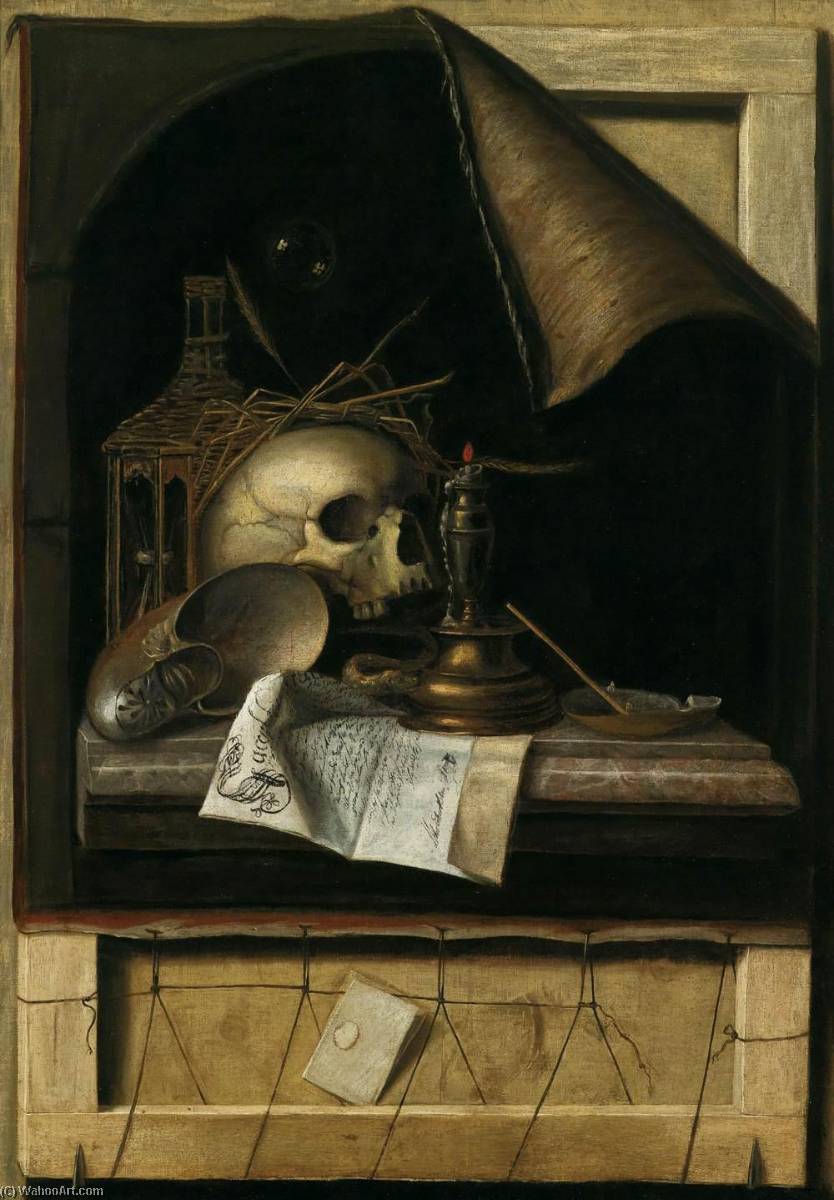
Vanitas Still Life
 89.0 x 62.0 cm
 Weiterlesen
Giclée / Kunstdruck
Giclée- oder Leinwanddruck in Museumsqualität mit schneller Produktion und flexiblen Veredelungsoptionen. ( Handgemalte Reproduktion bestellen Zum digitalen Bild wechseln)




































Wählen Sie aus unseren vordefinierten Formaten, die den ursprünglichen Proportionen des Kunstwerks entsprechen.

Sie können Ihre eigenen Maße eingeben, um ein bestimmtes Format oder einen speziellen Platz einzupassen. Wenn das von Ihnen gewählte Format nicht den Proportionen des Originalbildes entspricht, werden wir das Kunstwerk entweder beschneiden oder das Bild mit einem gespiegelten oder einfarbigen Rand erweitern. Ein digitaler Entwurf wird Ihnen zur Genehmigung zugesandt, bevor die Produktion beginnt.
Bitte beachten Sie, dass die Vorschau auf dem Bildschirm nicht den tatsächlichen Zuschnitt oder die Erweiterung widerspiegelt. Nur der Entwurf zeigt die endgültige Komposition präzise an.
Obwohl Sondermaße verfügbar sind, empfehlen wir die Auswahl eines Maßes aus der vordefinierten Liste, um die ursprünglichen Proportionen zu bewahren.
Weltweiter Versand () innerhalb von 2 Wochen statt der üblichen 4/5 Wochen. (9 September)

Kostenloser weltweiter Expressversand

Hochwertige Leinenleinwand

Umfassender Versicherungsschutz beim Versand

Zollgebühren-Rückerstattungsgarantie

Garantie für exakte Farbtreue

100-Tage-Rückgaberecht (nur bei Mängeln)

100% Geld-zurück-Garantie

Mengenrabatt verfügbar
 Die Glasoption ist nur für Größen unter 110 cm verfügbar.

Vanitas Still Life
Giclée / Kunstdruck
Format der Reproduktion
-


Gesamtpreis
$ 62
Ähnliche Kunstwerke










Über den Künstler
Cornelis Norbertus Gijsbrechts: Master of Illusion and Mortality
Cornelis Norbertus Gijsbrechts (1640 – after 1675) remains an enigmatic figure in seventeenth-century art history, shrouded in obscurity despite producing a remarkable body of work characterized by its masterful trompe l'œil technique. Precise biographical details are scarce; his birthplace is uncertain, and information regarding his later life is fragmentary—a frustrating paradox for scholars attempting to reconstruct his artistic journey. Nevertheless, Gijsbrechts’ legacy endures as one of the foremost practitioners of this innovative genre, cementing his place among the luminaries of the Dutch Golden Age and beyond.Early Life and Artistic Training
Information about Gijsbrechts' formative years is sparse. Born sometime around 1640 in Antwerp—likely influenced by his father, Franciscus Gysbrechts, a celebrated trompe l’œil painter—he received an artistic education that honed his skills in illusionistic painting. While specifics regarding his training remain elusive, it’s plausible he studied under prominent Flemish masters of the era, absorbing techniques and stylistic sensibilities prevalent at the time. His early output demonstrates a dedication to mastering perspective and creating convincing visual representations of three-dimensional space—a cornerstone of trompe l'œil artistry. The influence of his father undoubtedly shaped his artistic inclinations, fostering an unwavering commitment to realism and illusionistic mastery.The Trompe L'Oeil Technique: A Revolutionary Vision
Gijsbrechts’ artistic breakthrough arrived with his embrace of trompe l'œil, an ambitious genre that sought to deceive the eye by presenting painted surfaces as if they were real objects. Unlike traditional painting which strives for accurate depiction, trompe l'œil deliberately exploits optical illusions—depth perception, shading, and visual cues—to generate a startling sensation of presence. This technique demanded exceptional draughtsmanship, meticulous attention to detail, and an understanding of how light interacts with surfaces. Gijsbrechts skillfully employed these principles to conjure breathtaking vistas within canvases, blurring the boundaries between illusion and reality. He achieved this remarkable feat by meticulously replicating textures and employing subtle gradations of color—a testament to his unparalleled technical prowess.Notable Works and Artistic Style
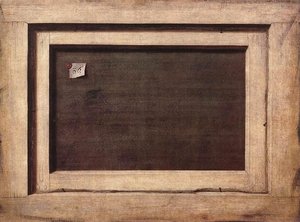
Gijsbrechts’ oeuvre comprises approximately 70 paintings—a significant proportion of which are found in Denmark's National Gallery ( SMK), where they represent a cornerstone of Baroque art. Among his most celebrated creations is “Reverse Side of a Painting,” a stunning example of trompe l'œil that depicts a partially rolled-up canvas, complete with brushes and palette—a self-referential gesture reflecting the artist’s preoccupation with the very process of artistic creation. This masterful composition exemplifies the genre’s ability to transcend mere representation, inviting viewers into a realm where visual perception is challenged and questioned. His still lifes, particularly those incorporating vanitas motifs—symbols representing mortality and the transience of earthly existence—are equally noteworthy. These paintings are characterized by their sombre palettes, meticulous rendering of textures, and a profound contemplation of human fragility. Recurring themes include skulls, hourglasses, decaying fruit, and musical instruments—all serving as reminders of life’s inevitable decline. The artist's stylistic choices underscored the philosophical concerns prevalent during his time, reflecting an awareness of humanity's vulnerability in the face of death.Service to Danish Royalty and Artistic Legacy
Gijsbrechts gained considerable renown during his tenure as court artist to Frederik III and Christian V of Denmark (1668–70 & 1670–72). During this period, he produced several monumental paintings for Rosenborg Castle—a testament to the royal patronage that fueled artistic innovation. These canvases captured the grandeur and solemnity of the Danish monarchy amidst turbulent political circumstances, demonstrating Gijsbrechts’ ability to convey emotion and narrative complexity within a single image. His work exemplifies the Baroque aesthetic’s emphasis on dramatic lighting and opulent ornamentation—elements skillfully deployed to heighten visual impact and evoke profound contemplation. Though Gijsbrechts' life ended prematurely in 1675, his contribution to trompe l'œil painting remains indelible—a legacy celebrated for its audacious illusionism and its enduring exploration of philosophical themes concerning death and remembrance. He stands as a singular figure in Baroque art history, forever remembered as the artist who dared to trick the eye and provoke profound reflection on the human condition.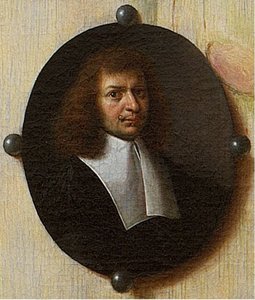
Cornelis Norbertus Gijsbrechts
1640 - 1675 , Niederlande
Kurzinfos
- Artistic Movement Or Style: Trompe l’œil & Barock
- Artists Who Influenced This Artist: ['Franciscus Gysbrechts']
- Date Of Birth: um 1625/1629
- Date Of Death: nach 1675
- Full Name: Cornelis Norbertus Gijsbrechts
- Nationality: Niederländisch
- Notable Artworks:
- Still Leben mit Selbstbildnis
- Umkehrseite eines Gemäldes
- Place Of Birth: Antwerpen