 Versenden
 Teilen
 Details anzeigen

 Herunterladen
 Ähnliche Objekte
 Diashow
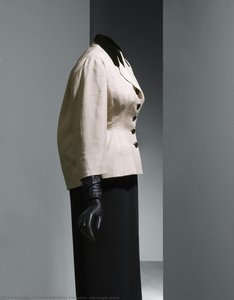
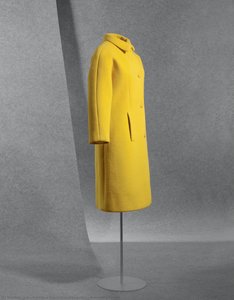
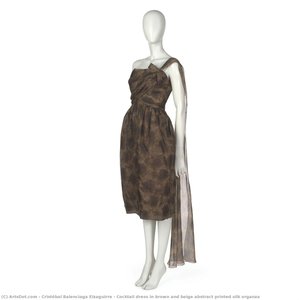
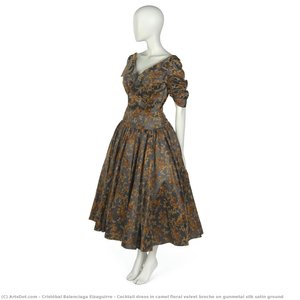
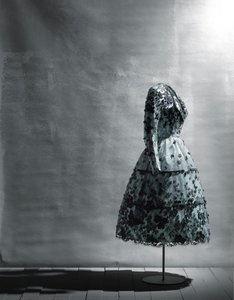
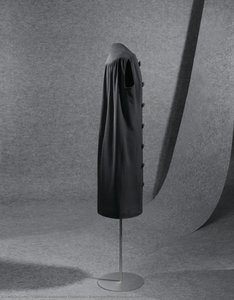
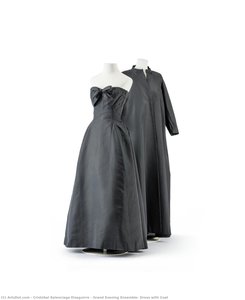
Cocktail dress in black hard twist wool spot-patterned plain-weave crepe


 Weiterlesen
Giclée / Kunstdruck
Giclée- oder Leinwanddruck in Museumsqualität mit schneller Produktion und flexiblen Veredelungsoptionen. ( Handgemalte Reproduktion bestellen Bild kaufen)




































Wählen Sie aus unseren vordefinierten Formaten, die den ursprünglichen Proportionen des Kunstwerks entsprechen.

Sie können Ihre eigenen Maße eingeben, um ein bestimmtes Format oder einen speziellen Platz einzupassen. Wenn das von Ihnen gewählte Format nicht den Proportionen des Originalbildes entspricht, werden wir das Kunstwerk entweder beschneiden oder das Bild mit einem gespiegelten oder einfarbigen Rand erweitern. Ein digitaler Entwurf wird Ihnen zur Genehmigung zugesandt, bevor die Produktion beginnt.
Bitte beachten Sie, dass die Vorschau auf dem Bildschirm nicht den tatsächlichen Zuschnitt oder die Erweiterung widerspiegelt. Nur der Entwurf zeigt die endgültige Komposition präzise an.
Obwohl Sondermaße verfügbar sind, empfehlen wir die Auswahl eines Maßes aus der vordefinierten Liste, um die ursprünglichen Proportionen zu bewahren.
Weltweiter Versand () innerhalb von 2 Wochen statt der üblichen 4/5 Wochen. (1 September)

Kostenloser weltweiter Expressversand

Hochwertige Leinenleinwand

Umfassender Versicherungsschutz beim Versand

Zollgebühren-Rückerstattungsgarantie

Garantie für exakte Farbtreue

60 Tage Rückgaberecht (nur bei Mängeln)

100% Geld-zurück-Garantie

Mengenrabatt verfügbar
 Die Glasoption ist nur für Größen unter 110 cm verfügbar.

Cocktail dress in black hard twist wool spot-patterned plain-weave crepe
Giclée / Kunstdruck
Format der Reproduktion
-


Gesamtpreis
$ 62
A Study in Black: Cristóbal Balenciaga’s Cocktail Dress of 1957
The year is 1957. Post-war Europe is cautiously emerging, and with it, a renewed appetite for elegance and sophistication. Within this climate of restrained optimism, Cristóbal Balenciaga – already revered as “the master of us all” by Christian Dior – presented a vision of timeless beauty in his ‘Cocktail Dress in Black Hard Twist Wool Spot-Patterned Plain-Weave Crepe.’ This isn’t merely a garment; it's a distilled essence of sculptural form, a testament to the designer’s unparalleled ability to manipulate fabric and shape into an object of profound aesthetic power. The photograph, rendered in stark black and white, captures not just the dress itself, but also the quiet drama of its presentation – a mannequin posed with deliberate poise against a neutral backdrop, inviting the viewer to contemplate the intricacies of its design.
Balenciaga’s genius lay in his rejection of fleeting trends. He wasn't interested in mimicking the ephemeral fashions of the day; instead, he sought to create garments that would endure, embodying an enduring sense of grace and architectural precision. This particular dress exemplifies this philosophy perfectly. The crepe fabric, described as ‘hard twist,’ speaks volumes about Balenciaga’s meticulous approach – a deliberate choice designed to lend structure and resilience to the flowing silhouette. The subtle spot pattern, barely discernible in monochrome, adds a layer of textural interest without disrupting the overall sense of streamlined elegance. It's a masterful demonstration of restraint, allowing the form of the dress to take center stage.
The Sculptural Silhouette: Form and Function
Balenciaga’s designs were often described as “architectural,” and this term is entirely apt when considering this cocktail dress. The silhouette is dramatically elongated, creating an impression of effortless height and a subtle suggestion of movement. The bodice is fitted, emphasizing the natural curves of the torso, while the skirt cascades downwards in a gently undulating line. The key to its success lies not just in the overall shape but also in the precise construction – the careful shaping of the seams, the strategic placement of darts, all contributing to a sense of sculpted perfection. The dress is a study in balance and proportion, demonstrating Balenciaga’s deep understanding of human anatomy and his ability to translate that knowledge into wearable art.
Notice the deliberate simplicity of the design. There are no extraneous embellishments – no frills, no excessive ornamentation. Instead, the focus remains entirely on the dress's form and texture. The bow or decorative element at the back, visible in the photograph, is a subtle detail that adds a touch of understated glamour without detracting from the overall impact. This restraint is characteristic of Balenciaga’s work – he believed that true elegance lay not in ostentation but in the skillful execution of a simple, well-considered design.
A Legacy of Black: Context and Symbolism
The choice of black as the dominant color is profoundly significant. In 1957, black was associated with sophistication, power, and mourning – a color that commanded respect and conveyed an air of understated authority. Balenciaga’s embrace of this hue reflects his understanding of fashion as a form of social commentary. He wasn't simply creating beautiful clothes; he was crafting statements about style, status, and personal expression.
Furthermore, black held a particular resonance within the artistic circles that influenced Balenciaga – particularly the work of artists like Giorgio de Chirico and Francis Picabia, whose use of stark contrasts and geometric forms informed his designs. The dress can be seen as an echo of these artistic influences, translating abstract visual concepts into tangible garments. It’s a reminder that fashion is not isolated from the broader cultural landscape but rather deeply intertwined with art, music, and literature.
The Enduring Appeal: Reproduction and Inspiration
Balenciaga's influence continues to resonate today, inspiring designers and collectors alike. The ‘Cocktail Dress in Black Hard Twist Wool Spot-Patterned Plain-Weave Crepe’ remains a quintessential example of his genius – a timeless piece that transcends the boundaries of time and fashion. Reproductions capture the essence of this iconic design, offering an opportunity to incorporate its elegance into your wardrobe or interior spaces.
When selecting a reproduction, pay close attention to the quality of the materials and craftsmanship. A faithful recreation will not only replicate the dress’s visual appearance but also its tactile qualities – the subtle texture of the crepe fabric, the precise shaping of the seams, the delicate sheen of the bow. This is more than just a copy; it's a tribute to a master designer and a celebration of enduring style.
Ähnliche Kunstwerke
Über den Künstler
Frühes Leben und Karriere
Cristóbal Balenciaga Eizaguirre, ein renommierter spanischer Modedesigner, wurde 1895 in Getaria, Spanien, geboren. Er ist vor allem bekannt für die Gründung der Marke Balenciaga, die mit Haute Couture gleichgesetzt wurde. Balenciagas Ruf als Couturier von kompromisslosen Standards brachte ihm den Titel "der Meister von uns allen" von Christian Dior und "der einzige Couturier im wahrsten Sinne des Wortes" von Coco Chanel ein.Künstlerischer Stil und Einflüsse
Balenciagas Designs zeichneten sich durch ihre Eleganz, Schlichtheit und Liebe zum Detail aus. Er wurde vom Avantgarde-Kunststil beeinflusst, was sich in seinen kühnen und innovativen Entwürfen widerspiegelt. Zu seinen bemerkenswerten Werken gehören:- Study to 'Song of Songs IV' (Naive Kunst / Primitivismus), ein Gemälde, das seinen experimentellen Ansatz in der Mode zeigt.
- Tree Roots (50 x 100 cm, Postimpressionismus, Öl auf Leinwand), ein Werk, das seine Fähigkeit demonstriert, die Essenz der Natur einzufangen.
- Acrobat (Surrealismus, Öl auf Leinwand), ein Gemälde, das seine Bereitschaft zeigt, in der Modewelt Grenzen zu überschreiten.
Entwicklung und Hauptleistungen
Balenciaga entwickelte seinen eigenen unverwechselbaren Stil, der sich durch architektonische Formen, innovative Schnitte und den Einsatz ungewöhnlicher Materialien auszeichnete. Er revolutionierte die Damenmode mit seinem Bruch von traditionellen Silhouetten und schuf neue, avantgardistische Looks. Zu seinen wichtigsten Leistungen gehören:- Die Einführung des "Sackkleides" in den 1950er Jahren, das eine einfache, kastenförmige Silhouette aufwies.
- Die Entwicklung der "Balloon-Jacke", einer voluminösen Jacke mit einem kugelförmigen Schnitt.
- Der Einsatz von ungewöhnlichen Materialien wie Buntglas und Draht in seinen Kreationen.
- Seine Fähigkeit, Haute Couture mit den Bedürfnissen des modernen Lebens zu verbinden.
Historische Bedeutung und Vermächtnis
Cristóbal Balenciaga gilt als einer der bedeutendsten Modedesigner des 20. Jahrhunderts. Sein Einfluss auf die Mode ist immens, und seine Designs werden bis heute von Designern auf der ganzen Welt bewundert und nachgeahmt. Er hat neue Maßstäbe für Eleganz, Innovation und Handwerkskunst gesetzt und das Image der Frau neu definiert. Balenciaga hinterließ ein bleibendes Vermächtnis als "der Meister" der Mode, dessen Werke die Geschichte der Kunst und des Designs nachhaltig geprägt haben.- mehr Werke von Cristóbal Balenciaga Eizaguirre finden Sie unter https://ArtsDot.com/@/cristobal-balenciaga-eizaguirre
- die Sammlung des Museo de Bellas Artes de Asturias erkunden Sie unter /de/art/show/art-d3atkt-de/
- erfahren Sie mehr über die Colección Andrés Blaisten unter https://ArtsDot.com/@@/a@d3bqc7-the-museum-destroyed-by-fire-(united-states)

Cristóbal Balenciaga Eizaguirre
1895 - 1972 , Spanien
Kurzinfos
- Beeinflusste Künstler:
- Christian Dior
- Coco Chanel
- Bemerkenswerte Werke:
- Study to 'Song of Songs IV'
- Tree Roots
- Acrobat
- Geburtsdatum: 1895
- Künstlerischer Stil: Avantgarde, Couture
- Nationalität: Spanisch
- Vollständiger Name: Cristóbal Balenciaga Eizaguirre
- Von Künstlern Beeinflusst:
- Naive Kunst
- Primitivismus
- Surrealismus
- Post-Impressionismus
Ähnliche Artikel
Cristóbal Balenciaga: Dekonstruktion der Haute Couture – Das architektonische Erbe eines Genies
Entdecken Sie das revolutionäre Werk von Cristóbal Balenciaga – dem Meister der Haute Couture. Architektur, Innovation und zeitloser Stil prägten sein Erbe. Für Kenner und Sammler.
Timeless Elegance: Unveiling the Chic Allure and Artistic Legacy of Black Dress Artworks
Immerse yourself in the timeless allure of black dress artworks. Explore a curated collection of fine art reproductions and bespoke oil paintings that blend fashion history with modern elegance. Discover how ArtsDot.com transforms memories into exquisite, hand-painted masterpieces.

Die Top 10 berühmter Gemälde im Reich der dunklen Töne |
Entdecken Sie die Top 10 berühmter Gemälde, beherrscht von dunklen Tönen! Von Caravaggio bis Manet – erfahren Sie die Geschichten hinter Meisterwerken der Kunstgeschichte. Finden Sie Ihre perfekte Reproduktion auf .
Gianfranco Ferré: Deconstructing Haute Couture – A Legacy of Architectural Form
Explore the revolutionary world of Gianfranco Ferré, 'the architect of fashion.' Discover his architectural approach to haute couture, iconic Dior designs, and lasting influence on luxury style. A deep dive for collectors & enthusiasts.
Draped Narratives: Fashion as Symbol & Subject in Historical Art
Explore the fascinating history of fashion as a symbol of power & status in art! Discover masterpieces from Gainsborough to Tissot and learn how clothing shaped societal narratives. Find museum-quality reproductions at ArtsDot.