

 Vorschau anzeigen
 Versenden
 Teilen
 Details anzeigen

 Herunterladen
 Ähnliche Objekte
 Röntgenaufnahme
 Diashow
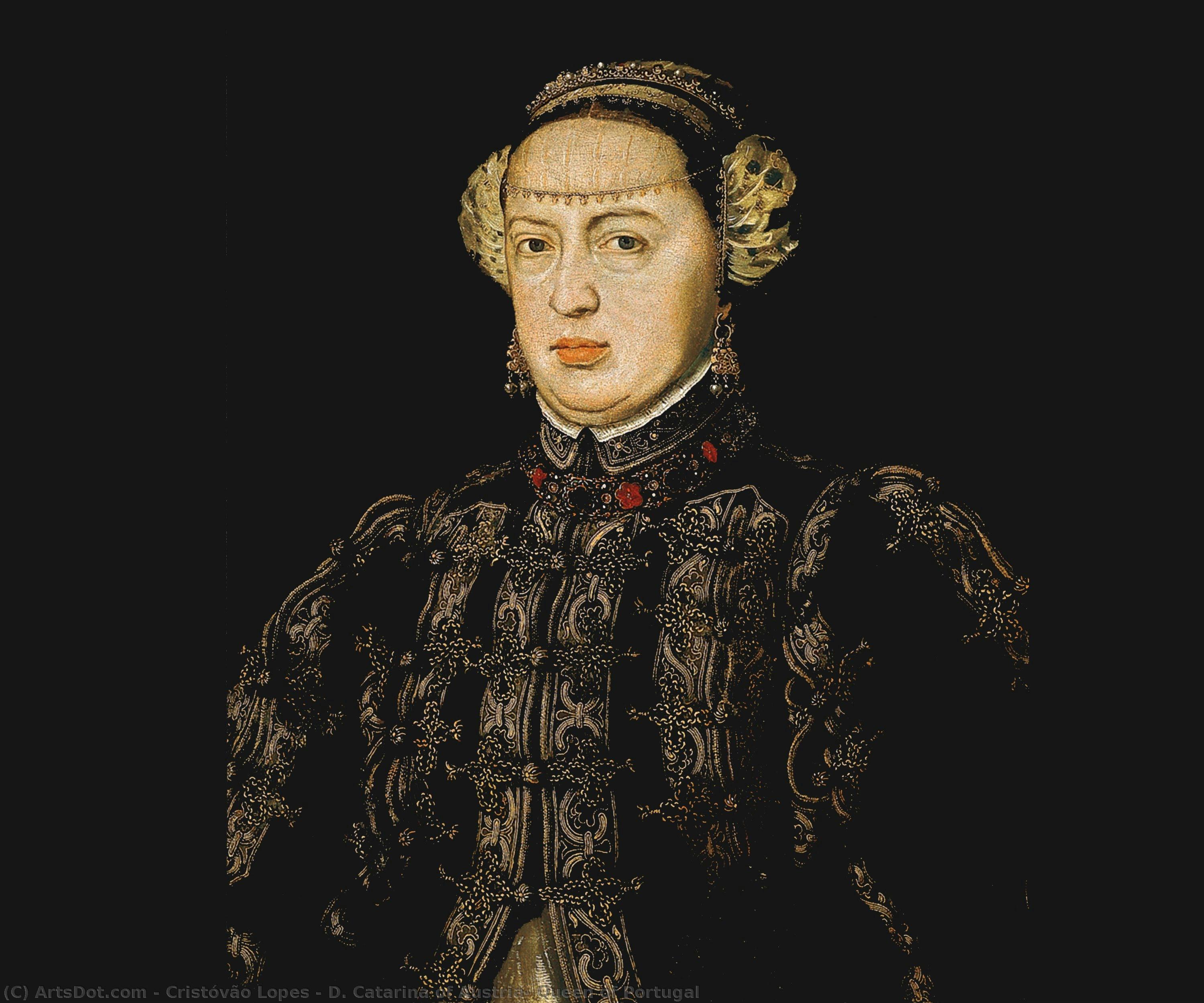
D. Catarina of Austria, Queen of Portugal


 Weiterlesen
Handgefertigte Ölreproduktion
Handgemaltes Ölgemälde auf Leinwand in Ihrer Wunschgröße und mit Rahmen, auf Bestellung von unseren Künstlern angefertigt. ( Druck bestellen Bild kaufen)




P118B $10

P118H $10

P118W $10

P438Z $10

P508JH $12

P508YH $12

P805H $10

P805Z $10

P919BZ $10

P919G $10

P919XJ $10

P959ZH $10

P968JZ $12

W106C $8

W218G $10

W218JH $8

W218Y $10

W307PJ $10

W316G $10

W316PJ $8

W316Y $10

W398PJ $8

W4111J $10

W500HY $15

W500JH $15

W692G $12

W849H $8

W940BG $15

W953PJ $8




Wählen Sie aus unseren vordefinierten Formaten, die den ursprünglichen Proportionen des Kunstwerks entsprechen.

Sie können Ihre eigenen Maße eingeben, um einen bestimmten Rahmen oder Platz auszufüllen. Wenn die gewählte Größe nicht den Proportionen des Originalbildes entspricht, werden wir das Kunstwerk entweder beschneiden oder das Gemälde durch zusätzliche, handgemalte Elemente erweitern. Ein digitales Mockup wird Ihnen zur Genehmigung zugesandt, bevor die Produktion beginnt.
Bitte beachten Sie, dass die Bildschirmvorschau nicht die tatsächliche Beschneidung oder Erweiterung widerspiegelt. Nur das Mockup zeigt die endgültige Komposition exakt an.
Obwohl Sondermaße verfügbar sind, empfehlen wir, eine Größe aus der vordefinierten Liste zu wählen, um die ursprünglichen Proportionen beizubehalten.
Nach der Bestellung wird das ArtsDot.com-Team dem Kunden Anweisungen per E-Mail zusenden und eine Mockup-Vorschau bereitstellen.
Weltweiter Versand () in nur 3 bis 4 Wochen statt der üblichen 5 Wochen. (5 September). Keine Kompromisse bei der Qualität.

Kostenloser weltweiter Expressversand

Hochwertige Leinenleinwand

Umfassender Versicherungsschutz beim Versand

Zollgebühren-Rückerstattungsgarantie

Garantie für exakte Farbtreue

60 Tage Rückgaberecht (nur bei Mängeln)

100% Geld-zurück-Garantie

Mengenrabatt verfügbar
 Die Glasoption ist nur für Größen unter 110 cm verfügbar.

D. Catarina of Austria, Queen of Portugal
Art der Reproduktion
Format der Reproduktion
-


Gesamtpreis
$ 263
A Vision of Royal Majesty
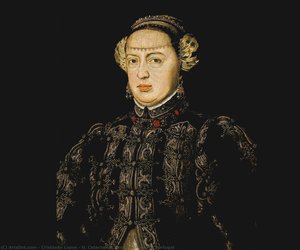
In the quiet, shadowed corridors of history, few images command as much silent authority as D. Catarina of Austria, Queen of Portugal. Painted around 1500 by the skilled hand of Cristóvão Lopes, this portrait is far more than a mere likeness; it is a profound statement of sovereignty and dynastic continuity. The Queen is captured in a three-quarter view, her presence emerging from a deep, nocturnal background that pushes her figure toward the viewer with startling intimacy. There is an unmistakable gravity in her gaze—an austere, dignified expression that speaks to the heavy mantle of her station as the daughter of Felipe and Joana of Castela and sister to the mighty Emperor Carlos V. To behold this work is to encounter the very essence of Renaissance nobility, where every stitch of fabric and every glint of gold serves to reinforce the divine right of the Portuguese crown.
The artistry of Lopes shines through in the meticulous rendering of texture and light, making this piece a masterpiece of tactile illusion. The Queen is draped in a gown of sumptuous black velvet, a material that absorbs the light only to reveal subtle, shimmering depths through the intricate embroidery of gold thread. This interplay between the dark, matte surfaces and the brilliant metallic accents creates a rhythmic visual movement across her torso. Her attire is crowned by an exquisite coif, adorned with a tiara of pearls and gold, alongside delicate pearl earrings that catch the light like droplets of frozen dew. The technique, likely executed in oil on panel, allows for a precision that captures the crisp edges of her royal regalia and the soft, rounded contours of her face, offering a sensory richness that remains captivating centuries later.
Symbolism and the Legacy of the Royal Workshop
Beyond its aesthetic splendor, the portrait functions as a sophisticated piece of political iconography. During this era, portraits were essential diplomatic tools, used to project power across borders and solidify alliances. This specific work follows the prestigious tradition established by the Master António Moro, whose official portraits of the Portuguese sovereigns served as the definitive prototypes for the court. Lopes, working within the lineage of his father Gregório Lopes, masterfully adapted these models to create a visual language of legitimacy. The pearls and gold are not merely ornaments; they are symbols of purity, wealth, and the unshakeable stability of the realm. The very composition—centered, formal, and unyielding—is designed to inspire awe and respect in the observer.
For the discerning collector or interior designer, this reproduction offers a profound sense of historical weight and timeless elegance. It is an ideal centerpiece for spaces that demand a touch of classical sophistication, such as a formal study, a grand library, or a curated gallery wall. The deep, monochromatic palette of blacks and golds provides a versatile foundation that complements both traditional period interiors and contemporary minimalist settings. Owning a piece that echoes the grandeur of the 16th-century Portuguese court allows one to bring a fragment of the Renaissance into the modern home, fostering an atmosphere of contemplative beauty and enduring prestige.
Ähnliche Kunstwerke
Über den Künstler
A Royal Brush: The Life and Legacy of Cristóvão Lopes
Cristóvão Lopes, a name resonating softly through the annals of 16th-century Portuguese art, stands as a compelling figure bridging the traditions of his father’s workshop with the burgeoning influences of Northern Renaissance portraiture. Born around 1516 in Lisbon, Portugal, Lopes inherited not merely a profession but a dynasty of artistic skill from Gregório Lopes, who served as royal painter to King Manuel I and later John III. While overshadowed by his more celebrated forebear during his lifetime, Cristóvão’s own contributions proved vital in shaping the visual language of the Portuguese court and religious institutions.
The early years of Lopes' artistic development were undoubtedly steeped in the techniques and style of his father. Gregório Lopes was a master of altarpieces, crafting intricate polyptychs filled with devotional imagery for churches across central Portugal. Following his father’s death in 1550, Cristóvão seamlessly assumed the mantle of royal painter to John III in 1551. This transition wasn't simply an inheritance of title; it signified a continuation of a deeply established artistic lineage. However, unlike his father who focused on large-scale religious works, Cristóvão’s career would become increasingly defined by portraiture—a shift that speaks volumes about the evolving tastes and priorities of the Portuguese court.
The Influence of Antonis Mor and a Changing Style
A pivotal moment in Lopes' artistic trajectory arrived with the arrival of Dutch portrait painter Antonis Mor (Antonio Moro) in Portugal during the 1550s. Commissioned to paint official portraits of the royal family, Mor’s precise realism, elegant compositions, and sophisticated handling of light profoundly impacted Portuguese artists, including Cristóvão Lopes. While direct attribution can be challenging due to the workshop practices of the time—and Lopes' own tendency not to sign his works—scholars believe he actively collaborated with or closely emulated Mor’s style. This influence is evident in a subtle yet discernible shift towards greater naturalism and psychological depth in Lopes’ portraits, moving away from the more stylized conventions prevalent earlier.
The Convent of Madre de Deus in Lisbon houses one of Lopes' most significant achievements: an altarpiece featuring portraits of King John III and his wife, Catherine of Austria. This work exemplifies his ability to capture not just physical likeness but also a sense of regal dignity and inner character. Other royal portraits attributed to him are now carefully preserved within the National Museum of Ancient Art in Lisbon, offering glimpses into the faces that governed Portugal during this period. Beyond portraiture, Lopes continued to undertake religious commissions, such as an allegory of Mercy for the Misericórdia Church in Sesimbra, demonstrating a versatility that extended beyond the confines of courtly representation.
A Legacy Defined by Royal Service and Subtle Innovation
Cristóvão Lopes’ career was inextricably linked to the Portuguese monarchy. His role wasn't merely that of an artist; he was a visual architect of royal image, tasked with crafting representations that projected power, piety, and legitimacy. While his name may not be as instantly recognizable as some of his contemporaries, his importance lies in his ability to adapt and refine artistic styles to suit the needs of his patrons. He skillfully absorbed the lessons of Antonis Mor while maintaining a distinctly Portuguese sensibility.
The challenges inherent in attributing works definitively to Lopes—a consequence of workshop collaborations and the absence of signatures—underscore the complexities of art historical research. Nevertheless, the paintings confidently ascribed to him reveal an artist of considerable talent, capable of both meticulous detail and nuanced psychological observation. His work provides a valuable window into the artistic climate of 16th-century Portugal, reflecting the interplay between local traditions and international influences.
Cristóvão Lopes passed away in Lisbon in 1594, leaving behind a legacy not of grand innovation but of consistent quality and dedicated service. His paintings continue to captivate viewers with their quiet dignity and subtle beauty, serving as enduring testaments to the artistry of a royal brush.
cristóvão lopes
1594 , Portugal
Kurzinfos
- Artistic Movement Or Style: Renaissance Painting
- Artists Or Movements Influenced By This Artist: ['Antonis Mor']
- Artists Who Influenced This Artist: ['Gregório Lopes']
- Date Of Birth: c. 1516
- Date Of Death: 1594
- Full Name: Cristóvão Lopes
- Nationality: Portuguese
- Notable Artworks:
- D. Catarina of Austria, Queen of Portugal
- Cristóvão Lopes (attrib). Portrait of King John III
- Lopes Catherine of Habsburg
- Lopes John Madre de Deus
- Place Of Birth: Lisbon, Portugal
Ähnliche Artikel

Die Top 10 berühmter Gemälde im Reich der dunklen Töne |
Entdecken Sie die Top 10 berühmter Gemälde, beherrscht von dunklen Tönen! Von Caravaggio bis Manet – erfahren Sie die Geschichten hinter Meisterwerken der Kunstgeschichte. Finden Sie Ihre perfekte Reproduktion auf .
Golden Glow: How to Use Metallic Gold Artworks to Elevate Your Home Decor with Timeless Luxury
Discover how to elevate your home with the timeless elegance of metallic gold artworks. From sculptural metal pieces to gilded oil paintings, learn expert interior design tips for integrating luxurious gold accents into your space with sophistication and grace.
The Allure of Gold in Art History: Symbolism, Technique & Cultural Significance
Explore the rich history of gold in art! Discover symbolism, techniques & cultural significance from ancient civilizations to Klimt's masterpieces. Expert insights for collectors at ArtsDot.

Goldene Meisterwerke: Die Top 10 berühmtesten Gemälde mit Blattgold – ArtsDot
Entdecken Sie die Top 10 Gemälde, die von Blattgold verzaubern! Von Klimt bis zur Renaissance – erfahren Sie die Geschichten hinter ikonischen Kunstwerke & lassen Sie sich für Ihre Wohnraumgestaltung inspirieren. Hochwertige Reproduktionen auf ArtsDot.com.
Meisterwerke der Dunkelheit: 10 berühmte Gemälde im Lampenschwarzton |
Entdecken Sie 10 berühmte Gemälde, die von Lampenschwarz und düsterer Schönheit geprägt sind. Von Rembrandt bis Caravaggio – erleben Sie Kunstgeschichte neu! Hochwertige Reproduktionen & Inspiration für Ihr Zuhause auf .

