

 Vorschau anzeigen
 Versenden
 Teilen
 Details anzeigen

 Herunterladen
 Ähnliche Objekte
 Röntgenaufnahme
 Diashow
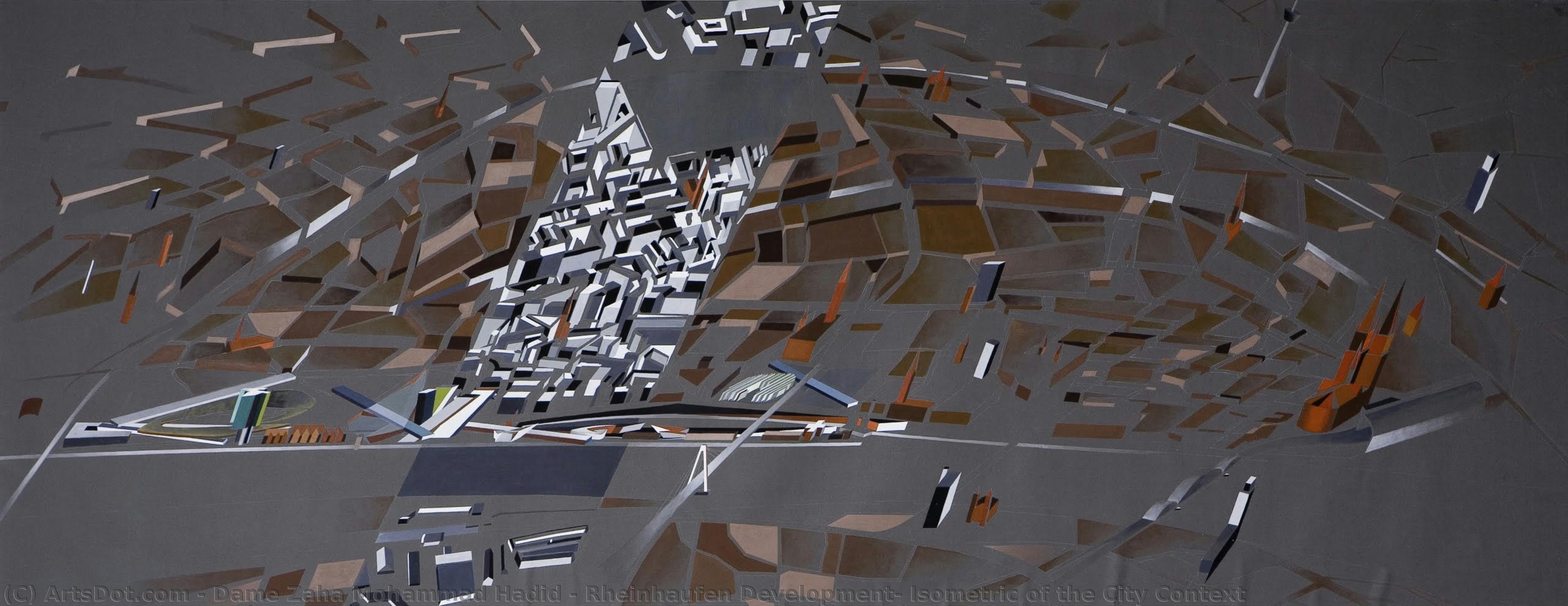
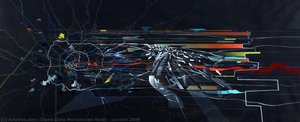
Rheinhaufen Development: Isometric of the City Context
 Acrylic On Paper
- WallArt
- Contemporary Minimalism
 1993
1993- Contemporary
 101.0 x 256.0 cm
 Serpentine Galleries
 Weiterlesen
Giclée / Kunstdruck
Giclée- oder Leinwanddruck in Museumsqualität mit schneller Produktion und flexiblen Veredelungsoptionen. ( Handgemalte Reproduktion bestellen Bild kaufen)




P118B $10

P118H $10

P118W $10

P438Z $10

P508JH $12

P508YH $12

P805H $10

P805Z $10

P919BZ $10

P919G $10

P919XJ $10

P959ZH $10

P968JZ $12

W106C $8

W218G $10

W218JH $8

W218Y $10

W307PJ $10

W316G $10

W316PJ $8

W316Y $10

W398PJ $8

W4111J $10

W500HY $15

W500JH $15

W692G $12

W849H $8

W940BG $15

W953PJ $8




Wählen Sie aus unseren vordefinierten Formaten, die den ursprünglichen Proportionen des Kunstwerks entsprechen.

Sie können Ihre eigenen Maße eingeben, um ein bestimmtes Format oder einen speziellen Platz einzupassen. Wenn das von Ihnen gewählte Format nicht den Proportionen des Originalbildes entspricht, werden wir das Kunstwerk entweder beschneiden oder das Bild mit einem gespiegelten oder einfarbigen Rand erweitern. Ein digitaler Entwurf wird Ihnen zur Genehmigung zugesandt, bevor die Produktion beginnt.
Bitte beachten Sie, dass die Vorschau auf dem Bildschirm nicht den tatsächlichen Zuschnitt oder die Erweiterung widerspiegelt. Nur der Entwurf zeigt die endgültige Komposition präzise an.
Obwohl Sondermaße verfügbar sind, empfehlen wir die Auswahl eines Maßes aus der vordefinierten Liste, um die ursprünglichen Proportionen zu bewahren.
Weltweiter Versand () innerhalb von 2 Wochen statt der üblichen 4/5 Wochen. (30 August)

Kostenloser weltweiter Expressversand

Hochwertige Leinenleinwand

Umfassender Versicherungsschutz beim Versand

Zollgebühren-Rückerstattungsgarantie

Garantie für exakte Farbtreue

60 Tage Rückgaberecht (nur bei Mängeln)

100% Geld-zurück-Garantie

Mengenrabatt verfügbar
 Die Glasoption ist nur für Größen unter 110 cm verfügbar.

Rheinhaufen Development: Isometric of the City Context
Giclée / Kunstdruck
Format der Reproduktion
-


Gesamtpreis
$ 62
A Visionary Echo Through Time
In the vast landscape of late 20th-century art, few works possess the structural poetry found in Dame Zaha Mohammad Hadid’s 1993 masterpiece, Rheinhaufen Development: Isometric of the City Context. This painting is far more than a mere architectural rendering; it is a profound conceptual exploration of how space, movement, and geometry dance together to create the pulse of urban life. Created during a pivotal era in Hadid’s career, the work serves as a window into her revolutionary mind—a mind that refused to be bound by the rigid, rectilinear constraints of traditional design. Instead, she invites the viewer into a world where the boundaries between the built environment and organic fluidity begin to dissolve.
The painting captures a sprawling cityscape, rendered through a daring isometric perspective that rejects the conventional vanishing points of classical art. By utilizing this technique, Hadid achieves a holistic representation of space, allowing the eye to wander across horizontal and vertical planes that mimic natural contours. Within this intricate web of structures, one finds a captivating mix of monumental buildings and smaller, varied forms, all interconnected by an invisible energy. The presence of tiny, scattered figures moving through the streets adds a layer of human intimacy to the grand scale, reminding us that architecture is not merely about steel and stone, but about the lived experience and the rhythmic flow of human existence.
The Language of Fluidity and Form
To gaze upon this work is to witness the birth of a new aesthetic language. Hadid’s style in Rheinhaufen Development is characterized by an exquisite tension between stability and motion. While the subject matter is undeniably urban, her brushwork and composition are infused with undulating lines and sweeping curves that evoke a sense of constant evolution. This was a radical departure from the stiff formalism prevalent in the 1990s; Hadid sought to capture the "feeling" of inhabiting a space—the way light shifts across a facade or how a crowd moves through a plaza like a liquid stream. The inclusion of a solitary bird gliding through the sky above the cityscape serves as a poignant symbol of this freedom, bridging the gap between the heavy permanence of architecture and the weightless grace of nature.
For the discerning collector or interior designer, this piece offers an unparalleled opportunity to introduce a sense of intellectual depth and dynamic energy into a space. The painting’s large-scale presence—measuring an impressive 101 x 256 cm—makes it a commanding focal point for any sophisticated gallery or modern living environment. It does not merely decorate a wall; it transforms the atmosphere, challenging viewers to perceive their surroundings through a lens of complexity and grace. Whether placed in a minimalist corporate lobby or a curated private study, this reproduction of Hadid’s vision brings with it the prestige of an architectural legend and the timeless allure of the avant-garde.
Ähnliche Kunstwerke


Über den Künstler
Frühes Leben und Ausbildung
- Geboren: Zaha Mohammad Hadid am 31. Oktober 1950 in Bagdad, Irak.
- Familiärer Hintergrund: Sie stammte aus einer wohlhabenden irakischen Familie; ihr Vater, Muhammad al-Hajj Husayn Hadid, war ein vermögender Industrieller und Politiker, während ihre Mutter, Wajiha al-Sabunji, eine Künstlerin war.
- Ausbildung: Hadid studierte zunächst Mathematik an der American University of Beirut. 1972 zog sie nach London, um an der Architectural Association School of Architecture Architektur zu studieren und schloss ihr Studium 1977 ab.
- Einflussreiche Mentoren: An der Architectural Association studierte sie unter renommierten Architekten wie Rem Koolhaas, Elia Zenghelis und Bernard Tschumi, die ihr architektonisches Denken maßgeblich prägten.
Künstlerischer Stil und Einflüsse
- Dekonstruktivismus: Hadid gilt weithin als Pionierin der dekonstruktivistischen Architektur. Ihre Entwürfe zeichnen sich oft durch fragmentierte Geometrie, dynamische Formen und eine Ablehnung traditioneller architektonischer Konventionen aus.
- Schlüsselmerkmale: Ihr Stil ist geprägt von geschwungenen Linien, fließenden Formen und einem Gefühl der Bewegung, wodurch Gebäude entstehen, die der Schwerkraft zu trotzen scheinen.
- Einflüsse: Sie ließ sich von Suprematismus und den russischen Avantgarde-Bewegungen inspirieren. Das Werk von Kasimir Malewitsch beeinflusste insbesondere ihre frühen Entwürfe, wie in ihrem Abschlussprojekt „Malevichs Tektonik“ zu sehen ist.
- Malerei als Gestaltungswerkzeug: Hadid nutzte während ihrer gesamten Karriere intensiv Malerei und Zeichnung und betrachtete sie nicht nur als repräsentative Werkzeuge, sondern als integralen Bestandteil des Designprozesses selbst.
- Befreiung der Geometrie: Wie The Guardian beschrieb, „befreite sie die architektonische Geometrie und gab ihr eine völlig neue Ausdruckskraft.“
Hauptwerke und Errungenschaften
- Frühe Karriere & Anerkennung: Hadid gründete 1980 ihre eigene Praxis in London. Zu ihren frühen Arbeiten gehörten Entwürfe wie der Hong Kong Peak Club (1983), die ihren innovativen Ansatz demonstrierten.
- Wichtige Projekte: Einige ihrer bemerkenswertesten Projekte sind:
- London Aquatics Centre (2012 Olympics)
- Broad Art Museum in Michigan, USA
- MAXXI – Nationalmuseum für Kunst des 21. Jahrhunderts in Rom, Italien
- Guangzhou Opera House, China
- Heydar Aliyev Center, Baku, Aserbaidschan
- Auszeichnungen und Ehrungen: Hadid erhielt im Laufe ihrer Karriere zahlreiche prestigeträchtige Auszeichnungen:
- Pritzker-Architekturpreis (2004) – die höchste Auszeichnung in der Architektur.
- Stirling Prize (2010 & 2011)
- Royal Gold Medal vom Royal Institute of British Architects (2016) - die erste Frau, die diese Auszeichnung individuell erhielt.
Vermächtnis und Einfluss
- Pionierrolle für Frauen: Zaha Hadid brach Barrieren als erste Frau, die in einem von Männern dominierten Bereich breite Anerkennung und Erfolg erlangte und somit eine Inspiration für zukünftige Generationen von Architektinnen wurde.
- Transformativer Einfluss: Ihre Arbeit stellte konventionelle architektonische Normen in Frage und verschob die Grenzen der Gestaltungsmöglichkeiten. Sie hinterließ einen bleibenden Eindruck in der gebauten Umwelt weltweit.
- Kontinuierliche Relevanz: Auch nach ihrem Tod im Jahr 2016 setzt Zaha Hadid Architects ihre Vision und Prinzipien um und vollendet weiterhin Projekte.
- Künstlerische Bestrebungen jenseits der Architektur: Hadid erforschte auch künstlerische Medien außerhalb der Architektur, darunter Malerei und Design, wie beispielsweise an Werken wie „Tatlin Tower and Tectonic“ zu sehen ist, die eine einzigartige Verbindung von architektonischer Expertise und künstlerischer Vision demonstrieren.
- Globale Präsenz: Ihre Gebäude finden sich in Großstädten auf der ganzen Welt und zeugen von ihrem internationalen Einfluss und ihrem bleibenden Vermächtnis.
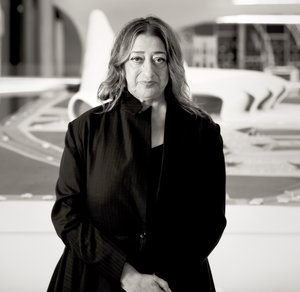
Dame Zaha Mohammad Hadid
1950 - 2016 , Irak
Kurzinfos
- Artistic Movement Or Style: Dekonstruktivismus
- Artists Or Movements Influenced By This Artist: ['Moderne Architektur']
- Artists Who Influenced This Artist: ['Kasimir Malewitsch']
- Date Of Birth: 31. Oktober 1950
- Date Of Death: 31. März 2016
- Full Name: Dame Zaha Mohammad Hadid
- Nationality: Irakisch-Britisch
- Notable Artworks:
- Aquatics Centre
- MAXXI Museum
- Opera House
- Tatlin Tower
- Place Of Birth: Bagdad, Irak
Ähnliche Artikel

Giclée Prints: Archival Quality & Aesthetic Nuances for the Discerning Collector
Explore the world of giclée prints with ArtsDot. Learn about archival quality, aesthetic nuances & investment potential. Expert guidance for discerning art collectors seeking museum-quality reproductions and lasting value.

Echoes of Time: Exploring the Enduring Appeal & Historical Context of Vintage Art Prints
Explore the captivating world of vintage art prints! Discover their history, collecting tips & enduring appeal. Expert insights on chromolithography and building a legacy collection with ArtsDot.
Transforming Spaces: A Comprehensive Exploration of Wall Decor Through Art History & Contemporary Practice
Explore the art of transforming spaces with our comprehensive guide to wall decor. From historical movements to contemporary trends, discover how to curate impactful interiors and commission bespoke artwork for a truly personalized aesthetic.
Die Rückkehr des Freskos: Wandgemälde als Luxusstatement für exklusive Innenräume
Entdecken Sie die Welt der Wandgemälde! Exklusive Designs für Hotels & Wohnräume. Expertenberatung, hochwertige Materialien & individuelle Kunstprojekte – Ihr Partner für einzigartige Raumgestaltung.

The Enduring Legacy of Fine Art Prints: Technique, History & Aesthetic Impact
Explore the rich history & techniques of fine art prints. Discover investment potential, assess authenticity, and learn how to preserve your collection with expert guidance. Trusted insights for discerning collectors.

