

 Vorschau anzeigen
 Versenden
 Teilen
 Details anzeigen

 Herunterladen
 Ähnliche Objekte
 Röntgenaufnahme
 Diashow
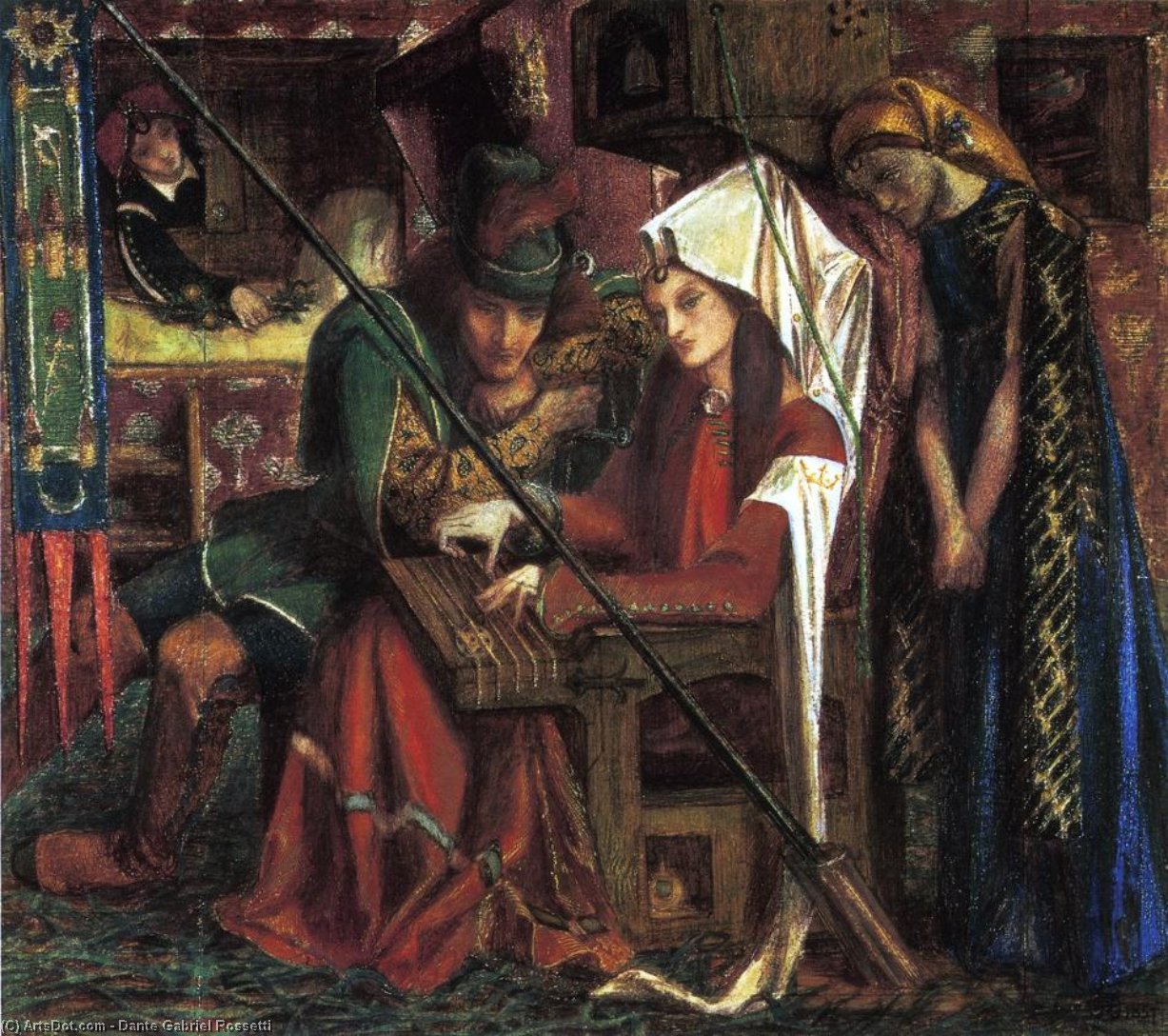
The Tune of Seven Towers


 Weiterlesen
Erwerben Sie ein hochauflösendes, optimiertes digitales Bild, das der Online-Vorschau weit überlegen ist.
Jede Datei wird von unseren hauseigenen Spezialisten mit modernsten Werkzeugen und fachmännischer manueller Retusche sorgfältig vorbereitet. Wir stellen sicher, dass jedes Bild eine außergewöhnliche Klarheit, präzise Farbgenauigkeit und feinste Details aufweist.
Die endgültige Datei wird innerhalb von 72 Stunden per E-Mail zugestellt und ist für den sofortigen Einsatz in professionellen, redaktionellen und Druckumgebungen optimiert. Es handelt sich um dieselbe Qualität, der führende Designstudios, Verlage und Galerien vertrauen.
Digitales Bild
Laden Sie eine hochauflösende Datei für die persönliche Präsentation, den Druck und kreative Projekte herunter. ( Druck bestellen Handgemalte Reproduktion bestellen)
In jeder Bestellung digitaler Bilder enthalten
Professionelle digitale Bereitstellung, garantiert
Wenn Sie sich für ArtsDot.com entscheiden, erhalten Sie nicht nur ein Bild – Sie erhalten ein professionell aufbereitetes digitales Kunstwerk, das mit höchster Präzision erstellt und durch eine Zufriedenheitsgarantie abgesichert wird. Hier ist alles, was automatisch mit Ihrer Bestellung geliefert wird:

Schnelle E-Mail-Zustellung
Ihre hochauflösende digitale Bilddatei wird Ihnen innerhalb von 72 Stunden nach der Bestellung per E-Mail zugestellt – bereit zur sofortigen Verwendung.

KI-optimierte digitale Datei
Ihre Kunstwerke werden professionell mithilfe fortschrittlicher KI-Tools und manueller Bearbeitung optimiert, um maximale Detailtreue, Klarheit und Farbgenauigkeit zu gewährleisten.

Lebenslanger kostenloser Neudruckservice
Datei versehentlich gelöscht oder verloren? Keine Sorge – wir senden sie Ihnen jederzeit kostenlos erneut zu.

Keine Einfuhrgebühren – jemals
Genießen Sie Ihr Kunstwerk sofort ohne Zollgebühren, Einfuhrabgaben oder Versandkosten – digitale Downloads sind immer steuerfrei.

Garantierte Farbtreue
Wir garantieren, dass Ihr digitales Bild mithilfe professioneller Werkzeuge und Farbmanagement die Originalfarben so präzise wie möglich wiedergibt.

60-Tage-Zufriedenheitsgarantie
Sollten Sie mit Ihrem digitalen Bild nicht zufrieden sein, werden wir es überarbeiten oder Ihnen innerhalb von 60 Tagen 100% erstatten – ohne Wenn und Aber.

100% Geld-zurück-Garantie
Nicht zufrieden? Erhalten Sie innerhalb von 60 Tagen nach Erhalt Ihrer digitalen Datei eine vollständige Rückerstattung – ohne Angabe von Gründen.

Rabatte bei Großbestellungen
3 Bilder kaufen, 10% sparen – 5 Bilder kaufen, 15% sparen – Ab 10 Bildern 20% sparen. Ideal für kreative Projekte, Galerien und Agenturen.
The Enchanting World of “The Tune of Seven Towers”
Dante Gabriel Rossetti’s "The Tune of Seven Towers," painted in 1857, is more than just a watercolor; it's a portal into a realm of heightened emotion and symbolic resonance. This captivating scene unfolds within a dimly lit interior, dominated by a central table upon which a group gathers – a tableau vivant brimming with quiet contemplation and subtle social interaction. The painting immediately draws the viewer in with its rich palette of deep blues, greens, and browns, creating an atmosphere both intimate and slightly melancholic. Rossetti’s signature Pre-Raphaelite style is evident in every brushstroke, characterized by meticulous detail, a fascination with medieval themes, and a deliberate blurring of lines between reality and dream.
The composition itself is deliberately ambiguous. A woman sits gracefully at the table, her posture suggesting both vulnerability and quiet strength. Around her are several figures – one standing near the left edge, another on the right, and a chair positioned centrally. The bowl and spoon upon the table aren’t merely props; they hint at a shared meal, a moment of convivial connection. However, the lack of overt conversation or dramatic action invites interpretation. Rossetti masterfully employs light and shadow to create depth and mystery, focusing attention on the faces of the figures while obscuring details beyond, fostering a sense of timelessness.
Pre-Raphaelite Symbolism and Romantic Sensuality
As a key work within the Pre-Raphaelite Brotherhood, “The Tune of Seven Towers” is steeped in symbolism. The title itself suggests an elusive melody, perhaps representing a secret or a forgotten memory. The seven towers alluded to could be interpreted as references to medieval architecture, evoking a sense of history and spirituality – a common theme for the movement. Rossetti’s meticulous rendering of fabrics, particularly the woman's dress, demonstrates his deep appreciation for texture and material detail, reflecting the Pre-Raphaelite emphasis on realism and naturalism. The figures are rendered with an almost sensual quality, their faces imbued with a quiet intensity that speaks to the complexities of human emotion.
Furthermore, Rossetti’s use of color is profoundly symbolic. The cool blues and greens evoke feelings of melancholy and introspection, while the warmer browns suggest comfort and domesticity. The overall effect is one of romantic yearning – a longing for something lost or unattainable. The painting's mood aligns with the broader Romantic sensibility prevalent in Victorian England, characterized by an interest in emotion, imagination, and the beauty of nature.
Rossetti’s Artistic Techniques and Historical Context
Technically, “The Tune of Seven Towers” showcases Rossetti’s exceptional watercolor skills. He expertly layered translucent washes to create a luminous effect, capturing the subtle nuances of light and shadow with remarkable precision. The painting's surface is alive with delicate brushstrokes, revealing his meticulous attention to detail. Rossetti was deeply influenced by medieval art and literature, particularly Dante Alighieri’s *Divine Comedy*, which he frequently referenced in his work.
Painted during the mid-1850s, “The Tune of Seven Towers” reflects the broader cultural context of Victorian England. The Pre-Raphaelite Brotherhood emerged as a reaction against the perceived artificiality and academicism of contemporary art, seeking to revive the spirit of early Italian painting. Rossetti’s work, along with that of his fellow Pre-Raphaelites, challenged conventional artistic norms and paved the way for new developments in art and literature. The rise of Aestheticism – an artistic movement emphasizing beauty and sensory experience – further shaped Rossetti's creative vision.
Capturing Emotion: A Reproduction’s Value
Reproductions of “The Tune of Seven Towers” offer a remarkable opportunity to bring this evocative artwork into your home or office. ArtsDot meticulously recreates the painting’s intricate details and atmospheric qualities using hand-painted techniques, ensuring that every reproduction captures the essence of Rossetti's original vision. By choosing a high-quality reproduction, you not only acquire a beautiful piece of art but also connect with a rich artistic legacy. The painting’s enduring appeal lies in its ability to evoke a sense of mystery, beauty, and emotional depth – qualities that continue to resonate with viewers today.
Ähnliche Kunstwerke
Biografie des Künstlers
**frühes Leben und Einflüsse**
Dante Gabriele Rossetti, ein renommierter englischer Dichter, Illustrator, Maler, Übersetzer und Mitglied der illustren Rossetti-Familie, wurde am 12. Mai 1828 in London geboren. Sein frühes Leben war von einem tiefen Interesse an mittelalterlicher italienischer Kunst und den Werken von Shakespeare, Dickens, Sir Walter Scott und Lord Byron geprägt.**Die Präraffaelitenbruderschaft**
Im Jahr 1848 gründete Rossetti zusammen mit William Holman Hunt und John Everett Millais die Präraffaelitenbruderschaft. Diese Bewegung strebte die Reform der englischen Kunst an, indem sie den mechanischen Ansatz des Manierismus ablehnte und die Fülle von Details und intensiven Farben der italienischen und flämischen Kunst des Quattrocento anzog.**Künstlerischer Stil und bemerkenswerte Werke**
Rossettis Kunst ist durch ihre Sinnlichkeit und mittelalterliche Wiederbelebung gekennzeichnet. Seine frühe Poesie wurde von John Keats und William Blake beeinflusst, während seine spätere Arbeit eine komplexe Verflechtung von Gedanken und Gefühlen zeigte, wie in seiner Sonett-Sequenz Das Haus des Lebens zu sehen ist. Bemerkenswerte Werke sind:- Proserpine (1870), ein Gemälde, das Rossettis Verwendung von Symbolik und Sinnlichkeit zeigt.
- Behold the Handmaid of the Lord! (Die Verkündigung), ein Werk, das seine Fähigkeit demonstriert, Poesie und Bild zu verbinden.
- Portrait of Aflatia Coronio, ein Porträt, das Rossettis Können hervorhebt, die Essenz seiner Sujets einzufangen.
**Vermächtnis und Einfluss**
Rossettis Werk beeinflusste die nächste Generation von Künstlern und Schriftstellern, darunter William Morris und Edward Burne-Jones. Seine Kunst hatte auch einen bedeutenden Einfluss auf die europäischen Symbolisten und den Ästhetizismus. **Betrachten Sie Rossettis Werke auf ArtsDot:** [https://ArtsDot.com/@/dante-gabriele-rossetti](https://ArtsDot.com/@/dante-gabriele-rossetti) | 122 Kunstwerke **Erforschen Sie die Philosophie der Präraffaelitenbruderschaft auf ArtsDot:** /de/art/show/art-d3arwx-de/ **Erfahren Sie mehr über Rossettis Leben und Werk auf Wikipedia:** [https://en.wikipedia.org/wiki/dante_gabriel_rossetti](https://en.wikipedia.org/wiki/dante_gabriel_rossetti)
Dante Gabriel Rossetti
1828 - 1882 , Vereinigtes Königreich
Kurzinfos
- Beeinflusste Künstler:
- William Morris
- Edward Burne-Jones
- Bemerkenswerte Werke:
- Proserpine
- Das Haus des Lebens
- Behold the handmaid of the Lord!
- Portrait von Fanny Cornforth
- Johanna von Ark
- Geburtsdatum: 12. Mai 1828
- Geburtsort: London, Vereinigtes Königreich
- Künstlerische Einflüsse:
- John Keats
- William Blake
- Shakespeare
- Dickens
- Künstlerischer Stil: Präraffaeliten, Symbolismus
- Nationalität: Britisch
- Sterbedatum: 1882
- Vollständiger Name: Dante Gabriele Rossetti

