

 Vorschau anzeigen
 Versenden
 Teilen
 Details anzeigen

 Herunterladen
 Ähnliche Objekte
 Röntgenaufnahme
 Diashow
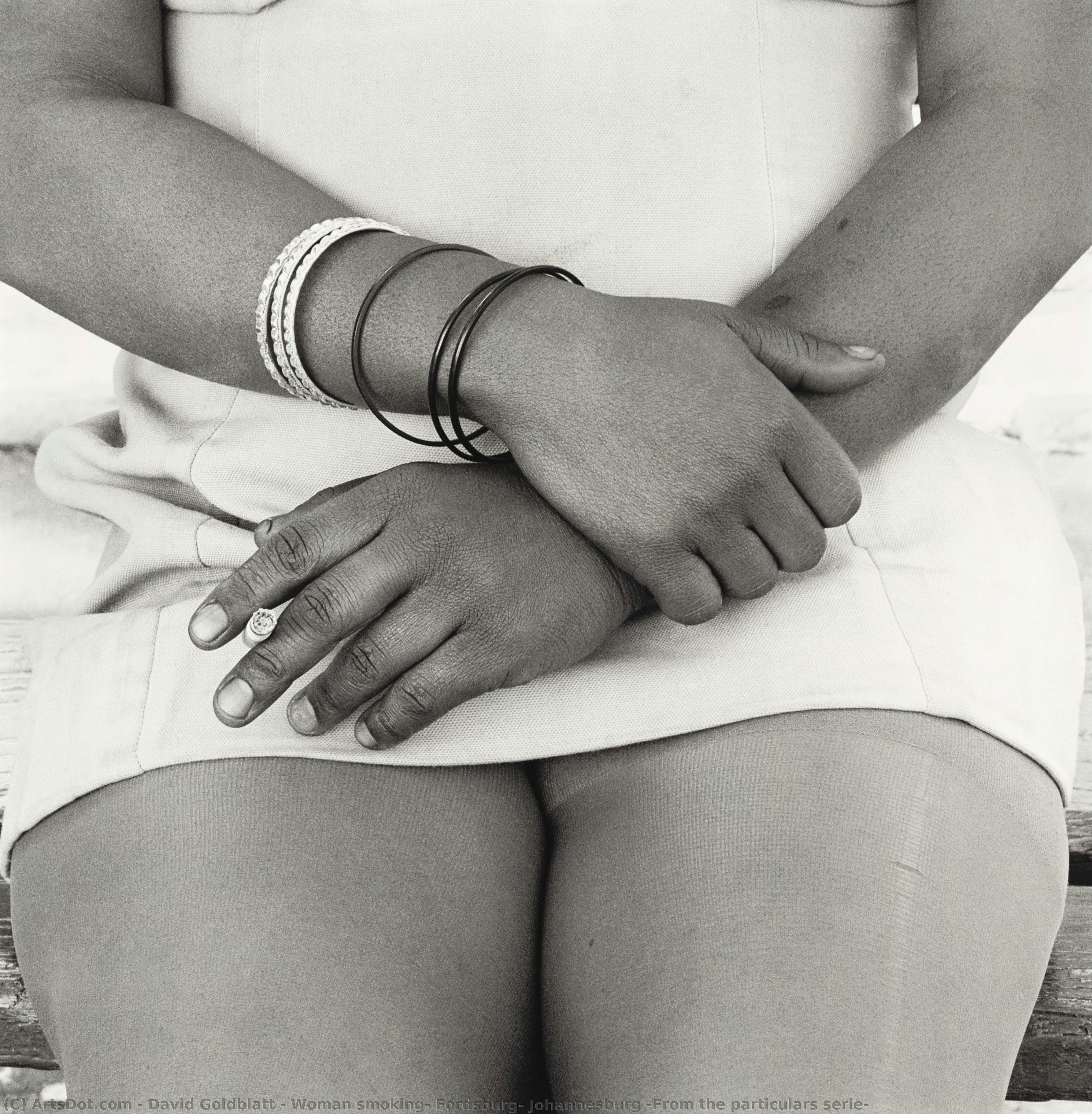
Frau raucht, Fordsburg, Johannesburg
 Acryl auf Leinwand
- Wandkunst
- Documentary Photography
 2007
2007 48.0 x 47.0 cm
 Serralves Stiftung
 Weiterlesen
Erwerben Sie ein hochauflösendes, optimiertes digitales Bild, das der Online-Vorschau weit überlegen ist.
Jede Datei wird von unseren hauseigenen Spezialisten mit modernsten Werkzeugen und fachmännischer manueller Retusche sorgfältig vorbereitet. Wir stellen sicher, dass jedes Bild eine außergewöhnliche Klarheit, präzise Farbgenauigkeit und feinste Details aufweist.
Die endgültige Datei wird innerhalb von 72 Stunden per E-Mail zugestellt und ist für den sofortigen Einsatz in professionellen, redaktionellen und Druckumgebungen optimiert. Es handelt sich um dieselbe Qualität, der führende Designstudios, Verlage und Galerien vertrauen.
Digitales Bild
Laden Sie eine hochauflösende Datei für die persönliche Präsentation, den Druck und kreative Projekte herunter. ( Druck bestellen Handgemalte Reproduktion bestellen)
In jeder Bestellung digitaler Bilder enthalten
Professionelle digitale Bereitstellung, garantiert
Wenn Sie sich für ArtsDot.com entscheiden, erhalten Sie nicht nur ein Bild – Sie erhalten ein professionell aufbereitetes digitales Kunstwerk, das mit höchster Präzision erstellt und durch eine Zufriedenheitsgarantie abgesichert wird. Hier ist alles, was automatisch mit Ihrer Bestellung geliefert wird:

Schnelle E-Mail-Zustellung
Ihre hochauflösende digitale Bilddatei wird Ihnen innerhalb von 72 Stunden nach der Bestellung per E-Mail zugestellt – bereit zur sofortigen Verwendung.

KI-optimierte digitale Datei
Ihre Kunstwerke werden professionell mithilfe fortschrittlicher KI-Tools und manueller Bearbeitung optimiert, um maximale Detailtreue, Klarheit und Farbgenauigkeit zu gewährleisten.

Lebenslanger kostenloser Neudruckservice
Datei versehentlich gelöscht oder verloren? Keine Sorge – wir senden sie Ihnen jederzeit kostenlos erneut zu.

Keine Einfuhrgebühren – jemals
Genießen Sie Ihr Kunstwerk sofort ohne Zollgebühren, Einfuhrabgaben oder Versandkosten – digitale Downloads sind immer steuerfrei.

Garantierte Farbtreue
Wir garantieren, dass Ihr digitales Bild mithilfe professioneller Werkzeuge und Farbmanagement die Originalfarben so präzise wie möglich wiedergibt.

60-Tage-Zufriedenheitsgarantie
Sollten Sie mit Ihrem digitalen Bild nicht zufrieden sein, werden wir es überarbeiten oder Ihnen innerhalb von 60 Tagen 100% erstatten – ohne Wenn und Aber.

100% Geld-zurück-Garantie
Nicht zufrieden? Erhalten Sie innerhalb von 60 Tagen nach Erhalt Ihrer digitalen Datei eine vollständige Rückerstattung – ohne Angabe von Gründen.

Rabatte bei Großbestellungen
3 Bilder kaufen, 10% sparen – 5 Bilder kaufen, 15% sparen – Ab 10 Bildern 20% sparen. Ideal für kreative Projekte, Galerien und Agenturen.
Ein Augenblick eingefroren in der Zeit: Eine Analyse von David Goldblatt’s „Frau raucht, Fordsburg, Johannesburg“
David Goldblatt's Fotografien sind mehr als nur Bilder; sie sind Fenster zur Geschichte und zum menschlichen Geist. Besonders beeindruckend ist sein Werk „Frau raucht, Fordsburg, Johannesburg“, aufgenommen im Jahr 2007 und Teil seiner umfassenden Dokumentation über die Apartheid Ära in Südafrika. Dieses scheinbar einfache Portrait offenbart eine tiefgreifende Untersuchung von Identität und sozialer Beobachtung – ein Meisterwerk der menschlichen Darstellung. Die zentrale Figur ist eine Frau, ruhig auf einer Bank in Fordsburg, Johannesburg sitzend. Eine Stadt, die für ihre kulturelle Vielfalt während der Apartheid bekannt war und somit einen besonderen Kontext für Goldblatt’s Werk schafft. Ihre Körperhaltung – Hände gefaltet vor ihr – vermittelt sofort eine Aura von Kontemplation und Verletzlichkeit zugleich, ein Ausdruck tiefen Nachdenkens über das Leben unter einer schwierigen politischen Ordnung. Diese Beobachtung ist nicht nur eine Darstellung der Realität, sondern auch eine Einladung zum Nachfragen nach Bedeutung und Gefühl. Goldblatt setzte dabei auf eine klassische Schwarzweißfotografie – einen Silbergelatinedruck – um die Essenz seines Motivs mit außergewöhnlicher Präzision einzufangen. Dabei wurde besonderes Augenmerk auf den Tonwertbereich gelegt, wodurch ein atmosphärischer Eindruck von Wärme und Intimität geschaffen wird. Das gedämpfte Licht betont die natürliche Schönheit der Frau und ihre Umgebung und verstärkt gleichzeitig die Wirkung des Bildes. Die Technik ist nicht nur eine Frage der technischen Perfektion, sondern auch eine bewusste Entscheidung für einen Stil, der Emotionen und Gedanken einfangen möchte. Die historische Bedeutung von „Frau raucht“ liegt in seinem Kontext innerhalb der gesamten Serie ‘Particulars’. Goldblatt wollte keine großen politischen Aussagen treffen, sondern stattdessen kleine Gesten und Gesichtsausdrücke dokumentieren – Momente des alltäglichen Lebens, die das Innenleben einfacher Menschen offenbaren. Diese subtile Beobachtung ist ein Schlüssel zum Verständnis der Apartheid Ära und ihrer Auswirkungen auf das Leben der Menschen vor Ort. Es geht darum, nicht nur zu sehen, sondern auch zu fühlen – eine Aufgabe, die Goldblatt mit außergewöhnlicher Sensibilität erfüllt hat. Die Frau selbst wird durch ihre gefalteten Hände symbolisch dargestellt. Diese Gestik steht für Ruhe und Stärke zugleich und erinnert an die Fähigkeit zum Nachdenken und zur Selbstkontrolle. Darüber hinaus verleihen die Armbänder – vermutlich gewebt oder strukturiert – dem Bild eine persönliche Note und erinnern an kulturelle Traditionen und individuelle Identität. Durch diese kleinen Details wird das Gesamtbild noch komplexer und tiefgründiger und spricht direkt zum Betrachter an. Ein Blick auf die Technik zeigt, dass Goldblatt sich für einen Silbergelatinedruck entschieden hat, um ein außergewöhnliches Detailniveau und eine hohe Tonwertkontrolle zu gewährleisten. Diese Methode ermöglicht es ihm, die Schönheit der Frau und ihre Umgebung mit einer beeindruckenden Klarheit einzufangen und somit eine Kunstwerk zu schaffen, das über reine Ästhetik hinausgeht. Es ist ein Werk, das zum Nachdenken anregt und einen tiefen Einblick in die menschliche Erfahrung bietet – ein wahrer Schatz für jeden Kunstliebhaber und Sammler.Ähnliche Kunstwerke
Biografie des Künstlers
Early Life and Formation of a Critical Eye
David Goldblatt, born in Randfontein, Gauteng Province, South Africa, in 1930, emerged as one of the most profoundly insightful documentary photographers of the twentieth century. His lineage—descended from Lithuanian Jewish immigrants who sought refuge from persecution around 1893—deeply informed his perspective. Growing up in a society rigidly stratified by apartheid, Goldblatt’s early life was marked by an awareness of social injustice and the complexities of belonging. While his father managed a men's outfitter shop and his mother worked as a typist, it was the burgeoning political climate that truly shaped his artistic trajectory. He received a formal education at Krugersdorp High School and later earned a commerce degree from the University of the Witwatersrand, but it was in 1948 that he discovered his true calling: photography. Initially inspired by the photojournalism found in magazines like *Life* and *Picture Post*, Goldblatt began to document the lives unfolding around him, quickly realizing the medium’s power to bear witness and provoke reflection.Documenting Apartheid's Realities
Goldblatt distinguished himself from many contemporaries through his deliberate avoidance of sensationalism or overt political messaging. He wasn’t interested in capturing dramatic confrontations but rather in revealing the subtle yet pervasive ways apartheid permeated everyday life. His early work focused on the often-invisible lives of Black African miners, a population subjected to brutal working conditions and systemic discrimination. This commitment to portraying the human cost of apartheid—not through spectacle, but through quiet observation—became his hallmark. A pivotal project was *The Transported of Kwandebele*, documenting the arduous twice-daily commutes faced by black workers traveling from segregated “homelands” northeast of Pretoria. Goldblatt’s photographs weren't merely records of hardship; they were indictments of a system that forced such conditions upon its citizens. He famously explained his choice to work in black and white during this period, believing color would have been "too sweet a medium" to express the anger, disgust, and fear apartheid inspired. This wasn’t simply an aesthetic decision but a conscious rejection of any visual softening that might diminish the gravity of the subject matter.Beyond Protest: Exploring Structures and Landscapes
Following the dismantling of apartheid, Goldblatt's artistic focus shifted, though his critical gaze remained unwavering. He turned his attention to South Africa’s landscapes—not as idyllic vistas but as sites imbued with history and consequence. His *Structures* series examined the architecture of the country, revealing how buildings reflected the power dynamics and ideologies that had shaped its past. This work wasn't about aesthetic beauty; it was about deciphering the stories embedded within brick and mortar. He began to experiment more with color photography, a transition sparked by a project in northwestern Australia documenting the effects of blue asbestos exposure. The intensity of this subject matter demanded the realism only color could provide, and he found himself “hooked” on its expressive potential. This marked a new phase in his career, allowing him to capture the nuances of post-apartheid South Africa with greater depth and complexity.Legacy and Lasting Impact
David Goldblatt’s contributions extended beyond his photographic oeuvre. In 1989, he founded the Market Photography Workshop in Johannesburg, providing training and opportunities for aspiring photographers from marginalized communities. He became a mentor to many, fostering a new generation of visual storytellers committed to social justice. Throughout his career, Goldblatt received numerous accolades, including honorary doctorates, the Hasselblad Award, and the Henri Cartier-Bresson Award. His work has been exhibited internationally, notably with a solo show at the Museum of Modern Art in New York in 1998 and inclusion in Documenta 11 and 12. Goldblatt’s photographs are held in major collections worldwide, ensuring his legacy as a pivotal figure in documentary photography. He passed away in Johannesburg in 2018, leaving behind a body of work that continues to challenge viewers to confront uncomfortable truths about power, inequality, and the enduring human spirit. His commitment to “avoiding easy judgments” and portraying subjects with dignity established him not just as a photographer but as a profound observer and critic of society—a legacy that resonates powerfully today.A Philosophy of Observation
Goldblatt’s approach was rooted in a deep respect for his subjects and a refusal to impose narratives. He often described himself as a “self-appointed observer,” believing it was his role to present reality without manipulation or agenda. This philosophy is evident in the detailed captions accompanying his photographs, which meticulously identify the location, time, and context of each image. These weren’t mere descriptions; they were invitations to engage with the photograph on multiple levels, prompting viewers to consider the broader social forces at play. He sought not to shock or condemn but to reveal—to expose the complexities of South African life in all its contradictions and subtleties. His work stands as a testament to the power of photography to foster empathy, challenge assumptions, and inspire meaningful dialogue. Goldblatt’s enduring influence lies in his ability to transform observation into a powerful form of social critique—a legacy that continues to shape contemporary photographic practice.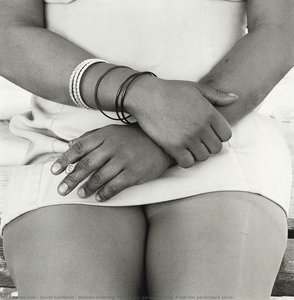
David Goldblatt
1930 - 2018

