

 Vorschau anzeigen
 Versenden
 Teilen
 Details anzeigen

 Herunterladen
 Ähnliche Objekte
 Röntgenaufnahme
 Diashow
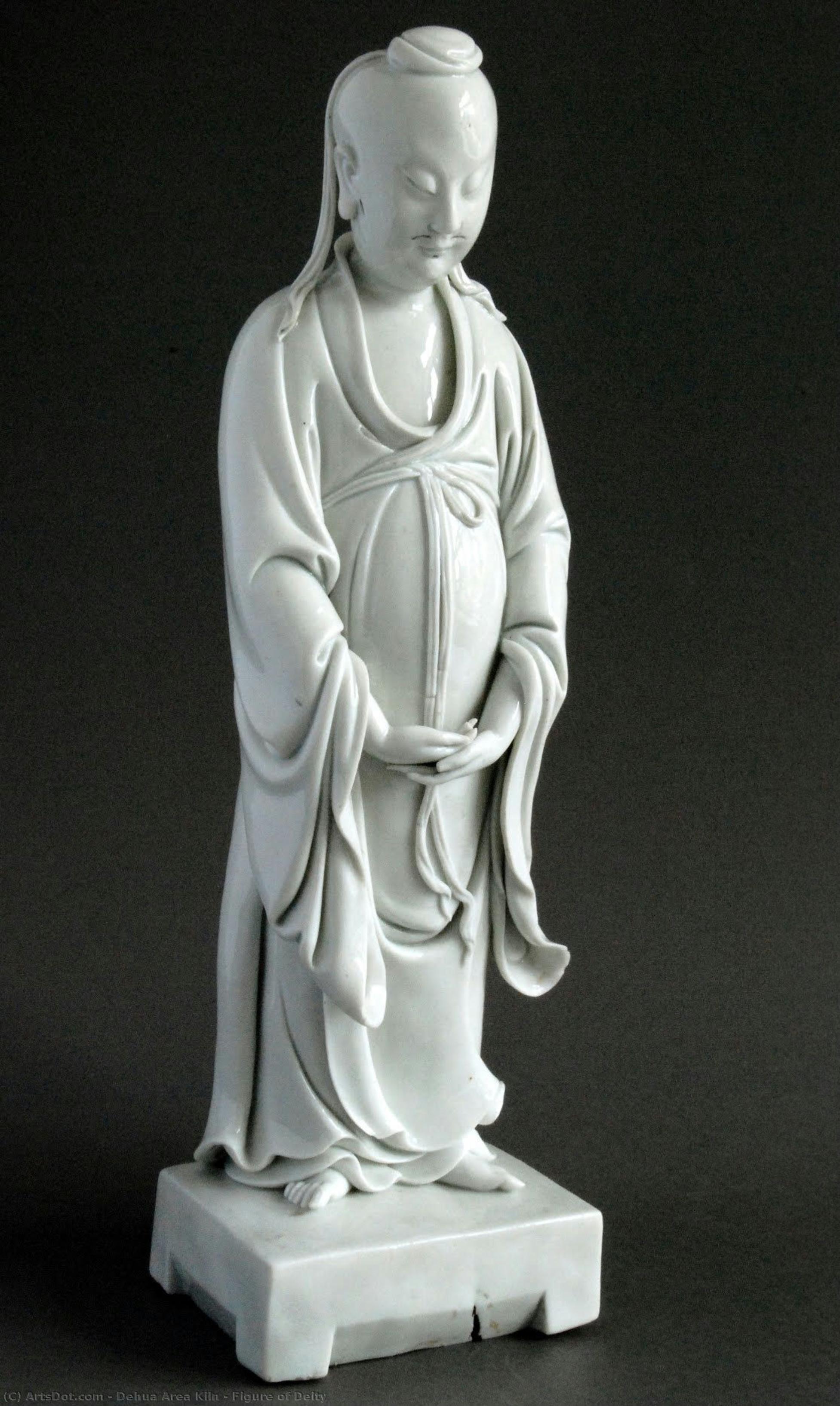
Figure of Deity
 1600
1600 11.0 x 9.0 cm
 Kunstmuseum Riga Börse
 Weiterlesen
Handgefertigte Ölreproduktion
Handgemaltes Ölgemälde auf Leinwand in Ihrer Wunschgröße und mit Rahmen, auf Bestellung von unseren Künstlern angefertigt. ( Druck bestellen Bild kaufen)




































Wählen Sie aus unseren vordefinierten Formaten, die den ursprünglichen Proportionen des Kunstwerks entsprechen.

Sie können Ihre eigenen Maße eingeben, um einen bestimmten Rahmen oder Platz auszufüllen. Wenn die gewählte Größe nicht den Proportionen des Originalbildes entspricht, werden wir das Kunstwerk entweder beschneiden oder das Gemälde durch zusätzliche, handgemalte Elemente erweitern. Ein digitales Mockup wird Ihnen zur Genehmigung zugesandt, bevor die Produktion beginnt.
Bitte beachten Sie, dass die Bildschirmvorschau nicht die tatsächliche Beschneidung oder Erweiterung widerspiegelt. Nur das Mockup zeigt die endgültige Komposition exakt an.
Obwohl Sondermaße verfügbar sind, empfehlen wir, eine Größe aus der vordefinierten Liste zu wählen, um die ursprünglichen Proportionen beizubehalten.
Nach der Bestellung wird das ArtsDot.com-Team dem Kunden Anweisungen per E-Mail zusenden und eine Mockup-Vorschau bereitstellen.
Weltweiter Versand () in nur 3 bis 4 Wochen statt der üblichen 5 Wochen. (29 August). Keine Kompromisse bei der Qualität.

Kostenloser weltweiter Expressversand

Hochwertige Leinenleinwand

Umfassender Versicherungsschutz beim Versand

Zollgebühren-Rückerstattungsgarantie

Garantie für exakte Farbtreue

60 Tage Rückgaberecht (nur bei Mängeln)

100% Geld-zurück-Garantie

Mengenrabatt verfügbar
 Die Glasoption ist nur für Größen unter 110 cm verfügbar.

Figure of Deity
Art der Reproduktion
Format der Reproduktion
-


Gesamtpreis
$ 263
Ähnliche Kunstwerke





Über den Künstler
Dehua Area Kiln: Legacy of White Porcelain
Dehua area kiln, nestled in Fujian Province’s picturesque Dehua County, stands as a testament to centuries of artistic tradition—a singular focus on blanc de Chine porcelain. More than just clay and glaze, it embodies the spirit of Chinese craftsmanship and cultural exchange, culminating in UNESCO World Heritage status in 2021. Its story unfolds through layers of history, innovation, and enduring beauty.- Origins & Early Development: The kiln’s roots stretch back to the Song Dynasty (960-1279), where it initially produced stoneware—primarily for utilitarian purposes. However, by the Ming Dynasty (1368–1644), Dehua had transitioned into a bastion of white porcelain production, driven by abundant kaolin deposits and a burgeoning demand for refined decorative arts. He Chaozong’s patronage profoundly shaped this era, elevating Dehua kiln art to unparalleled heights.
- Technique & Innovation: The hallmark of Dehua porcelain is its distinctive “ivory white” glaze—achieved through meticulous control over firing temperatures and oxidation levels. This technique distinguishes it from Jingdezhen, where reduction firing yields a darker hue. Artisans honed their skills across generations, mastering intricate modeling techniques and applying delicate floral motifs and landscapes with remarkable precision. The kiln’s reputation rested on its ability to reproduce ancient forms faithfully, preserving stylistic nuances that captivated connoisseurs throughout Asia.
- Cultural Significance & Artistic Expression: Dehua porcelain served as a conduit for artistic ideas and cultural influences from Persia, Korea, and Japan during the Ming and Qing Dynasties. Buddhist iconography—particularly Guanyin statues—became dominant themes, reflecting the region’s deep spiritual heritage. The kiln's output wasn’t merely decorative; it functioned as a symbol of prestige and refinement, adorning imperial palaces and aristocratic homes.
- The UNESCO Recognition: The inscription on the UNESCO World Heritage List in 2021 acknowledged Dehua’s pivotal role in medieval maritime trade—the “Maritime Silk Road”—facilitating the exchange of goods, knowledge, and artistic styles between East and West. This designation underscores the kiln's enduring legacy as a cornerstone of Chinese cultural heritage and its contribution to global artistic history.
- Contemporary Revival & Artistic Legacy: While mass production diminished in the 20th century, Dehua kilns continue to thrive today, embracing modern techniques while honoring traditional craftsmanship. Contemporary artists are experimenting with new forms and glazes—drawing inspiration from centuries of heritage—demonstrating that Dehua’s artistic spirit persists into the 21st century.
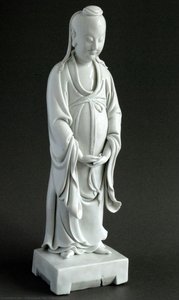
dehua area kiln
China
Kurzinfos
- Artistic Movement Or Style: Blanc de Chine
- Artists Or Movements Influenced By This Artist: ['Meissen']
- Artists Who Influenced This Artist: ['Ming Dynasty Ceramics']
- Full Name: Dehua Area Kiln
- Nationality: Chinese
- Notable Artworks:
- Guanyin Statue
- Dragon Vase
- Place Of Birth: China

