

 Vorschau anzeigen
 Versenden
 Teilen
 Details anzeigen

 Herunterladen
 Ähnliche Objekte
 Röntgenaufnahme
 Diashow
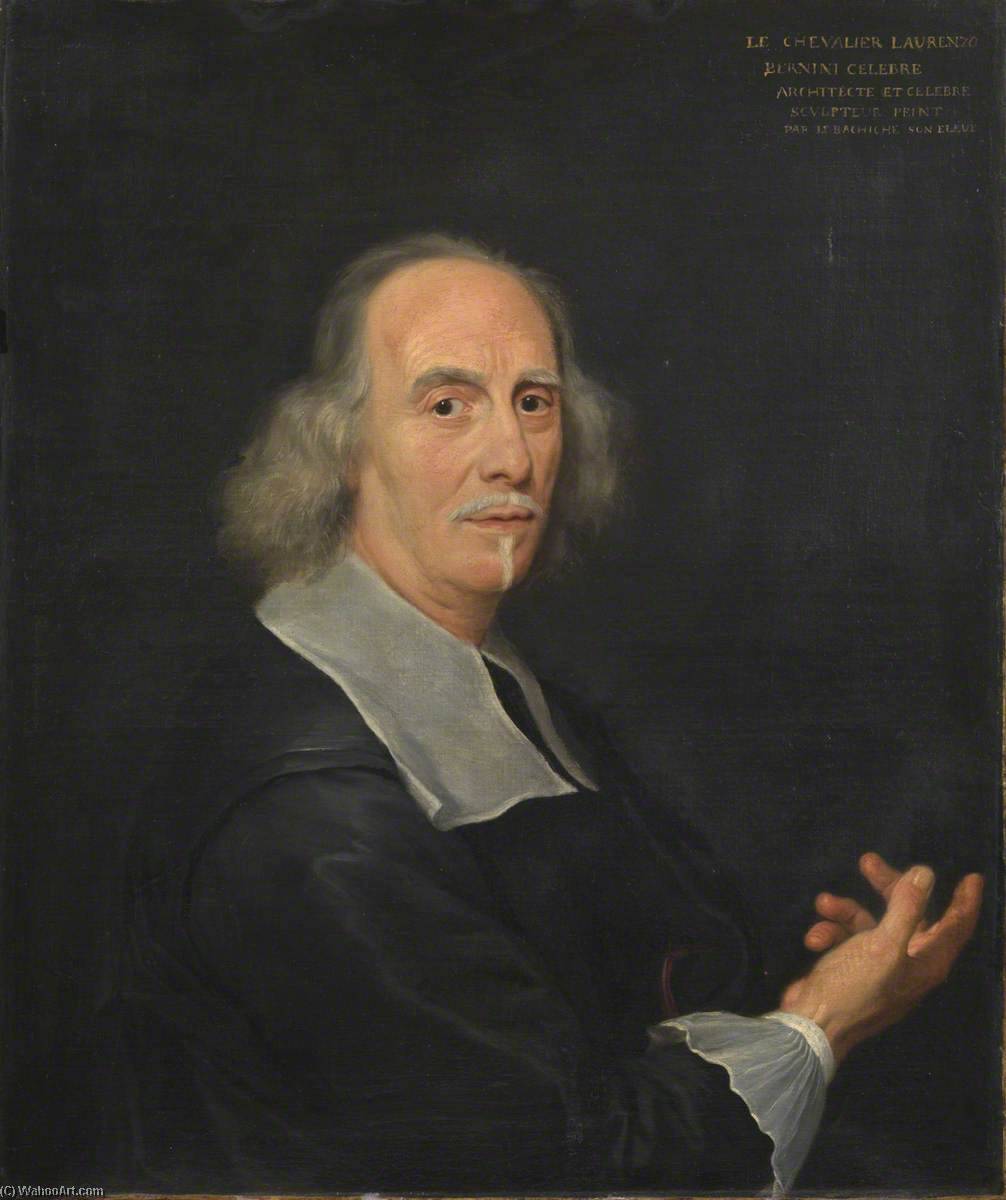
Gian Lorenzo Bernini
 Acryl auf Leinwand
- Wandkunst
- Baroque Style
 1673
1673 74.0 x 61.0 cm
 Courtauld-Galerie
 Weiterlesen
Erwerben Sie ein hochauflösendes, optimiertes digitales Bild, das der Online-Vorschau weit überlegen ist.
Jede Datei wird von unseren hauseigenen Spezialisten mit modernsten Werkzeugen und fachmännischer manueller Retusche sorgfältig vorbereitet. Wir stellen sicher, dass jedes Bild eine außergewöhnliche Klarheit, präzise Farbgenauigkeit und feinste Details aufweist.
Die endgültige Datei wird innerhalb von 72 Stunden per E-Mail zugestellt und ist für den sofortigen Einsatz in professionellen, redaktionellen und Druckumgebungen optimiert. Es handelt sich um dieselbe Qualität, der führende Designstudios, Verlage und Galerien vertrauen.
Digitales Bild
Laden Sie eine hochauflösende Datei für die persönliche Präsentation, den Druck und kreative Projekte herunter. ( Druck bestellen Handgemalte Reproduktion bestellen)
In jeder Bestellung digitaler Bilder enthalten
Professionelle digitale Bereitstellung, garantiert
Wenn Sie sich für ArtsDot.com entscheiden, erhalten Sie nicht nur ein Bild – Sie erhalten ein professionell aufbereitetes digitales Kunstwerk, das mit höchster Präzision erstellt und durch eine Zufriedenheitsgarantie abgesichert wird. Hier ist alles, was automatisch mit Ihrer Bestellung geliefert wird:

Schnelle E-Mail-Zustellung
Ihre hochauflösende digitale Bilddatei wird Ihnen innerhalb von 72 Stunden nach der Bestellung per E-Mail zugestellt – bereit zur sofortigen Verwendung.

KI-optimierte digitale Datei
Ihre Kunstwerke werden professionell mithilfe fortschrittlicher KI-Tools und manueller Bearbeitung optimiert, um maximale Detailtreue, Klarheit und Farbgenauigkeit zu gewährleisten.

Lebenslanger kostenloser Neudruckservice
Datei versehentlich gelöscht oder verloren? Keine Sorge – wir senden sie Ihnen jederzeit kostenlos erneut zu.

Keine Einfuhrgebühren – jemals
Genießen Sie Ihr Kunstwerk sofort ohne Zollgebühren, Einfuhrabgaben oder Versandkosten – digitale Downloads sind immer steuerfrei.

Garantierte Farbtreue
Wir garantieren, dass Ihr digitales Bild mithilfe professioneller Werkzeuge und Farbmanagement die Originalfarben so präzise wie möglich wiedergibt.

60-Tage-Zufriedenheitsgarantie
Sollten Sie mit Ihrem digitalen Bild nicht zufrieden sein, werden wir es überarbeiten oder Ihnen innerhalb von 60 Tagen 100% erstatten – ohne Wenn und Aber.

100% Geld-zurück-Garantie
Nicht zufrieden? Erhalten Sie innerhalb von 60 Tagen nach Erhalt Ihrer digitalen Datei eine vollständige Rückerstattung – ohne Angabe von Gründen.

Rabatte bei Großbestellungen
3 Bilder kaufen, 10% sparen – 5 Bilder kaufen, 15% sparen – Ab 10 Bildern 20% sparen. Ideal für kreative Projekte, Galerien und Agenturen.
Details zum Sammlerstück
A Window Into Baroque Splendor: Detto Baciccio's "Christ Giving the Host to a Holy Abbess"
Giovanni Battista Gaulli (detto baciccio), a name synonymous with theatrical illusionism and masterful color palettes, stands as one of Rome’s most celebrated Baroque artists. Born in Genoa around 1639, his formative years coincided with the zenith of Bernini's sculptural prowess—a connection that profoundly shaped Gaulli’s artistic vision and cemented his legacy as a true innovator of his time. While biographical details remain somewhat elusive, Gaulli’s unwavering dedication to honing his craft swiftly propelled him into the orbit of Rome’s artistic elite, securing commissions from influential patrons and establishing himself as a pivotal figure in shaping the aesthetic sensibilities of the Baroque era. ### The Fresco's Dramatic Narrative: A Symphony of Light and Shadow “Christ Giving the Host to a Holy Abbess,” housed within the Courtauld Gallery in London, exemplifies Gaulli’s signature style—a breathtaking fresco that transcends mere representation to deliver an immersive experience for the viewer. Completed in 1673, this monumental artwork depicts Saint Agnes receiving communion from Christ, orchestrated with meticulous attention to detail and imbued with a palpable sense of spiritual fervor. The scene unfolds within a richly ornamented chapel interior, bathed in dramatic chiaroscuro—a technique perfected by Bernini himself—where shafts of light pierce through arched windows, illuminating the figures and casting deep shadows that heighten the emotional intensity of the moment. This masterful manipulation of light isn’t merely decorative; it serves as a cornerstone of Gaulli's artistic philosophy, mirroring the Baroque preoccupation with conveying divine grace and elevating the viewer to contemplate the sacred realm. ### Technique and Material: Mastering Oil on Canvas – A Legacy of Illusionism Gaulli’s technique—primarily oil paint applied onto canvas—was considered revolutionary for its time. Unlike tempera paints, which produce muted hues and lack luminosity, oil pigments retain their vibrancy and blend seamlessly together, allowing for unparalleled tonal gradations and textural nuances. This meticulous approach is evident in the subtle variations of color within Saint Agnes’ robe and Christ's garment, creating a visual tapestry that captivates the eye. Furthermore, Gaulli skillfully employed layering techniques—applying thin glazes over underlayers—to achieve remarkable depth and realism, mirroring the Baroque ideal of capturing not just what is seen but also what is felt. The meticulous preparation of the canvas surface itself – sanding it down to create a smooth, receptive plane – underscores Gaulli’s commitment to achieving optimal visual impact. ### Symbolism: Divine Grace Amidst Architectural Grandeur Beyond its technical brilliance, “Christ Giving the Host to a Holy Abbess” resonates with profound symbolic significance. The chapel setting—a deliberate allusion to pilgrimage sites and sacred spaces—emphasizes the importance of faith and devotion. Christ’s outstretched hand symbolizes divine compassion and generosity, offering communion as an emblem of spiritual nourishment. Saint Agnes' serene countenance embodies humility and purity, representing the sanctity of monastic life. These elements converge to convey a powerful message about redemption and transcendence – a testament to Gaulli’s ability to infuse his artwork with layers of meaning that continue to inspire contemplation centuries later. ### An Enduring Masterpiece: Influence Beyond Boundaries Giovanni Battista Gaulli's influence extends far beyond the confines of Rome, impacting artists across Europe. His pioneering use of chiaroscuro and illusionistic fresco painting established him as a pivotal figure in shaping Baroque aesthetics—a style characterized by grandeur, theatricality, and an unwavering belief in conveying emotion through visual spectacle. Like Caravaggio’s dramatic compositions, Gaulli's work championed the expressive power of art, prioritizing emotional impact over strict adherence to realism. Today, reproductions of “Christ Giving the Host to a Holy Abbess” adorn galleries worldwide, ensuring that Gaulli’s visionary artistry continues to captivate audiences and inspire generations of artists—a true embodiment of Baroque splendor.Ähnliche Kunstwerke
Biografie des Künstlers
Giovanni Battista Gaulli (Detto Baciccio): Architect of Illusion
Giovanni Battista Gaulli, affectionately known as detto baciccio – “the little painter” – stands as a towering figure in the Baroque artistic landscape. Born in Genoa around 1639, his formative years were steeped in the intellectual ferment of the Renaissance and early Baroque, shaping him into an artist profoundly influenced by the monumental achievements of Gian Lorenzo Bernini. While biographical details remain somewhat elusive, Gaulli’s unwavering dedication to mastering his craft swiftly propelled him toward prominence within Rome's artistic circles.Early Training and Artistic Style
Gaulli’s artistic education commenced under Bernini’s watchful eye at the Vatican atelier, absorbing the foundational principles of theatrical illusionism and sculptural grandeur – a legacy that would indelibly define his distinctive style. This profound influence is immediately apparent in his approach to painting; Gaulli eschewed meticulous realism, opting instead for a technique characterized by dramatic contrasts and vibrant hues. He prioritized emotional resonance above photographic accuracy, skillfully employing chiaroscuro—the masterful manipulation of light and shadow—to sculpt forms within the canvas, mirroring Bernini’s unparalleled sculptural prowess. This deliberate stylistic choice ensured that his paintings wouldn't merely depict scenes but actively engage the viewer’s senses and intellect.Notable Works: Frescoes of St. Agnes
Gaulli’s enduring fame rests principally upon his monumental frescoes adorning the Basilica di San Pietro in Montorio – specifically, the Chapel of St. Agnes. Commissioned by Cardinal Scipione Borghese, this ambitious undertaking showcased Gaulli’s unsurpassed ability to execute illusionistic vault paintings that challenged conventional perspective and captivated audiences with their breathtaking grandeur. The chapel recounts the ascension of Saint Agnes into heaven—a narrative rendered with astonishing detail and imbued with palpable spiritual fervor. The fresco's central dome portrays Christ descending from Heaven to receive Agnes, surrounded by angels and saints – a sublime spectacle designed to inspire awe and reverence. This masterpiece cemented Gaulli’s reputation as Rome’s foremost illusionistic painter and remains a cornerstone of Baroque art history.Expanding Horizons Beyond St. Agnes
Despite the Chapel of St. Agnes securing his place among artistic luminaries, Gaulli continued to produce significant works throughout his prolific career. He undertook commissions for churches across Rome – including Santa Maria Maggiore and San Giovanni Laterano – demonstrating remarkable versatility and adaptability within the Baroque aesthetic. His frescoes in these spaces further solidified his mastery of illusionistic techniques and underscored his unwavering commitment to conveying profound religious narratives with dramatic visual impact. Furthermore, Gaulli’s architectural designs complemented his artistic endeavors, contributing to the splendor and majesty of several Roman churches.Legacy and Influence
Giovanni Battista Gaulli's influence extended far beyond his individual creations; he served as a pivotal catalyst in shaping the Baroque aesthetic itself. His pioneering use of illusionistic painting techniques established a precedent for subsequent artists who sought to emulate his masterful command of color, light, and perspective – a testament to his enduring artistic vision. Gaulli’s legacy continues to inspire admiration and scholarly study today, securing his place as one of the most influential figures in Baroque art history—a true embodiment of its grandeur and expressive power.
Giovanni Battista Gaulli (Detto Baciccio)
1639 - 1709 , Italien
Kurzinfos
- Artistic Movement Or Style: Barockkunst
- Artists Who Influenced This Artist: ['Gian Lorenzo Bernini']
- Date Of Birth: 8 Mai 1639
- Date Of Death: 2 Apr 1709
- Full Name: Giovanni Battista Gaulli
- Nationality: Italienisch
- Notable Artworks:
- St. Agnes ist zum Himmel aufgestiegen
- Die Kuppeldekoration
- Place Of Birth: Genoa, Italien

