 Vorschau anzeigen
 Versenden
 Teilen
 Details anzeigen

 Herunterladen
 Ähnliche Objekte
 Röntgenaufnahme
 Diashow
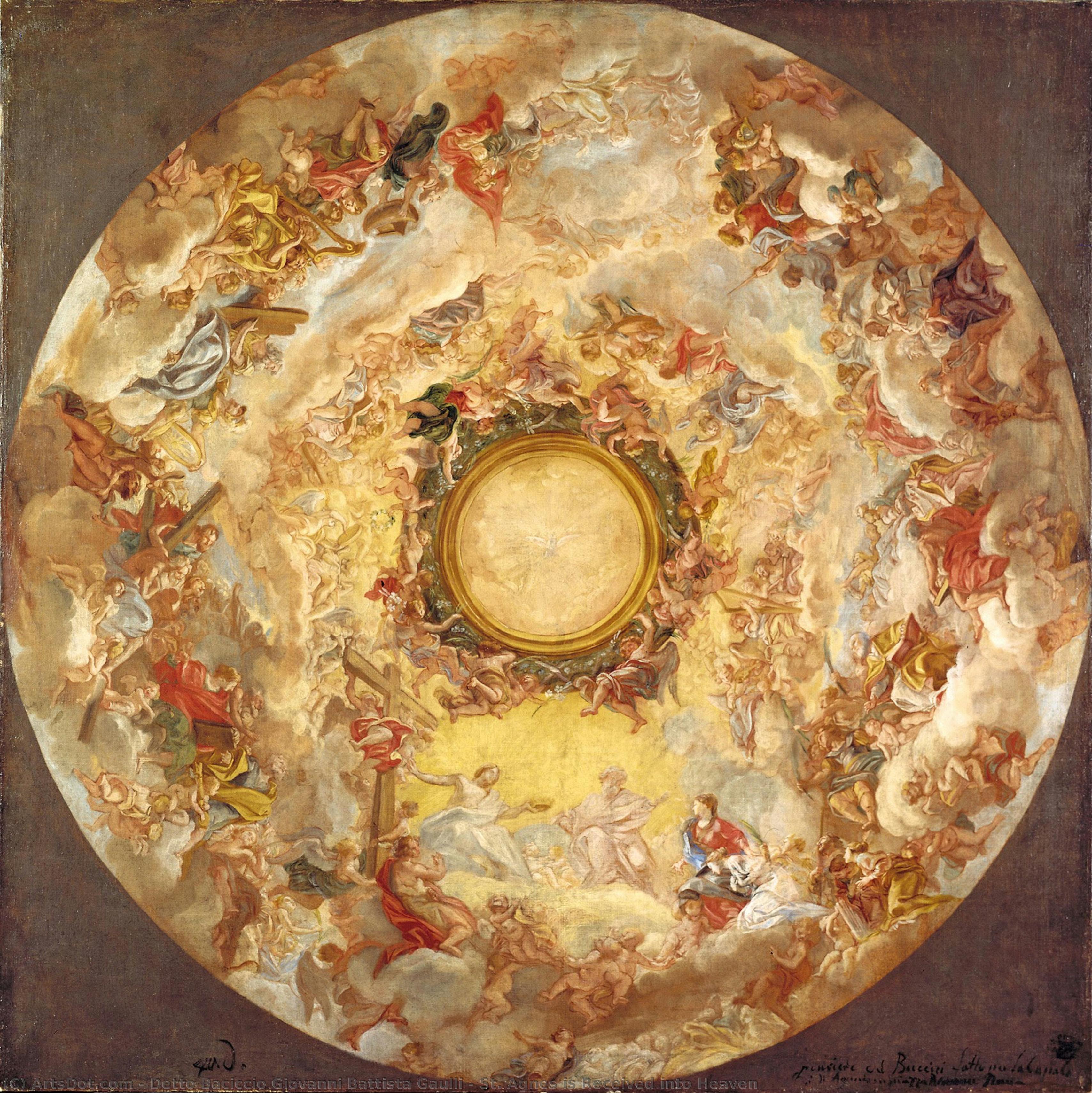
St. Agnes is Received into Heaven
 Oil
Oil- WallArt
- Baroque
 1689
1689- Early Modern
 999.0 x 994.0 cm
 Kunstpalast
 Weiterlesen
Giclée / Kunstdruck
Giclée- oder Leinwanddruck in Museumsqualität mit schneller Produktion und flexiblen Veredelungsoptionen. ( Handgemalte Reproduktion bestellen Bild kaufen)




P118B $10

P118H $10

P118W $10

P438Z $10

P508JH $12

P508YH $12

P805H $10

P805Z $10

P919BZ $10

P919G $10

P919XJ $10

P959ZH $10

P968JZ $12

W106C $8

W218G $10

W218JH $8

W218Y $10

W307PJ $10

W316G $10

W316PJ $8

W316Y $10

W398PJ $8

W4111J $10

W500HY $15

W500JH $15

W692G $12

W849H $8

W940BG $15

W953PJ $8




Wählen Sie aus unseren vordefinierten Formaten, die den ursprünglichen Proportionen des Kunstwerks entsprechen.

Sie können Ihre eigenen Maße eingeben, um ein bestimmtes Format oder einen speziellen Platz einzupassen. Wenn das von Ihnen gewählte Format nicht den Proportionen des Originalbildes entspricht, werden wir das Kunstwerk entweder beschneiden oder das Bild mit einem gespiegelten oder einfarbigen Rand erweitern. Ein digitaler Entwurf wird Ihnen zur Genehmigung zugesandt, bevor die Produktion beginnt.
Bitte beachten Sie, dass die Vorschau auf dem Bildschirm nicht den tatsächlichen Zuschnitt oder die Erweiterung widerspiegelt. Nur der Entwurf zeigt die endgültige Komposition präzise an.
Obwohl Sondermaße verfügbar sind, empfehlen wir die Auswahl eines Maßes aus der vordefinierten Liste, um die ursprünglichen Proportionen zu bewahren.
Weltweiter Versand () innerhalb von 2 Wochen statt der üblichen 4/5 Wochen. (28 August)

Kostenloser weltweiter Expressversand

Hochwertige Leinenleinwand

Umfassender Versicherungsschutz beim Versand

Zollgebühren-Rückerstattungsgarantie

Garantie für exakte Farbtreue

60 Tage Rückgaberecht (nur bei Mängeln)

100% Geld-zurück-Garantie

Mengenrabatt verfügbar
 Die Glasoption ist nur für Größen unter 110 cm verfügbar.

St. Agnes is Received into Heaven
Giclée / Kunstdruck
Format der Reproduktion
-


Gesamtpreis
$ 62
A Celestial Ascent: The Visionary Brilliance of St. Agnes
In the heart of Rome’s Baroque splendor, few visions capture the ethereal boundary between earth and heaven as profoundly as St. Agnes is Received into Heaven. This breathtaking oil bozzetto serves as a window into a moment of divine transcendence, where the physical world dissolves into a swirling vortex of light and spirit. The composition centers on the saint herself, caught in a state of sublime ascension, her form being tenderly hoisted toward the infinite by a celestial host. As the eye wanders through the circular frame, it encounters an army of angels and divine figures arranged in a rhythmic, spiral-like motion. This deliberate arrangement creates a powerful sense of kinetic energy, pulling the viewer upward along with the saint, as if the very architecture of the painting is opening to reveal the heavens themselves.
The technical mastery displayed in this work is nothing short of miraculous, embodying the illusionistic heights of the Roman Late Baroque. The artist utilizes a sophisticated manipulation of light and shadow—a technique known as chiaroscuro—to give weight to the figures while simultaneously making them appear weightless upon their banks of clouds. Through an audacious abbreviation of space, the painting achieves a sense of depth that defies its two-dimensional surface, creating a trompe l'oeil effect that suggests the dome above is not a solid structure, but a gateway to the divine. For the discerning collector or interior designer, this piece offers more than mere decoration; it provides a focal point of profound movement and dramatic tension, capable of transforming a space into a sanctuary of contemplation.
The Legacy of Illusion: Gaulli and the Baroque Spirit
To understand the emotional gravity of this masterpiece, one must look to the hands of its creator, Giovanni Battista Gaulli, known affectionately as Baciccio. A protégé of the legendary Gian Lorenzo Bernini, Gaulli brought a sculptural sensibility to the medium of oil painting. This particular work emerged from a complex historical moment in 1689, following the sudden death of Ciro Ferri. Tasked with completing the decoration for the Church of Sant‘Agnese on the Piazza Navona, Gaulli utilized this bozzetto to experiment with the theatricality and grandeur that would define his legacy. The painting is a testament to the transition of artistic responsibility, where the vision of one master was refined and expanded by another, resulting in a design that pushed the boundaries of what the human eye could perceive as reality.
The symbolism embedded within the swirling clouds and the upward trajectory of the figures speaks to the eternal themes of purity, martyrdom, and divine grace. Every brushstroke is designed to evoke awe, making this reproduction an ideal acquisition for those who appreciate art that tells a story of spiritual triumph. Whether placed in a grand gallery or as a sophisticated statement piece in a contemporary setting, the painting radiates a timeless elegance. It invites the observer to pause and lose themselves in the rhythmic dance of the angels, offering a permanent sense of wonder and a breathtaking glimpse into the celestial realm.
Ähnliche Kunstwerke

Über den Künstler
Giovanni Battista Gaulli (Detto Baciccio): Architect of Illusion
Giovanni Battista Gaulli, affectionately known as detto baciccio – “the little painter” – stands as a towering figure in the Baroque artistic landscape. Born in Genoa around 1639, his formative years were steeped in the intellectual ferment of the Renaissance and early Baroque, shaping him into an artist profoundly influenced by the monumental achievements of Gian Lorenzo Bernini. While biographical details remain somewhat elusive, Gaulli’s unwavering dedication to mastering his craft swiftly propelled him toward prominence within Rome's artistic circles.Early Training and Artistic Style
Gaulli’s artistic education commenced under Bernini’s watchful eye at the Vatican atelier, absorbing the foundational principles of theatrical illusionism and sculptural grandeur – a legacy that would indelibly define his distinctive style. This profound influence is immediately apparent in his approach to painting; Gaulli eschewed meticulous realism, opting instead for a technique characterized by dramatic contrasts and vibrant hues. He prioritized emotional resonance above photographic accuracy, skillfully employing chiaroscuro—the masterful manipulation of light and shadow—to sculpt forms within the canvas, mirroring Bernini’s unparalleled sculptural prowess. This deliberate stylistic choice ensured that his paintings wouldn't merely depict scenes but actively engage the viewer’s senses and intellect.Notable Works: Frescoes of St. Agnes
Gaulli’s enduring fame rests principally upon his monumental frescoes adorning the Basilica di San Pietro in Montorio – specifically, the Chapel of St. Agnes. Commissioned by Cardinal Scipione Borghese, this ambitious undertaking showcased Gaulli’s unsurpassed ability to execute illusionistic vault paintings that challenged conventional perspective and captivated audiences with their breathtaking grandeur. The chapel recounts the ascension of Saint Agnes into heaven—a narrative rendered with astonishing detail and imbued with palpable spiritual fervor. The fresco's central dome portrays Christ descending from Heaven to receive Agnes, surrounded by angels and saints – a sublime spectacle designed to inspire awe and reverence. This masterpiece cemented Gaulli’s reputation as Rome’s foremost illusionistic painter and remains a cornerstone of Baroque art history.Expanding Horizons Beyond St. Agnes
Despite the Chapel of St. Agnes securing his place among artistic luminaries, Gaulli continued to produce significant works throughout his prolific career. He undertook commissions for churches across Rome – including Santa Maria Maggiore and San Giovanni Laterano – demonstrating remarkable versatility and adaptability within the Baroque aesthetic. His frescoes in these spaces further solidified his mastery of illusionistic techniques and underscored his unwavering commitment to conveying profound religious narratives with dramatic visual impact. Furthermore, Gaulli’s architectural designs complemented his artistic endeavors, contributing to the splendor and majesty of several Roman churches.Legacy and Influence
Giovanni Battista Gaulli's influence extended far beyond his individual creations; he served as a pivotal catalyst in shaping the Baroque aesthetic itself. His pioneering use of illusionistic painting techniques established a precedent for subsequent artists who sought to emulate his masterful command of color, light, and perspective – a testament to his enduring artistic vision. Gaulli’s legacy continues to inspire admiration and scholarly study today, securing his place as one of the most influential figures in Baroque art history—a true embodiment of its grandeur and expressive power.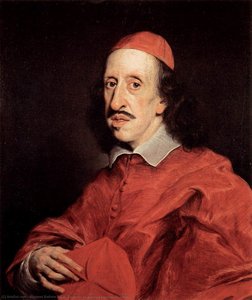
Giovanni Battista Gaulli (Detto Baciccio)
1639 - 1709 , Italien
Kurzinfos
- Artistic Movement Or Style: Barockkunst
- Artists Who Influenced This Artist: ['Gian Lorenzo Bernini']
- Date Of Birth: 8 Mai 1639
- Date Of Death: 2 Apr 1709
- Full Name: Giovanni Battista Gaulli
- Nationality: Italienisch
- Notable Artworks:
- St. Agnes ist zum Himmel aufgestiegen
- Die Kuppeldekoration
- Place Of Birth: Genoa, Italien
Ähnliche Artikel
Celestial Messengers: Angels in Painting – A Historical & Artistic Exploration
Explore the captivating history of angels in painting! Discover symbolism, iconic Renaissance & Byzantine masterpieces, and renowned artists. Expert insights for art lovers & collectors at ArtsDot.
Celestial Messengers: A Comprehensive Exploration of Angelic Representation in Art History
Explore the captivating history of angels in art! Discover symbolism, iconic Renaissance masterpieces & renowned artists. Expert insights for art lovers & collectors at ArtsDot.
El Greco: Die 25 Meisterwerke – Kunst für Ihr Zuhause | ArtsDot
Entdecken Sie die 25 bedeutendsten Meisterwerke von El Greco! Erleben Sie die spirituelle Tiefe und den dramatischen Stil des griechischen Malers. Hochwertige Kunstdrucke & Inspiration für Ihr Zuhause auf ArtsDot.com.

Barock Meisterwerke: Die 10 prägendsten Kunstwerke für Ihr Zuhause |
Entdecken Sie die 10 prägendsten Meisterwerke des Barock! Caravaggio, Rembrandt & Co. – Erfahren Sie die Geschichten hinter ikonischen Gemälde und finden Sie hochwertige Kunst Reproduktionen für Ihr Zuhause auf .

Barocke Pracht: Wie Sie Opulenz und Emotionen in zeitgenössische Innenräume bringen
Entdecken Sie die Pracht des Barock! Expertenratgeber für luxuriöse Innenräume mit barocken Elementen. Inspiration, Tipps & hochwertige Kunst bei .