 Vorschau anzeigen
 Versenden
 Teilen
 Details anzeigen

 Herunterladen
 Ähnliche Objekte
 Röntgenaufnahme
 Diashow
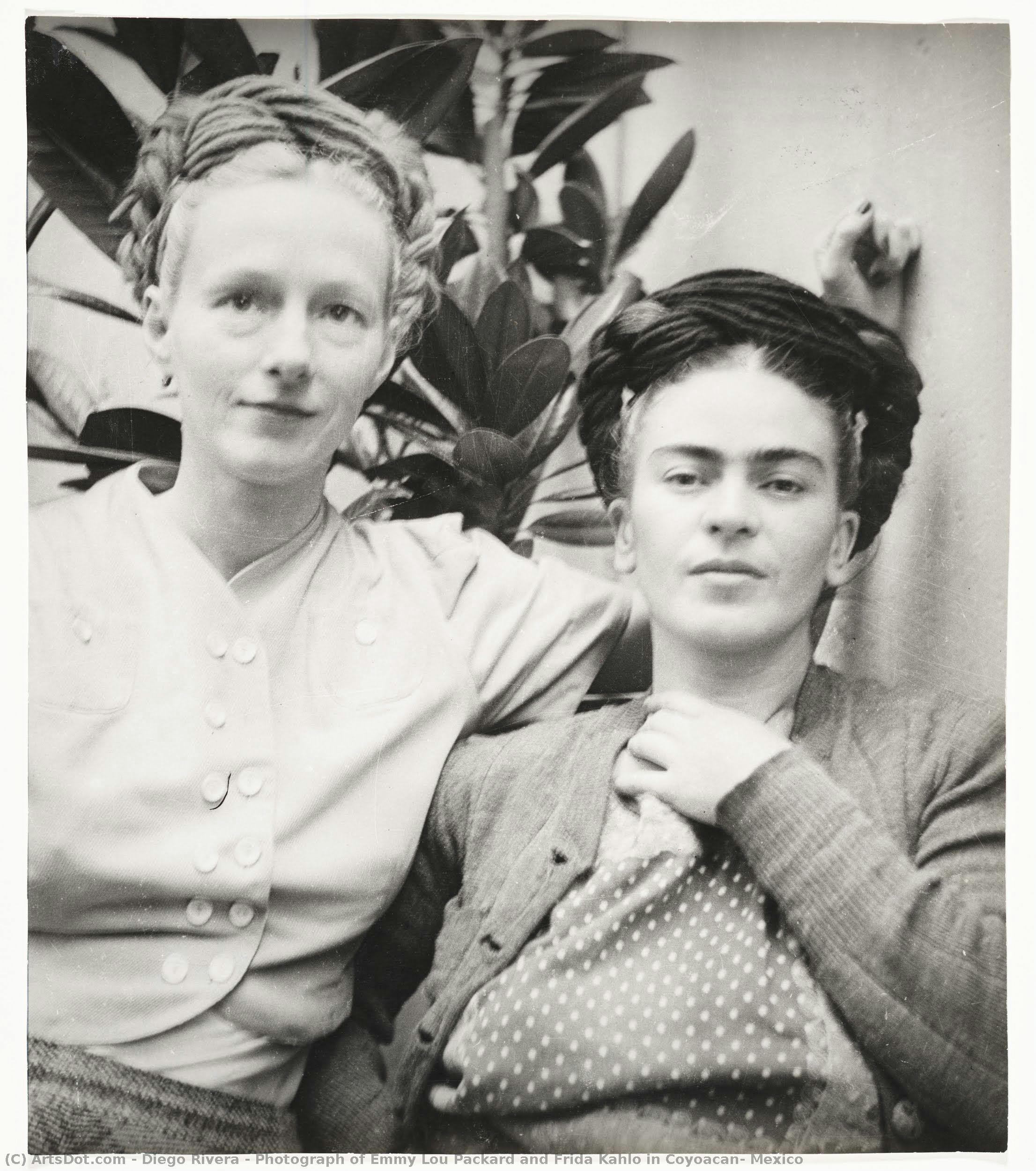
Photograph of Emmy Lou Packard and Frida Kahlo in Coyoacan, Mexico
 Acrylic On Canvas
- WallArt
 1941
1941 35.0 x 31.0 cm
 Archive der Amerikanischen Kunst
 Weiterlesen
Giclée / Kunstdruck
Giclée- oder Leinwanddruck in Museumsqualität mit schneller Produktion und flexiblen Veredelungsoptionen. ( Handgemalte Reproduktion bestellen Bild kaufen)




P118B $10

P118H $10

P118W $10

P438Z $10

P508JH $12

P508YH $12

P805H $10

P805Z $10

P919BZ $10

P919G $10

P919XJ $10

P959ZH $10

P968JZ $12

W106C $8

W218G $10

W218JH $8

W218Y $10

W307PJ $10

W316G $10

W316PJ $8

W316Y $10

W398PJ $8

W4111J $10

W500HY $15

W500JH $15

W692G $12

W849H $8

W940BG $15

W953PJ $8




Wählen Sie aus unseren vordefinierten Formaten, die den ursprünglichen Proportionen des Kunstwerks entsprechen.

Sie können Ihre eigenen Maße eingeben, um ein bestimmtes Format oder einen speziellen Platz einzupassen. Wenn das von Ihnen gewählte Format nicht den Proportionen des Originalbildes entspricht, werden wir das Kunstwerk entweder beschneiden oder das Bild mit einem gespiegelten oder einfarbigen Rand erweitern. Ein digitaler Entwurf wird Ihnen zur Genehmigung zugesandt, bevor die Produktion beginnt.
Bitte beachten Sie, dass die Vorschau auf dem Bildschirm nicht den tatsächlichen Zuschnitt oder die Erweiterung widerspiegelt. Nur der Entwurf zeigt die endgültige Komposition präzise an.
Obwohl Sondermaße verfügbar sind, empfehlen wir die Auswahl eines Maßes aus der vordefinierten Liste, um die ursprünglichen Proportionen zu bewahren.
Weltweiter Versand () innerhalb von 2 Wochen statt der üblichen 4/5 Wochen. (31 August)

Kostenloser weltweiter Expressversand

Hochwertige Leinenleinwand

Umfassender Versicherungsschutz beim Versand

Zollgebühren-Rückerstattungsgarantie

Garantie für exakte Farbtreue

60 Tage Rückgaberecht (nur bei Mängeln)

100% Geld-zurück-Garantie

Mengenrabatt verfügbar
 Die Glasoption ist nur für Größen unter 110 cm verfügbar.

Photograph of Emmy Lou Packard and Frida Kahlo in Coyoacan, Mexico
Giclée / Kunstdruck
Format der Reproduktion
-


Gesamtpreis
$ 62
A Moment Frozen: The Intimate Portrait of Packard and Kahlo
Diego Rivera’s photograph, “Photograph of Emmy Lou Packard and Frida Kahlo in Coyoacan, Mexico,” isn't merely a snapshot; it’s a carefully constructed tableau brimming with unspoken narratives. Captured in 1941 during Rivera’s time in Coyoacán, the heart of Mexico’s artistic community, this image transcends its documentary origins to become a poignant meditation on friendship, mentorship, and the vibrant spirit of revolutionary art. The scene unfolds within a sun-drenched courtyard, a space both familiar and subtly charged with significance – a place where two titans of 20th-century art found themselves sharing a quiet moment.
Rivera’s masterful composition immediately draws the eye to the central figures: Emmy Lou Packard, dressed in a bold polka dot dress that clashes playfully with Frida Kahlo's elaborate turban and dark attire. Both women are radiating an effortless warmth, their smiles genuine and inviting. The inclusion of potted plants – vibrant geraniums and trailing vines – adds a touch of domesticity and natural beauty to the scene, grounding the portrait within the everyday rhythms of life in Coyoacán. The photograph’s black-and-white palette amplifies the emotional resonance, stripping away superficial details to focus on the essential elements of human connection.
The Artists' Circle: Context and Collaboration
Understanding this image requires recognizing the complex relationships within Rivera’s circle. Emmy Lou Packard was a pivotal figure, serving as Diego Rivera’s studio assistant and confidante during his time in Mexico. She wasn’t simply an observer; she actively participated in the artistic process, offering insights and support to both Rivera and Kahlo. Frida Kahlo, known for her intensely personal and often harrowing self-portraits, deeply valued Packard's friendship and sought her counsel. The photograph captures a rare moment of shared intimacy between these two extraordinary women – a testament to their mutual respect and creative synergy.
Rivera’s decision to document this encounter speaks volumes about his artistic philosophy. He was fascinated by the interplay of personalities within his studio, recognizing that collaboration could spark innovation and enrich the creative process. Packard's presence in the photograph is not incidental; she represents a vital element of Rivera’s artistic ecosystem – a woman of quiet strength and unwavering dedication who played an indispensable role in shaping some of the most iconic works of the 20th century.
Symbolism and Emotional Resonance
The image resonates with layers of symbolism. The polka dot dress, a bold statement against Frida’s more subdued attire, suggests Packard's independent spirit and her refusal to conform to conventional expectations. The turban worn by Kahlo is often interpreted as a symbol of strength and resilience – a visual representation of the pain and suffering she endured throughout her life. The shared smiles convey a sense of mutual understanding and support, hinting at a deep bond forged through shared experiences and artistic passions.
Beyond its specific details, the photograph evokes a powerful emotional response. It’s a reminder that art is not simply about technical skill; it's also about human connection – about capturing fleeting moments of intimacy and vulnerability. The image invites us to contemplate the lives of these two remarkable women, their struggles, their triumphs, and their enduring legacy.
A Legacy in Reproduction: Bringing Packard and Kahlo Together
Reproductions of this photograph offer a unique opportunity to bring together two of the 20th century’s most influential artists. The image's inherent warmth and intimacy make it ideal for framing and displaying in homes, studios, or galleries. Its timeless appeal ensures that it will continue to captivate viewers for generations to come. Consider this photograph not just as a historical document, but as a portal into the creative world of Rivera’s studio – a space where art, friendship, and revolution converged.
Ähnliche Kunstwerke
Über den Künstler
Frühes Leben und künstlerische Ausbildung
- Geboren: 8. Dezember 1886, Guanajuato, Mexiko
- Gestorben: 24. November 1957
- Diego Riveras künstlerischer Weg begann früh; er zeigte ab seinem dritten Lebensjahr Interesse an der Kunst.
- Er studierte an der Akademie von San Carlos in Mexiko-Stadt.
- Teodoro A. dehesa Méndez finanzierte sein Studium in Europa, beginnend 1907.
- Zunächst studierte er bei Eduardo Chicharro in Madrid, Spanien.
- Er zog nach Paris, Frankreich und wurde Teil der Montparnasse-Künstlergemeinschaft.
Europäische Einflüsse und künstlerische Entwicklung
- Frühe europäische Arbeiten waren vom Realismus beeinflusst.
- Die Auseinandersetzung mit dem Kubismus hatte ab 1912 einen bedeutenden Einfluss auf seinen Stil.
- Beeinflusst von Künstlern wie Pablo Picasso und Georges Seurat.
- Seine Gemälde dieser Zeit begannen, geometrische Formen und sich kreuzende Ebenen zu integrieren, was die kubistische Bewegung widerspiegelte.
Rückkehr nach Mexiko und die mexikanische Wandmalbewegung
- Rivera kehrte 1921 nach Mexiko zurück, ein entscheidender Moment in seiner Karriere.
- Er wurde eine führende Figur der mexikanischen Wandmalbewegung, mit dem Ziel, öffentlich zugängliche Kunst zu schaffen.
- Seine Wandgemälde stellten oft Szenen aus der mexikanischen Geschichte und sozialen Themen dar.
- Bemerkenswerte frühe Werke sind „Schöpfung“ (1922) und Wandgemälde im Secretaría de Educación Pública in Mexiko-Stadt.
Hauptwerke und künstlerischer Stil
- Schöpfung (1922): Sein erstes bedeutendes Wandgemälde, das die Enkaustiktechnik verwendete.
- Träume eines Sonntags im Alameda: Kontrovers wegen seiner Darstellung von Atheismus.
- Wandgemälde der Secretaría de Educación Pública: Zeigten seinen einzigartigen Stil mit großen, vereinfachten Figuren und kräftigen Farben, die vom aztekischen Kunst beeinflusst waren.
- Detroit Industry Wandgemälde (1933): In Auftrag gegeben für das Detroit Institute of Arts, darstellend industrielle Prozesse und Arbeiter.
- Riveras Stil: Charakterisiert durch monumentale Größe, vereinfachte Formen, lebendige Farben und einen Fokus auf soziale und historische Erzählungen. Er integrierte Elemente der mexikanischen Volkskunst und präkolumbianischer Ästhetik in seine Arbeit.
Vermächtnis und historische Bedeutung
- Diego Rivera gilt als einer der wichtigsten Künstler des 20. Jahrhunderts.
- Seine Wandgemälde sind bedeutende Beispiele für Sozialrealismus und öffentliche Kunst.
- Er spielte eine entscheidende Rolle bei der Etablierung des mexikanischen Muralismus als einflussreiche künstlerische Bewegung.
- Riveras Werk spiegelt seine politischen Überzeugungen wider, insbesondere seine marxistischen Ansichten.
- Sein Privatleben, einschließlich seiner Ehe mit Frida Kahlo, hat zu seinem bleibenden Ruhm und zur kulturellen Bedeutung beigetragen.
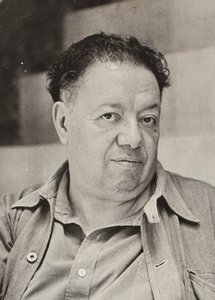
Diego Rivera
1886 - 1957 , Mexiko
Kurzinfos
- Beeinflusste Künstler:
- El Greco
- Francisco Goya
- Diego Velazquez
- Pablo Picasso
- Bemerkenswerte Werke:
- Schöpfung (1922)
- Sonntagstraum
- Detroit Industry
- Geburtsdatum: 8. Dezember 1886
- Geburtsort: Guanajuato, Mexiko
- Künstlerische Bewegung: Mexikanischer Muralismus
- Nationalität: Mexikaner
- Sterbedatum: 24. November 1957
- Vollständiger Name: Diego Rivera
Ähnliche Artikel
Frida Kahlo: Leben, Werk und die Kraft der Selbstreflexion im Surrealismus
Entdecken Sie das faszinierende Leben und Werk von Frida Kahlo! Unsere Expertenanalyse beleuchtet ihren einzigartigen Stil, die tiefgründigen Selbstporträts und den bleibenden Einfluss der mexikanischen Künstlerin auf die Kunstgeschichte.
Diego Rivera: Eine revolutionäre Vision mexikanischer Identität durch die Wandmalerei
Entdecken Sie die revolutionäre Wandmalerei Diego Riveras und ihre Bedeutung für die mexikanische Identität. Analysen, Hintergründe & Einblicke in das Werk des Muralismus-Pioniers.
Revolution on Canvas: Exploring the Socio-Political Power & Artistic Legacy of Mexican Muralism
Explore the powerful world of Mexican muralism! Discover Diego Rivera, Frida Kahlo & Orozco's revolutionary art, social impact & lasting legacy. Expert insights & high-quality reproductions at ArtsDot.
Surrealismus: Die 10 Meisterwerke, die eine Kunstbewegung prägten |
Entdecken Sie die 10 prägendsten Meisterwerke des Surrealismus! Von Dalí bis Magritte – erfahren Sie die Geschichten hinter ikonischen Gemälde und lassen Sie sich von traumhaften Welten inspirieren. Hochwertige Art Reproduktionen auf .

Dramatische Kunstwerke: Die Top 10 Meisterwerke für Ihr Zuhause |
Entdecken Sie die Top 10 dramatischsten Kunstwerke der Geschichte! Von Caravaggios Lichtspielen bis zu Munchs emotionalen Farben – erfahren Sie mehr über Künstler, Techniken & Meisterwerke. Hochwertige Reproduktionen auf .