

 Vorschau anzeigen
 Versenden
 Teilen
 Details anzeigen

 Herunterladen
 Ähnliche Objekte
 Röntgenaufnahme
 Diashow
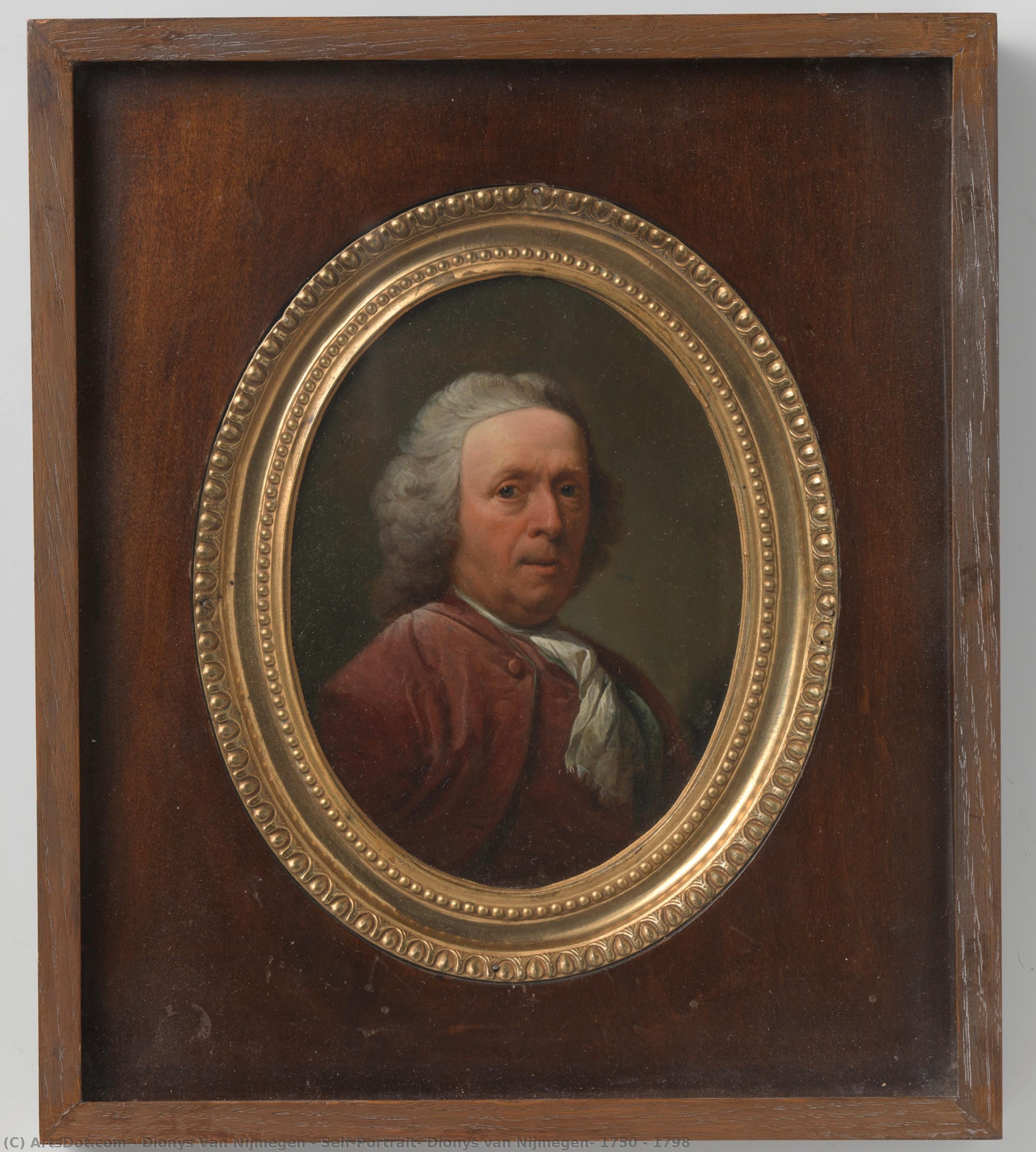
Self-Portrait, Dionys van Nijmegen, 1750 - 1798
 1798
1798 17.0 x 13.0 cm
 Weiterlesen
Handgefertigte Ölreproduktion
Handgemaltes Ölgemälde auf Leinwand in Ihrer Wunschgröße und mit Rahmen, auf Bestellung von unseren Künstlern angefertigt. ( Druck bestellen Bild kaufen)




































Wählen Sie aus unseren vordefinierten Formaten, die den ursprünglichen Proportionen des Kunstwerks entsprechen.

Sie können Ihre eigenen Maße eingeben, um einen bestimmten Rahmen oder Platz auszufüllen. Wenn die gewählte Größe nicht den Proportionen des Originalbildes entspricht, werden wir das Kunstwerk entweder beschneiden oder das Gemälde durch zusätzliche, handgemalte Elemente erweitern. Ein digitales Mockup wird Ihnen zur Genehmigung zugesandt, bevor die Produktion beginnt.
Bitte beachten Sie, dass die Bildschirmvorschau nicht die tatsächliche Beschneidung oder Erweiterung widerspiegelt. Nur das Mockup zeigt die endgültige Komposition exakt an.
Obwohl Sondermaße verfügbar sind, empfehlen wir, eine Größe aus der vordefinierten Liste zu wählen, um die ursprünglichen Proportionen beizubehalten.
Nach der Bestellung wird das ArtsDot.com-Team dem Kunden Anweisungen per E-Mail zusenden und eine Mockup-Vorschau bereitstellen.
Weltweiter Versand () in nur 3 bis 4 Wochen statt der üblichen 5 Wochen. (29 August). Keine Kompromisse bei der Qualität.

Kostenloser weltweiter Expressversand

Hochwertige Leinenleinwand

Umfassender Versicherungsschutz beim Versand

Zollgebühren-Rückerstattungsgarantie

Garantie für exakte Farbtreue

60 Tage Rückgaberecht (nur bei Mängeln)

100% Geld-zurück-Garantie

Mengenrabatt verfügbar
 Die Glasoption ist nur für Größen unter 110 cm verfügbar.

Self-Portrait, Dionys van Nijmegen, 1750 - 1798
Art der Reproduktion
Format der Reproduktion
-


Gesamtpreis
$ 263
Ähnliche Kunstwerke







Über den Künstler
A Legacy of Decorative Flourishes: The Life and Art of Dionys van Nijmegen
Dionys van Nijmegen, a name perhaps less immediately recognizable than some of his contemporaries, nevertheless represents a significant strand in the tapestry of 18th-century Dutch painting. Born in Rotterdam in 1705 into a family deeply entrenched in artistic practice—his father, Elias van Nijmegen, being a respected painter himself—Dionys inherited not only a profession but also a keen sensibility for decorative artistry. The Van Nijmegen lineage was one of skilled artisans, and young Dionys quickly absorbed the techniques and aesthetic preferences that would define his career. His early training took place under the watchful eye of his father, Elias, who instilled in him a foundation of meticulous draftsmanship and an appreciation for vibrant color palettes. This foundational education was later supplemented by studies with Jacob de Wit, a leading figure in Dutch ceiling painting known for his elaborate mythological scenes and masterful use of perspective. De Wit’s influence proved pivotal, steering Dionys towards the grand scale and ornate detailing that would become hallmarks of his mature work.From Portraits to Palaces: A Versatile Hand
Dionys van Nijmegen's artistic output was remarkably diverse, encompassing portraits, wall decorations, ceiling paintings, and even miniature works. He became a member of the prestigious Rotterdam Guild of St. Luke in 1743, solidifying his position within the city’s thriving art community. While he demonstrated proficiency in portraiture—capturing the likenesses of local dignitaries and affluent citizens with a refined attention to detail—it was his large-scale decorative projects that truly distinguished him. He excelled at transforming interior spaces into immersive environments, adorning walls and ceilings with allegorical scenes, intricate floral motifs, and dynamic architectural illusions. These commissions often graced the homes of wealthy merchants and noble families, reflecting the prosperity and sophisticated tastes of the Dutch Golden Age’s later years. His work wasn't merely about representation; it was about creating an atmosphere—a visual symphony that enhanced the experience of living within a particular space.The Influence of Family and the Continuation of Tradition
The importance of family in Dionys van Nijmegen’s life extended beyond his initial training with his father, Elias. He actively fostered artistic talent within his own circle, most notably through his son, Gerard van Nijmegen, whom he mentored and guided. This familial dedication to craftsmanship ensured the continuation of the Van Nijmegen style—a blend of Baroque exuberance and Rococo elegance—into subsequent generations. His nephew by marriage, Gerard Sanders, also benefited from Dionys’s tutelage, further expanding the network of artists carrying forward the family legacy. The relationship between these painters wasn't simply one of teacher and student; it was a collaborative exchange of ideas and techniques, resulting in a cohesive body of work characterized by shared aesthetic principles. The fact that Elias van Nijmegen taught both his son Dionys and his nephew Gerard Sanders speaks to a deliberate effort to maintain artistic standards within the family and ensure their continued success.Historical Significance and Enduring Appeal
Dionys van Nijmegen’s work, while not always prominently featured in major art historical narratives, holds significant value as a representative example of 18th-century Dutch decorative painting. His ability to seamlessly integrate architectural elements with allegorical imagery speaks to the broader cultural trends of the period—a fascination with classical mythology, a desire for opulent displays of wealth, and an increasing emphasis on interior design. He died in Rotterdam in 1798, leaving behind a body of work that continues to captivate viewers with its technical brilliance and refined aesthetic sensibility. Though he may not be a household name, Dionys van Nijmegen’s contribution to the artistic landscape of his time is undeniable—a testament to the enduring power of decorative art and the importance of familial tradition in shaping artistic legacies. His paintings offer a glimpse into the lives and aspirations of the Dutch elite, providing valuable insights into the social and cultural context of the 18th century.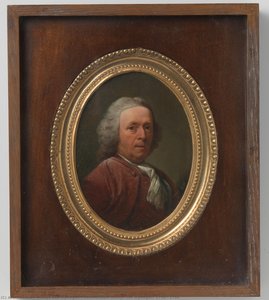
Kurzinfos
- Artistic Movement Or Style: Rococo
- Artists Or Movements Influenced By This Artist: ['Gerard van Nijmegen']
- Artists Who Influenced This Artist:
- Elias van Nijmegen
- Jacob de Wit
- Date Of Birth: 1705
- Date Of Death: 1798
- Full Name: Dionys van Nijmegen
- Nationality: Dutch
- Place Of Birth: Rotterdam, Netherlands

