

 Vorschau anzeigen
 Versenden
 Teilen
 Details anzeigen

 Herunterladen
 Ähnliche Objekte
 Röntgenaufnahme
 Diashow
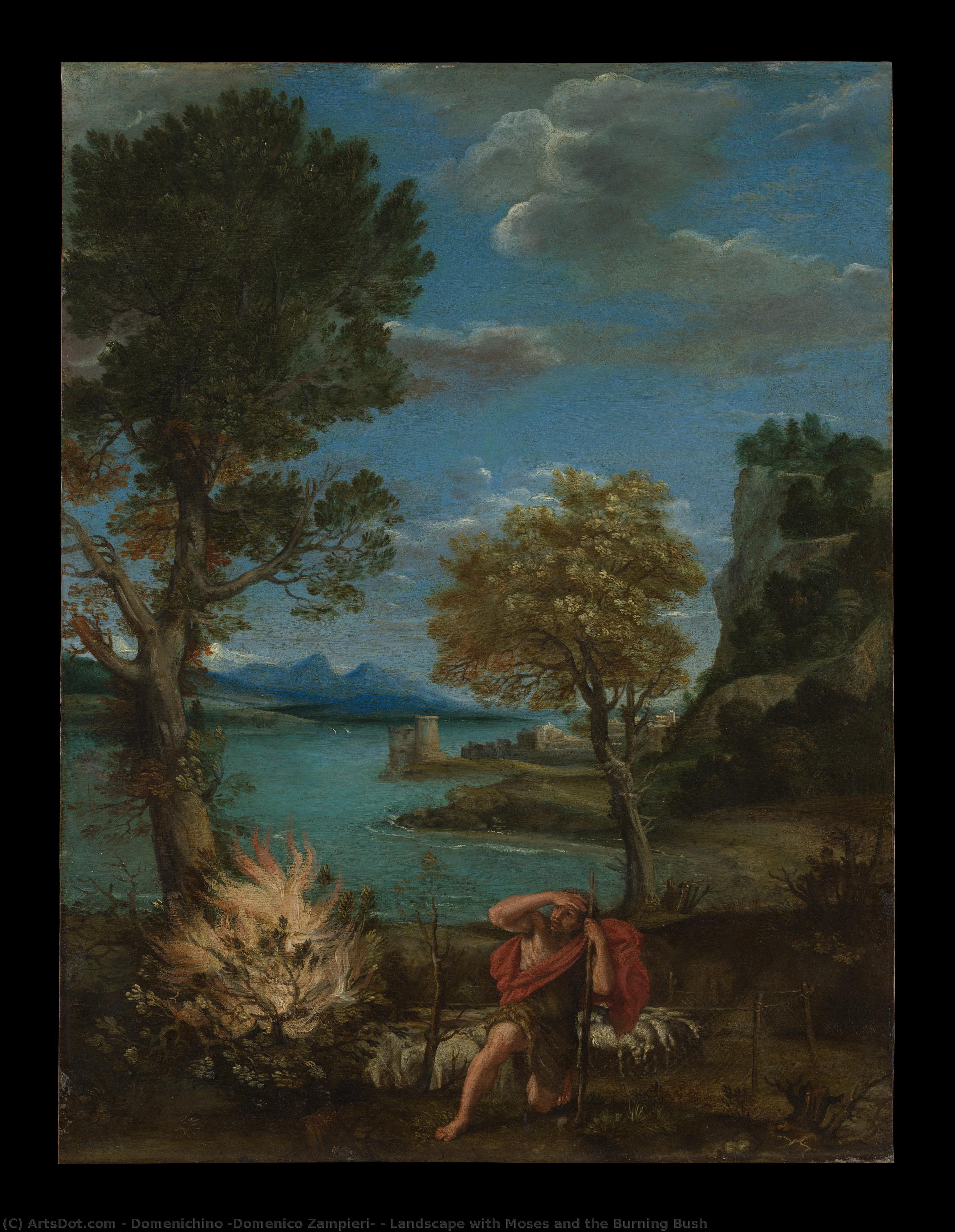
Landscape with Moses and the Burning Bush
 Oil On Copper
- Baroque
 1610
1610- Early Modern
 45.0 x 34.0 cm
 Metropolitan Museum of Art
 Weiterlesen
Handgefertigte Ölreproduktion
Handgemaltes Ölgemälde auf Leinwand in Ihrer Wunschgröße und mit Rahmen, auf Bestellung von unseren Künstlern angefertigt. ( Druck bestellen Bild kaufen)




P118B $10

P118H $10

P118W $10

P438Z $10

P508JH $12

P508YH $12

P805H $10

P805Z $10

P919BZ $10

P919G $10

P919XJ $10

P959ZH $10

P968JZ $12

W106C $8

W218G $10

W218JH $8

W218Y $10

W307PJ $10

W316G $10

W316PJ $8

W316Y $10

W398PJ $8

W4111J $10

W500HY $15

W500JH $15

W692G $12

W849H $8

W940BG $15

W953PJ $8




Wählen Sie aus unseren vordefinierten Formaten, die den ursprünglichen Proportionen des Kunstwerks entsprechen.

Sie können Ihre eigenen Maße eingeben, um einen bestimmten Rahmen oder Platz auszufüllen. Wenn die gewählte Größe nicht den Proportionen des Originalbildes entspricht, werden wir das Kunstwerk entweder beschneiden oder das Gemälde durch zusätzliche, handgemalte Elemente erweitern. Ein digitales Mockup wird Ihnen zur Genehmigung zugesandt, bevor die Produktion beginnt.
Bitte beachten Sie, dass die Bildschirmvorschau nicht die tatsächliche Beschneidung oder Erweiterung widerspiegelt. Nur das Mockup zeigt die endgültige Komposition exakt an.
Obwohl Sondermaße verfügbar sind, empfehlen wir, eine Größe aus der vordefinierten Liste zu wählen, um die ursprünglichen Proportionen beizubehalten.
Nach der Bestellung wird das ArtsDot.com-Team dem Kunden Anweisungen per E-Mail zusenden und eine Mockup-Vorschau bereitstellen.
Weltweiter Versand () in nur 3 bis 4 Wochen statt der üblichen 5 Wochen. (26 August). Keine Kompromisse bei der Qualität.

Kostenloser weltweiter Expressversand

Hochwertige Leinenleinwand

Umfassender Versicherungsschutz beim Versand

Zollgebühren-Rückerstattungsgarantie

Garantie für exakte Farbtreue

60 Tage Rückgaberecht (nur bei Mängeln)

100% Geld-zurück-Garantie

Mengenrabatt verfügbar
 Die Glasoption ist nur für Größen unter 110 cm verfügbar.

Landscape with Moses and the Burning Bush
Art der Reproduktion
Format der Reproduktion
-


Gesamtpreis
$ 263
Beschreibung des Kunstwerks
A Divine Encounter in an Idyllic Realm
In the delicate expanse of this oil on copper masterpiece, Domenichino invites us into a moment of profound spiritual revelation. Landscape with Moses and the Burning Bush is not merely a depiction of a biblical event; it is a window into a timeless, classical world where the divine intersects with the earthly. The scene captures the pivotal instant from the Book of Exodus, where Moses encounters the miraculous bush that burns without being consumed. Through his masterful command of the Bolognese Baroque style, Domenichino transforms a rugged desert encounter into a serene and poetic landscape, where the atmosphere feels heavy with both peace and sacred expectation.
The composition is anchored by the figure of Moses, draped in striking red clothing that draws the eye immediately to the heart of the narrative. As he sits before the flickering light of the bush, the artist utilizes a soft, idealized naturalism to surround him. Two prominent trees frame the scene, acting as silent sentinels on the left and right, while distant mountains rise against the horizon to provide a sense of immense scale and depth. This careful arrangement creates a balanced, harmonious vista that guides the viewer’s gaze from the intimate foreground toward the infinite reaches of the background, mirroring the expansion of Moses' own spiritual understanding.
The Mastery of Light and Classical Grace
As a distinguished pupil of Annibale Carracci, Domenichino was a primary architect of an idealizing style that sought to elevate nature through classical refinement. In this work, we see the artist’s ability to transpose raw observation into a dreamlike, idyllic realm. The technique employed on this small copper surface allows for an exquisite level of detail and a luminous quality that is characteristic of the era. The light does not merely illuminate the scene; it carries symbolic weight, emanating from the burning bush to signify the presence of God, casting a gentle glow over the scattered figures in the landscape.
The emotional impact of the painting lies in its profound stillness. While there are other figures scattered throughout the composition—some near and others receding into the distance—they do not disrupt the sanctity of the moment. Instead, they contribute to a sense of a living, breathing world that is momentarily paused by a miracle. For the collector or the interior designer, this piece offers more than just visual beauty; it provides a focal point of contemplative calm. A high-quality reproduction of this work brings with it an aura of historical depth and classical elegance, making it an incomparable addition to any space dedicated to art, reflection, and the timeless beauty of the Baroque tradition.
Ähnliche Kunstwerke
Über den Künstler
Domenichino (Domenico Zampieri): A Bolognese Baroque Visionary
Domenichino, born Domenico Zampieri around 1581 in Bologna, stands as a cornerstone of Bolognese Baroque art – a movement characterized by dramatic contrasts of light and shadow, opulent ornamentation, and an idealized depiction of human emotion. His formative years were steeped in the artistic fervor of his time, absorbing the legacy of Raphael and Michelangelo while simultaneously forging his own distinctive style that would solidify his reputation as one of Bologna’s foremost painters. Though biographical details remain somewhat sparse, scholarly research suggests he honed his skills under Raffaele Spagnuolo, a master of tenebrism – a technique championed by Caravaggio – which profoundly impacted Domenichino's artistic approach.Early Career & Apprenticeship
Zampieri began his artistic journey as an apprentice to Spagnuolo, immersing himself in the expressive power of chiaroscuro and mastering the art of conveying profound psychological depth through masterful brushwork. This formative experience instilled within him a deep understanding of Caravaggio’s revolutionary realism and dramatic theatricality—a stylistic influence that would permeate his entire oeuvre. The Bolognese workshop fostered an environment where meticulous observation and skillful execution were paramount, shaping Domenichino's artistic sensibilities from the outset.Carracci Workshop Influence
Domenichino’s association with Caravaggio's studio proved pivotal; he absorbed Caravaggio’s revolutionary realism and dramatic theatricality, adapting these principles to his own compositions. This collaboration cemented Domenichino’s commitment to tenebrism—the masterful manipulation of light and dark—a technique that would become synonymous with his artistic style and elevate the emotional impact of his paintings. The Carracci brothers' workshop championed a humanist aesthetic rooted in classical ideals, further enriching Domenichino’s intellectual and artistic horizons.Rome & Patronage
By the mid-1620s, Domenichino relocated to Rome, securing commissions from influential patrons like Cardinal Scipione Borghese and Palazzo Farnese, where he created monumental frescoes that showcased his unparalleled skill in capturing grandeur and emotion. These ambitious projects demanded a profound understanding of architectural space and compositional balance—skills Domenichino honed with unwavering dedication. His frescoes for the Villa Aldobrandini at Frascati exemplify the Baroque’s fascination with mythological narratives and its ability to evoke sublime beauty, cementing Domenichino's place among Rome’s most celebrated artists.Stylistic Characteristics & Artistic Technique
Domenichino’s artistic style is instantly recognizable for its refined elegance and masterful execution. Unlike the turbulent dynamism of Caravaggio, Domenichino favored a more measured pace, prioritizing clarity of form and harmonious color palettes. However, he retained Caravaggio's commitment to dramatic lighting—tenebrism—skillfully manipulating light and dark to heighten emotional impact and sculpt figures with breathtaking realism. His brushwork was characterized by meticulous detail and subtle gradations of tone, creating surfaces that shimmered with luminosity and conveyed an astonishing sense of depth. He excelled in portraying both mythological subjects and religious scenes, consistently demonstrating a profound understanding of classical ideals and humanist sensibilities.- Tenebrism: Domenichino skillfully employed tenebrism—the masterful manipulation of light and dark—to create dramatic contrasts between illumination and shadow, emphasizing emotional intensity and sculptural form.
- Color Palette: His color palettes were restrained yet luminous, favoring muted hues that complemented the overall mood of his paintings.
- Brushwork & Texture: Domenichino’s meticulous brushwork achieved remarkable textural effects, conveying a palpable sense of physicality and realism.
Notable Works & Achievements
Domenichino's artistic output spanned across numerous prestigious commissions, leaving an indelible mark on the Baroque landscape. Among his most celebrated achievements are the frescoes adorning Palazzo Farnese in Rome—specifically the Sala di Amore e Psiche and the Sala dei Giganti—which exemplify his mastery of monumental painting and embody the humanist ideals of the era. His depictions of Apollo killing the Cyclops and Mary Magdalene Taken up to Heaven stand as testaments to his ability to convey mythological narratives with profound psychological insight and artistic virtuosity. Furthermore, Domenichino’s contribution to the San Domenico Museum in Orvieto is noteworthy for its depiction of Saint Thomas Aquinas, showcasing his talent for capturing spiritual contemplation and conveying solemn beauty.Legacy & Historical Significance
Domenichino's influence extended far beyond his immediate contemporaries, shaping the artistic sensibilities of subsequent generations. He helped to establish Bolognese Baroque as a dominant force in European art, elevating it to new heights of sophistication and expressive power. His unwavering dedication to classical ideals combined with Caravaggio’s revolutionary realism resulted in an artistic style that continues to inspire admiration and scholarly study today. Domenichino's legacy resides not only in his magnificent artworks but also in his role as a pivotal figure in the development of Baroque painting—a movement that profoundly impacted the visual culture of its time and beyond.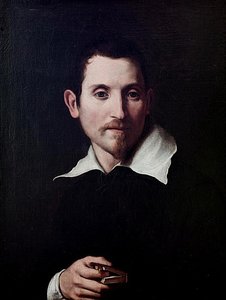
Domenichino
1581 - 1641 , Italien
Kurzinfos
- Artistic Movement Or Style: barock
- Artists Who Influenced This Artist:
- caravaggio
- annibale carracci
- Date Of Birth: 1581
- Full Name: domenico zampieri
- Nationality: italienisch
- Notable Artworks:
- apollo killing the cyclops
- die transformation von cyparissus
- maria magdalena erhoben zum himmel
- Place Of Birth: bologna, italien
Ähnliche Artikel

Barock Meisterwerke: Die 10 prägendsten Kunstwerke für Ihr Zuhause |
Entdecken Sie die 10 prägendsten Meisterwerke des Barock! Caravaggio, Rembrandt & Co. – Erfahren Sie die Geschichten hinter ikonischen Gemälde und finden Sie hochwertige Kunst Reproduktionen für Ihr Zuhause auf .

The Dramatic Flourish: Exploring the Baroque Movement's Enduring Legacy in Art History
Explore the dramatic world of Baroque art! Discover iconic artists like Caravaggio & Rubens, defining techniques, and its lasting impact on art history. Expert insights for collectors & enthusiasts at ArtsDot.

Barocke Pracht: Wie Sie Opulenz und Emotionen in zeitgenössische Innenräume bringen
Entdecken Sie die Pracht des Barock! Expertenratgeber für luxuriöse Innenräume mit barocken Elementen. Inspiration, Tipps & hochwertige Kunst bei .

The Visceral Stage: Exploring Dramatic Narratives & Emotional Intensity in Baroque Art
Explore the dramatic world of Baroque art! Discover iconic masters like Caravaggio & Rembrandt, their techniques, and the movement's lasting impact. Expert insights for collectors & enthusiasts at ArtsDot.

Theatricality & Triumph: Baroque Drama in Painting & Sculpture
Explore the dramatic world of Baroque art! Discover its history, defining characteristics, & lasting influence on painting & sculpture. Expert insights into Caravaggio, Zurbarán, and Bernini – plus high-quality reproductions at ArtsDot.

