 Vorschau anzeigen
 Versenden
 Teilen
 Details anzeigen

 Herunterladen
 Ähnliche Objekte
 Röntgenaufnahme
 Diashow
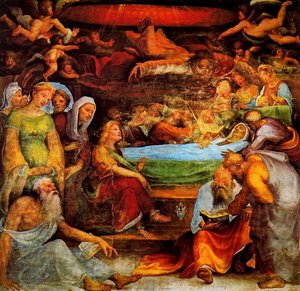
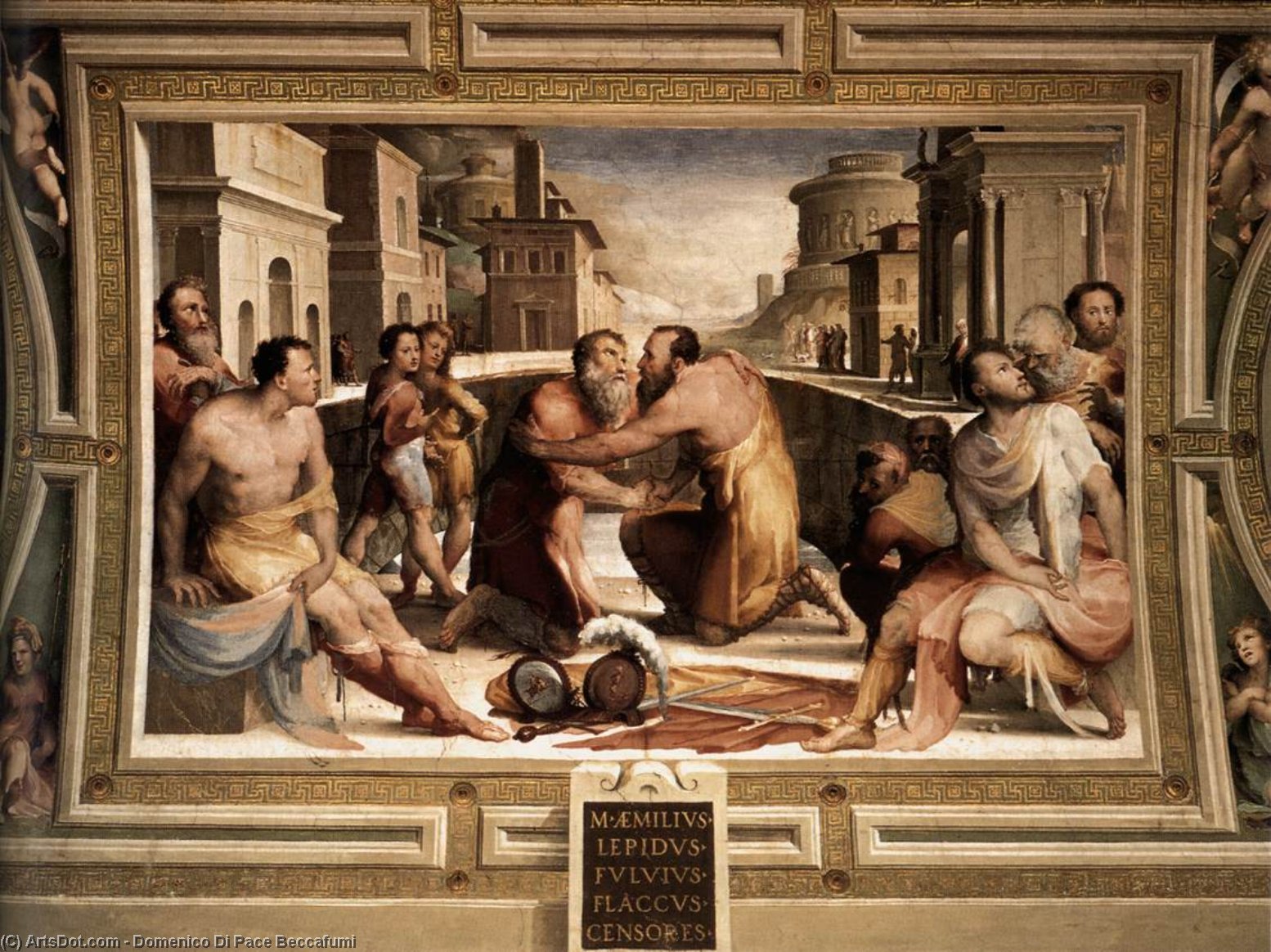
The Reconciliation of Marcus Emilius Lepidus and Fulvius Flaccus


 Weiterlesen
Giclée / Kunstdruck
Giclée- oder Leinwanddruck in Museumsqualität mit schneller Produktion und flexiblen Veredelungsoptionen. ( Handgemalte Reproduktion bestellen Bild kaufen)




P118B $10

P118H $10

P118W $10

P438Z $10

P508JH $12

P508YH $12

P805H $10

P805Z $10

P919BZ $10

P919G $10

P919XJ $10

P959ZH $10

P968JZ $12

W106C $8

W218G $10

W218JH $8

W218Y $10

W307PJ $10

W316G $10

W316PJ $8

W316Y $10

W398PJ $8

W4111J $10

W500HY $15

W500JH $15

W692G $12

W849H $8

W940BG $15

W953PJ $8




Wählen Sie aus unseren vordefinierten Formaten, die den ursprünglichen Proportionen des Kunstwerks entsprechen.

Sie können Ihre eigenen Maße eingeben, um ein bestimmtes Format oder einen speziellen Platz einzupassen. Wenn das von Ihnen gewählte Format nicht den Proportionen des Originalbildes entspricht, werden wir das Kunstwerk entweder beschneiden oder das Bild mit einem gespiegelten oder einfarbigen Rand erweitern. Ein digitaler Entwurf wird Ihnen zur Genehmigung zugesandt, bevor die Produktion beginnt.
Bitte beachten Sie, dass die Vorschau auf dem Bildschirm nicht den tatsächlichen Zuschnitt oder die Erweiterung widerspiegelt. Nur der Entwurf zeigt die endgültige Komposition präzise an.
Obwohl Sondermaße verfügbar sind, empfehlen wir die Auswahl eines Maßes aus der vordefinierten Liste, um die ursprünglichen Proportionen zu bewahren.
Weltweiter Versand () innerhalb von 2 Wochen statt der üblichen 4/5 Wochen. (29 August)

Kostenloser weltweiter Expressversand

Hochwertige Leinenleinwand

Umfassender Versicherungsschutz beim Versand

Zollgebühren-Rückerstattungsgarantie

Garantie für exakte Farbtreue

60 Tage Rückgaberecht (nur bei Mängeln)

100% Geld-zurück-Garantie

Mengenrabatt verfügbar
 Die Glasoption ist nur für Größen unter 110 cm verfügbar.

The Reconciliation of Marcus Emilius Lepidus and Fulvius Flaccus
Giclée / Kunstdruck
Format der Reproduktion
-


Gesamtpreis
$ 62
The Reconciliation of Marcus Emilius Lepidus and Fulvius Flaccus: A Sienese Vision in Fresco
Domenico di Pace Beccafumi’s “The Reconciliation of Marcus Emilius Lepidus and Fulvius Flaccus,” painted in 1529-1535, is more than a historical depiction; it's a vibrant testament to the enduring power of diplomacy and the complexities of Roman politics rendered with the distinctive vision of a Sienese artist. This fresco, currently housed at the Web Gallery of Art (WGA), offers a captivating glimpse into a pivotal moment – the reconciliation between two powerful figures embroiled in conflict – framed within a meticulously constructed narrative that speaks to themes of justice, peace, and the precarious balance of power.
Beccafumi’s style, rooted deeply in the traditions of Siena yet boldly embracing the burgeoning Mannerist movement, is immediately striking. Unlike the polished clarity of Florentine Renaissance art, Beccafumi's work possesses a raw energy, an almost unsettling intensity. The figures are not idealized; they are rendered with a palpable sense of emotion – the weary resignation of Lepidus, kneeling in supplication, and the earnest plea of Flaccus. Notice the subtle shifts in their postures, the delicate play of light and shadow that emphasizes their individual states of mind. This isn’t simply a record of an event; it's an exploration of human psychology, captured with remarkable sensitivity.
A Window into Roman History and Political Intrigue
The subject itself – the reconciliation between Marcus Emilius Lepidus and Quintus Fulvius Flaccus – is rich in historical significance. Lepidus, a former triumvir, and Flaccus, a prominent consul, had been locked in a bitter dispute following the collapse of the First Triumvirate. Their rivalry threatened to destabilize the Roman Republic, and their eventual reconciliation was crucial for maintaining order. Beccafumi’s fresco doesn't offer a straightforward account of this event; instead, it focuses on the *moment* of resolution – the palpable shift from conflict to understanding. The scene unfolds within what appears to be an urban setting, possibly a public forum or courtyard, suggesting that this reconciliation was not merely a private affair but one with significant political ramifications.
The details surrounding the event are subtly integrated into the composition. Observe the expressions on the faces of the onlookers – some displaying cautious optimism, others lingering skepticism. The architectural backdrop, though somewhat stylized, hints at Roman grandeur and reinforces the importance of the occasion. This careful attention to detail elevates the fresco beyond a simple narrative illustration; it becomes a microcosm of Roman society grappling with political uncertainty.
Symbolism and Artistic Technique
Beccafumi’s masterful use of color is particularly noteworthy. He employs a rich, earthy palette – ochres, siennas, and umbers – that evokes the textures of stone and earth, grounding the scene in its historical context. The figures themselves are rendered with a remarkable degree of realism, yet Beccafumi doesn't shy away from exaggeration and distortion to convey emotion. The drapery is voluminous and dynamic, swirling around the figures like currents of air, further emphasizing their emotional states.
Furthermore, the fresco’s technique—fresco secco—contributes significantly to its visual impact. This method involves applying pigments directly to wet plaster, creating a durable and luminous surface. The resulting colors are exceptionally vibrant and possess a remarkable depth of texture. The layering of paint creates an illusion of three-dimensionality, drawing the viewer into the scene and inviting them to contemplate the complexities of the reconciliation.
A Legacy of Visionary Art
Domenico di Pace Beccafumi’s “The Reconciliation of Marcus Emilius Lepidus and Fulvius Flaccus” stands as a powerful example of Sienese Renaissance art—a synthesis of regional tradition and innovative artistic expression. It's a work that rewards careful observation, inviting viewers to delve into the nuances of its composition, symbolism, and historical context. Reproductions of this fresco offer an exceptional opportunity to bring this captivating scene into any space, serving as both a beautiful piece of art and a poignant reminder of the enduring human capacity for reconciliation and understanding. The painting’s emotional depth and technical brilliance continue to resonate with audiences today, solidifying Beccafumi's place as one of the most significant artists of his time.
Ähnliche Kunstwerke
Über den Künstler
Domenico di Pace Beccafumi: Leben und Vermächtnis
- Geboren: Montaperti, nahe Siena, Italien (ca. 1486)
- Gestorben: Siena, Italien (18. Mai 1551)
- Nationalität: Italienisch
- Stilrichtung: Renaissance-Manierismus
Frühes Leben und Ausbildung
- Beccafumi wurde in Montaperti, einer kleinen Stadt nahe Siena, geboren. Sein Vater war ein Bauer, der auf dem Anwesen von Lorenzo Beccafumi arbeitete, der Domenicos Talent für das Zeichnen erkannte und ihn adoptierte.
- Er erhielt seine anfängliche künstlerische Ausbildung von Mechero, einem weniger bekannten Sieneser Künstler.
- Um 1509 reiste er nach Rom, wo er die Werke der in den Vatikanischen Museen tätigen Künstler studierte und Einflüsse aufnahm, während er seinen eigenen unverwechselbaren Stil beibehielt.
- Nach seiner Rückkehr nach Siena entwickelte Beccafumi seine einzigartige künstlerische Stimme, die durch eine Mischung aus mittelalterlichen Eigenheiten und aufkommenden manieristischen Tendenzen gekennzeichnet war.
Künstlerischer Stil und Einflüsse
- Unverwechselbarer Stil: Beccafumis Stil zeichnet sich durch irrationale und emotional unausgeglichene Elemente aus, die ihn von der Florentiner Schule unterscheiden. Er verwendete dissonante Farben und halluzinatorische Schauplätze, um ein fesselndes visuelles Erlebnis zu schaffen.
- Einflüsse: Frühe Einflüsse waren Fra Bartolommeo, Albertinelli, Pacchiarotto und später Raphael und Michelangelo. Er synthetisierte diese Einflüsse jedoch zu einem Stil, der eindeutig Sieneser blieb.
- Manierismus: Obwohl er vom aufkommenden Manierismus beeinflusst war, behielt Beccafumis Werk Elemente der traditionellen Sieneser Schule bei, die durch ihre provinzielle Natur und einzigartige Ästhetik gekennzeichnet waren.
- Hauptmerkmale: Seine Gemälde zeichnen sich durch eine neblige, nicht-lineare Qualität, gezackte Linien, primäre Tonalität in der Farbgebung und ein Gefühl von emotionaler Spannung und Instabilität aus.
Wichtige Werke und Errungenschaften
- Fresken im Oratorium des Heiligen Benedikt, Siena: Diese Fresken zeigen Beccafumis unverwechselbaren Stil und sind auf ArtsDot.com zu sehen.
- Dreifaltigkeitstriptychon: Ein Ölgemälde auf Holz, das sich in der Pinacoteca Nazionale in Siena befindet und seine Fähigkeit zur religiösen Darstellung demonstriert.
- Die Verkündigung: Ein weiteres bedeutendes Werk im Pinacoteca Nazionale in Siena.
- Pflaster des Dom von Siena (1517-1544): Beccafumi leitete dieses gefeierte Pflasterprojekt, nahm technische Prozesse intelligent verbessert und schuf Szenen aus biblischen Geschichten wie die von Ahab, Elia, Melchisedek, Abraham und Mose. Er entwarf auch Mosaike und war ein geschickter Grafiker in der Stiefel- und Holzschnitttechnik.
Historische Bedeutung und Vermächtnis
- Letzter Meister der Sieneser Schule: Beccafumi gilt als einer der letzten bedeutenden Vertreter der Sieneser Malerschule, der ihre Traditionen bewahrte und gleichzeitig Elemente des Manierismus einbezog.
- Einzigartige künstlerische Vision: Sein unverwechselbarer Stil, der durch emotionale Intensität und unkonventionelle Kompositionen gekennzeichnet ist, unterschied ihn von seinen Zeitgenossen und trug zur Entwicklung der manieristischen Kunst bei.
- Einfluss auf spätere Künstler: Beccafumis Werk ahnte spätere Entwicklungen im Manierismus voraus und beeinflusste nachfolgende Generationen von Künstlern mit seinen ausdrucksstarken Qualitäten und innovativen Techniken.
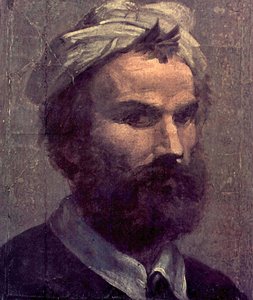
domenico di pace beccafumi
1486 - 1551 , Italien
Kurzinfos
- Beeinflusste Künstler:
- Fra Bartolommeo
- Albertinelli
- Raphael
- Michelangelo
- Bemerkenswerte Werke:
- Verkündigung
- Dreifaltigkeit Triptychon
- Fresken im Oratorium St. Benedikt
- Geburtsdatum: um 1486
- Geburtsort: Montaperti, Italien
- Künstlerische Bewegung: Renaissance-Manierismus
- Nationalität: Italiener
- Todatum: 18. Mai 1551
- Vollständiger Name: Domenico di Pace Beccafumi
Ähnliche Artikel

Das Familienerbe an die Wand bringen: Wandgemälde als Generationenschatz
Verwandeln Sie Ihre Familiengeschichte in ein beeindruckendes Wandgemälde! Expertenrat & hochwertige Handwerkskunst für einzigartige Kunstwerke, die Generationen verbinden. Entdecken Sie jetzt!

The Enduring Legacy of Fresco: Technique, History & Artistic Expression Across Cultures
Explore the rich history & enduring legacy of fresco painting! Discover ancient techniques, Giotto's masterpieces, and modern applications. Expert insights for art lovers & professionals.

The Enduring Legacy of Fresco Painting: Techniques, History & Contemporary Relevance
Explore the rich history & enduring artistry of fresco painting – from Giotto to Michelangelo! Discover techniques, conservation efforts, & modern applications. Learn how ArtsDot brings this timeless art form to your home.
Die bleibende Pracht der Freskomalerei: Technik, Geschichte und künstlerischer Ausdruck
Entdecken Sie die faszinierende Welt der Freskomalerei! Von den Ursprüngen bis zur Renaissance – wir beleuchten Technik, Geschichte und künstlerischen Ausdruck dieser einzigartigen Kunstform. Expertenwissen für Sammler & Liebhaber.
Kunst, die mit Ihnen lebt: Emotionale Kraft individueller Innenraumfresken
Entdecken Sie die emotionale Kraft individueller Innenraumfresken! Expertenberatung & hochwertige Wandmalerei für Hotels, Wohnräume & mehr. – Ihr Partner für einzigartige Kunst.