 Vorschau anzeigen
 Versenden
 Teilen
 Details anzeigen

 Herunterladen
 Ähnliche Objekte
 Röntgenaufnahme
 Diashow
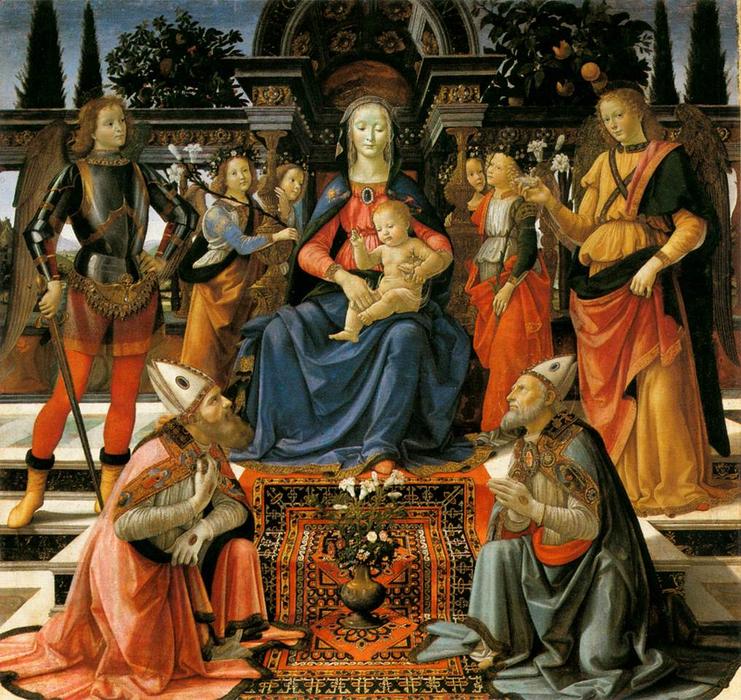
Madonna and Child Enthroned with Saints
 Acryl auf Leinwand
- Wandkunst
- Renaissance
 1483
1483 191.0 x 200.0 cm
 Galleria degli Uffizi
 Weiterlesen
Handgefertigte Ölreproduktion
Handgemaltes Ölgemälde auf Leinwand in Ihrer Wunschgröße und mit Rahmen, auf Bestellung von unseren Künstlern angefertigt. ( Druck bestellen Bild kaufen)




P118B $10

P118H $10

P118W $10

P438Z $10

P508JH $12

P508YH $12

P805H $10

P805Z $10

P919BZ $10

P919G $10

P919XJ $10

P959ZH $10

P968JZ $12

W106C $8

W218G $10

W218JH $8

W218Y $10

W307PJ $10

W316G $10

W316PJ $8

W316Y $10

W398PJ $8

W4111J $10

W500HY $15

W500JH $15

W692G $12

W849H $8

W940BG $15

W953PJ $8




Wählen Sie aus unseren vordefinierten Formaten, die den ursprünglichen Proportionen des Kunstwerks entsprechen.

Sie können Ihre eigenen Maße eingeben, um einen bestimmten Rahmen oder Platz auszufüllen. Wenn die gewählte Größe nicht den Proportionen des Originalbildes entspricht, werden wir das Kunstwerk entweder beschneiden oder das Gemälde durch zusätzliche, handgemalte Elemente erweitern. Ein digitales Mockup wird Ihnen zur Genehmigung zugesandt, bevor die Produktion beginnt.
Bitte beachten Sie, dass die Bildschirmvorschau nicht die tatsächliche Beschneidung oder Erweiterung widerspiegelt. Nur das Mockup zeigt die endgültige Komposition exakt an.
Obwohl Sondermaße verfügbar sind, empfehlen wir, eine Größe aus der vordefinierten Liste zu wählen, um die ursprünglichen Proportionen beizubehalten.
Nach der Bestellung wird das ArtsDot.com-Team dem Kunden Anweisungen per E-Mail zusenden und eine Mockup-Vorschau bereitstellen.
Weltweiter Versand () in nur 3 bis 4 Wochen statt der üblichen 5 Wochen. (23 August). Keine Kompromisse bei der Qualität.

Kostenloser weltweiter Expressversand

Hochwertige Leinenleinwand

Umfassender Versicherungsschutz beim Versand

Zollgebühren-Rückerstattungsgarantie

Garantie für exakte Farbtreue

60 Tage Rückgaberecht (nur bei Mängeln)

100% Geld-zurück-Garantie

Mengenrabatt verfügbar
 Die Glasoption ist nur für Größen unter 110 cm verfügbar.

Madonna and Child Enthroned with Saints
Art der Reproduktion
Format der Reproduktion
-


Gesamtpreis
$ 263
Beschreibung des Kunstwerks
Domenico Ghirlandaio’s “Madonna and Child Enthroned with Saints”: A Florentine Masterpiece of Devotion
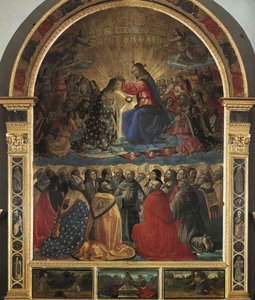
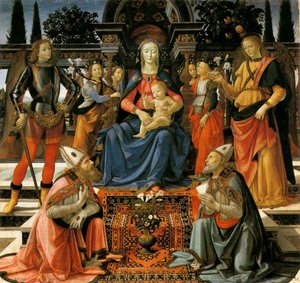
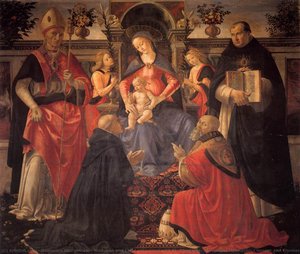
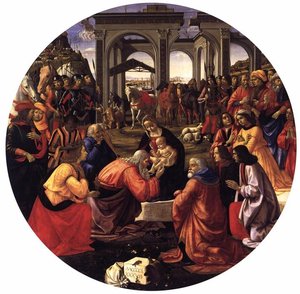
Domenico Ghirlandaio's "Madonna and Child Enthroned with Saints," painted in 1483, is more than just a religious depiction; it’s a vibrant snapshot of Renaissance Florence, brimming with artistic innovation and profound spiritual resonance. This magnificent work, now housed within the Uffizi Gallery in Florence, offers a captivating glimpse into the world of a master craftsman and his time. The painting immediately draws the eye to its central figures: Mary, serene and radiant, holding her infant son Jesus, who bestows blessings upon the assembled saints. The composition is meticulously balanced, radiating an aura of peace and reverence that speaks volumes about the era’s deep-seated faith.
Ghirlandaio's skill lies not only in his technical prowess but also in his ability to imbue the scene with a remarkable sense of realism. He masterfully captures the textures of fabrics – the rich velvet of the throne, the shimmering gold of the halos, and the delicate folds of Mary’s garments – demonstrating an acute attention to detail that was characteristic of Florentine painting during this period. The use of *sfumato*, a subtle blurring technique borrowed from Leonardo da Vinci, softens the edges and creates a sense of atmospheric depth, further enhancing the realism of the scene.
A Symphony of Saints: Symbolism and Patronage
The surrounding saints are not merely decorative elements; each figure carries significant symbolic weight. Dionysius the Areopagite, identifiable by his flowing robes and a scroll in hand, represents wisdom and theological knowledge. Thomas Aquinas, recognizable by the radiant sun on his chest – a symbol of divine illumination – embodies scholastic philosophy. Pope Clement I, kneeling with an air of solemnity, underscores the painting’s connection to papal authority and the importance of the Church. The inclusion of these specific saints reflects the patronage of the work, likely commissioned for a Dominican church in Florence, highlighting the Order's devotion to these figures.
The presence of several male saints, including St. Paul and St. Peter, alongside Mary and Christ is particularly noteworthy. This arrangement was common in Renaissance altarpieces, reflecting the belief that both the Virgin Mary and her divine son were central to Christian faith, yet also highlighting the importance of the apostles as intermediaries between God and humanity. The careful selection of saints demonstrates a deep understanding of theological symbolism and reflects the artistic conventions of the time.
The Florentine Renaissance in Miniature
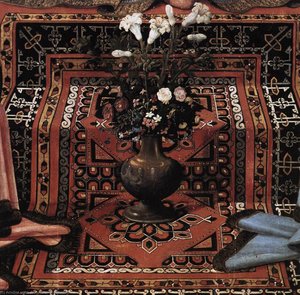
“Madonna and Child Enthroned with Saints” is a microcosm of the Florentine Renaissance, embodying its humanist ideals, artistic innovations, and profound religious devotion. Ghirlandaio’s masterful use of perspective, his realistic portrayal of figures and textures, and his incorporation of contemporary details – such as the elaborate carpet beneath the throne – all contribute to the painting's remarkable vitality. The influence of Flemish art is also evident in the luminous colors and delicate rendering of fabrics, reflecting the artistic trends that were circulating throughout Italy at the time.
Beyond its aesthetic qualities, the painting offers a valuable insight into Florentine society during the late 15th century. It reflects the city’s burgeoning wealth, its vibrant cultural scene, and its deep-seated religious faith. The work stands as a testament to Ghirlandaio's skill and his ability to capture the essence of his time in a single, breathtaking image.
A Timeless Masterpiece: Reproduction and Inspiration
Today, “Madonna and Child Enthroned with Saints” remains one of Domenico Ghirlandaio’s most celebrated works. Its beauty and significance have inspired countless artists and designers throughout the centuries. High-quality reproductions offer a wonderful opportunity to experience this masterpiece firsthand, bringing its serene atmosphere and intricate details into any space. Whether adorning a private residence or gracing a public gallery, a reproduction of this Florentine treasure will undoubtedly serve as a source of inspiration and contemplation for years to come.
Ähnliche Kunstwerke
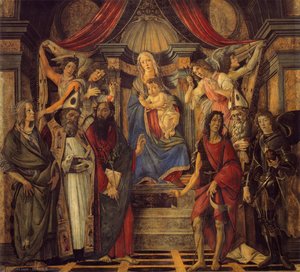
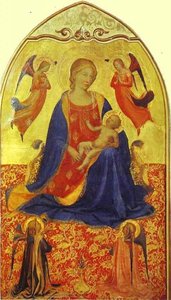
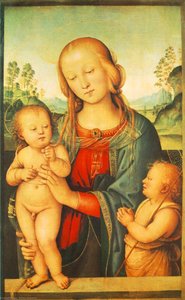
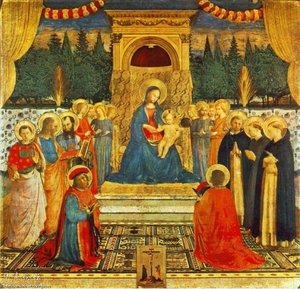
Über den Künstler
Frühes Leben und Ausbildung
Domenico di Tommaso Curradi di Doffo Bigordi, bekannt als Domenico Ghirlandaio, wurde 1449 in Florenz, Italien, geboren. Er gehörte zur sogenannten "dritten Generation" der Florentiner Renaissance, zusammen mit Verrocchio, den Pollaiolo-Brüdern und Sandro Botticelli. Ghirlandaios frühes Leben war geprägt von seiner Lehrzeit bei seinem Vater, einem Goldschmied, wo er seine Fähigkeiten in der Herstellung metallischer, garlandähnlicher Haarschmucke für florentinische Frauen entwickelte. Dies führte zu seinem Spitznamen "il Ghirlandaio" (Garlandmacher). Später studierte er Malerei und Mosaik unter Alesso Baldovinetti.Künstlerische Karriere
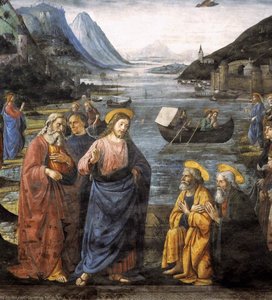
Ghirlandaios künstlerische Karriere zeichnet sich durch sein außergewöhnliches Talent aus, zeitgenössisches Leben und Porträts in religiöse Erzählungen einzubinden. Dies brachte ihm große Popularität und zahlreiche Großaufträge ein. Seine Werkstatt, die seine Brüder Davide und Benedetto Ghirlandaio umfasste, war äußerst effizient und produktiv.- Ghirlandaios bemerkenswerteste Werke sind die Freskenzyklen in der Sassetti-Kapelle von Santa Trinita (1482–1485) und die Berufung der Apostel in der Sixtinischen Kapelle (1483).
- Sein Stil ist durch seine Fähigkeit gekennzeichnet, Darstellungen des zeitgenössischen Lebens in religiöse Erzählungen zu integrieren und so seinen Werken eine gewisse Realität zu verleihen.
- Sein Schwager Sebastiano Mainardi assistierte ihm bei diesen Aufträgen und an den frühen Fresken in San Gimignano.
Wichtige Werke und Vermächtnis
Ghirlandaio hinterließ ein bedeutendes künstlerisches Erbe, das bis heute bewundert wird.- Erkunden Sie Domenico Ghirlandaios Werke auf ArtsDot
- St. Hieronymus in seiner Studienkammer (1480), ein Gegenstück zu Botticellis St. Augustinus in seiner Studienkammer, demonstriert Ghirlandaios Können im Freskenmalerei.
- Die Verherrlichung des St. Zenobius (1482) im Sala del Giglio, Palazzo Vecchio, ist ein Beispiel für seine kompositorische Fähigkeit und Perspektive.
Einflüsse und Entwicklung
Ghirlandaio wurde von Künstlern wie Alesso Baldovinetti und Andrea del Verrocchio beeinflusst. Er entwickelte seinen eigenen Stil, der sich durch eine klare Linienführung, lebendige Farben und eine realistische Darstellung von Figuren auszeichnete. Sein Interesse am zeitgenössischen Leben führte dazu, dass er seine Porträts oft mit Details aus dem Alltagsleben anreicherte, was seine Werke für viele Betrachter besonders ansprechend machte. Er war ein Meister der Freskenmalerei und schuf beeindruckende zyklische Darstellungen religiöser Geschichten. Sein Einfluss auf nachfolgende Künstler, insbesondere auf Michelangelo, ist unbestreitbar.Historische Bedeutung
Domenico Ghirlandaio spielte eine wichtige Rolle in der Florentiner Renaissance. Seine Fähigkeit, Realismus und zeitgenössische Elemente in seine religiösen Darstellungen zu integrieren, trug dazu bei, die Kunst dieser Epoche zu prägen. Er war ein gefragter Künstler für bedeutende Familien wie die Medici und Tornabuoni, was seinen Status als einer der führenden Maler seiner Zeit unterstreicht. Sein Werk beeinflusste zahlreiche nachfolgende Generationen von Künstlern und bleibt bis heute ein wichtiger Bestandteil des italienischen Kunstkanons.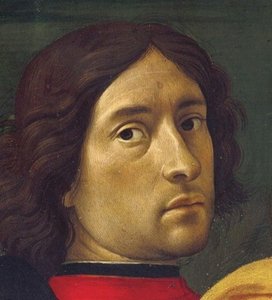
Domenico Ghirlandaio
1449 - 1494 , Italien
Kurzinfos
- Beeinflusste Künstler: ['Michelangelo Buonarroti']
- Bemerkenswerte Werke:
- St. Hieronymus in seiner Werkstatt
- Verkündigung (Detail)
- Die Berufung der Apostel
- Geburtsdatum: 2. Juni 1448
- Geburtsort: Florenz, Italien
- Künstlerische Bewegung: Frührenaissance
- Nationalität: Italiener
- Todatum: 11. Januar 1494
- Vollständiger Name: Domenico Ghirlandaio
Ähnliche Artikel

Das Familienerbe an die Wand bringen: Wandgemälde als Generationenschatz
Verwandeln Sie Ihre Familiengeschichte in ein beeindruckendes Wandgemälde! Expertenrat & hochwertige Handwerkskunst für einzigartige Kunstwerke, die Generationen verbinden. Entdecken Sie jetzt!
The Enduring Legacy of Fresco: Technique, History & Artistic Expression Across Cultures
Explore the rich history & enduring legacy of fresco painting! Discover ancient techniques, Giotto's masterpieces, and modern applications. Expert insights for art lovers & professionals.

The Enduring Legacy of Fresco Painting: Techniques, History & Contemporary Relevance
Explore the rich history & enduring artistry of fresco painting – from Giotto to Michelangelo! Discover techniques, conservation efforts, & modern applications. Learn how ArtsDot brings this timeless art form to your home.
Raphael: Die 25 Meisterwerke des Renaissance-Genies – Kunst für Ihr Zuhause
Entdecken Sie die 25 schönsten Meisterwerke von Raphael! Tauchen Sie ein in die Welt der Renaissance-Kunst, erfahren Sie faszinierende Geschichten und lassen Sie sich von den Farben und Kompositionen inspirieren. Hochwertige Reproduktionen auf ArtsDot.com.
Die bleibende Pracht der Freskomalerei: Technik, Geschichte und künstlerischer Ausdruck
Entdecken Sie die faszinierende Welt der Freskomalerei! Von den Ursprüngen bis zur Renaissance – wir beleuchten Technik, Geschichte und künstlerischen Ausdruck dieser einzigartigen Kunstform. Expertenwissen für Sammler & Liebhaber.