 Vorschau anzeigen
 Versenden
 Teilen
 Details anzeigen

 Herunterladen
 Ähnliche Objekte
 Röntgenaufnahme
 Diashow
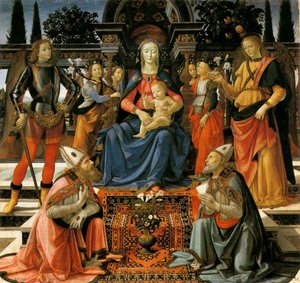
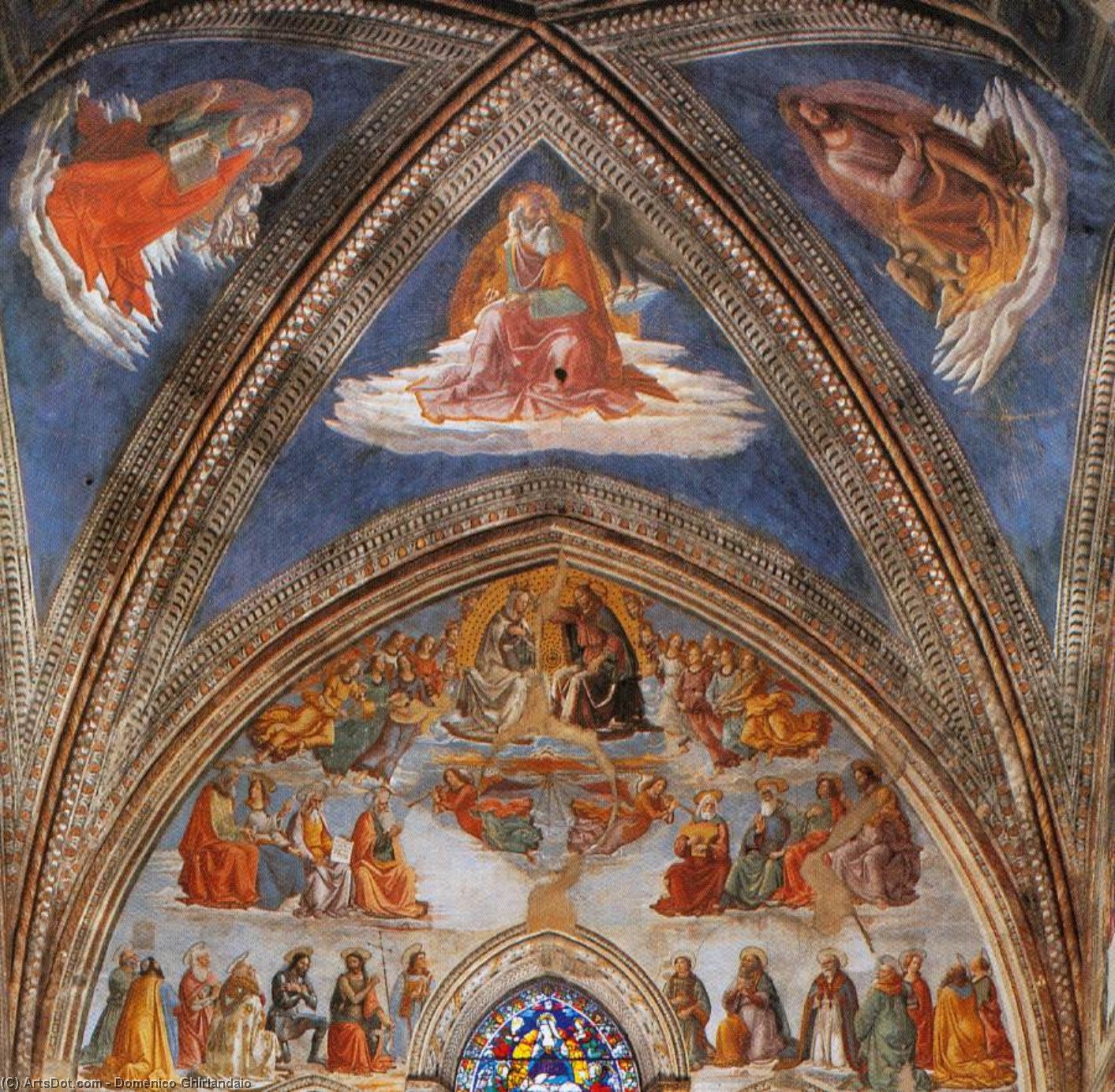
View of the Tornabuoni Chapel (detail)


 Weiterlesen
Handgefertigte Ölreproduktion
Handgemaltes Ölgemälde auf Leinwand in Ihrer Wunschgröße und mit Rahmen, auf Bestellung von unseren Künstlern angefertigt. ( Druck bestellen Bild kaufen)




P118B $10

P118H $10

P118W $10

P438Z $10

P508JH $12

P508YH $12

P805H $10

P805Z $10

P919BZ $10

P919G $10

P919XJ $10

P959ZH $10

P968JZ $12

W106C $8

W218G $10

W218JH $8

W218Y $10

W307PJ $10

W316G $10

W316PJ $8

W316Y $10

W398PJ $8

W4111J $10

W500HY $15

W500JH $15

W692G $12

W849H $8

W940BG $15

W953PJ $8




Wählen Sie aus unseren vordefinierten Formaten, die den ursprünglichen Proportionen des Kunstwerks entsprechen.

Sie können Ihre eigenen Maße eingeben, um einen bestimmten Rahmen oder Platz auszufüllen. Wenn die gewählte Größe nicht den Proportionen des Originalbildes entspricht, werden wir das Kunstwerk entweder beschneiden oder das Gemälde durch zusätzliche, handgemalte Elemente erweitern. Ein digitales Mockup wird Ihnen zur Genehmigung zugesandt, bevor die Produktion beginnt.
Bitte beachten Sie, dass die Bildschirmvorschau nicht die tatsächliche Beschneidung oder Erweiterung widerspiegelt. Nur das Mockup zeigt die endgültige Komposition exakt an.
Obwohl Sondermaße verfügbar sind, empfehlen wir, eine Größe aus der vordefinierten Liste zu wählen, um die ursprünglichen Proportionen beizubehalten.
Nach der Bestellung wird das ArtsDot.com-Team dem Kunden Anweisungen per E-Mail zusenden und eine Mockup-Vorschau bereitstellen.
Weltweiter Versand () in nur 3 bis 4 Wochen statt der üblichen 5 Wochen. (1 September). Keine Kompromisse bei der Qualität.

Kostenloser weltweiter Expressversand

Hochwertige Leinenleinwand

Umfassender Versicherungsschutz beim Versand

Zollgebühren-Rückerstattungsgarantie

Garantie für exakte Farbtreue

60 Tage Rückgaberecht (nur bei Mängeln)

100% Geld-zurück-Garantie

Mengenrabatt verfügbar
 Die Glasoption ist nur für Größen unter 110 cm verfügbar.

View of the Tornabuoni Chapel (detail)
Art der Reproduktion
Format der Reproduktion
-


Gesamtpreis
$ 638
A Florentine Garland: Exploring Domenico Ghirlandaio’s Vision of Divine Judgment
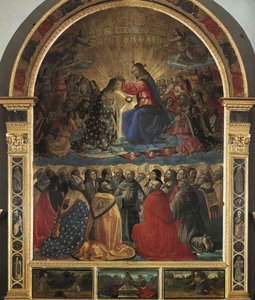
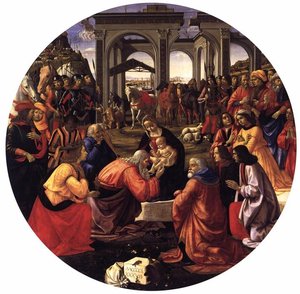
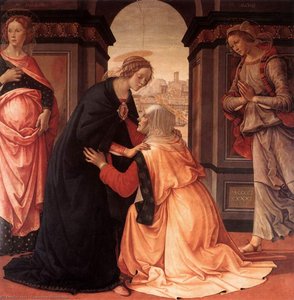
The fresco depicting “View of the Tornabuoni Chapel,” attributed to Domenico Ghirlandaio, stands as a testament to the artistic fervor of Renaissance Florence. Painted in 1485 during Lorenzo de Medici's reign—a period marked by humanist ideals and burgeoning patronage—this monumental artwork transcends mere decoration; it embodies complex theological concepts interwoven with masterful craftsmanship. Examining its details reveals layers of meaning that continue to fascinate scholars and inspire artists today.Subject Matter and Theological Significance
At its core, the fresco confronts viewers with a dramatic representation of the Last Judgment. Ghirlandaio meticulously portrays Christ presiding over an apocalyptic scene—a swirling vortex of figures ascending towards heaven and descending into hell. The chapel itself serves as a symbolic backdrop, representing earthly salvation juxtaposed against eternal damnation. This deliberate juxtaposition underscores the central Christian belief in divine retribution for sin and highlights the importance of righteousness before God’s judgment. Ghirlandaio's aim wasn't simply to depict biblical narrative but to convey its profound spiritual implications—a mission typical of Florentine artists during this era who sought to elevate religious experience through visual art.Style and Technique: Fresco Painting – A Legacy of Craftsmanship
Ghirlandaio’s artistic style exemplifies the late Gothic-early Renaissance transition, blending stylistic elements from both traditions. The composition is characterized by a pyramidal structure—a hallmark of Florentine fresco painting—creating a sense of stability amidst the turbulent imagery. Precise linear perspective guides the eye upwards towards Christ and downwards toward the abyss, reinforcing the spatial drama. Ghirlandaio’s meticulous attention to detail is evident in the rendering of drapery folds, facial expressions, and anatomical accuracy—skills honed under Andrea del Verrocchio's tutelage. The fresco technique itself—applying pigments directly onto wet plaster—demands extraordinary skill and patience, resulting in durable surfaces that retain their vibrancy over centuries. The subtle shading and highlights skillfully simulate light, enhancing the three-dimensional effect and conveying a palpable atmosphere of solemn reverence.Symbolism: Haloes, Gestures, and Hierarchical Arrangement
Throughout the fresco, Ghirlandaio employs numerous symbolic elements to enrich its narrative depth. Halos illuminate figures representing saints and Christ himself—affirming their sanctity and divine grace. The gestures of the central figures convey profound theological messages—Christ’s outstretched hand symbolizes compassion and forgiveness, while Saint Mary embodies maternal piety and unwavering faith. Furthermore, the hierarchical arrangement of figures reinforces the biblical concept of God's dominion over humanity. Each figure occupies a specific position within the pyramid, reflecting its importance in relation to the overall composition and conveying a sense of cosmic order.Emotional Impact: Awe and Reverence – Capturing Divine Majesty
Ultimately, “View of the Tornabuoi Chapel” evokes an overwhelming feeling of awe and reverence—a response born from confronting the majesty of God’s judgment. Ghirlandaio's masterful execution captures not only the visual spectacle but also the spiritual apprehension inherent in contemplating eternity. The artwork compels viewers to contemplate their own mortality and to consider the moral implications of earthly life—themes that resonate powerfully across cultures and eras. It serves as a timeless reminder of humanity’s relationship with divinity, prompting reflection on faith, morality, and the pursuit of righteousness.Conclusion: An Enduring Masterpiece
Domenico Ghirlandaio's “View of the Tornabuoni Chapel” remains an extraordinary achievement—a cornerstone of Renaissance art that continues to inspire admiration for its technical brilliance and intellectual depth. Its enduring legacy testifies to the transformative power of visual art to communicate profound theological concepts and to evoke visceral emotional responses—a testament to Ghirlandaio’s genius as both artist and humanist thinker.Ähnliche Kunstwerke

Über den Künstler
Frühes Leben und Ausbildung
Domenico di Tommaso Curradi di Doffo Bigordi, bekannt als Domenico Ghirlandaio, wurde 1449 in Florenz, Italien, geboren. Er gehörte zur sogenannten "dritten Generation" der Florentiner Renaissance, zusammen mit Verrocchio, den Pollaiolo-Brüdern und Sandro Botticelli. Ghirlandaios frühes Leben war geprägt von seiner Lehrzeit bei seinem Vater, einem Goldschmied, wo er seine Fähigkeiten in der Herstellung metallischer, garlandähnlicher Haarschmucke für florentinische Frauen entwickelte. Dies führte zu seinem Spitznamen "il Ghirlandaio" (Garlandmacher). Später studierte er Malerei und Mosaik unter Alesso Baldovinetti.Künstlerische Karriere
Ghirlandaios künstlerische Karriere zeichnet sich durch sein außergewöhnliches Talent aus, zeitgenössisches Leben und Porträts in religiöse Erzählungen einzubinden. Dies brachte ihm große Popularität und zahlreiche Großaufträge ein. Seine Werkstatt, die seine Brüder Davide und Benedetto Ghirlandaio umfasste, war äußerst effizient und produktiv.- Ghirlandaios bemerkenswerteste Werke sind die Freskenzyklen in der Sassetti-Kapelle von Santa Trinita (1482–1485) und die Berufung der Apostel in der Sixtinischen Kapelle (1483).
- Sein Stil ist durch seine Fähigkeit gekennzeichnet, Darstellungen des zeitgenössischen Lebens in religiöse Erzählungen zu integrieren und so seinen Werken eine gewisse Realität zu verleihen.
- Sein Schwager Sebastiano Mainardi assistierte ihm bei diesen Aufträgen und an den frühen Fresken in San Gimignano.
Wichtige Werke und Vermächtnis
Ghirlandaio hinterließ ein bedeutendes künstlerisches Erbe, das bis heute bewundert wird.- Erkunden Sie Domenico Ghirlandaios Werke auf ArtsDot
- St. Hieronymus in seiner Studienkammer (1480), ein Gegenstück zu Botticellis St. Augustinus in seiner Studienkammer, demonstriert Ghirlandaios Können im Freskenmalerei.
- Die Verherrlichung des St. Zenobius (1482) im Sala del Giglio, Palazzo Vecchio, ist ein Beispiel für seine kompositorische Fähigkeit und Perspektive.
Einflüsse und Entwicklung
Ghirlandaio wurde von Künstlern wie Alesso Baldovinetti und Andrea del Verrocchio beeinflusst. Er entwickelte seinen eigenen Stil, der sich durch eine klare Linienführung, lebendige Farben und eine realistische Darstellung von Figuren auszeichnete. Sein Interesse am zeitgenössischen Leben führte dazu, dass er seine Porträts oft mit Details aus dem Alltagsleben anreicherte, was seine Werke für viele Betrachter besonders ansprechend machte. Er war ein Meister der Freskenmalerei und schuf beeindruckende zyklische Darstellungen religiöser Geschichten. Sein Einfluss auf nachfolgende Künstler, insbesondere auf Michelangelo, ist unbestreitbar.Historische Bedeutung
Domenico Ghirlandaio spielte eine wichtige Rolle in der Florentiner Renaissance. Seine Fähigkeit, Realismus und zeitgenössische Elemente in seine religiösen Darstellungen zu integrieren, trug dazu bei, die Kunst dieser Epoche zu prägen. Er war ein gefragter Künstler für bedeutende Familien wie die Medici und Tornabuoni, was seinen Status als einer der führenden Maler seiner Zeit unterstreicht. Sein Werk beeinflusste zahlreiche nachfolgende Generationen von Künstlern und bleibt bis heute ein wichtiger Bestandteil des italienischen Kunstkanons.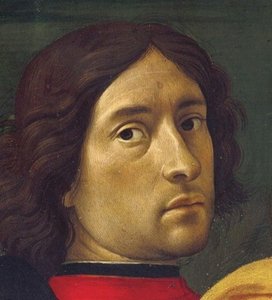
Domenico Ghirlandaio
1449 - 1494 , Italien
Kurzinfos
- Beeinflusste Künstler: ['Michelangelo Buonarroti']
- Bemerkenswerte Werke:
- St. Hieronymus in seiner Werkstatt
- Verkündigung (Detail)
- Die Berufung der Apostel
- Geburtsdatum: 2. Juni 1448
- Geburtsort: Florenz, Italien
- Künstlerische Bewegung: Frührenaissance
- Nationalität: Italiener
- Todatum: 11. Januar 1494
- Vollständiger Name: Domenico Ghirlandaio
Ähnliche Artikel

Das Familienerbe an die Wand bringen: Wandgemälde als Generationenschatz
Verwandeln Sie Ihre Familiengeschichte in ein beeindruckendes Wandgemälde! Expertenrat & hochwertige Handwerkskunst für einzigartige Kunstwerke, die Generationen verbinden. Entdecken Sie jetzt!

The Enduring Legacy of Fresco Painting: Techniques, History & Contemporary Relevance
Explore the rich history & enduring artistry of fresco painting – from Giotto to Michelangelo! Discover techniques, conservation efforts, & modern applications. Learn how ArtsDot brings this timeless art form to your home.

The Enduring Legacy of Fresco: Technique, History & Artistic Expression Across Cultures
Explore the rich history & enduring legacy of fresco painting! Discover ancient techniques, Giotto's masterpieces, and modern applications. Expert insights for art lovers & professionals.
Die bleibende Pracht der Freskomalerei: Technik, Geschichte und künstlerischer Ausdruck
Entdecken Sie die faszinierende Welt der Freskomalerei! Von den Ursprüngen bis zur Renaissance – wir beleuchten Technik, Geschichte und künstlerischen Ausdruck dieser einzigartigen Kunstform. Expertenwissen für Sammler & Liebhaber.

Kunst, die mit Ihnen lebt: Emotionale Kraft individueller Innenraumfresken
Entdecken Sie die emotionale Kraft individueller Innenraumfresken! Expertenberatung & hochwertige Wandmalerei für Hotels, Wohnräume & mehr. – Ihr Partner für einzigartige Kunst.