 Vorschau anzeigen
 Versenden
 Teilen
 Details anzeigen

 Herunterladen
 Ähnliche Objekte
 Röntgenaufnahme
 Diashow
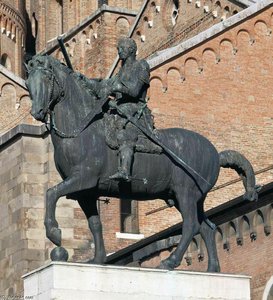
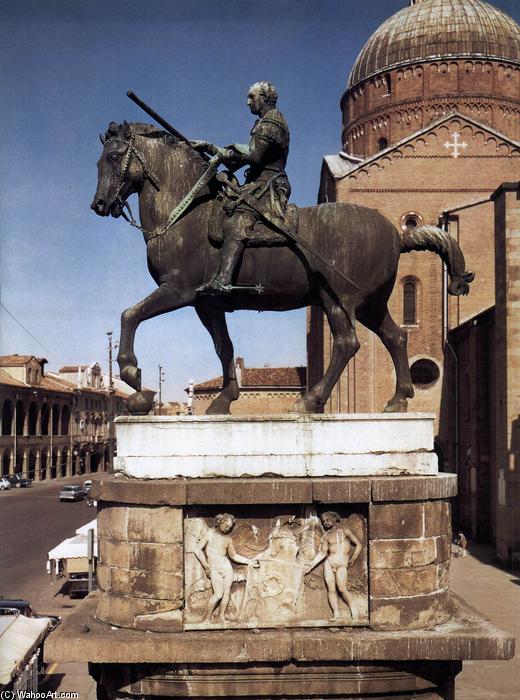
Equestrian Statue of Gattamelata
 Early Renaissance
 1447
1447 340.0 x 390.0 cm
 Piazza del Santo
 Weiterlesen
Handgefertigte Ölreproduktion
Handgemaltes Ölgemälde auf Leinwand in Ihrer Wunschgröße und mit Rahmen, auf Bestellung von unseren Künstlern angefertigt. ( Druck bestellen Bild kaufen)




P118B $10

P118H $10

P118W $10

P438Z $10

P508JH $12

P508YH $12

P805H $10

P805Z $10

P919BZ $10

P919G $10

P919XJ $10

P959ZH $10

P968JZ $12

W106C $8

W218G $10

W218JH $8

W218Y $10

W307PJ $10

W316G $10

W316PJ $8

W316Y $10

W398PJ $8

W4111J $10

W500HY $15

W500JH $15

W692G $12

W849H $8

W940BG $15

W953PJ $8




Wählen Sie aus unseren vordefinierten Formaten, die den ursprünglichen Proportionen des Kunstwerks entsprechen.

Sie können Ihre eigenen Maße eingeben, um einen bestimmten Rahmen oder Platz auszufüllen. Wenn die gewählte Größe nicht den Proportionen des Originalbildes entspricht, werden wir das Kunstwerk entweder beschneiden oder das Gemälde durch zusätzliche, handgemalte Elemente erweitern. Ein digitales Mockup wird Ihnen zur Genehmigung zugesandt, bevor die Produktion beginnt.
Bitte beachten Sie, dass die Bildschirmvorschau nicht die tatsächliche Beschneidung oder Erweiterung widerspiegelt. Nur das Mockup zeigt die endgültige Komposition exakt an.
Obwohl Sondermaße verfügbar sind, empfehlen wir, eine Größe aus der vordefinierten Liste zu wählen, um die ursprünglichen Proportionen beizubehalten.
Nach der Bestellung wird das ArtsDot.com-Team dem Kunden Anweisungen per E-Mail zusenden und eine Mockup-Vorschau bereitstellen.
Weltweiter Versand () in nur 3 bis 4 Wochen statt der üblichen 5 Wochen. (20 August). Keine Kompromisse bei der Qualität.

Kostenloser weltweiter Expressversand

Hochwertige Leinenleinwand

Umfassender Versicherungsschutz beim Versand

Zollgebühren-Rückerstattungsgarantie

Garantie für exakte Farbtreue

60 Tage Rückgaberecht (nur bei Mängeln)

100% Geld-zurück-Garantie

Mengenrabatt verfügbar
 Die Glasoption ist nur für Größen unter 110 cm verfügbar.

Equestrian Statue of Gattamelata
Art der Reproduktion
Format der Reproduktion
-


Gesamtpreis
$ 263
Beschreibung des Kunstwerks
The Majesty of Power: Donatello’s Equestrian Portrait
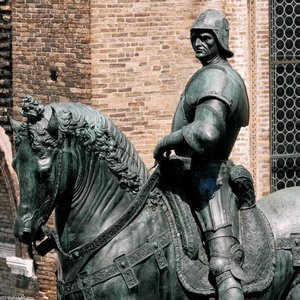
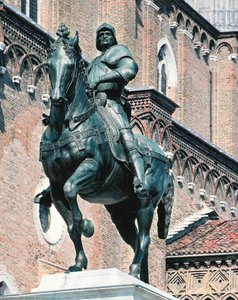
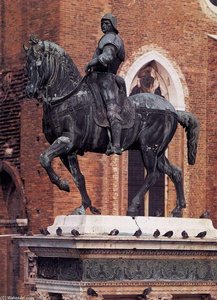
Donatello's Equestrian Statue of Gattamelata, a monumental bronze sculpture residing in Padua, Italy, isn’t merely a depiction of a historical figure; it’s an embodiment of Renaissance ideals – a testament to humanism, military prowess, and the enduring power of portraiture. Completed around 1453, this imposing work transcends its subject, Erasmo da Narni, known as Gattamelata, becoming a symbol of Venice's strategic brilliance and the condottiero’s own commanding presence. The statue immediately commands attention, dwarfing its surroundings with its sheer scale (a remarkable 340 cm in height) and the palpable sense of dynamism it conveys – a feeling of movement captured eternally in bronze.
The sculpture's genesis is rooted in a fascinating historical anecdote: Venice commissioned the statue as a lavish tribute to Gattamelata, recognizing his crucial role in securing Venetian dominance over Padua. However, the exact circumstances surrounding the commission remain shrouded in some mystery, adding an intriguing layer of speculation to its story. Regardless of the precise details, Donatello’s creation represents a pivotal moment in Renaissance art – a deliberate return to the grandeur and heroic scale of classical equestrian statues, while simultaneously imbuing them with a distinctly humanistic sensibility.
A Masterclass in Bronze Technique
Donatello's skill as a sculptor is immediately evident in the remarkable realism achieved through his masterful manipulation of bronze. The statue’s surface isn’t smooth and polished; instead, it boasts a deliberately textured quality – a deliberate roughness that invites touch and emphasizes the material’s inherent weight and solidity. This technique, combined with the careful modeling of musculature and drapery, creates an astonishingly lifelike effect, capturing not just the outward appearance but also the underlying strength and character of Gattamelata.
- Lost Wax Casting: The statue was created using the traditional lost-wax method, a complex process involving creating a wax model, covering it in plaster to create a mold, melting out the wax, and then pouring molten bronze into the resulting cavity.
- Dynamic Pose: Gattamelata is depicted in a powerfully dynamic pose – seated on horseback, his body angled slightly forward as if poised for action. This isn’t a static portrait; it's an image of movement, conveying alertness and readiness.
- Attention to Detail: The intricate details—the folds of the saddlecloth, the texture of the horse’s mane and tail, the subtle expression on Gattamelata’s face—demonstrate Donatello’s meticulous approach and his commitment to capturing every nuance of the subject's appearance.
Symbolism and the Portrait of a Leader
Beyond its technical brilliance, the statue is rich in symbolic meaning. Gattamelata isn’t simply portrayed as a warrior; he embodies qualities of leadership, strategic thinking, and military acumen. The orb resting on the horse's hoof – a cannonball – serves as a potent symbol of his victories and Venice’s expanding influence. The placement of the rider’s foot upon the orb is particularly significant, suggesting control and dominion over both the battlefield and the surrounding territory.
Furthermore, Donatello deliberately departs from the conventions of classical equestrian portraiture. Rather than depicting Gattamelata as an idealized god-like figure, he presents him as a relatable human being – a man of action, courage, and strategic intelligence. This shift reflects the Renaissance emphasis on individualism and the celebration of earthly achievements, rather than solely focusing on divine attributes.
A Legacy of Grandeur
The Equestrian Statue of Gattamelata stands as a landmark achievement in Renaissance sculpture, influencing generations of artists who followed. Its impact extends beyond its aesthetic qualities; it represents a revival of classical ideals within a new artistic context – a testament to the enduring power of bronze and the ability of art to capture not just likeness but also character, ambition, and the spirit of an age. Today, standing in Padua’s Piazza del Santo, this magnificent statue continues to inspire awe and admiration, reminding us of the brilliance and creativity of Donatello and the legacy of Renaissance Italy.
Ähnliche Kunstwerke
Über den Künstler
Frühes Leben und Karriere
Donato di Niccolò di Betto Bardi, bekannt als Donatello, wurde um 1386 in Florenz, Italien geboren. Er studierte klassische Bildhauerei, was seine Entwicklung eines frühen Renaissance-Stils stark beeinflusste. Dieser neue Ansatz für Kunst und Kultur sollte schließlich zum Kennzeichen der florentinischen Renaissance werden.Schlüsselwerke und Innovationen
Donatellos berühmtestes Werk, David, war seit der Antike die erste freistehende nackte männliche Skulptur. Sie wurde von der Familie Medici in Auftrag gegeben und zeigte seinen innovativen Stil und seine technische Expertise. Zu den anderen bemerkenswerten Werken gehören:- St. Louis von Toulouse (jetzt im Museum der Basilika di Santa Croce), das einen klassischen Rahmen aufwies, der von Donatello entworfen wurde.
- Das Opfer des Isaak, geschaffen für den Campanile von Santa Maria del Fiore in Florenz, zeichnete sich durch starke Porträtdetails aus.
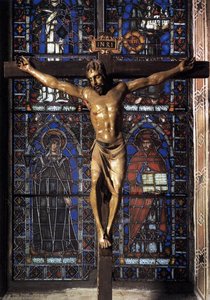
- Kreuzifix (1425) für Santa Croce, das Christus in einem Moment der Agonie darstellte.
Künstlerischer Stil und Vermächtnis
Donatellos Stil lässt sich in breite Phasen einteilen, beginnend mit der Entwicklung von Ausdruckskraft und klassischer Monumentalität. Seine Arbeit wurde nicht sofort von der Gemeinschaft akzeptiert, entwickelte sich aber schließlich zum beliebtesten und beeinflusste andere italienische Höfe und europäische Künstler. Wichtige Kunstbewegungen:Persönliches Leben und Arbeitsweise
Donatello war bekannt dafür, liebenswert und gutmütig zu sein, aber schlecht in der geschäftlichen Seite seiner Karriere. Er nahm oft mehr Aufträge an, als er bewältigen konnte, und vollendete Werke häufig verspätet oder übergab sie anderen Bildhauern. Bemerkenswerte Kunstwerke und Künstler:- Leonardo da Vinci: Ankündigung (Detail)
- Amico Aspertini: Statua di Pan/Leone che azzanna un cavallo
- Michelangelo Buonarroti: Tondo Pitt
Museen und Kunstsammlungen:
- Museo della Collegiata (Empoli, Italien): Ein verstecktes Juwel der Renaissance mit Werken von Francesco Botticini und Raffaello Botticini.
- Die frühe italienische Kunstbewegung der Renaissance
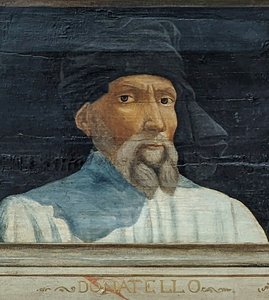
Donatello
1386 - 1466 , Italien
Kurzinfos
- Beeinflusste Künstler:
- Leonardo da Vinci
- Michelangelo Buonarroti
- Bemerkenswerte Werke:
- David
- St. Louis von Toulouse
- Das Opfer des Isaak
- Kreuzifix (1425)
- Geburtsdatum: ca. 1386
- Geburtsort: Florenz, Italien
- Künstlerische Bewegung:
- Frührenaissance
- Florentiner Renaissance
- Künstlerische Einflüsse: ['Antike Skulptur']
- Nationalität: Italiener
- Sterbedatum: 1466
- Vollständiger Name: Donatello (Donato di Niccolò)
Ähnliche Artikel

Die 10 legendärsten Bronzestatuen: Meisterwerke, die Kunstgeschichte schrieben | ArtsDot
Entdecken Sie die 10 legendärsten Bronzestatuen der Kunstgeschichte! Von Rodin bis Michelangelo – erfahren Sie die Geschichten hinter ikonischen Skulpturen und finden Sie hochwertige Reproduktionen für Ihr Zuhause. Jetzt bei ArtsDot entdecken!

Bronze-Meisterwerke: Die 10 Skulpturen, die Kunstgeschichte schrieben | ArtsDot
Entdecken Sie die 10 legendärsten Bronze Skulpturen der Kunstgeschichte! Von Michelangelo bis Rodin – erfahren Sie die Geschichten hinter den Meisterwerken und lassen Sie sich von Wanddeko-Ideen inspirieren. Hochwertige Kunstdrucke auf ArtsDot.com.

The Enduring Legacy of Bronze: A Historical & Artistic Exploration for the Collector
Explore the rich history & enduring appeal of bronze sculpture with expert insights for collectors at ArtsDot. Learn about casting techniques, iconic artists, collecting tips & contemporary interpretations.
The Enduring Legacy of Bronze: History, Technique & Artistic Expression for the Collector
Explore the rich history & enduring appeal of bronze sculpture with expert insights for collectors at ArtsDot. Learn about casting techniques, iconic artists, and collecting tips.
Das bleibende Erbe der Bronzeskulptur: Geschichte, Techniken und zeitgenössische Interpretationen
Entdecken Sie die faszinierende Geschichte der Bronzeskulptur – von den Anfängen bis zur modernen Kunst. Expertenwissen, Techniken & Tipps für Sammler.