 Vorschau anzeigen
 Versenden
 Teilen
 Details anzeigen

 Herunterladen
 Ähnliche Objekte
 Röntgenaufnahme
 Diashow
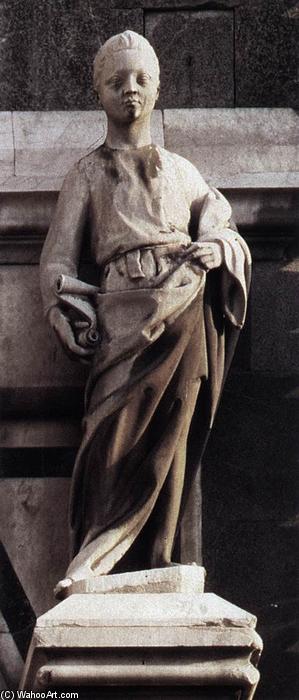
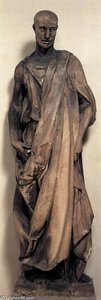
Prophet (left of the Porta della Mandorla)


 Weiterlesen
Handgefertigte Ölreproduktion
Handgemaltes Ölgemälde auf Leinwand in Ihrer Wunschgröße und mit Rahmen, auf Bestellung von unseren Künstlern angefertigt. ( Druck bestellen Bild kaufen)




P118B $10

P118H $10

P118W $10

P438Z $10

P508JH $12

P508YH $12

P805H $10

P805Z $10

P919BZ $10

P919G $10

P919XJ $10

P959ZH $10

P968JZ $12

W106C $8

W218G $10

W218JH $8

W218Y $10

W307PJ $10

W316G $10

W316PJ $8

W316Y $10

W398PJ $8

W4111J $10

W500HY $15

W500JH $15

W692G $12

W849H $8

W940BG $15

W953PJ $8




Wählen Sie aus unseren vordefinierten Formaten, die den ursprünglichen Proportionen des Kunstwerks entsprechen.

Sie können Ihre eigenen Maße eingeben, um einen bestimmten Rahmen oder Platz auszufüllen. Wenn die gewählte Größe nicht den Proportionen des Originalbildes entspricht, werden wir das Kunstwerk entweder beschneiden oder das Gemälde durch zusätzliche, handgemalte Elemente erweitern. Ein digitales Mockup wird Ihnen zur Genehmigung zugesandt, bevor die Produktion beginnt.
Bitte beachten Sie, dass die Bildschirmvorschau nicht die tatsächliche Beschneidung oder Erweiterung widerspiegelt. Nur das Mockup zeigt die endgültige Komposition exakt an.
Obwohl Sondermaße verfügbar sind, empfehlen wir, eine Größe aus der vordefinierten Liste zu wählen, um die ursprünglichen Proportionen beizubehalten.
Nach der Bestellung wird das ArtsDot.com-Team dem Kunden Anweisungen per E-Mail zusenden und eine Mockup-Vorschau bereitstellen.
Weltweiter Versand () in nur 3 bis 4 Wochen statt der üblichen 5 Wochen. (24 August). Keine Kompromisse bei der Qualität.

Kostenloser weltweiter Expressversand

Hochwertige Leinenleinwand

Umfassender Versicherungsschutz beim Versand

Zollgebühren-Rückerstattungsgarantie

Garantie für exakte Farbtreue

60 Tage Rückgaberecht (nur bei Mängeln)

100% Geld-zurück-Garantie

Mengenrabatt verfügbar
 Die Glasoption ist nur für Größen unter 110 cm verfügbar.

Prophet (left of the Porta della Mandorla)
Art der Reproduktion
Format der Reproduktion
-


Gesamtpreis
$ 263
Beschreibung des Kunstwerks
A Vision of Prophecy: Donatello’s Prophet from Florence
Donatello's "Prophet (left of the Porta della Mandorla)," a marble sculpture created between 1406 and 1408, stands as a pivotal work in the transition from the late Gothic to the burgeoning Renaissance style. More than just a depiction of a biblical figure, it’s a profound exploration of human form, spiritual aspiration, and the nascent humanist ideals that would define the era. Originally intended for the north doors of Florence Cathedral – the famed “Porta della Mandorla” – this sculpture immediately captivated viewers with its startling realism and psychological depth, setting a new standard for portraiture in sculpture.
The piece itself is remarkably intimate; standing at just over 128 centimeters (50 ¼ inches) tall, it’s designed to be viewed up close, inviting contemplation. The figure, identified as a prophet – though his precise identity remains debated by scholars – is rendered with an unprecedented level of naturalism for the time. Donatello masterfully captures the subtle nuances of age and experience in the subject's face, conveying a sense of wisdom and solemnity. The drapery, meticulously carved to suggest both weight and movement, adds another layer of visual interest, highlighting the sculptor’s technical prowess.
Renaissance Innovation: Form and Humanism
Donatello’s approach to sculpture during this period marked a significant departure from the stylized conventions of the preceding Gothic era. He drew heavily on his study of classical antiquity – particularly Greek and Roman sculpture – incorporating elements of proportion, anatomy, and contrapposto (the arrangement of figures in a dynamic pose) into his work. This is most evident in the prophet’s stance: he stands with one leg slightly advanced, creating a subtle shift in weight that lends him an air of dignified composure. The face itself, exhibiting a remarkable degree of realism, reflects a growing interest in human emotion and individual character – hallmarks of the humanist movement gaining momentum throughout Florence.
Furthermore, Donatello’s use of marble was revolutionary. He employed a technique known as “white ground,” where he carved directly into the pale surface of the stone, revealing the underlying color and texture. This created a luminous effect that enhanced the sculpture's natural beauty and contributed to its overall sense of realism. The choice of white marble itself held symbolic significance; it represented purity, spirituality, and divine grace – qualities closely associated with the prophet figure.
Symbolism and Context: A Doorway to Faith
The "Prophet (left of the Porta della Mandorla)" wasn’t simply a standalone sculpture; it was part of a larger decorative program intended to adorn the cathedral's north doors. The entire portal was designed as a visual narrative, depicting scenes from the Bible and culminating in a central image of the Virgin Mary with Christ – the “Mandorla” (almond) itself. The prophet figure, positioned on the left side of this composition, likely represents one of the Old Testament prophets who foretold the coming of Jesus Christ. The scroll he holds further reinforces this interpretation, symbolizing divine revelation and prophecy.
Considering its placement within the cathedral’s architecture, the sculpture served as a powerful visual reminder of faith and spiritual aspiration for the citizens of Florence. The choice to depict a prophet – a messenger of God – underscored the importance of religious belief in Florentine society during this period. The work's enduring appeal lies not only in its artistic merit but also in its ability to evoke a sense of timelessness and profound contemplation.
A Legacy of Innovation
Donatello’s “Prophet (left of the Porta della Mandorla)” remains one of the most celebrated works of the Early Renaissance. It exemplifies his innovative approach to sculpture, blending classical ideals with a distinctly humanistic sensibility. The sculpture's influence can be seen in the work of subsequent generations of artists, who continued to draw inspiration from Donatello’s mastery of form, anatomy, and psychological expression. Reproductions of this iconic piece continue to captivate audiences today, offering a glimpse into the artistic genius of one of Florence’s greatest sculptors.
Ähnliche Kunstwerke
Über den Künstler
Frühes Leben und Karriere
Donato di Niccolò di Betto Bardi, bekannt als Donatello, wurde um 1386 in Florenz, Italien geboren. Er studierte klassische Bildhauerei, was seine Entwicklung eines frühen Renaissance-Stils stark beeinflusste. Dieser neue Ansatz für Kunst und Kultur sollte schließlich zum Kennzeichen der florentinischen Renaissance werden.Schlüsselwerke und Innovationen
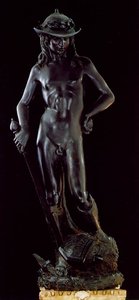
Donatellos berühmtestes Werk, David, war seit der Antike die erste freistehende nackte männliche Skulptur. Sie wurde von der Familie Medici in Auftrag gegeben und zeigte seinen innovativen Stil und seine technische Expertise. Zu den anderen bemerkenswerten Werken gehören:- St. Louis von Toulouse (jetzt im Museum der Basilika di Santa Croce), das einen klassischen Rahmen aufwies, der von Donatello entworfen wurde.
- Das Opfer des Isaak, geschaffen für den Campanile von Santa Maria del Fiore in Florenz, zeichnete sich durch starke Porträtdetails aus.
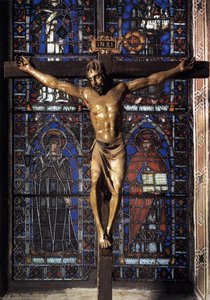
- Kreuzifix (1425) für Santa Croce, das Christus in einem Moment der Agonie darstellte.
Künstlerischer Stil und Vermächtnis
Donatellos Stil lässt sich in breite Phasen einteilen, beginnend mit der Entwicklung von Ausdruckskraft und klassischer Monumentalität. Seine Arbeit wurde nicht sofort von der Gemeinschaft akzeptiert, entwickelte sich aber schließlich zum beliebtesten und beeinflusste andere italienische Höfe und europäische Künstler. Wichtige Kunstbewegungen:Persönliches Leben und Arbeitsweise
Donatello war bekannt dafür, liebenswert und gutmütig zu sein, aber schlecht in der geschäftlichen Seite seiner Karriere. Er nahm oft mehr Aufträge an, als er bewältigen konnte, und vollendete Werke häufig verspätet oder übergab sie anderen Bildhauern. Bemerkenswerte Kunstwerke und Künstler:- Leonardo da Vinci: Ankündigung (Detail)
- Amico Aspertini: Statua di Pan/Leone che azzanna un cavallo
- Michelangelo Buonarroti: Tondo Pitt
Museen und Kunstsammlungen:
- Museo della Collegiata (Empoli, Italien): Ein verstecktes Juwel der Renaissance mit Werken von Francesco Botticini und Raffaello Botticini.
- Die frühe italienische Kunstbewegung der Renaissance
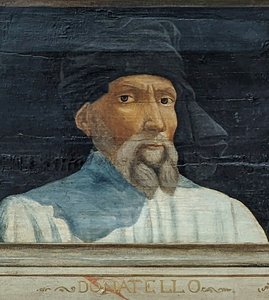
Donatello
1386 - 1466 , Italien
Kurzinfos
- Beeinflusste Künstler:
- Leonardo da Vinci
- Michelangelo Buonarroti
- Bemerkenswerte Werke:
- David
- St. Louis von Toulouse
- Das Opfer des Isaak
- Kreuzifix (1425)
- Geburtsdatum: ca. 1386
- Geburtsort: Florenz, Italien
- Künstlerische Bewegung:
- Frührenaissance
- Florentiner Renaissance
- Künstlerische Einflüsse: ['Antike Skulptur']
- Nationalität: Italiener
- Sterbedatum: 1466
- Vollständiger Name: Donatello (Donato di Niccolò)
Ähnliche Artikel
The Enduring Allure of Marble in Art History: From Classical Sculpture to Modern Abstraction
Explore the captivating history of marble sculpture from ancient Greece to modern art. Discover renowned artists like Canova & Michelangelo, carving techniques, and investment insights at ArtsDot.

Bronze-Meisterwerke: Die 10 Skulpturen, die Kunstgeschichte schrieben | ArtsDot
Entdecken Sie die 10 legendärsten Bronze Skulpturen der Kunstgeschichte! Von Michelangelo bis Rodin – erfahren Sie die Geschichten hinter den Meisterwerken und lassen Sie sich von Wanddeko-Ideen inspirieren. Hochwertige Kunstdrucke auf ArtsDot.com.

The Enduring Form: Exploring Themes & Techniques in Sculpture Across Historical Periods
Explore the rich history of sculpture from ancient masterpieces to contemporary innovations. Discover key techniques, influential artists & investment potential for discerning art collectors.

Die 10 legendärsten Bronzestatuen: Meisterwerke, die Kunstgeschichte schrieben | ArtsDot
Entdecken Sie die 10 legendärsten Bronzestatuen der Kunstgeschichte! Von Rodin bis Michelangelo – erfahren Sie die Geschichten hinter ikonischen Skulpturen und finden Sie hochwertige Reproduktionen für Ihr Zuhause. Jetzt bei ArtsDot entdecken!

The Enduring Form: Sculpture Across History, Technique & Emotional Resonance
Explore the rich history of sculpture with ArtsDot. Discover key techniques, influential artists & investment potential for discerning collectors. Expert insights into valuing and collecting timeless masterpieces.