 Vorschau anzeigen
 Versenden
 Teilen
 Details anzeigen

 Herunterladen
 Ähnliche Objekte
 Röntgenaufnahme
 Diashow
 Statistiken
I Win You Lose
 Mixed Media
- WallArt
- Conceptual Art
 38.0 x 51.0 cm
 Vancouver Art Gallery
 Weiterlesen
Giclée / Kunstdruck
Giclée- oder Leinwanddruck in Museumsqualität mit schneller Produktion und flexiblen Veredelungsoptionen. ( Handgemalte Reproduktion bestellen Zum digitalen Bild wechseln)




P118B $10

P118H $10

P118W $10

P438Z $10

P508JH $12

P508YH $12

P805H $10

P805Z $10

P919BZ $10

P919G $10

P919XJ $10

P959ZH $10

P968JZ $12

W106C $8

W218G $10

W218JH $8

W218Y $10

W307PJ $10

W316G $10

W316PJ $8

W316Y $10

W398PJ $8

W4111J $10

W500HY $15

W500JH $15

W692G $12

W849H $8

W940BG $15

W953PJ $8




Wählen Sie aus unseren vordefinierten Formaten, die den ursprünglichen Proportionen des Kunstwerks entsprechen.

Sie können Ihre eigenen Maße eingeben, um ein bestimmtes Format oder einen speziellen Platz einzupassen. Wenn das von Ihnen gewählte Format nicht den Proportionen des Originalbildes entspricht, werden wir das Kunstwerk entweder beschneiden oder das Bild mit einem gespiegelten oder einfarbigen Rand erweitern. Ein digitaler Entwurf wird Ihnen zur Genehmigung zugesandt, bevor die Produktion beginnt.
Bitte beachten Sie, dass die Vorschau auf dem Bildschirm nicht den tatsächlichen Zuschnitt oder die Erweiterung widerspiegelt. Nur der Entwurf zeigt die endgültige Komposition präzise an.
Obwohl Sondermaße verfügbar sind, empfehlen wir die Auswahl eines Maßes aus der vordefinierten Liste, um die ursprünglichen Proportionen zu bewahren.
Weltweiter Versand () innerhalb von 2 Wochen statt der üblichen 4/5 Wochen. (9 September)

Kostenloser weltweiter Expressversand

Hochwertige Leinenleinwand

Umfassender Versicherungsschutz beim Versand

Zollgebühren-Rückerstattungsgarantie

Garantie für exakte Farbtreue

100-Tage-Rückgaberecht (nur bei Mängeln)

100% Geld-zurück-Garantie

Mengenrabatt verfügbar
 Die Glasoption ist nur für Größen unter 110 cm verfügbar.

I Win You Lose
Giclée / Kunstdruck
Format der Reproduktion
-


Gesamtpreis
$ 62
The Genesis of a Distorted Dreamscape
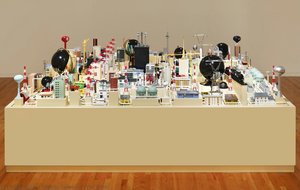
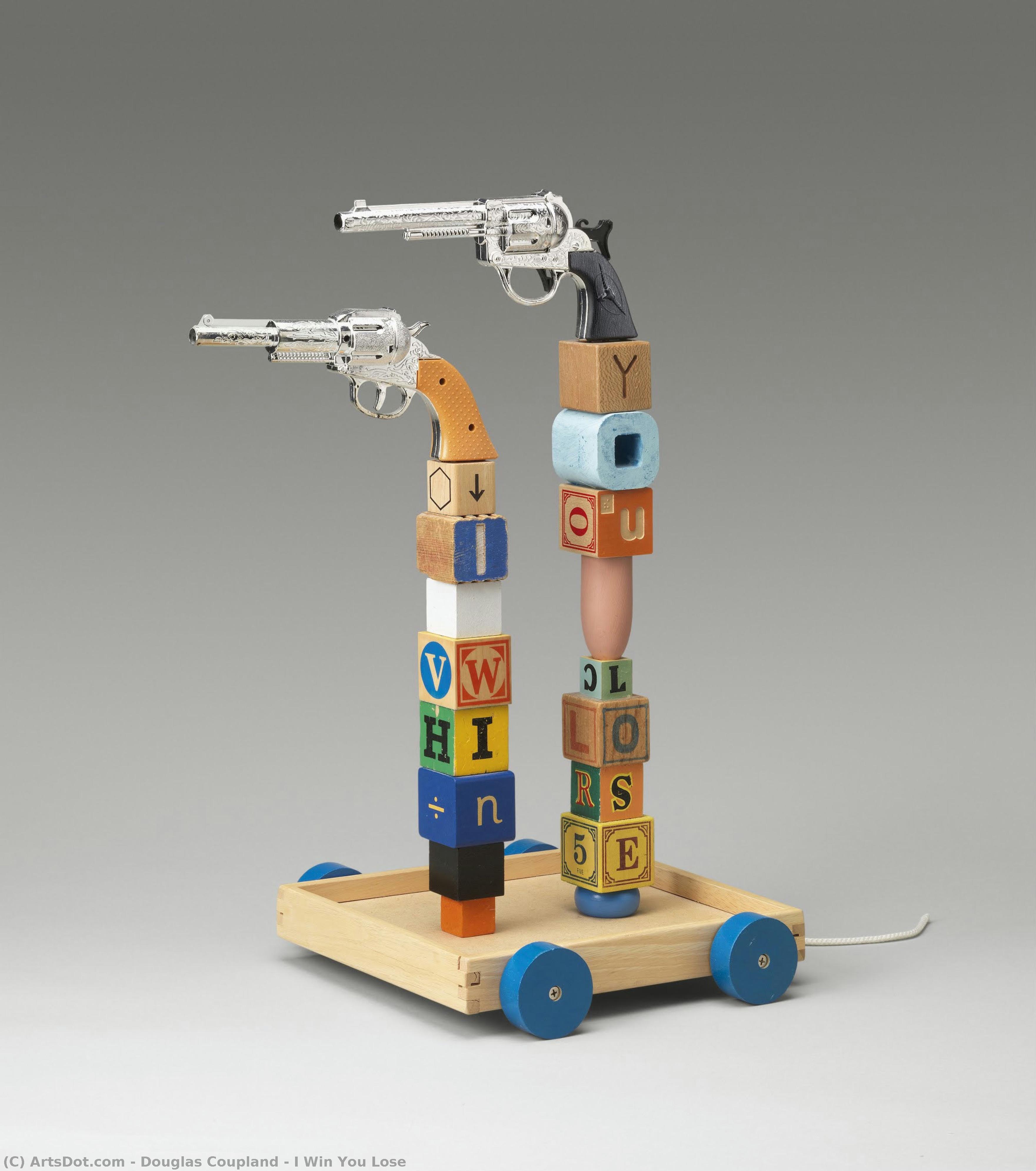
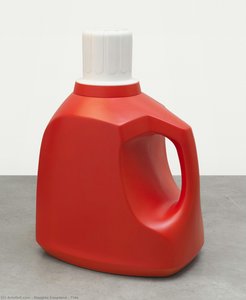
Douglas Coupland’s “I Win You Lose” isn't merely a sculpture; it’s an unsettling encounter with childhood, weaponry, and the fractured realities of contemporary existence. Born from a restless curiosity about the anxieties simmering beneath the surface of modern life, Coupland began his artistic journey in the vibrant, experimental art scene of 1980s Vancouver. This formative period instilled within him a keen awareness of cultural contradictions – a fascination with both the seductive allure and the inherent dangers of technology, consumerism, and the blurring lines between innocence and violence. “I Win You Lose” crystallizes this preoccupation, presenting a meticulously constructed tableau that immediately demands interpretation, forcing the viewer to confront uncomfortable truths about our collective psyche.
- The Foundation: The sculpture’s core is built upon a precarious tower of wooden blocks, each painstakingly painted with letters spelling out the deceptively simple phrase “I Win You Lose.” This deliberate choice of words – a direct reference to the classic card game – immediately establishes a thematic tension.
- The Threat: Mounted atop this fragile structure are two antique revolvers, rendered in stark detail and radiating an unsettling sense of menace. Their presence isn’t merely decorative; they represent a potent symbol of violence, control, and the ever-present threat lurking beneath the veneer of civility.
- The Wagon: A toy wagon serves as the unstable base for this volatile arrangement, grounding the sculpture in the realm of childhood – a space often associated with safety, imagination, and vulnerability. This juxtaposition is crucial to Coupland’s overall strategy, highlighting the collision between these seemingly disparate worlds.
Decoding Symbolism: A Collision of Innocence and Lethality
Coupland masterfully employs symbolism throughout “I Win You Lose,” layering meaning within a deceptively simple composition. The wooden blocks, representing childhood building materials, are inherently unstable – mirroring the precariousness of innocence in a world increasingly shaped by conflict and violence. The lettering itself is not just text; it’s an active participant in the sculpture's narrative, suggesting a struggle for control, a negotiation between victory and defeat. The antique revolvers, symbols of authority and aggression, are deliberately placed atop this fragile structure, creating a visual metaphor for the potential to shatter innocence with a single act.
The deliberate imbalance of the tower further amplifies this symbolism, suggesting that the foundations of our society – built on childhood ideals – are increasingly vulnerable to disruption. The choice of antique revolvers speaks to a history of violence, while their placement atop the toy wagon evokes a disturbing sense of regression—a return to primal instincts and unresolved conflicts.Craftsmanship and Technique: A Study in Controlled Chaos
Beyond its symbolic weight, “I Win You Lose” is a testament to Coupland’s meticulous craftsmanship. The sculpture is constructed from an array of materials – wood, metal, plastic blocks, paint—each carefully selected and precisely assembled. The smooth, polished surfaces of the wooden tower contrast sharply with the rough texture of the painted letters and the cold, metallic sheen of the revolvers. This textural interplay adds depth and complexity to the composition, inviting close examination.
- Materiality: The use of diverse materials—wood, metal, plastic—reflects Coupland’s interest in exploring the relationship between natural and artificial elements, organic and inorganic forms.
- Color Palette: The sculpture's color palette – dominated by primary colors (red, blue, yellow) combined with neutral tones – is deliberately jarring, contributing to its unsettling effect. The vibrant hues of the revolvers stand out against the muted backdrop of the wooden tower, further emphasizing the tension between innocence and violence.
- Lighting: The soft, even lighting used in photographs of the sculpture highlights the textures and details of the materials without creating strong shadows, allowing the composition to remain visually balanced while still conveying a sense of unease.
A Reflection on Contemporary Anxiety
“I Win You Lose” is more than just a sculptural statement; it’s a poignant commentary on contemporary anxieties—the pervasive threat of violence, the erosion of innocence, and the unsettling impact of technology on our collective consciousness. Coupland's work invites us to confront these uncomfortable truths, prompting reflection on the choices we make as individuals and as a society. The sculpture’s enduring power lies in its ability to evoke a visceral response—a sense of unease, disorientation, and ultimately, a profound awareness of the fragility of our world. It serves as a stark reminder that the pursuit of victory can often come at the expense of innocence, and that the balance between control and chaos is perpetually precarious.
Ähnliche Kunstwerke



Über den Künstler
Douglas Coupland: Eine Biografie
- Geboren: Vancouver, Kanada (30. Dezember 1961)
- Herkunft: ArtsDot
- Status: Lebt
Frühes Leben und literarischer Durchbruch
- Der Werdegang von Douglas Coupland begann am 30. Dezember 1961 in Vancouver, Kanada. Sein frühes Leben prägte seine scharfen Beobachtungen der zeitgenössischen Kultur, die später sein Werk definieren sollten.
- Er erlangte weitreichende Anerkennung mit der Veröffentlichung seines Debütromans "Generation X: Geschichten für eine beschleunigte Kultur" im Jahr 1991. Dieses bahnbrechende Werk fand bei einer Generation großen Anklang, die mit Fragen der Identität und des Zwecks in einer sich schnell verändernden Welt ringt.
- Der Roman popularisierte Begriffe wie "Generation X" und "McJob", was Couplands Position als Kulturkommentator festigte und den Zeitgeist der Ära einfing.
Entwicklung als Künstler und Designer
- Über seinen literarischen Erfolg hinaus hat Coupland eine vielfältige künstlerische Praxis entwickelt, die visuelle Kunst und Design umfasst. Er hat 13 Romane, zwei Kurzgeschichtensammlungen, sieben Sachbücher und zahlreiche Drehbücher für Film und Fernsehen verfasst.
- Seine visuellen Werke wurden in renommierten Einrichtungen wie der Vancouver Art Gallery und der McMichael Canadian Art Collection ausgestellt.
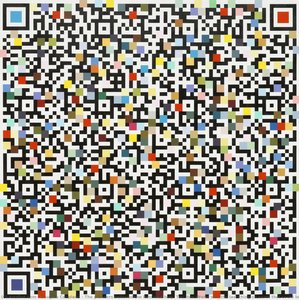
- Couplands künstlerische Erkundung erstreckt sich auf innovative Medien wie QR-Codes, die er in seine Gemälde integriert, um versteckte Botschaften preiszugeben, wenn sie gescannt werden – wodurch Abstraktion mit Funktionalität verschmilzt.
Wichtige künstlerische Themen und bemerkenswerte Werke
- QR-Code-Serie: Couplands Serie von Gemälden, die QR-Codes enthalten, veranschaulicht seinen einzigartigen Ansatz, Technologie und Kunst zu verbinden, um prägnante Kommentare abzugeben.
- Dead Grads-Serie: Diese ergreifende Reihe dient als Hommage an junge Menschen, deren Leben tragisch verkürzt wurden, wobei Titel wie "Gun", "Car Crash" und "Overdose" eine tiefe Reflexion hervorrufen.
- Silver Boogeyman: Ein auffälliges Werk, das beim Betrachten durch ein Smartphone das Gesicht von Osama bin Laden enthüllt, was Couplands Fähigkeit demonstriert, zum Nachdenken anzuregen und die Wahrnehmung herauszufordern.
- The Ice Storm: Eine monumentale Stahlskulptur, die kanadische Identität und Fragilität widerspiegelt und seine Erkundung nationaler Themen zeigt.
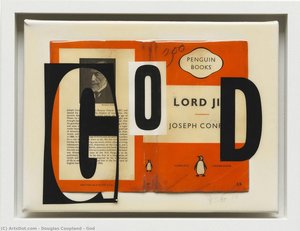
- God: Eine Mixed-Media-Collage mit symbolischen Elementen wie "Lord Jim" und einem geometrischen 'D', die seine Schichttechniken und Designfähigkeiten demonstriert.
Anerkennung und Vermächtnis
- Couplands Beiträge zur Literatur und Kunst wurden weithin anerkannt, was ihm den Titel Officer of the Order of Canada und eine Mitgliedschaft in der Order of British Columbia einbrachte.
- Seine Arbeit findet weiterhin Anklang beim Publikum auf der ganzen Welt und regt den Dialog über zeitgenössische Kultur, Technologie und gesellschaftliche Fragen an.
- Er bleibt eine bedeutende Figur in den kanadischen Künsten und Briefen, bekannt für seine aufschlussreichen Beobachtungen und innovative künstlerische Ausdrucksformen.
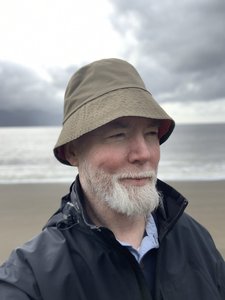
Douglas Coupland
1961 - , Kanada
Kurzinfos
- Artistic Movement Or Style: Zeitgenössische Kunst, Pop Art
- Date Of Birth: 30. Dezember 1961
- Full Name: Douglas Coupland
- Nationality: Kanadisch
- Notable Artworks:
- Jumbo Boogeyman in the Sky...
- Silver Boogeyman
- God
- The Ice Storm
- The Poet
- Thomson No. 5 (Yellow Sunset)
- Place Of Birth (City And Country): Vancouver, Kanada
Ähnliche Artikel

Bronze-Meisterwerke: Die 10 Skulpturen, die Kunstgeschichte schrieben | ArtsDot
Entdecken Sie die 10 legendärsten Bronze Skulpturen der Kunstgeschichte! Von Michelangelo bis Rodin – erfahren Sie die Geschichten hinter den Meisterwerken und lassen Sie sich von Wanddeko-Ideen inspirieren. Hochwertige Kunstdrucke auf ArtsDot.com.

Die 10 legendärsten Bronzestatuen: Meisterwerke, die Kunstgeschichte schrieben | ArtsDot
Entdecken Sie die 10 legendärsten Bronzestatuen der Kunstgeschichte! Von Rodin bis Michelangelo – erfahren Sie die Geschichten hinter ikonischen Skulpturen und finden Sie hochwertige Reproduktionen für Ihr Zuhause. Jetzt bei ArtsDot entdecken!
Das bleibende Erbe der Bronzeskulptur: Geschichte, Techniken und zeitgenössische Interpretationen
Entdecken Sie die faszinierende Geschichte der Bronzeskulptur – von den Anfängen bis zur modernen Kunst. Expertenwissen, Techniken & Tipps für Sammler.

The Enduring Form: Sculpture Across History, Technique & Emotional Resonance
Explore the rich history of sculpture with ArtsDot. Discover key techniques, influential artists & investment potential for discerning collectors. Expert insights into valuing and collecting timeless masterpieces.

The Enduring Form: Exploring Themes & Techniques in Sculpture Across Historical Periods
Explore the rich history of sculpture from ancient masterpieces to contemporary innovations. Discover key techniques, influential artists & investment potential for discerning art collectors.