

 Vorschau anzeigen
 Versenden
 Teilen
 Details anzeigen

 Herunterladen
 Ähnliche Objekte
 Röntgenaufnahme
 Diashow
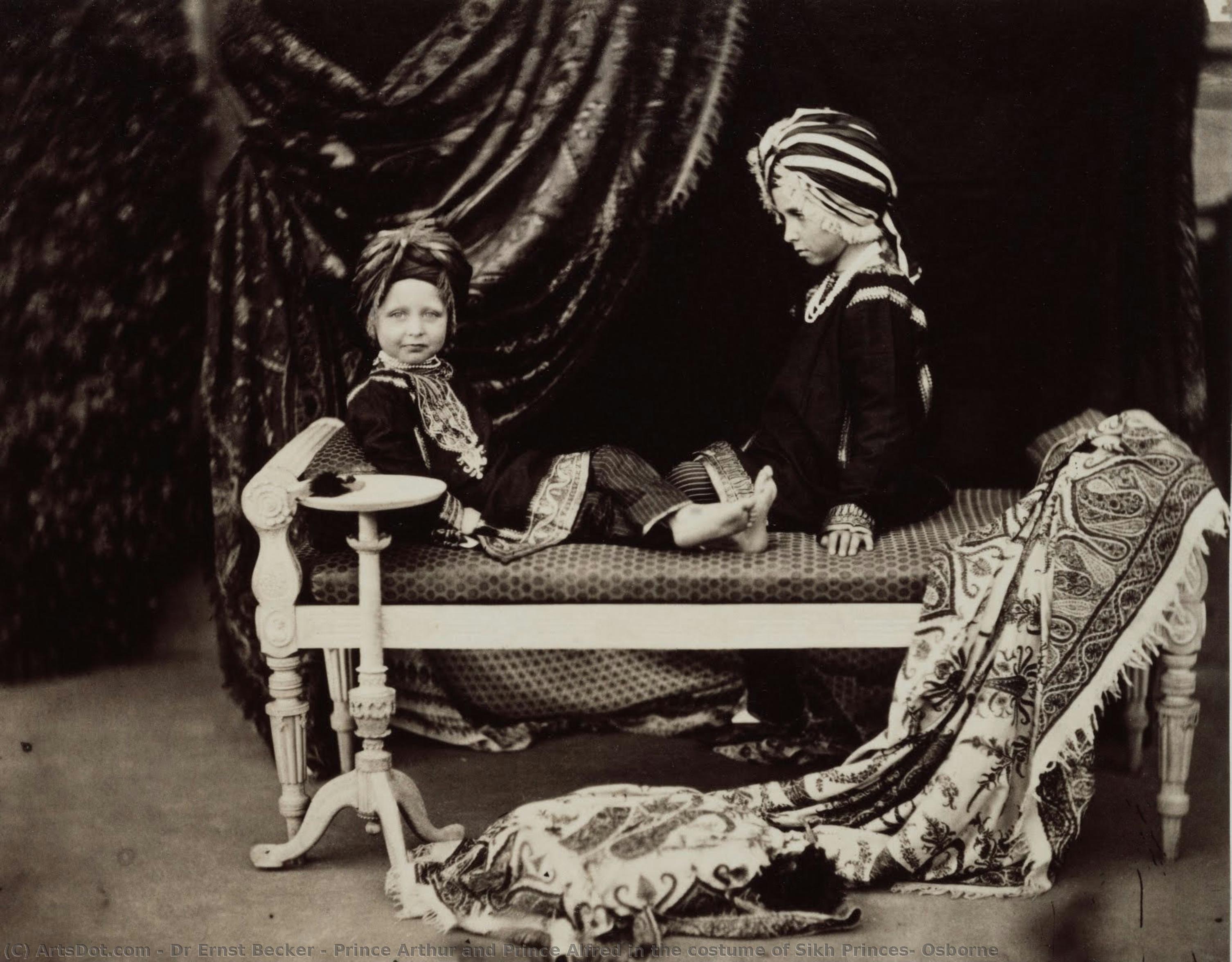
Prince Arthur and Prince Alfred in the costume of Sikh Princes, Osborne
 Acrylic On Canvas
- WallArt
- Other
 1854
1854 13.0 x 10.0 cm
 Royal Collection
 Weiterlesen
Erwerben Sie ein hochauflösendes, optimiertes digitales Bild, das der Online-Vorschau weit überlegen ist.
Jede Datei wird von unseren hauseigenen Spezialisten mit modernsten Werkzeugen und fachmännischer manueller Retusche sorgfältig vorbereitet. Wir stellen sicher, dass jedes Bild eine außergewöhnliche Klarheit, präzise Farbgenauigkeit und feinste Details aufweist.
Die endgültige Datei wird innerhalb von 72 Stunden per E-Mail zugestellt und ist für den sofortigen Einsatz in professionellen, redaktionellen und Druckumgebungen optimiert. Es handelt sich um dieselbe Qualität, der führende Designstudios, Verlage und Galerien vertrauen.
Digitales Bild
Laden Sie eine hochauflösende Datei für die persönliche Präsentation, den Druck und kreative Projekte herunter. ( Druck bestellen Handgemalte Reproduktion bestellen)
In jeder Bestellung digitaler Bilder enthalten
Professionelle digitale Bereitstellung, garantiert
Wenn Sie sich für ArtsDot.com entscheiden, erhalten Sie nicht nur ein Bild – Sie erhalten ein professionell aufbereitetes digitales Kunstwerk, das mit höchster Präzision erstellt und durch eine Zufriedenheitsgarantie abgesichert wird. Hier ist alles, was automatisch mit Ihrer Bestellung geliefert wird:

Schnelle E-Mail-Zustellung
Ihre hochauflösende digitale Bilddatei wird Ihnen innerhalb von 72 Stunden nach der Bestellung per E-Mail zugestellt – bereit zur sofortigen Verwendung.

KI-optimierte digitale Datei
Ihre Kunstwerke werden professionell mithilfe fortschrittlicher KI-Tools und manueller Bearbeitung optimiert, um maximale Detailtreue, Klarheit und Farbgenauigkeit zu gewährleisten.

Lebenslanger kostenloser Neudruckservice
Datei versehentlich gelöscht oder verloren? Keine Sorge – wir senden sie Ihnen jederzeit kostenlos erneut zu.

Keine Einfuhrgebühren – jemals
Genießen Sie Ihr Kunstwerk sofort ohne Zollgebühren, Einfuhrabgaben oder Versandkosten – digitale Downloads sind immer steuerfrei.

Garantierte Farbtreue
Wir garantieren, dass Ihr digitales Bild mithilfe professioneller Werkzeuge und Farbmanagement die Originalfarben so präzise wie möglich wiedergibt.

60-Tage-Zufriedenheitsgarantie
Sollten Sie mit Ihrem digitalen Bild nicht zufrieden sein, werden wir es überarbeiten oder Ihnen innerhalb von 60 Tagen 100% erstatten – ohne Wenn und Aber.

100% Geld-zurück-Garantie
Nicht zufrieden? Erhalten Sie innerhalb von 60 Tagen nach Erhalt Ihrer digitalen Datei eine vollständige Rückerstattung – ohne Angabe von Gründen.

Rabatte bei Großbestellungen
3 Bilder kaufen, 10% sparen – 5 Bilder kaufen, 15% sparen – Ab 10 Bildern 20% sparen. Ideal für kreative Projekte, Galerien und Agenturen.
A Glimpse into Royal Playtime: Prince Arthur and Prince Alfred in Sikh Costume
The photograph presented here – “Prince Arthur and Prince Alfred in the costume of Sikh Princes, Osborne” – is more than just a portrait; it’s a frozen moment of youthful exuberance within the rigid confines of Victorian royal life. Created by Dr. Ernst Becker in 1854, this remarkable image offers a rare and intimate glimpse into the childhood of two young princes, captured with a sensitivity that belies its historical context. The scene unfolds at Osborne House on the Isle of Wight, a beloved retreat for Queen Victoria and her family, where the formality of court was occasionally softened by moments of playful imitation.
Becker’s technical mastery is immediately evident in the meticulous detail achieved through the wet collodion process – a technique then considered cutting-edge. The image possesses a remarkable depth of tone, utilizing subtle gradations of gray to sculpt the boys' faces and clothing with astonishing precision. Notice how the light, seemingly diffused from an unseen window, gently illuminates their features, casting soft shadows that lend a sense of realism and immediacy to the scene. The slightly flattened perspective, characteristic of early photography, contributes to a feeling of intimacy, as if we are privileged witnesses to this private moment.
Costumes as Symbols: Royalty, Identity, and Cultural Borrowing
The elaborate Sikh-inspired costumes worn by Prince Arthur and Prince Alfred are not merely decorative; they represent a complex interplay of symbolism. The princes’ attire – turbans, shawls, and intricate embroidery – clearly demonstrates an awareness and appreciation for the rich cultural traditions of the Sikh Empire. This wasn't simply a whimsical fancy; it speaks to Victoria’s fascination with exotic cultures and her desire to cultivate a sense of global understanding within her family. The choice of these particular costumes suggests a deliberate effort to introduce elements of foreign culture into the royal environment, subtly signaling an openness to diverse influences.
Furthermore, the costumes can be interpreted as a reflection of the Victorian fascination with Orientalism – a romanticized and often problematic view of Eastern cultures. While undoubtedly intended as a gesture of respect and admiration, it’s important to acknowledge that this representation was filtered through a Western lens, potentially simplifying and distorting the complexities of Sikh identity.
A Portrait of an Era: Victorian Society and Photographic Practice
“Prince Arthur and Prince Alfred” is a quintessential example of 19th-century portraiture, reflecting both the social conventions and technological advancements of the time. The formal pose – the boys seated side-by-side on the chaise longue, maintaining a dignified composure – adheres to the strict protocols of royal portraits. The setting itself, Osborne House, was designed as a miniature replica of an Indian palace, further emphasizing the Victorian fascination with Eastern aesthetics and imperial power.
Becker’s work highlights the evolving role of photography in documenting history and shaping perceptions. Initially viewed as a scientific tool, photography quickly became a powerful medium for capturing likenesses, preserving memories, and projecting images of authority. The photograph's longevity speaks to its enduring appeal – a testament to Becker’s skill and the captivating story it tells.
Emotional Resonance: Innocence and Royal Duty
Despite the formality of the setting and the symbolic weight of the costumes, the image possesses a remarkable sense of warmth and intimacy. The boys' youthful faces, alight with curiosity and perhaps even mischief, convey a feeling of innocence and playfulness. They are not presented as distant figures of royalty but as children engaged in a shared activity – a moment of imaginative recreation within the confines of their privileged world.
“Prince Arthur and Prince Alfred” offers a poignant reminder that even within the most structured environments, moments of genuine human connection can emerge. It’s a captivating window into Victorian society, a celebration of cultural exchange, and a testament to the enduring power of photography to capture fleeting glimpses of history.
Ähnliche Kunstwerke
Biografie des Künstlers
Frühes Leben und Ausbildung
Dr. Ernst Becker, ein ranghoher Funktionär der SS im Nazi-Deutschland und Chemiker im Reichssicherheitshauptamt (RSHA), wurde im Jahr 1900 in Staufenberg, Deutschland, geboren. Er studierte Chemie und Physik an der Universität Gießen, wo er im Jahr 1933 seine Promotion in Chemie abschloss.Karriere und Verstrickung in das Nazi-Regime
Becker trat der NSDAP im Jahr 1930 und der SS im Jahr 1931 bei. Er wurde dem SS-Regiment „Germania“ in Bad Arolsen zugeteilt, einer kleinen Kurstadt nahe Kassel in Zentraldeutschland. Seine Rolle umfasste die Bereitstellung entscheidender technischer Unterstützung für die Entwicklung von Gaskammern sowie Gaswagen, bei denen ein Gaskammer-Abteil in den hinteren Bereich integriert war. Diese wurden beim frühen Massenmord des NS-Regimes an Menschen mit Behinderungen, politischen Dissidenten, Juden und anderen sogenannten „Rassenfeinden“ eingesetzt. Dies beinhaltete auch die Beteiligung an der Aktion T4 sowie an den Einsatzgruppen (mobilen NS-Todeskommandos) in den von den Nazis besetzten Gebieten der Sowjetunion.Bedeutende Verwicklungen und Kontroversen
Persönliche Beteiligung an Gaskammer-Operationen: Bei mindestens einem Anlass vergasierte Becker persönlich etwa 20 Menschen, was seine direkte Verantwortung für die Gräueltaten des Nazi-Regimes unterstreicht.Späteres Leben und Tod
Becker wurde zum SS-Untersturmführer befördert. Er verstarb im Jahr 1967.Relevante Kunstwerke und Museen
- Max Ernsts Europe After the Rain I (Ansehen auf ArtsDot.com) zeigt den einzigartigen Stil des Künstlers, der in scharfem Kontrast zu Beckers Verwicklungen in das Nazi-Regime steht.
- Das Suermondt-Ludwig-Museum (Ansehen auf ArtsDot.com) in Aachen, Deutschland, ist ein Beispiel für eine kulturelle Institution, die zum Verständnis und Gedenken an die komplexe Geschichte Deutschlands beigetragen hat.
- Die eigenen künstlerischen Beiträge von Dr. Ernst Becker sind nicht bemerkenswert; seine Verstrickung in das Nazi-Regime dient jedoch als Mahnung an die Gräueltaten, die während des Zweiten Weltkriegs begangen wurden.
Referenzen
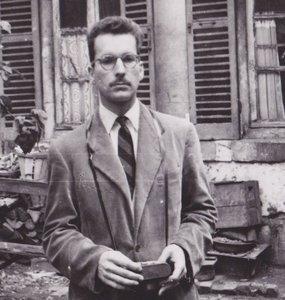
Dr. Ernst Becker
1900 - 1967 , Deutschland

