

 Versenden
 Teilen
 Details anzeigen

 Herunterladen
 Ähnliche Objekte
 Diashow
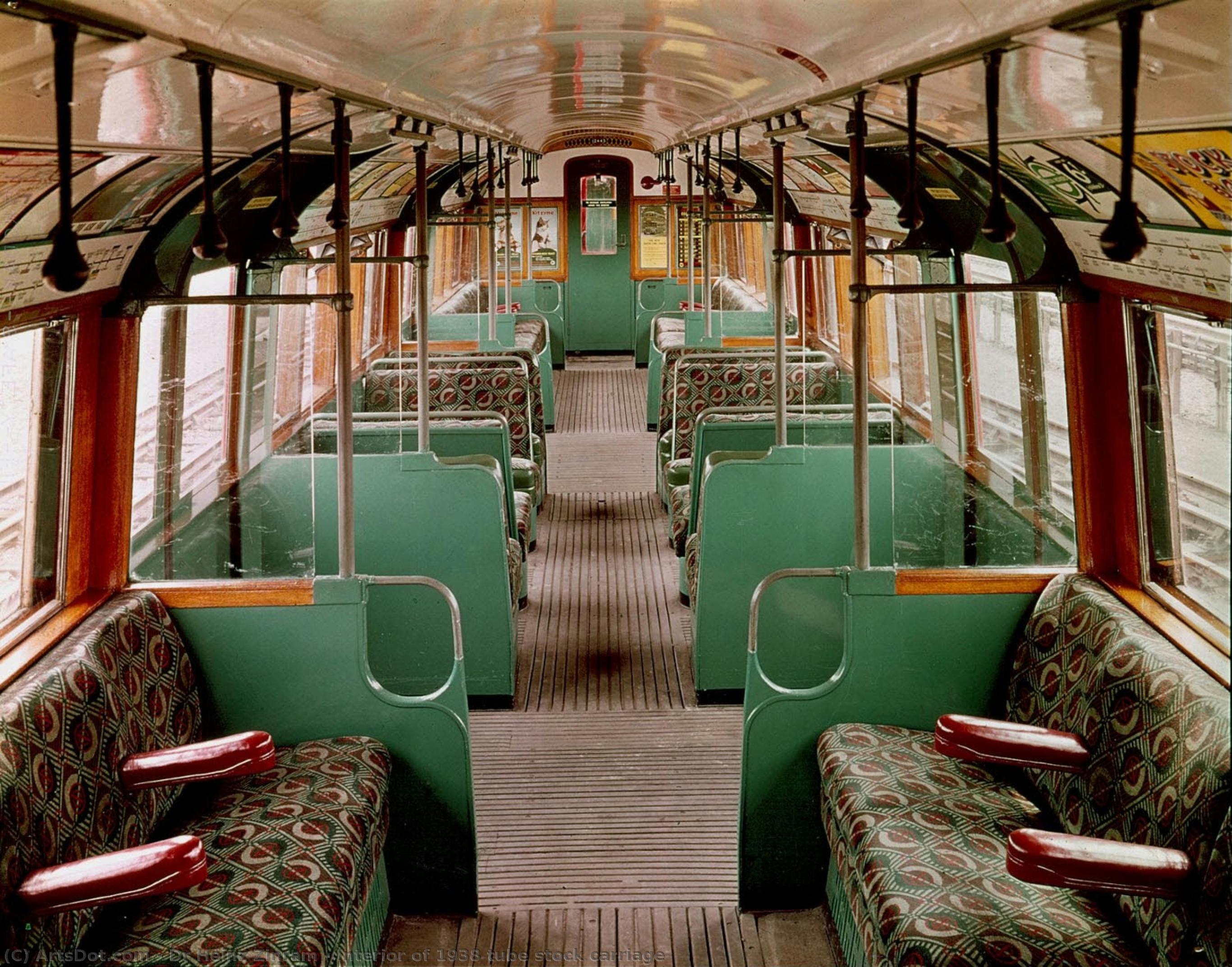
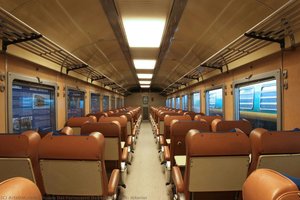
Interior of 1938 tube stock carriage


 Weiterlesen
Erwerben Sie ein hochauflösendes, optimiertes digitales Bild, das der Online-Vorschau weit überlegen ist.
Jede Datei wird von unseren hauseigenen Spezialisten mit modernsten Werkzeugen und fachmännischer manueller Retusche sorgfältig vorbereitet. Wir stellen sicher, dass jedes Bild eine außergewöhnliche Klarheit, präzise Farbgenauigkeit und feinste Details aufweist.
Die endgültige Datei wird innerhalb von 72 Stunden per E-Mail zugestellt und ist für den sofortigen Einsatz in professionellen, redaktionellen und Druckumgebungen optimiert. Es handelt sich um dieselbe Qualität, der führende Designstudios, Verlage und Galerien vertrauen.
Digitales Bild
Laden Sie eine hochauflösende Datei für die persönliche Präsentation, den Druck und kreative Projekte herunter. ( Druck bestellen Handgemalte Reproduktion bestellen)
In jeder Bestellung digitaler Bilder enthalten
Professionelle digitale Bereitstellung, garantiert
Wenn Sie sich für ArtsDot.com entscheiden, erhalten Sie nicht nur ein Bild – Sie erhalten ein professionell aufbereitetes digitales Kunstwerk, das mit höchster Präzision erstellt und durch eine Zufriedenheitsgarantie abgesichert wird. Hier ist alles, was automatisch mit Ihrer Bestellung geliefert wird:

Schnelle E-Mail-Zustellung
Ihre hochauflösende digitale Bilddatei wird Ihnen innerhalb von 72 Stunden nach der Bestellung per E-Mail zugestellt – bereit zur sofortigen Verwendung.

KI-optimierte digitale Datei
Ihre Kunstwerke werden professionell mithilfe fortschrittlicher KI-Tools und manueller Bearbeitung optimiert, um maximale Detailtreue, Klarheit und Farbgenauigkeit zu gewährleisten.

Lebenslanger kostenloser Neudruckservice
Datei versehentlich gelöscht oder verloren? Keine Sorge – wir senden sie Ihnen jederzeit kostenlos erneut zu.

Keine Einfuhrgebühren – jemals
Genießen Sie Ihr Kunstwerk sofort ohne Zollgebühren, Einfuhrabgaben oder Versandkosten – digitale Downloads sind immer steuerfrei.

Garantierte Farbtreue
Wir garantieren, dass Ihr digitales Bild mithilfe professioneller Werkzeuge und Farbmanagement die Originalfarben so präzise wie möglich wiedergibt.

60-Tage-Zufriedenheitsgarantie
Sollten Sie mit Ihrem digitalen Bild nicht zufrieden sein, werden wir es überarbeiten oder Ihnen innerhalb von 60 Tagen 100% erstatten – ohne Wenn und Aber.

100% Geld-zurück-Garantie
Nicht zufrieden? Erhalten Sie innerhalb von 60 Tagen nach Erhalt Ihrer digitalen Datei eine vollständige Rückerstattung – ohne Angabe von Gründen.

Rabatte bei Großbestellungen
3 Bilder kaufen, 10% sparen – 5 Bilder kaufen, 15% sparen – Ab 10 Bildern 20% sparen. Ideal für kreative Projekte, Galerien und Agenturen.
A Journey Through Time: The Soul of Industrial Elegance
In his evocative 1962 photograph, Interior of 1938 tube stock carriage, dr heinz zinram invites the viewer to step into a bygone era of British transit. This is not merely a documentation of a train car; it is a masterful study of light, geometry, and nostalgia. The composition draws the eye down a symmetrical passageway, creating a sense of infinite depth that pulls the observer into the heart of the carriage. Through his lens, the mundane functionalism of the London Underground is transformed into a cinematic stage, where the interplay of shadow and warmth tells a story of mid-century design excellence.
The aesthetic power of this piece lies in its rich, tactile palette. Zinram utilizes a sophisticated arrangement of muted greens, deep reds, and warm browns to evoke a sense of comfort and stability. The varnished wood surfaces catch the dramatic, low-angled light, creating highlights that contrast sharply against the heavy shadows tucked into the corners of the cabin. This chiaroscuro effect lends a sculptural quality to the interior, turning rectangular windows and square seating into rhythmic elements of a larger architectural dance. For the collector or interior designer, this work offers a profound sense of groundedness, making it an ideal centerpiece for spaces that value vintage sophistication and structural harmony.
The Intersection of Industry and Artistry
To understand the emotional resonance of this photograph, one must consider the hand behind the camera. Dr heinz zinram, a man whose life was shaped by the turbulence of fleeing Nazi Vienna, brought an analytical yet deeply soulful perspective to his work in London. His legal training provided him with a keen eye for detail and structure, while his experience as a refugee imbued his industrial photography with a unique humanistic weight. In this piece, he captures the 1938 tube stock not just as a machine of transport, but as a vessel of collective memory.
The technique employed here is a triumph of mid-century realism. The subtle graininess of the image adds a layer of historical texture, acting as a veil that separates the modern viewer from the 1962 moment of capture. There is a rhythmic beauty in the straight lines of the metal frames and overhead fixtures, which are softened by the intricate, swirling patterns of the moquette upholstery. This tension between the rigid industrial skeleton and the soft, patterned fabrics creates a visual equilibrium that is both stimulating and soothing. It is an artwork that celebrates the beauty found in the functional, reminding us that even the most utilitarian spaces possess a quiet, enduring grace.
For those seeking to adorn a contemporary interior with a piece of history, this reproduction serves as more than decoration; it is a window into the industrial heart of London. It provides a sophisticated focal point that complements modern minimalist decor through its strong geometric lines, while adding warmth and character through its rich, autumnal tones. Owning this work is an invitation to pause, to look closely at the craftsmanship of the past, and to find beauty in the structured elegance of the everyday.
Ähnliche Kunstwerke
Biografie des Künstlers
Heinz Zinram: Capturing the Soul of Industry
Heinz Zinram (1910-Living) emerged from Vienna’s turbulent prewar years as a lawyer, but his true passion lay in photography—a medium he embraced with remarkable tenacity and artistic vision. Forced to flee Nazi Germany in 1939, Zinram found refuge in London where he swiftly established himself as one of Britain's foremost industrial photographers during the postwar era. His work transcends mere documentation; it’s imbued with a dramatic flair that elevates mundane scenes into compelling narratives of British industry and innovation. Early Life & Legal Training: Born in Vienna, Austria, Zinram received a solid legal education, grounding him in analytical observation—a skill that would prove invaluable to his photographic endeavors. This meticulous attention to detail translated seamlessly into his artistic practice, informing his compositional choices and fostering a deep understanding of visual form. He approached photography not simply as recording reality but as interpreting it with intention and sensitivity. The Escape from Fascism: His harrowing journey out of Nazi Vienna exemplifies courage and determination, shaping his worldview and fueling his desire to capture the realities of a world grappling with profound change. The experience instilled in him a conviction that art could serve as a powerful tool for confronting injustice and documenting historical moments—a belief that underpinned his entire artistic career. This formative period profoundly impacted Zinram’s perspective on both human behavior and the role of visual representation in conveying complex narratives. London & The Rise of Industrial Photography: Arriving in London, Zinram quickly recognized the potential for photography to illuminate the complexities of British manufacturing. He honed his craft, experimenting with innovative techniques and mastering the art of capturing both the precision and emotion inherent in industrial environments. Recognizing the burgeoning interest in documenting Britain’s postwar reconstruction efforts, he dedicated himself to portraying factories, workshops, and transportation hubs—creating visual records that would endure for decades to come. Zinram’s photographic style is characterized by a distinctive blend of realism and theatricality. He eschewed overly polished studio portraits, preferring instead to shoot directly on location—often utilizing dramatic lighting and carefully considered compositions to heighten the impact of his images. His subjects ranged from sprawling factories to bustling workshops, revealing glimpses into the daily lives of workers and engineers alike. Notably, he possessed an uncanny ability to find beauty within the industrial landscape, portraying machines and buildings not as symbols of cold efficiency but as canvases for human experience. He skillfully employed geometric design and lighting—particularly in his iconic photographs of London’s Tube stations—transforming ordinary spaces into evocative representations of British culture. Notable Projects & Achievements: Among his most celebrated works are interior shots of Tube carriages—particularly a stunning 1962 photograph of the Seven Sisters Victoria Line station. These images showcase Zinram’s masterful use of geometric design and lighting, transforming ordinary spaces into evocative representations of British culture. He documented significant industrial sites across Britain, contributing invaluable visual records to the history of postwar reconstruction and technological advancement. His dedication to preserving these moments in time cemented his reputation as a pioneer of documentary photography and ensured that his images would continue to inspire future generations. Influences & Artistic Vision: Though he rarely spoke explicitly about influences, Zinram’s approach to photography echoes the humanist spirit of documentary filmmaking—drawing inspiration from artists like Eugène Atget and Henri Cartier-Bresson. He sought to convey not just what he saw but also how it felt, capturing fleeting moments of human interaction and revealing hidden layers of meaning within seemingly simple subjects. Like these masters, Zinram believed that photography could serve as a conduit for empathy and understanding—a conviction that guided his artistic endeavors throughout his life. His vision was rooted in the conviction that art should illuminate the human condition while simultaneously celebrating the beauty inherent in everyday existence.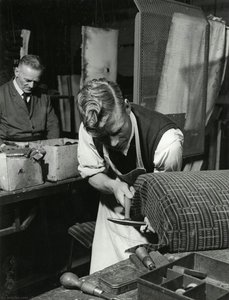
Heinz Zinram
1910 - , Österreich
Kurzinfos
- Artistic Movement Or Style: Industriefotografie
- Date Of Birth: Mai 11, 1910
- Date Of Death: (Lebend)
- Full Name: Heinz Zinram
- Nationality: Österreichisch
- Notable Artworks: ['Innenraum eines Tube Waggons']
- Place Of Birth: Wien, Österreich

