


 Vorschau anzeigen
 Versenden
 Teilen
 Details anzeigen

 Herunterladen
 Ähnliche Objekte
 Röntgenaufnahme
 Diashow
 Statistiken
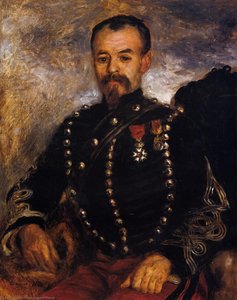
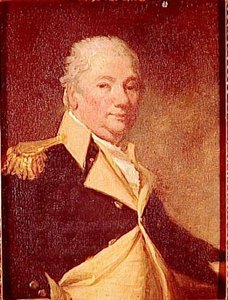
AUGUSTIN DANIEL BELLIARD, CAPITAINE AU 1ER BATAILLON DE LA VENDEE EN 1792 (1769 1832)

 Weiterlesen
Giclée / Kunstdruck
Giclée- oder Leinwanddruck in Museumsqualität mit schneller Produktion und flexiblen Veredelungsoptionen. ( Handgemalte Reproduktion bestellen Zum digitalen Bild wechseln)




P118B $10

P118H $10

P118W $10

P438Z $10

P508JH $12

P508YH $12

P805H $10

P805Z $10

P919BZ $10

P919G $10

P919XJ $10

P959ZH $10

P968JZ $12

W106C $8

W218G $10

W218JH $8

W218Y $10

W307PJ $10

W316G $10

W316PJ $8

W316Y $10

W398PJ $8

W4111J $10

W500HY $15

W500JH $15

W692G $12

W849H $8

W940BG $15

W953PJ $8




Wählen Sie aus unseren vordefinierten Formaten, die den ursprünglichen Proportionen des Kunstwerks entsprechen.

Sie können Ihre eigenen Maße eingeben, um ein bestimmtes Format oder einen speziellen Platz einzupassen. Wenn das von Ihnen gewählte Format nicht den Proportionen des Originalbildes entspricht, werden wir das Kunstwerk entweder beschneiden oder das Bild mit einem gespiegelten oder einfarbigen Rand erweitern. Ein digitaler Entwurf wird Ihnen zur Genehmigung zugesandt, bevor die Produktion beginnt.
Bitte beachten Sie, dass die Vorschau auf dem Bildschirm nicht den tatsächlichen Zuschnitt oder die Erweiterung widerspiegelt. Nur der Entwurf zeigt die endgültige Komposition präzise an.
Obwohl Sondermaße verfügbar sind, empfehlen wir die Auswahl eines Maßes aus der vordefinierten Liste, um die ursprünglichen Proportionen zu bewahren.
Weltweiter Versand () innerhalb von 2 Wochen statt der üblichen 4/5 Wochen. (14 September)

Kostenloser weltweiter Expressversand

Hochwertige Leinenleinwand

Umfassender Versicherungsschutz beim Versand

Zollgebühren-Rückerstattungsgarantie

Garantie für exakte Farbtreue

100-Tage-Rückgaberecht (nur bei Mängeln)

100% Geld-zurück-Garantie

Mengenrabatt verfügbar
 Die Glasoption ist nur für Größen unter 110 cm verfügbar.

AUGUSTIN DANIEL BELLIARD, CAPITAINE AU 1ER BATAILLON DE LA VENDEE EN 1792 (1769 1832)
Giclée / Kunstdruck
Format der Reproduktion
-


Gesamtpreis
$ 62
Ähnliche Kunstwerke
Über den Künstler
A Silent Witness to Turbulent Times
François Dubois remains one of the most enigmatic and haunting figures of the French Renaissance, an artist whose legacy is etched into the very fabric of religious and political tragedy. Born around 1529 in Amiens, Dubois lived through an era defined by profound upheaval, where the spiritual landscape of France was being violently reshaped by the Reformation. As a Huguenot painter, his life and art were inextricably linked to the escalating tensions between Catholics and Protestants. While biographical records from this period are often fragmented, scholarly whispers suggest he may have refined his craft under the tutified influence of Jean Goujon, the celebrated sculptor of the Fontainebleau Palace. This connection likely introduced him to the sophisticated language of Mannerism, a style characterized by its elongated, elegant figures and a dramatic, almost theatrical use of light and shadow that would later serve his most visceral narratives.
The trajectory of Dubois’ life was irrevocably altered by the blood-soaked streets of Paris in 1572. The St. Bartholomew’s Day Massacre, a period of horrific targeted violence against Huguenots, forced him into exile. Seeking refuge in the Protestant Republic of Geneva, he carried with him not only the trauma of his people but also a profound artistic mission. It is believed that while he may not have personally witnessed every horror of the massacre, the loss of kin—specifically his cousin, the surgeon Antoine Dubois—deeply informed the emotional gravity of his work. This personal connection transformed his art from mere historical documentation into a poignant, spiritual lamentation.
The Masterpiece of Memory and Martyrdom
Dubois’ fame rests almost entirely upon a single, monumental achievement: his harrowing depiction of the St. Bartholomew’s Day Massacre. Commissioned by Jean Baptiste Briçonnet, a banker from Lyon who sought to memorialize the fallen Antoine Dubois, this canvas transcends the boundaries of traditional history painting. It is a work of profound psychological realism and symbolic depth, capturing the simultaneous chaos of two distinct yet interconnected episodes of violence. The composition is masterfully structured to guide the viewer through a landscape of terror, where the line between earthly slaughter and divine martyrdom becomes blurred.
In one of the most arresting sequences of the painting, the lifeless body of the Huguenot leader Gaspard de Coligny hangs precariously from a window. This imagery is far from accidental; it serves as a deliberate, somber allusion to the crucifixion of Christ, casting the fallen Protestant leader as a martyr for his faith. Below this suspended figure, the brutal reality of the conflict is laid bare through the depiction of his decapitated head, a chilling symbol of the systematic suppression of the Huguenot cause. To the left, the presence of Catherine de' Medici emerging from the Louvre Palace adds a layer of political intrigue and cold authority to the scene, as she inspects the mounting carnage. Through these meticulously crafted details, Dubois captures the visceral essence of fear, making the viewer an involuntary witness to one of history's most dark and transformative moments.
Legacy within the Fontainebleau School
Beyond his singular masterpiece, Dubois is recognized as a significant contributor to the Fontainebleau School, a movement that brought a unique French flavor to the broader European Mannerist tradition. His ability to weave complex historical and religious themes into a cohesive visual narrative demonstrates a sophisticated understanding of the era's aesthetic demands. While his surviving body of work may be limited, the impact of his vision remains undiminished. He stands as a testament to the power of art to act as a vessel for collective memory, ensuring that the shadows of the 16th century are never truly forgotten.
The historical significance of François Dubois lies in his role as a chronicler of conscience. His work does not merely record facts; it captures the atmosphere of an age defined by conviction and catastrophe. Through his brush, the political struggles of the French Wars of Religion are elevated to the level of universal human tragedy, securing his place in the annals of art history as a painter who dared to look directly into the heart of darkness.
dubois françois
1529 - 1584
Kurzinfos
- Artistic Movement Or Style: Fontainebleau School
- Artists Or Movements Influenced By This Artist: ['Renaissance']
- Artists Who Influenced This Artist: ['Jean Goujon']
- Date Of Birth: 1529
- Date Of Death: 1584
- Full Name: François Dubois
- Nationality: French
- Notable Artworks: ['Saint Bartholomew’s Day Massacre']
- Place Of Birth: Amiens, France
Ähnliche Artikel
Simon Vouet: Vom italienischen Barock zum französischen Klassizismus – Eine künstlerische Reise
Entdecken Sie das Leben und Werk von Simon Vouet, dem Pionier des italienischen Barock in Frankreich! Erfahren Sie mehr über seinen künstlerischen Werdegang, seine wichtigsten Gemälde und seinen nachhaltigen Einfluss auf die französische Malerei. Jetzt lesen!
Echoes of Revolution: Artistic Responses to the Tumultuous Year of 1917
Explore the powerful artistic responses to the 1917 Russian Revolution. Discover key artists like Chagall, Lotonina & Baratynsky and their enduring legacy. Learn about avant-garde movements, propaganda, and Stalin's impact on art.
Léon Augustin L'Hermitte: Capturing the Soul of French Rural Life
Discover the captivating realist paintings of Léon Augustin L'Hermitte, masterfully depicting French rural life. Explore his technique, influences & legacy – a cornerstone of 19th-century art.
The Enduring Legacy of French Art: Movements, Masters & Cultural Impact
Explore the rich history of French art, from the Salon to Impressionism & beyond. Discover iconic masters, key movements, and expert guidance for collecting timeless masterpieces. ArtsDot.
Charles Le Brun: Master of French Baroque Classicism & His Enduring Legacy
Explore the life & art of Charles Le Brun, master of French Baroque Classicism. Discover his royal commissions, influence on Versailles, and enduring legacy through detailed analysis & stunning artworks.