 Vorschau anzeigen
 Versenden
 Teilen
 Details anzeigen

 Herunterladen
 Ähnliche Objekte
 Röntgenaufnahme
 Diashow
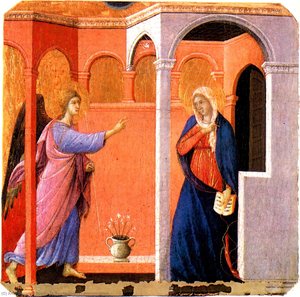
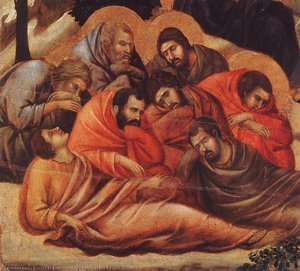
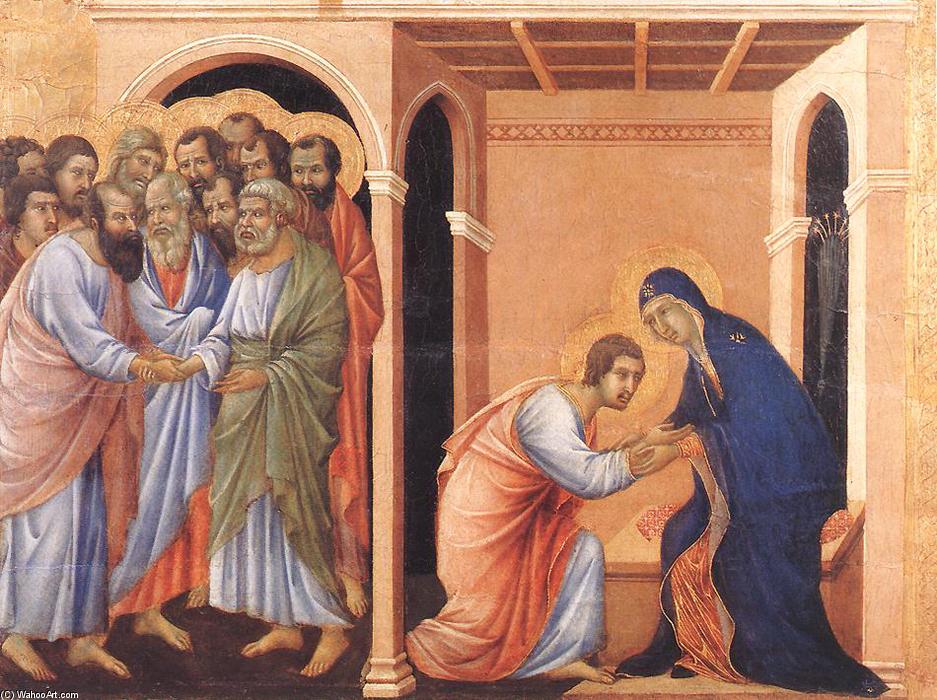
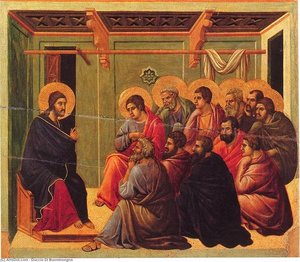
Abschied von Johannes
 Acryl auf Leinwand
- Wandkunst
- Sienese School Renaissance
 1308
1308 41.0 x 54.0 cm
 Museo dell'Opera del Duomo
 Weiterlesen
Handgefertigte Ölreproduktion
Handgemaltes Ölgemälde auf Leinwand in Ihrer Wunschgröße und mit Rahmen, auf Bestellung von unseren Künstlern angefertigt. ( Druck bestellen Bild kaufen)




P118B $10

P118H $10

P118W $10

P438Z $10

P508JH $12

P508YH $12

P805H $10

P805Z $10

P919BZ $10

P919G $10

P919XJ $10

P959ZH $10

P968JZ $12

W106C $8

W218G $10

W218JH $8

W218Y $10

W307PJ $10

W316G $10

W316PJ $8

W316Y $10

W398PJ $8

W4111J $10

W500HY $15

W500JH $15

W692G $12

W849H $8

W940BG $15

W953PJ $8




Wählen Sie aus unseren vordefinierten Formaten, die den ursprünglichen Proportionen des Kunstwerks entsprechen.

Sie können Ihre eigenen Maße eingeben, um einen bestimmten Rahmen oder Platz auszufüllen. Wenn die gewählte Größe nicht den Proportionen des Originalbildes entspricht, werden wir das Kunstwerk entweder beschneiden oder das Gemälde durch zusätzliche, handgemalte Elemente erweitern. Ein digitales Mockup wird Ihnen zur Genehmigung zugesandt, bevor die Produktion beginnt.
Bitte beachten Sie, dass die Bildschirmvorschau nicht die tatsächliche Beschneidung oder Erweiterung widerspiegelt. Nur das Mockup zeigt die endgültige Komposition exakt an.
Obwohl Sondermaße verfügbar sind, empfehlen wir, eine Größe aus der vordefinierten Liste zu wählen, um die ursprünglichen Proportionen beizubehalten.
Nach der Bestellung wird das ArtsDot.com-Team dem Kunden Anweisungen per E-Mail zusenden und eine Mockup-Vorschau bereitstellen.
Weltweiter Versand () in nur 3 bis 4 Wochen statt der üblichen 5 Wochen. (22 August). Keine Kompromisse bei der Qualität.

Kostenloser weltweiter Expressversand

Hochwertige Leinenleinwand

Umfassender Versicherungsschutz beim Versand

Zollgebühren-Rückerstattungsgarantie

Garantie für exakte Farbtreue

60 Tage Rückgaberecht (nur bei Mängeln)

100% Geld-zurück-Garantie

Mengenrabatt verfügbar
 Die Glasoption ist nur für Größen unter 110 cm verfügbar.

Abschied von Johannes
Art der Reproduktion
Format der Reproduktion
-


Gesamtpreis
$ 263
Beschreibung des Kunstwerks
Das Abschied von Johannes – Ein Fenster in die Seele des Mittelalters
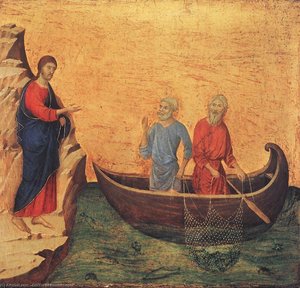
Duccio di Buoninsegna’s “Parting from St John,” painted around 1308, is more than just a religious depiction; it's a profound meditation on human emotion and the delicate balance between earthly desire and divine grace. Born in Siena during a period of immense artistic transition – where the rigid formality of Byzantine art was yielding to the burgeoning naturalism of Italian painting – Duccio emerged as a true innovator, subtly reshaping the visual language of faith. This particular work offers a rare glimpse into his evolving style, showcasing a masterful blend of influences and a growing sensitivity to the psychological complexities of his subjects.
The scene itself is deceptively simple: Jesus stands before Mary Magdalene, preparing to depart. The gesture – a hand extended, offering something unseen – is laden with unspoken meaning. It’s not merely a farewell; it's an act of profound intimacy, a transfer of grace and perhaps even a hint of earthly longing. The figures are arranged within a shallow space, typical of Sienese painting at the time, yet Duccio departs from the strict adherence to perspective found in earlier works. Instead, he employs atmospheric modeling – subtle shifts in color and tone – to create a sense of depth and volume, drawing the viewer into this intimate moment.
Farben und Technik: Ein Ausdruck von Sensibilität
Duccio’s technique is characterized by its remarkable luminosity and delicate handling of paint. He utilized tempera on panel, a medium known for its rich colors and ability to achieve subtle gradations. Notice the way he builds up layers of translucent glaze – *glaze* in Italian – creating an ethereal quality that seems to shimmer before your eyes. The palette is restrained yet evocative; muted blues and greens dominate, punctuated by warmer tones in the clothing and flesh tones of the figures. This careful use of color contributes significantly to the painting’s overall mood of solemn reverence.
- The Use of Gold Leaf: Duccio masterfully employs gold leaf, particularly around the halos and certain draperies, adding a sense of sacredness and highlighting key elements within the composition.
- Modeling of Flesh Tones: The subtle modeling of the figures’ flesh demonstrates Duccio's growing interest in naturalism – a departure from the stylized representations common in earlier Byzantine art.
- Atmospheric Perspective: As mentioned previously, Duccio skillfully utilizes atmospheric perspective to create depth and draw the viewer into the scene.
Symbolik und Kontext: Ein Blick auf die Welt des Mittelalters
“Parting from St John” is deeply rooted in the religious iconography of the High Middle Ages, a period dominated by biblical narratives and allegorical representations of Christian themes. The story depicted – the encounter between Jesus and Mary Magdalene after his crucifixion – was particularly resonant at this time, representing themes of redemption, forgiveness, and the transformative power of faith. The presence of other figures in the background, dressed in various styles reflecting the social hierarchy of Siena, adds another layer of meaning to the scene. They represent a community gathered to witness this pivotal moment, emphasizing the communal nature of religious devotion.
Furthermore, the painting reflects the broader cultural and intellectual currents of the era. The rise of humanism – an interest in classical learning and human potential – began to influence artistic thought, prompting artists like Duccio to explore more nuanced portrayals of human emotion and experience. Despite its adherence to established religious conventions, “Parting from St John” reveals a subtle shift towards greater psychological realism and emotional depth, foreshadowing the developments that would characterize the Renaissance.
Emotionale Wirkung und Interpretation: Ein Kunstwerk für die Seele
Ultimately, "Parting from St John" is a profoundly moving work of art. It’s not simply a depiction of a biblical event; it's an exploration of human connection, longing, and the enduring power of faith. The painting invites viewers to contemplate the complexities of love, loss, and redemption – themes that continue to resonate with audiences today. A reproduction of this exquisite piece offers a unique opportunity to bring this powerful image into your home or office, serving as a constant reminder of the beauty, mystery, and emotional depth found within the art of the Middle Ages. ArtsDot’s hand-painted reproductions faithfully capture Duccio's masterful technique and evocative atmosphere, allowing you to experience the profound impact of this timeless masterpiece.
Ähnliche Kunstwerke
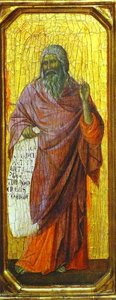
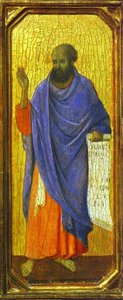
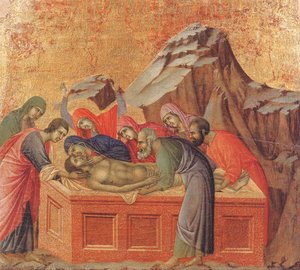
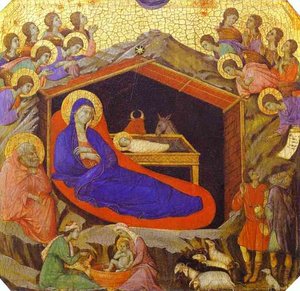
Über den Künstler
frühes Leben und Karriere
Duccio di Buoninsegna, ein renommierter italienischer Maler aus Siena, war in den späten 13. und frühen 14. Jahrhunderten tätig. Geboren im Jahr 1255, bleibt das persönliche Leben von Duccio in vielen Punkten ein Mysterium, wobei wenig über seinen Familienhintergrund oder seine frühe Lebenszeit bekannt ist. Dennoch sind seine Beiträge zur Trecento- und sienesischen Malstil gut dokumentiert.Künstlerischer Stil und Einflüsse
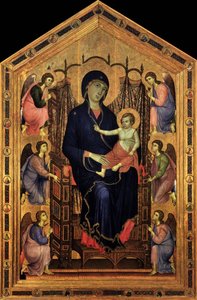
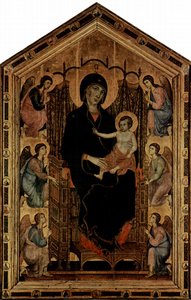
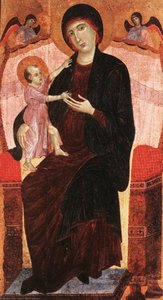
Die Werke von Duccio zeichnen sich durch die innovative Verwendung von Raum und Farbe aus, wie sie in seinem Meisterwerk die Rucellai Madonna (1285) zu sehen ist. Dieses Gemälde, das die Jungfrau Maria mit dem Christkind darstellt, umgeben von Engeln und Heiligen, zeigt Duccios einzigartigen Stil, der byzantinische Kunst mit neuen Techniken verbindet. Seine Verwendung von Modellierung und das Spiel mit Licht und Dunkelheit offenbaren Figuren unter schwerer Robenkleidung und schaffen so eine einladende und warme Atmosphäre.Bekannte Werke und Vermächtnis
Zu Duccios bekanntesten Werken gehören:- Maestó (Vorderteil, Kronpaneele), Abschied der Apostel (Gotik, Öl) – ein Zeugnis seines innovativen Ansatzes für Raum und Farbe.
- Polyptych Nr. 28 (Die Heilige Jungfrau mit dem Christkind und vier Heiligen) (Gotik, Öl) – demonstriert Duccios Meisterschaft in der Komposition und Erzählung.
- Maestó (Rückseite, Unterbild), Versuchung auf einem Tempeldach (Gotik, Öl) – zeigt seine Fähigkeit, Licht und Dunkelheit auszugleichen.
Vermächtnis und Erinnerung
Trotz finanzieller Schwierigkeiten überwiegt Duccios künstlerisches Vermächtnis seine persönlichen Herausforderungen bei weitem. Seine Werke befinden sich in verschiedenen Museen und Galerien, darunter die Stadtgalerie Manchester, die zahlreiche Meisterwerke von renommierten Künstlern beherbergt. Anzeigen Sie Duccios di Buoninsegnas Kunstwerke auf ArtsDot.com Wikipedia: Duccio
Duccio di Buoninsegna
1255 - 1319 , Italien
Kurzinfos
- Beeinflusste Künstler: ['Byzantinische Kunst']
- Bemerkenswerte Werke:
- Rucellai Madonna
- Maestà
- Flucht nach Ägypten
- Geburtsdatum: ca. 1255
- Geburtsort: Siena, Italien
- Künstlerische Bewegung: Trecento, Gotik
- Nationalität: Italienisch
- Sterbedatum: 1319
- Vollständiger Name: Duccio di Buoninsegna
- Von Ihm Beeinflusste Künstler: ['Sieneser Malerei']
Ähnliche Artikel
Meisterwerke des Hochmittelalters: 10 Kunstwerke für Ihr Zuhause | ArtsDot
Entdecken Sie die 10 bedeutendsten Meisterwerke des Hochmittelalters! Erfahren Sie Geschichten von Romanik, Gotik & berühmten Künstlern. Finden Sie hochwertige Reproduktionen für Ihr Zuhause auf ArtsDot.com.
Spätmittelalterliche Meisterwerke: 10 Kunstwerke für Ihr Zuhause | ArtsDot
Entdecken Sie die 10 bedeutendsten Meisterwerke des Spätmittelalters! Erfahren Sie die Geschichten hinter Jan van Eyck, Rogier van der Weyden & mehr. Hochwertige Kunst Reproduktionen für Ihr Zuhause – jetzt auf ArtsDot.com!
Illuminating Faith & Power: A Journey Through Medieval Art (c. 500 – c. 1500)
Explore the rich history of Medieval Art (c. 500 – c. 1500) with ArtsDot. Discover Byzantine mosaics, Gothic cathedrals & Renaissance masterpieces. Expert insights & museum-quality reproductions.

Giotto di Bondone: Die 25 Meisterwerke des Frührenaissance – Kunst für Ihr Zuhause
Entdecken Sie die 25 Meisterwerke von Giotto di Bondone! Erleben Sie die Frührenaissance, religiöse Kunst & ikonische Fresken wie in der Scrovegni Kapelle. Hochwertige Kunstdrucke online bei ArtsDot.com – für zeitlose Eleganz in Ihrem Zuhause.
Proto-Renaissance Meisterwerke: Die 10 Kunstwerke, die eine Epoche prägten | ArtsDot
Entdecken Sie die 10 prägendsten Meisterwerke der Proto-Renaissance! Von Giotto bis Duccio – erleben Sie die Geschichten, Techniken & zeitlose Schönheit italienischer Frührenaissance Kunst. Hochwertige Reproduktionen auf ArtsDot.com.