 Versenden
 Teilen
 Details anzeigen

 Herunterladen
 Ähnliche Objekte
 Diashow
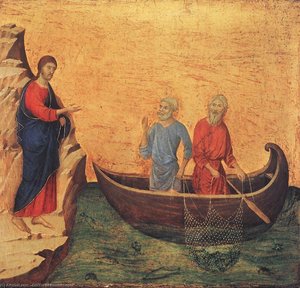
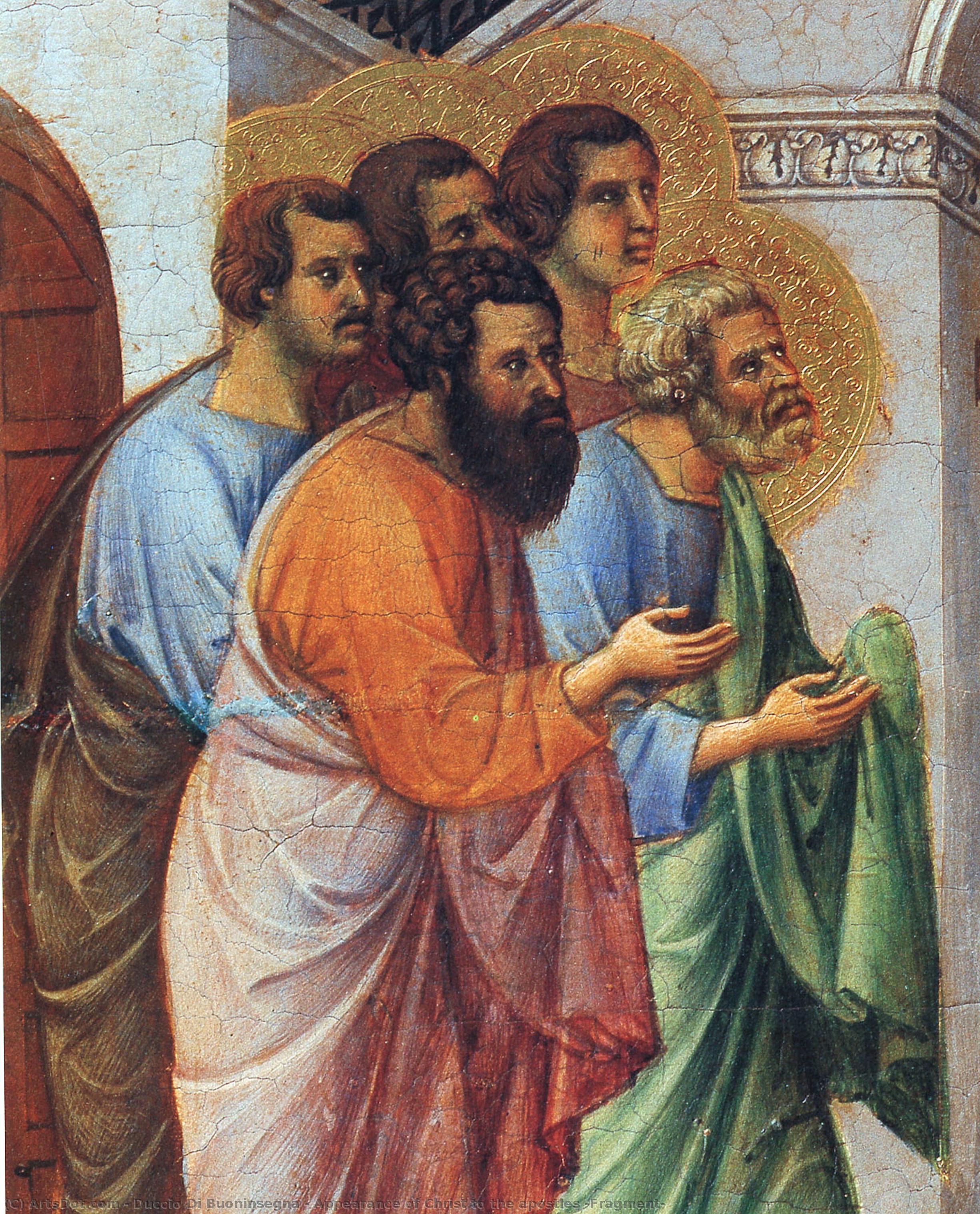
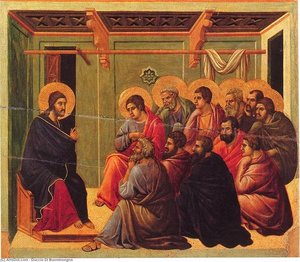
Appearance of Christ to the apostles (Fragment)


 Weiterlesen
Handgefertigte Ölreproduktion
Handgemaltes Ölgemälde auf Leinwand in Ihrer Wunschgröße und mit Rahmen, auf Bestellung von unseren Künstlern angefertigt. ( Druck bestellen Bild kaufen)




































Wählen Sie aus unseren vordefinierten Formaten, die den ursprünglichen Proportionen des Kunstwerks entsprechen.

Sie können Ihre eigenen Maße eingeben, um einen bestimmten Rahmen oder Platz auszufüllen. Wenn die gewählte Größe nicht den Proportionen des Originalbildes entspricht, werden wir das Kunstwerk entweder beschneiden oder das Gemälde durch zusätzliche, handgemalte Elemente erweitern. Ein digitales Mockup wird Ihnen zur Genehmigung zugesandt, bevor die Produktion beginnt.
Bitte beachten Sie, dass die Bildschirmvorschau nicht die tatsächliche Beschneidung oder Erweiterung widerspiegelt. Nur das Mockup zeigt die endgültige Komposition exakt an.
Obwohl Sondermaße verfügbar sind, empfehlen wir, eine Größe aus der vordefinierten Liste zu wählen, um die ursprünglichen Proportionen beizubehalten.
Nach der Bestellung wird das ArtsDot.com-Team dem Kunden Anweisungen per E-Mail zusenden und eine Mockup-Vorschau bereitstellen.
Weltweiter Versand () in nur 3 bis 4 Wochen statt der üblichen 5 Wochen. (3 September). Keine Kompromisse bei der Qualität.

Kostenloser weltweiter Expressversand

Hochwertige Leinenleinwand

Umfassender Versicherungsschutz beim Versand

Zollgebühren-Rückerstattungsgarantie

Garantie für exakte Farbtreue

60 Tage Rückgaberecht (nur bei Mängeln)

100% Geld-zurück-Garantie

Mengenrabatt verfügbar
 Die Glasoption ist nur für Größen unter 110 cm verfügbar.

Appearance of Christ to the apostles (Fragment)
Art der Reproduktion
Format der Reproduktion
-


Gesamtpreis
$ 263
The Profound Revelation: Duccio's Fragment of Divine Encounter
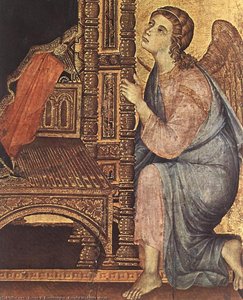
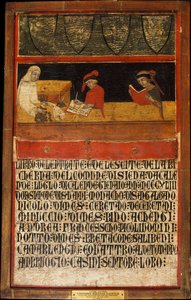
This remarkable fresco fragment, tentatively titled "Appearance of Christ to the Apostles," offers a poignant glimpse into the artistic and spiritual landscape of Siena in the early 14th century. Executed by the master Duccio di Buoninsegna around 1311, this work transcends mere representation; it embodies a profound moment of revelation, meticulously rendered with the hallmarks of the Sienese School’s burgeoning naturalism and emotional depth. The scene depicts a gathering of apostles, unified in their gaze as they confront an unseen presence – Christ himself – marking a pivotal juncture between Byzantine tradition and the nascent Italian artistic vision.
- Subject Matter: The fresco captures a crucial biblical narrative – the post-resurrection appearance of Christ to his disciples. This event, central to Christian theology, served as a powerful catalyst for artistic expression, demanding both reverence and an attempt at conveying the emotional weight of divine encounter.
- Style & Technique: Duccio’s approach diverges significantly from the stylized, often flattened forms characteristic of earlier Byzantine art. Here, he employs a more naturalistic depiction of human figures, evident in their postures, gestures, and the subtle modeling of their drapery. The fresco technique itself – utilizing pigments mixed with lime plaster – allowed for rich color and textural depth, though the fragment’s incomplete state necessitates an appreciation for the artist's original ambition.
A Bridge Between Worlds: Duccio and the Sienese School
Duccio di Buoninsegna (1255-1319) was a pivotal figure in the evolution of Italian painting, acting as a crucial bridge between the enduring influence of Byzantine iconography and the developing artistic sensibilities of Siena. Born into a family deeply involved in Sienese civic life, Duccio’s early training likely encompassed both religious commissions and the demands of courtly patronage. His work reflects this dual engagement – retaining elements of Byzantine elegance while injecting a distinctly humanistic quality that would become a defining characteristic of the Sienese School. This fragment exemplifies his innovative approach: he sought to imbue sacred narratives with genuine emotion, moving beyond rigid formality towards a more intimate connection between the divine and the earthly realms.
- Historical Context: The early 14th century was a period of intense religious fervor and social upheaval in Europe. The Black Death had ravaged populations, prompting profound questions about faith and mortality. Art served as both a devotional tool and a means of reaffirming belief amidst chaos.
- Influence of Byzantine Iconography: Despite his innovations, Duccio remained deeply rooted in the traditions of Byzantine art, particularly evident in the hierarchical composition – the apostles arranged according to their relative importance – and the use of gold leaf for Christ’s figure (though largely lost in this fragment).
Symbolism and Emotional Resonance
The scene's power lies not just in its depiction but also in its carefully considered symbolism. The figures, clad in togas, evoke a sense of ancient wisdom and reverence. The central group’s unified gaze suggests a shared moment of profound understanding – the revelation of Christ’s divinity. The solitary figure on the right, holding an object (likely a book or a cloth), adds another layer of intrigue, perhaps representing scripture or a relic associated with the event. The overall atmosphere is one of quiet contemplation and spiritual intensity, inviting viewers to contemplate themes of faith, belief, and the transformative power of divine encounter.
Note: This artwork is presented as a faithful hand-painted reproduction, meticulously crafted to capture the essence and spirit of Duccio di Buoninsegna’s original masterpiece. The texture and color palette are carefully reproduced to provide an authentic representation of this significant work of art.Ähnliche Kunstwerke
Über den Künstler
frühes Leben und Karriere
Duccio di Buoninsegna, ein renommierter italienischer Maler aus Siena, war in den späten 13. und frühen 14. Jahrhunderten tätig. Geboren im Jahr 1255, bleibt das persönliche Leben von Duccio in vielen Punkten ein Mysterium, wobei wenig über seinen Familienhintergrund oder seine frühe Lebenszeit bekannt ist. Dennoch sind seine Beiträge zur Trecento- und sienesischen Malstil gut dokumentiert.Künstlerischer Stil und Einflüsse
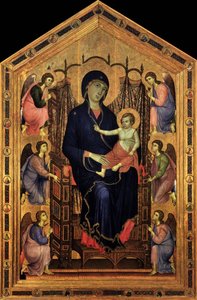
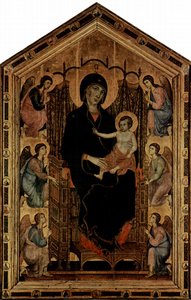
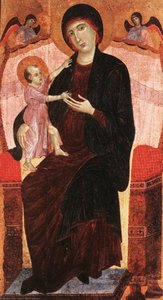
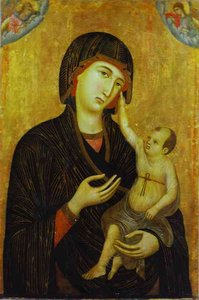
Die Werke von Duccio zeichnen sich durch die innovative Verwendung von Raum und Farbe aus, wie sie in seinem Meisterwerk die Rucellai Madonna (1285) zu sehen ist. Dieses Gemälde, das die Jungfrau Maria mit dem Christkind darstellt, umgeben von Engeln und Heiligen, zeigt Duccios einzigartigen Stil, der byzantinische Kunst mit neuen Techniken verbindet. Seine Verwendung von Modellierung und das Spiel mit Licht und Dunkelheit offenbaren Figuren unter schwerer Robenkleidung und schaffen so eine einladende und warme Atmosphäre.Bekannte Werke und Vermächtnis
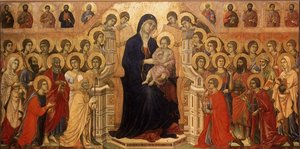
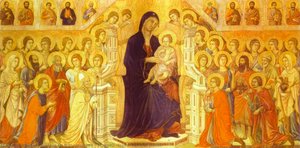
Zu Duccios bekanntesten Werken gehören:- Maestó (Vorderteil, Kronpaneele), Abschied der Apostel (Gotik, Öl) – ein Zeugnis seines innovativen Ansatzes für Raum und Farbe.
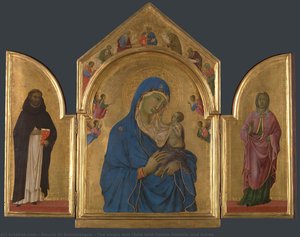
- Polyptych Nr. 28 (Die Heilige Jungfrau mit dem Christkind und vier Heiligen) (Gotik, Öl) – demonstriert Duccios Meisterschaft in der Komposition und Erzählung.
- Maestó (Rückseite, Unterbild), Versuchung auf einem Tempeldach (Gotik, Öl) – zeigt seine Fähigkeit, Licht und Dunkelheit auszugleichen.
Vermächtnis und Erinnerung
Trotz finanzieller Schwierigkeiten überwiegt Duccios künstlerisches Vermächtnis seine persönlichen Herausforderungen bei weitem. Seine Werke befinden sich in verschiedenen Museen und Galerien, darunter die Stadtgalerie Manchester, die zahlreiche Meisterwerke von renommierten Künstlern beherbergt. Anzeigen Sie Duccios di Buoninsegnas Kunstwerke auf ArtsDot.com Wikipedia: Duccio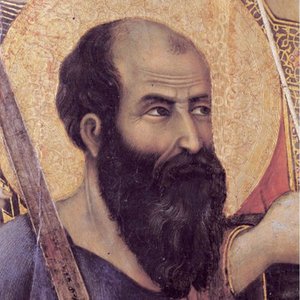
Duccio di Buoninsegna
1255 - 1319 , Italien
Kurzinfos
- Beeinflusste Künstler: ['Byzantinische Kunst']
- Bemerkenswerte Werke:
- Rucellai Madonna
- Maestà
- Flucht nach Ägypten
- Geburtsdatum: ca. 1255
- Geburtsort: Siena, Italien
- Künstlerische Bewegung: Trecento, Gotik
- Nationalität: Italienisch
- Sterbedatum: 1319
- Vollständiger Name: Duccio di Buoninsegna
- Von Ihm Beeinflusste Künstler: ['Sieneser Malerei']
Ähnliche Artikel

Giotto di Bondone: Die 25 Meisterwerke des Frührenaissance – Kunst für Ihr Zuhause
Entdecken Sie die 25 Meisterwerke von Giotto di Bondone! Erleben Sie die Frührenaissance, religiöse Kunst & ikonische Fresken wie in der Scrovegni Kapelle. Hochwertige Kunstdrucke online bei ArtsDot.com – für zeitlose Eleganz in Ihrem Zuhause.

Das Familienerbe an die Wand bringen: Wandgemälde als Generationenschatz
Verwandeln Sie Ihre Familiengeschichte in ein beeindruckendes Wandgemälde! Expertenrat & hochwertige Handwerkskunst für einzigartige Kunstwerke, die Generationen verbinden. Entdecken Sie jetzt!

The Enduring Legacy of Fresco Painting: Techniques, History & Contemporary Relevance
Explore the rich history & enduring artistry of fresco painting – from Giotto to Michelangelo! Discover techniques, conservation efforts, & modern applications. Learn how ArtsDot brings this timeless art form to your home.
The Enduring Legacy of Fresco: Technique, History & Artistic Expression Across Cultures
Explore the rich history & enduring legacy of fresco painting! Discover ancient techniques, Giotto's masterpieces, and modern applications. Expert insights for art lovers & professionals.
Kunst, die mit Ihnen lebt: Emotionale Kraft individueller Innenraumfresken
Entdecken Sie die emotionale Kraft individueller Innenraumfresken! Expertenberatung & hochwertige Wandmalerei für Hotels, Wohnräume & mehr. – Ihr Partner für einzigartige Kunst.