 Vorschau anzeigen
 Versenden
 Teilen
 Details anzeigen

 Herunterladen
 Ähnliche Objekte
 Röntgenaufnahme
 Diashow
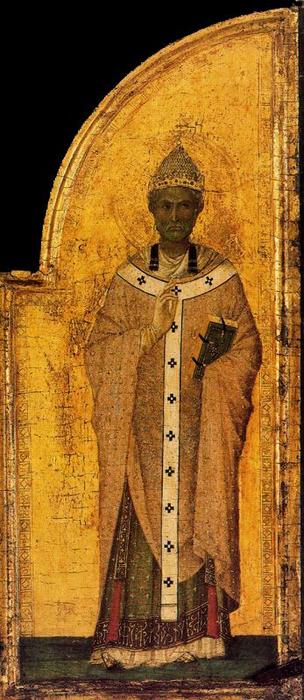
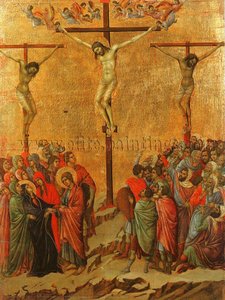
Crucifixión con San Nicolás y San Gregorio. San Gregorio el Grande

 Weiterlesen
Giclée / Kunstdruck
Giclée- oder Leinwanddruck in Museumsqualität mit schneller Produktion und flexiblen Veredelungsoptionen. ( Handgemalte Reproduktion bestellen Bild kaufen)




P118B $10

P118H $10

P118W $10

P438Z $10

P508JH $12

P508YH $12

P805H $10

P805Z $10

P919BZ $10

P919G $10

P919XJ $10

P959ZH $10

P968JZ $12

W106C $8

W218G $10

W218JH $8

W218Y $10

W307PJ $10

W316G $10

W316PJ $8

W316Y $10

W398PJ $8

W4111J $10

W500HY $15

W500JH $15

W692G $12

W849H $8

W940BG $15

W953PJ $8




Wählen Sie aus unseren vordefinierten Formaten, die den ursprünglichen Proportionen des Kunstwerks entsprechen.

Sie können Ihre eigenen Maße eingeben, um ein bestimmtes Format oder einen speziellen Platz einzupassen. Wenn das von Ihnen gewählte Format nicht den Proportionen des Originalbildes entspricht, werden wir das Kunstwerk entweder beschneiden oder das Bild mit einem gespiegelten oder einfarbigen Rand erweitern. Ein digitaler Entwurf wird Ihnen zur Genehmigung zugesandt, bevor die Produktion beginnt.
Bitte beachten Sie, dass die Vorschau auf dem Bildschirm nicht den tatsächlichen Zuschnitt oder die Erweiterung widerspiegelt. Nur der Entwurf zeigt die endgültige Komposition präzise an.
Obwohl Sondermaße verfügbar sind, empfehlen wir die Auswahl eines Maßes aus der vordefinierten Liste, um die ursprünglichen Proportionen zu bewahren.
Weltweiter Versand () innerhalb von 2 Wochen statt der üblichen 4/5 Wochen. (26 August)

Kostenloser weltweiter Expressversand

Hochwertige Leinenleinwand

Umfassender Versicherungsschutz beim Versand

Zollgebühren-Rückerstattungsgarantie

Garantie für exakte Farbtreue

60 Tage Rückgaberecht (nur bei Mängeln)

100% Geld-zurück-Garantie

Mengenrabatt verfügbar
 Die Glasoption ist nur für Größen unter 110 cm verfügbar.

Crucifixión con San Nicolás y San Gregorio. San Gregorio el Grande
Giclée / Kunstdruck
Format der Reproduktion
-


Gesamtpreis
$ 62
Sammlerstück-Beschreibung
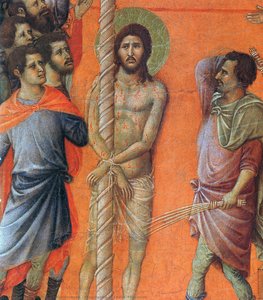
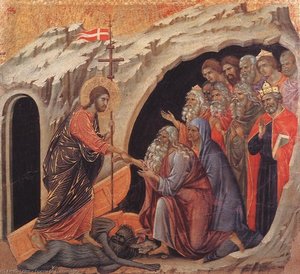
A Symphony of Faith and Human Emotion: Duccio's Crucifixión con San Nicolás y San Gregorio
Duccio di Buoninsegna’s Crucifixión con San Nicolás y San Gregorio stands as a monumental achievement, a pivotal work that encapsulates the burgeoning naturalism and emotional depth transforming Sienese painting in the late Middle Ages. Executed around 1300-1310, this captivating scene transcends mere religious illustration; it’s an intimate meditation on faith, humility, and the profound human experience of suffering – qualities that would define Duccio's legacy as a true innovator.
- Subject Matter: The composition centers around a central figure, likely representing Christ during his crucifixion, flanked by Saint Nicholas (Santa Claus) and Saint Gregory the Great. This juxtaposition elevates the scene beyond a simple depiction of martyrdom, inviting contemplation on the roles of these influential figures within Christian theology and their respective patronage.
- Style & Technique: Duccio’s mastery is immediately apparent in his use of color – rich, luminous golds and blues dominate, creating an atmosphere of both solemnity and spiritual radiance. His brushwork is characterized by a delicate layering of paint, a technique known as *impasto*, which adds texture and depth to the figures and drapery. The influence of Byzantine iconography is undeniable, particularly in the stylized representation of Christ’s body, yet Duccio skillfully integrates this with emerging Italian naturalism, evident in the more expressive gestures and nuanced emotional portrayal.
The Dawn of a New Italian Vision
Duccio di Buoninsegna emerged during a critical juncture in artistic history – a period where the rigid conventions of Byzantine art were beginning to yield to a desire for greater realism and emotional engagement. His work represents a crucial bridge between these two worlds, foreshadowing the developments that would ultimately define the Sienese School’s dominance in Italian painting. The scene's composition is carefully balanced, drawing the viewer's eye from Christ's suffering to the supporting figures, each imbued with their own distinct presence and symbolic weight.
Born in Siena around 1255, Duccio was a student of the renowned Maestro Serafino da Urbino. His early works demonstrate a clear Byzantine influence, but he quickly developed his own distinctive style, characterized by its emotional intensity and sophisticated use of color. He wasn’t simply copying existing models; he was actively shaping the visual language of religious art, paving the way for future generations of Italian artists.
Symbolism and Spiritual Resonance
The painting is replete with symbolic meaning. The cross itself, a central motif in Christian iconography, represents sacrifice and redemption. Saint Nicholas, known for his generosity and gift-giving, embodies compassion and charity, while Saint Gregory, the patron saint of doctors and scholars, symbolizes wisdom and intellectual pursuit. The gold background, a hallmark of Sienese painting, evokes divine light and glory, further emphasizing the sacred nature of the scene.
- Color Symbolism: The use of blue, associated with heaven and divinity, contrasts with the earthy tones representing humanity and mortality.
- Gesture & Expression: Christ’s slumped posture and anguished expression convey a profound sense of suffering, inviting viewers to empathize with his sacrifice.
A Timeless Masterpiece – A Reproduction for Your Space
ArtsDot offers meticulously crafted hand-painted reproductions of Duccio di Buoninsegna’s Crucifixión con San Nicolás y San Gregorio, allowing you to bring this extraordinary work of art into your home or office. Each reproduction is created using the finest materials and techniques, ensuring exceptional detail and color accuracy. More than just a decorative piece, this artwork offers a powerful connection to one of the most significant figures in Western art history – a testament to Duccio’s genius and enduring vision.
Ähnliche Kunstwerke
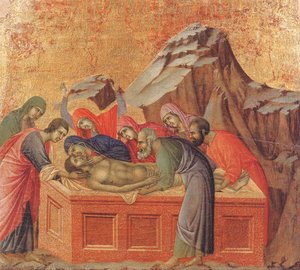
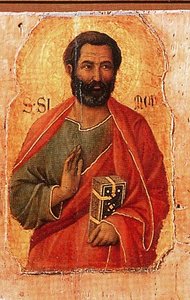
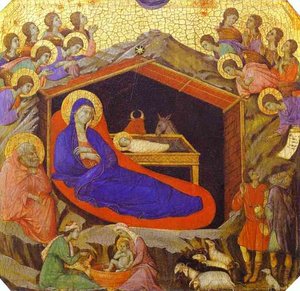
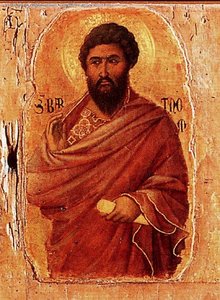
Über den Künstler
frühes Leben und Karriere
Duccio di Buoninsegna, ein renommierter italienischer Maler aus Siena, war in den späten 13. und frühen 14. Jahrhunderten tätig. Geboren im Jahr 1255, bleibt das persönliche Leben von Duccio in vielen Punkten ein Mysterium, wobei wenig über seinen Familienhintergrund oder seine frühe Lebenszeit bekannt ist. Dennoch sind seine Beiträge zur Trecento- und sienesischen Malstil gut dokumentiert.Künstlerischer Stil und Einflüsse
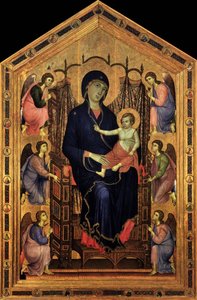
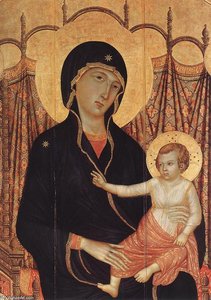
Die Werke von Duccio zeichnen sich durch die innovative Verwendung von Raum und Farbe aus, wie sie in seinem Meisterwerk die Rucellai Madonna (1285) zu sehen ist. Dieses Gemälde, das die Jungfrau Maria mit dem Christkind darstellt, umgeben von Engeln und Heiligen, zeigt Duccios einzigartigen Stil, der byzantinische Kunst mit neuen Techniken verbindet. Seine Verwendung von Modellierung und das Spiel mit Licht und Dunkelheit offenbaren Figuren unter schwerer Robenkleidung und schaffen so eine einladende und warme Atmosphäre.Bekannte Werke und Vermächtnis
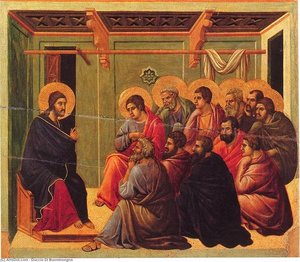
Zu Duccios bekanntesten Werken gehören:- Maestó (Vorderteil, Kronpaneele), Abschied der Apostel (Gotik, Öl) – ein Zeugnis seines innovativen Ansatzes für Raum und Farbe.
- Polyptych Nr. 28 (Die Heilige Jungfrau mit dem Christkind und vier Heiligen) (Gotik, Öl) – demonstriert Duccios Meisterschaft in der Komposition und Erzählung.
- Maestó (Rückseite, Unterbild), Versuchung auf einem Tempeldach (Gotik, Öl) – zeigt seine Fähigkeit, Licht und Dunkelheit auszugleichen.
Vermächtnis und Erinnerung
Trotz finanzieller Schwierigkeiten überwiegt Duccios künstlerisches Vermächtnis seine persönlichen Herausforderungen bei weitem. Seine Werke befinden sich in verschiedenen Museen und Galerien, darunter die Stadtgalerie Manchester, die zahlreiche Meisterwerke von renommierten Künstlern beherbergt. Anzeigen Sie Duccios di Buoninsegnas Kunstwerke auf ArtsDot.com Wikipedia: Duccio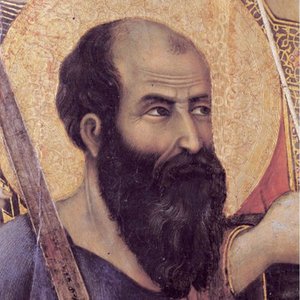
Duccio di Buoninsegna
1255 - 1319 , Italien
Kurzinfos
- Beeinflusste Künstler: ['Byzantinische Kunst']
- Bemerkenswerte Werke:
- Rucellai Madonna
- Maestà
- Flucht nach Ägypten
- Geburtsdatum: ca. 1255
- Geburtsort: Siena, Italien
- Künstlerische Bewegung: Trecento, Gotik
- Nationalität: Italienisch
- Sterbedatum: 1319
- Vollständiger Name: Duccio di Buoninsegna
- Von Ihm Beeinflusste Künstler: ['Sieneser Malerei']
Ähnliche Artikel

Giotto di Bondone: Die 25 Meisterwerke des Frührenaissance – Kunst für Ihr Zuhause
Entdecken Sie die 25 Meisterwerke von Giotto di Bondone! Erleben Sie die Frührenaissance, religiöse Kunst & ikonische Fresken wie in der Scrovegni Kapelle. Hochwertige Kunstdrucke online bei ArtsDot.com – für zeitlose Eleganz in Ihrem Zuhause.
Sacred Narratives Embodied: A Comprehensive Exploration of Religious Iconography in Art History
Explore the rich history of religious iconography in art! Discover symbolism, movements & masterpieces from Byzantine to Renaissance periods. Expert insights for collectors and enthusiasts at ArtsDot.
Sacred Narratives on Canvas: Exploring Religious Scenes & Their Enduring Influence
Explore the rich history of religious art from Giotto to the Renaissance masters with ArtsDot. Discover symbolism, techniques & enduring legacies. Museum-quality reproductions available.
Proto-Renaissance Meisterwerke: Die 10 Kunstwerke, die eine Epoche prägten | ArtsDot
Entdecken Sie die 10 prägendsten Meisterwerke der Proto-Renaissance! Von Giotto bis Duccio – erleben Sie die Geschichten, Techniken & zeitlose Schönheit italienischer Frührenaissance Kunst. Hochwertige Reproduktionen auf ArtsDot.com.
Sacred Visions: Exploring Faith & Devotion in Religious Art Across Cultures
Explore the rich history of religious art across cultures! Discover symbolism, Renaissance masterpieces & the power of color in devotional works. Expert insights for collectors and enthusiasts.