 Vorschau anzeigen
 Versenden
 Teilen
 Details anzeigen

 Herunterladen
 Ähnliche Objekte
 Röntgenaufnahme
 Diashow
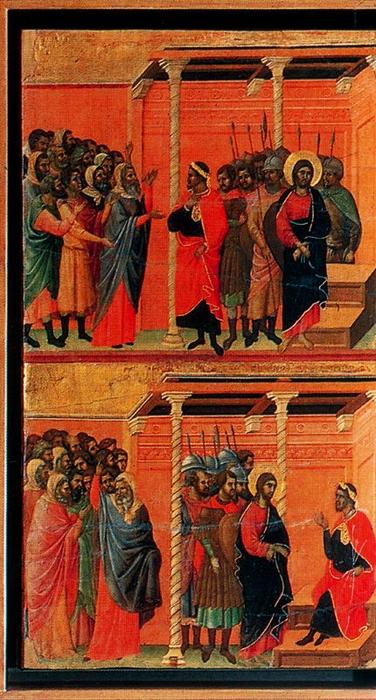
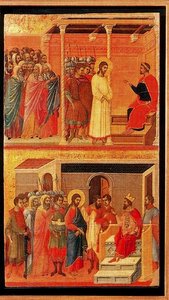
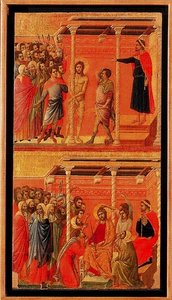
La Maestá. Cristo acusado por los fariseos y Cristo interrogado por Pilatos


 Weiterlesen
Giclée / Kunstdruck
Giclée- oder Leinwanddruck in Museumsqualität mit schneller Produktion und flexiblen Veredelungsoptionen. ( Handgemalte Reproduktion bestellen Bild kaufen)




P118B $10

P118H $10

P118W $10

P438Z $10

P508JH $12

P508YH $12

P805H $10

P805Z $10

P919BZ $10

P919G $10

P919XJ $10

P959ZH $10

P968JZ $12

W106C $8

W218G $10

W218JH $8

W218Y $10

W307PJ $10

W316G $10

W316PJ $8

W316Y $10

W398PJ $8

W4111J $10

W500HY $15

W500JH $15

W692G $12

W849H $8

W940BG $15

W953PJ $8




Wählen Sie aus unseren vordefinierten Formaten, die den ursprünglichen Proportionen des Kunstwerks entsprechen.

Sie können Ihre eigenen Maße eingeben, um ein bestimmtes Format oder einen speziellen Platz einzupassen. Wenn das von Ihnen gewählte Format nicht den Proportionen des Originalbildes entspricht, werden wir das Kunstwerk entweder beschneiden oder das Bild mit einem gespiegelten oder einfarbigen Rand erweitern. Ein digitaler Entwurf wird Ihnen zur Genehmigung zugesandt, bevor die Produktion beginnt.
Bitte beachten Sie, dass die Vorschau auf dem Bildschirm nicht den tatsächlichen Zuschnitt oder die Erweiterung widerspiegelt. Nur der Entwurf zeigt die endgültige Komposition präzise an.
Obwohl Sondermaße verfügbar sind, empfehlen wir die Auswahl eines Maßes aus der vordefinierten Liste, um die ursprünglichen Proportionen zu bewahren.
Weltweiter Versand () innerhalb von 2 Wochen statt der üblichen 4/5 Wochen. (3 September)

Kostenloser weltweiter Expressversand

Hochwertige Leinenleinwand

Umfassender Versicherungsschutz beim Versand

Zollgebühren-Rückerstattungsgarantie

Garantie für exakte Farbtreue

60 Tage Rückgaberecht (nur bei Mängeln)

100% Geld-zurück-Garantie

Mengenrabatt verfügbar
 Die Glasoption ist nur für Größen unter 110 cm verfügbar.

La Maestá. Cristo acusado por los fariseos y Cristo interrogado por Pilatos
Giclée / Kunstdruck
Format der Reproduktion
-


Gesamtpreis
$ 62
A Dramatic Tableau of Faith: Duccio’s “La Maestá”
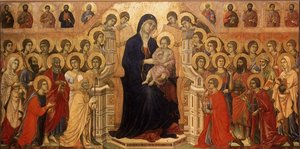
Duccio di Buoninsegna's "La Maestà," or "The Majesty," stands as a monumental achievement, a cornerstone of Sienese painting and a profound expression of religious devotion. Completed around 1308-1310, this extraordinary work transcends mere illustration; it’s a carefully constructed drama, a poignant meditation on Christ's suffering and judgment, rendered with the technical mastery that defined Duccio’s legacy. The painting depicts not just a biblical scene – the trial of Christ by Pontius Pilate and his subsequent interrogation before Jesus – but an entire theological argument played out in visual form. It is a testament to the burgeoning humanist spirit within the medieval world, subtly shifting focus towards human emotion and interaction within sacred narratives.
- Subject Matter: The central scene portrays the pivotal moment of Christ’s trial before Pilate and Caiaphas, representing the core theological conflict between divine justice and earthly authority.
- Composition: Duccio masterfully employs a pyramidal composition, drawing the viewer's eye upwards towards Christ, who is presented as both Judge and Victim. The surrounding figures – including Roman officials, Jewish elders, and witnesses – are meticulously arranged to heighten the dramatic tension of the scene.
Technique and Materials: A Synthesis of Byzantine and Italian Innovation
Duccio’s skill lies in his ability to seamlessly blend the established conventions of Byzantine art with the emerging stylistic trends of Italy. The painting is executed in tempera on a gesso panel, a technique favored by Sienese artists for its luminosity and detail. Noticeable are the rich, jewel-toned pigments – ultramarine blues derived from lapis lazuli, vibrant reds from vermilion, and shimmering golds – all meticulously applied to create an opulent and otherworldly effect. The drapery is rendered with remarkable realism, achieved through careful observation of folds and textures. Duccio’s use of glazing techniques—applying thin layers of translucent paint over dried underlayers—creates a sense of depth and atmospheric perspective that was revolutionary for its time.
- Glazing Technique: The extensive use of glazing contributes to the painting's luminous quality and three-dimensional effect.
- Pigment Innovation: Duccio’s masterful handling of pigments, particularly ultramarine, demonstrates his understanding of color theory and his ability to create a visually arresting image.
Symbolism and Emotional Resonance
"La Maestà" is laden with symbolic meaning. Christ's pose, reminiscent of the Byzantine iconographic tradition, represents divine authority and judgment. The figures surrounding him are not merely bystanders; they embody various aspects of human response to faith – doubt, skepticism, obedience, and fear. Pilate’s questioning gaze and Jesus’s sorrowful expression evoke a profound sense of empathy and invite contemplation on themes of guilt, innocence, and redemption. The painting's emotional impact is undeniable, capturing the intensity of a moment that has resonated through centuries of religious thought and artistic interpretation. It’s not simply a depiction of an event; it’s an experience—a visceral engagement with humanity’s most fundamental questions.
A Legacy of Artistic Influence
Duccio's "La Maestà" profoundly influenced the development of Sienese painting and served as a model for generations of artists. Its innovative composition, technical virtuosity, and emotional depth established Duccio as one of the leading figures of the International Gothic style. Today, reproductions of this masterpiece offer an unparalleled opportunity to experience the power and beauty of Duccio’s vision, bringing a timeless work of art into any setting.
Ähnliche Kunstwerke
Über den Künstler
frühes Leben und Karriere
Duccio di Buoninsegna, ein renommierter italienischer Maler aus Siena, war in den späten 13. und frühen 14. Jahrhunderten tätig. Geboren im Jahr 1255, bleibt das persönliche Leben von Duccio in vielen Punkten ein Mysterium, wobei wenig über seinen Familienhintergrund oder seine frühe Lebenszeit bekannt ist. Dennoch sind seine Beiträge zur Trecento- und sienesischen Malstil gut dokumentiert.Künstlerischer Stil und Einflüsse
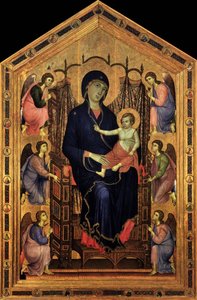
Die Werke von Duccio zeichnen sich durch die innovative Verwendung von Raum und Farbe aus, wie sie in seinem Meisterwerk die Rucellai Madonna (1285) zu sehen ist. Dieses Gemälde, das die Jungfrau Maria mit dem Christkind darstellt, umgeben von Engeln und Heiligen, zeigt Duccios einzigartigen Stil, der byzantinische Kunst mit neuen Techniken verbindet. Seine Verwendung von Modellierung und das Spiel mit Licht und Dunkelheit offenbaren Figuren unter schwerer Robenkleidung und schaffen so eine einladende und warme Atmosphäre.Bekannte Werke und Vermächtnis
Zu Duccios bekanntesten Werken gehören:- Maestó (Vorderteil, Kronpaneele), Abschied der Apostel (Gotik, Öl) – ein Zeugnis seines innovativen Ansatzes für Raum und Farbe.
- Polyptych Nr. 28 (Die Heilige Jungfrau mit dem Christkind und vier Heiligen) (Gotik, Öl) – demonstriert Duccios Meisterschaft in der Komposition und Erzählung.
- Maestó (Rückseite, Unterbild), Versuchung auf einem Tempeldach (Gotik, Öl) – zeigt seine Fähigkeit, Licht und Dunkelheit auszugleichen.
Vermächtnis und Erinnerung
Trotz finanzieller Schwierigkeiten überwiegt Duccios künstlerisches Vermächtnis seine persönlichen Herausforderungen bei weitem. Seine Werke befinden sich in verschiedenen Museen und Galerien, darunter die Stadtgalerie Manchester, die zahlreiche Meisterwerke von renommierten Künstlern beherbergt. Anzeigen Sie Duccios di Buoninsegnas Kunstwerke auf ArtsDot.com Wikipedia: Duccio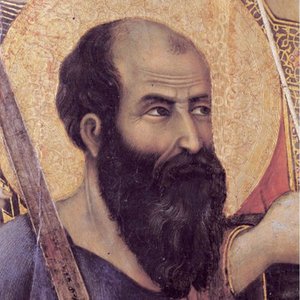
Duccio di Buoninsegna
1255 - 1319 , Italien
Kurzinfos
- Beeinflusste Künstler: ['Byzantinische Kunst']
- Bemerkenswerte Werke:
- Rucellai Madonna
- Maestà
- Flucht nach Ägypten
- Geburtsdatum: ca. 1255
- Geburtsort: Siena, Italien
- Künstlerische Bewegung: Trecento, Gotik
- Nationalität: Italienisch
- Sterbedatum: 1319
- Vollständiger Name: Duccio di Buoninsegna
- Von Ihm Beeinflusste Künstler: ['Sieneser Malerei']
Ähnliche Artikel

Giotto di Bondone: Die 25 Meisterwerke des Frührenaissance – Kunst für Ihr Zuhause
Entdecken Sie die 25 Meisterwerke von Giotto di Bondone! Erleben Sie die Frührenaissance, religiöse Kunst & ikonische Fresken wie in der Scrovegni Kapelle. Hochwertige Kunstdrucke online bei ArtsDot.com – für zeitlose Eleganz in Ihrem Zuhause.
Top 25 Kunstwerke der Biennale Venedig: Meisterwerke für Ihr Zuhause | ArtsDot
Entdecken Sie die 25 bedeutendsten Kunstwerke der Biennale Venedig! Erfahren Sie die Geschichten hinter berühmten Gemälden, Künstlern und Stilen. Hochwertige Kunstdrucke & Reproduktionen für Ihr Zuhause – jetzt auf ArtsDot.com!
Proto-Renaissance Meisterwerke: Die 10 Kunstwerke, die eine Epoche prägten | ArtsDot
Entdecken Sie die 10 prägendsten Meisterwerke der Proto-Renaissance! Von Giotto bis Duccio – erleben Sie die Geschichten, Techniken & zeitlose Schönheit italienischer Frührenaissance Kunst. Hochwertige Reproduktionen auf ArtsDot.com.
Spätmittelalterliche Meisterwerke: 10 Kunstwerke für Ihr Zuhause | ArtsDot
Entdecken Sie die 10 bedeutendsten Meisterwerke des Spätmittelalters! Erfahren Sie die Geschichten hinter Jan van Eyck, Rogier van der Weyden & mehr. Hochwertige Kunst Reproduktionen für Ihr Zuhause – jetzt auf ArtsDot.com!
Meisterwerke der Temperamalerei: 10 Panelbilder, die Kunstgeschichte schrieben | ArtsDot
Entdecken Sie die 10 legendärsten Meisterwerke der Temperamalerei auf Holz! Von Giotto bis Botticelli – erfahren Sie die Geschichten hinter ikonischen Panelbildern und lassen Sie sich von Renaissance-Kunst inspirieren. Hochwertige Reproduktionen finden Sie auf ArtsDot.com.