 Vorschau anzeigen
 Versenden
 Teilen
 Details anzeigen

 Herunterladen
 Ähnliche Objekte
 Röntgenaufnahme
 Diashow
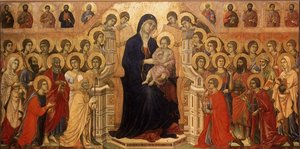
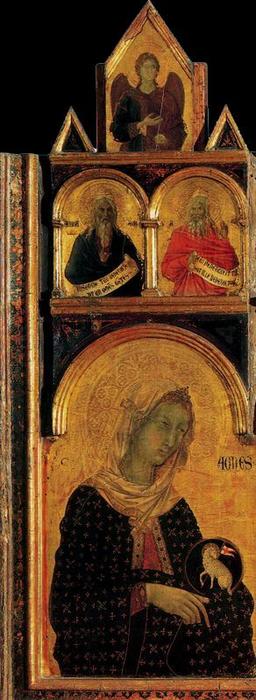
La Virgen y el niño con Santos, Profetas y Ángeles 4

 Weiterlesen
Giclée / Kunstdruck
Giclée- oder Leinwanddruck in Museumsqualität mit schneller Produktion und flexiblen Veredelungsoptionen. ( Handgemalte Reproduktion bestellen Bild kaufen)




P118B $10

P118H $10

P118W $10

P438Z $10

P508JH $12

P508YH $12

P805H $10

P805Z $10

P919BZ $10

P919G $10

P919XJ $10

P959ZH $10

P968JZ $12

W106C $8

W218G $10

W218JH $8

W218Y $10

W307PJ $10

W316G $10

W316PJ $8

W316Y $10

W398PJ $8

W4111J $10

W500HY $15

W500JH $15

W692G $12

W849H $8

W940BG $15

W953PJ $8




Wählen Sie aus unseren vordefinierten Formaten, die den ursprünglichen Proportionen des Kunstwerks entsprechen.

Sie können Ihre eigenen Maße eingeben, um ein bestimmtes Format oder einen speziellen Platz einzupassen. Wenn das von Ihnen gewählte Format nicht den Proportionen des Originalbildes entspricht, werden wir das Kunstwerk entweder beschneiden oder das Bild mit einem gespiegelten oder einfarbigen Rand erweitern. Ein digitaler Entwurf wird Ihnen zur Genehmigung zugesandt, bevor die Produktion beginnt.
Bitte beachten Sie, dass die Vorschau auf dem Bildschirm nicht den tatsächlichen Zuschnitt oder die Erweiterung widerspiegelt. Nur der Entwurf zeigt die endgültige Komposition präzise an.
Obwohl Sondermaße verfügbar sind, empfehlen wir die Auswahl eines Maßes aus der vordefinierten Liste, um die ursprünglichen Proportionen zu bewahren.
Weltweiter Versand () innerhalb von 2 Wochen statt der üblichen 4/5 Wochen. (2 September)

Kostenloser weltweiter Expressversand

Hochwertige Leinenleinwand

Umfassender Versicherungsschutz beim Versand

Zollgebühren-Rückerstattungsgarantie

Garantie für exakte Farbtreue

60 Tage Rückgaberecht (nur bei Mängeln)

100% Geld-zurück-Garantie

Mengenrabatt verfügbar
 Die Glasoption ist nur für Größen unter 110 cm verfügbar.

La Virgen y el niño con Santos, Profetas y Ángeles 4
Giclée / Kunstdruck
Format der Reproduktion
-


Gesamtpreis
$ 62
The Dawn of a New Italian Vision: Introducing Duccio’s ‘La Virgen y el Niño’
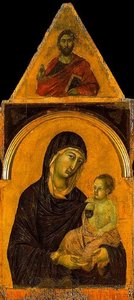
Within the heart of Siena, Italy, during the late 13th and early 14th centuries, an artist named Duccio di Buoninsegna was quietly reshaping the landscape of European painting. Born around 1255, he wasn't merely a painter; he was a pivotal figure bridging the rigid formality of Byzantine art with the burgeoning naturalism and emotional depth that would define the nascent Italian Renaissance. Duccio’s work, particularly ‘La Virgen y el niño con Santos, Profetas y Ángeles,’ stands as a testament to this transformative period – a vibrant synthesis of tradition and innovation, imbued with an intimate humanity previously unseen in religious art.
This magnificent panel painting, though its exact dimensions remain unknown, immediately captivates the viewer. It depicts the Virgin Mary cradling the infant Jesus, surrounded by a constellation of saints, prophets, and angels. Yet, it’s not simply a devotional image; it's a carefully constructed narrative brimming with symbolism and reflecting the evolving artistic sensibilities of the time. Duccio masterfully blends Byzantine influences – the rich gold backgrounds, the serene expressions of the figures – with a newfound sensitivity to human form and emotion, subtly shifting the focus from an aloof divine presence to a deeply personal connection between mother and child.
A Symphony of Color and Detail: Technique and Materials
Duccio’s technical prowess is immediately apparent. He employed tempera paint on wood panel, a medium known for its luminosity and durability. The use of gold leaf – lavishly applied to the Virgin's mantle, the halos of the saints, and certain architectural elements – adds an ethereal quality, elevating the scene to a realm of divine splendor. Notice the meticulous detail in each figure’s drapery; the folds are rendered with astonishing realism, creating a sense of volume and movement. The artist skillfully utilizes *sfumato*—a subtle blurring of lines and edges—to soften the forms and create an atmosphere of gentle serenity.
The composition itself is remarkably sophisticated. Duccio doesn’t simply arrange figures in a static tableau; he creates a dynamic space, utilizing perspective to draw the viewer into the scene. The castle-like structure in the background, though somewhat stylized, provides depth and context, suggesting a narrative beyond the immediate depiction of Mary and Jesus. The careful placement of each figure—saints, prophets, angels—contributes to a complex web of relationships and allusions, inviting contemplation and scholarly interpretation.
Symbolism and Spiritual Resonance: Unpacking the Narrative
‘La Virgen y el niño’ is rich in symbolic meaning. The presence of saints like Dominic and Aurea reflects the patronage of the painting by a Florentine confraternity dedicated to these figures. The inclusion of prophets – foretelling Christ's birth – reinforces the central theme of salvation. Angels, depicted with graceful wings and serene expressions, serve as messengers of divine grace. Even seemingly minor details—the specific garments worn by each figure, the gestures they make—carry symbolic weight.
Beyond its religious significance, the painting also speaks to the broader cultural context of 14th-century Italy. The depiction of Mary and Jesus in a domestic setting – cradled within a richly adorned space – reflects a growing emphasis on human emotion and experience. Duccio’s work represents a shift away from the purely symbolic representation of religious figures towards a more relatable, even intimate portrayal of their lives.
Bringing ‘La Virgen y el niño’ into Your Space: A Reproduction for Collectors
ArtsDot is proud to offer meticulously hand-painted reproductions of Duccio di Buoninsegna's ‘La Virgen y el niño con Santos, Profetas y Ángeles.’ These aren’t merely prints; they are faithful recreations of the original masterpiece, capturing its vibrant colors, intricate details, and profound emotional resonance. Each reproduction is created by skilled artists using archival-quality materials, ensuring that it will last for generations to come.
Whether you're an art collector, a design enthusiast, or simply seeking a stunning piece of artwork to adorn your home, a ArtsDot reproduction of ‘La Virgen y el niño’ offers a unique opportunity to experience the beauty and power of Duccio’s vision. Explore our collection today and bring this iconic Renaissance masterpiece into your world.
Ähnliche Kunstwerke

Über den Künstler
frühes Leben und Karriere
Duccio di Buoninsegna, ein renommierter italienischer Maler aus Siena, war in den späten 13. und frühen 14. Jahrhunderten tätig. Geboren im Jahr 1255, bleibt das persönliche Leben von Duccio in vielen Punkten ein Mysterium, wobei wenig über seinen Familienhintergrund oder seine frühe Lebenszeit bekannt ist. Dennoch sind seine Beiträge zur Trecento- und sienesischen Malstil gut dokumentiert.Künstlerischer Stil und Einflüsse
Die Werke von Duccio zeichnen sich durch die innovative Verwendung von Raum und Farbe aus, wie sie in seinem Meisterwerk die Rucellai Madonna (1285) zu sehen ist. Dieses Gemälde, das die Jungfrau Maria mit dem Christkind darstellt, umgeben von Engeln und Heiligen, zeigt Duccios einzigartigen Stil, der byzantinische Kunst mit neuen Techniken verbindet. Seine Verwendung von Modellierung und das Spiel mit Licht und Dunkelheit offenbaren Figuren unter schwerer Robenkleidung und schaffen so eine einladende und warme Atmosphäre.Bekannte Werke und Vermächtnis
Zu Duccios bekanntesten Werken gehören:- Maestó (Vorderteil, Kronpaneele), Abschied der Apostel (Gotik, Öl) – ein Zeugnis seines innovativen Ansatzes für Raum und Farbe.
- Polyptych Nr. 28 (Die Heilige Jungfrau mit dem Christkind und vier Heiligen) (Gotik, Öl) – demonstriert Duccios Meisterschaft in der Komposition und Erzählung.
- Maestó (Rückseite, Unterbild), Versuchung auf einem Tempeldach (Gotik, Öl) – zeigt seine Fähigkeit, Licht und Dunkelheit auszugleichen.
Vermächtnis und Erinnerung
Trotz finanzieller Schwierigkeiten überwiegt Duccios künstlerisches Vermächtnis seine persönlichen Herausforderungen bei weitem. Seine Werke befinden sich in verschiedenen Museen und Galerien, darunter die Stadtgalerie Manchester, die zahlreiche Meisterwerke von renommierten Künstlern beherbergt. Anzeigen Sie Duccios di Buoninsegnas Kunstwerke auf ArtsDot.com Wikipedia: Duccio
Duccio di Buoninsegna
1255 - 1319 , Italien
Kurzinfos
- Beeinflusste Künstler: ['Byzantinische Kunst']
- Bemerkenswerte Werke:
- Rucellai Madonna
- Maestà
- Flucht nach Ägypten
- Geburtsdatum: ca. 1255
- Geburtsort: Siena, Italien
- Künstlerische Bewegung: Trecento, Gotik
- Nationalität: Italienisch
- Sterbedatum: 1319
- Vollständiger Name: Duccio di Buoninsegna
- Von Ihm Beeinflusste Künstler: ['Sieneser Malerei']
Ähnliche Artikel
Raphael: Die 25 Meisterwerke des Renaissance-Genies – Kunst für Ihr Zuhause
Entdecken Sie die 25 schönsten Meisterwerke von Raphael! Tauchen Sie ein in die Welt der Renaissance-Kunst, erfahren Sie faszinierende Geschichten und lassen Sie sich von den Farben und Kompositionen inspirieren. Hochwertige Reproduktionen auf ArtsDot.com.
Illuminating Eternity: A Comprehensive Exploration of Byzantine Art's Legacy
Explore the rich history & stunning artistry of the Byzantine Empire! Discover iconic mosaics, profound symbolism, and lasting influence on Western art. A comprehensive guide for history lovers.
Proto-Renaissance Meisterwerke: Die 10 Kunstwerke, die eine Epoche prägten | ArtsDot
Entdecken Sie die 10 prägendsten Meisterwerke der Proto-Renaissance! Von Giotto bis Duccio – erleben Sie die Geschichten, Techniken & zeitlose Schönheit italienischer Frührenaissance Kunst. Hochwertige Reproduktionen auf ArtsDot.com.
Simone Martini: Innovation, Spiritualität und höfische Raffinesse der Sienischen Malerei
Entdecken Sie Simone Martini, einen Meister der Sienischen Malerei! Erfahren Sie mehr über seine Innovationen, seinen Stil und die spirituelle Tiefe seiner Werke. Kunstgeschichte pur – jetzt lesen!
Giotto di Bondone: Die 25 Meisterwerke des Frührenaissance – Kunst für Ihr Zuhause
Entdecken Sie die 25 Meisterwerke von Giotto di Bondone! Erleben Sie die Frührenaissance, religiöse Kunst & ikonische Fresken wie in der Scrovegni Kapelle. Hochwertige Kunstdrucke online bei ArtsDot.com – für zeitlose Eleganz in Ihrem Zuhause.