 Versenden
 Teilen
 Details anzeigen

 Herunterladen
 Ähnliche Objekte
 Diashow
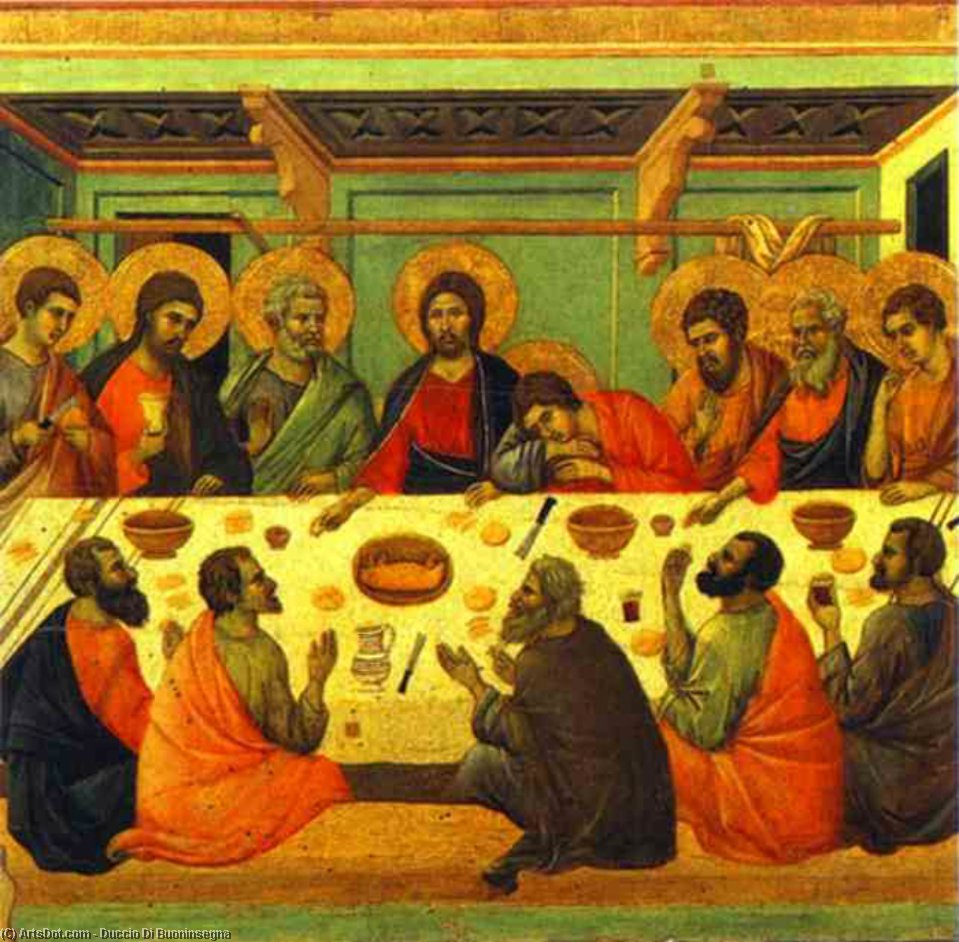
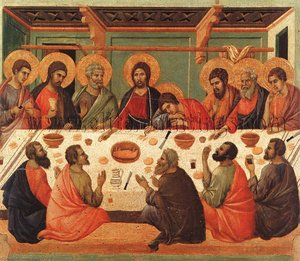
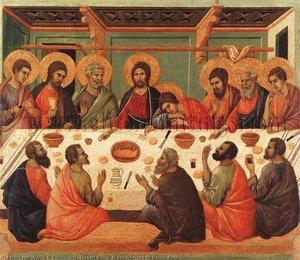
MaestÓ (rückseite, zentrale Platte), Das letzte Abendmahl


 Weiterlesen
Giclée / Kunstdruck
Giclée- oder Leinwanddruck in Museumsqualität mit schneller Produktion und flexiblen Veredelungsoptionen. ( Handgemalte Reproduktion bestellen Bild kaufen)




































Wählen Sie aus unseren vordefinierten Formaten, die den ursprünglichen Proportionen des Kunstwerks entsprechen.

Sie können Ihre eigenen Maße eingeben, um ein bestimmtes Format oder einen speziellen Platz einzupassen. Wenn das von Ihnen gewählte Format nicht den Proportionen des Originalbildes entspricht, werden wir das Kunstwerk entweder beschneiden oder das Bild mit einem gespiegelten oder einfarbigen Rand erweitern. Ein digitaler Entwurf wird Ihnen zur Genehmigung zugesandt, bevor die Produktion beginnt.
Bitte beachten Sie, dass die Vorschau auf dem Bildschirm nicht den tatsächlichen Zuschnitt oder die Erweiterung widerspiegelt. Nur der Entwurf zeigt die endgültige Komposition präzise an.
Obwohl Sondermaße verfügbar sind, empfehlen wir die Auswahl eines Maßes aus der vordefinierten Liste, um die ursprünglichen Proportionen zu bewahren.
Weltweiter Versand () innerhalb von 2 Wochen statt der üblichen 4/5 Wochen. (1 September)

Kostenloser weltweiter Expressversand

Hochwertige Leinenleinwand

Umfassender Versicherungsschutz beim Versand

Zollgebühren-Rückerstattungsgarantie

Garantie für exakte Farbtreue

60 Tage Rückgaberecht (nur bei Mängeln)

100% Geld-zurück-Garantie

Mengenrabatt verfügbar
 Die Glasoption ist nur für Größen unter 110 cm verfügbar.

MaestÓ (rückseite, zentrale Platte), Das letzte Abendmahl
Giclée / Kunstdruck
Format der Reproduktion
-


Gesamtpreis
$ 62
MaestÓ (back, central panel), Christ in Limbo
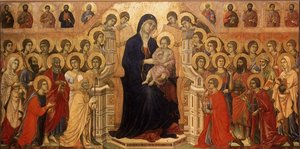
Duccio di Buoninsegna's *Maestà (back, central panel), Christ in Limbo* stands as an unparalleled achievement of Gothic art and a cornerstone of Sienese artistic heritage. Created between 1308 and 1311 as part of the monumental Maestà altarpiece commissioned for Siena Cathedral—a project that cemented Siena’s reputation as Italy's foremost artistic center—this oil on panel transcends mere depiction; it embodies a profound reimagining of sacred narrative and an audacious embrace of naturalistic observation. More than just portraying Jesus Christ, Duccio captured a pivotal moment in Christian theology: the ascension into Heaven after his crucifixion, symbolizing divine triumph over mortality and offering viewers a glimpse into eternal salvation.Compositional Innovation & Narrative Detail
The panel’s composition is remarkably dynamic, defying the static conventions of Byzantine art that preceded it. At its heart lies Jesus Christ, positioned centrally but not rigidly—a subtle gesture reflecting Duccio's desire to convey both solemn dignity and human empathy. Surrounding him are twelve apostles, meticulously rendered with individualized features and postures—each apostle embodying a distinct personality and role within the unfolding drama of the Passion. Notice how Duccio skillfully utilizes the table as a compositional device, organizing the figures and directing the viewer’s gaze towards the central figure. This isn't merely a static tableau; it pulsates with energy, conveying the anticipation and underlying tension inherent in this momentous occasion. The apostles are depicted in various poses—some gazing upwards in contemplation, others engaged in fervent prayer—reflecting the spiritual fervor of the era.Style & Technique: A Bridge Between Traditions
Duccio’s artistic style represents a decisive break from Byzantine formalism while simultaneously retaining elements of its grandeur and elegance. Unlike his predecessors, Duccio eschewed stylized drapery and flattened perspectives, opting instead for a more naturalistic approach that prioritized anatomical accuracy and subtle gradations of light and shadow. The masterful use of oil paint—a relatively novel medium at the time—allowed Duccio to achieve unprecedented levels of detail and luminosity, capturing the ethereal glow of Heaven with breathtaking precision. Observe how Duccio’s modeling imbues the figures with palpable volume and texture—creating a sense of realism that was revolutionary for its time. The delicate rendering of facial expressions conveys profound emotion—reflecting the spiritual contemplation and solemn reverence characteristic of Gothic piety.Symbolism & Theological Significance
Every element within *Christ in Limbo* carries symbolic weight, reinforcing its theological message. The radiant halo encircling Christ’s head symbolizes divine glory and holiness—affirming his ascension into Heaven as a triumph over death and despair. The apostles' gestures convey their unwavering faith and devotion—expressing the collective yearning for eternal life that underpinned Christian belief during the medieval period. Consider Judas Iscariot, subtly positioned amongst the group—his expression hinting at betrayal and highlighting the moral complexities of human nature. The inclusion of Limbo—the purgatorial realm awaiting souls who die without repentance—underscores the universality of salvation offered by Christ’s sacrifice.Historical Context & Duccio’s Legacy
Duccio di Buoninsegna (c. 1255–1319) emerged during a period of significant artistic transformation in Italy, marking the transition from Byzantine influence to the burgeoning naturalism of the Trecento—the early fourteenth century. His work profoundly impacted subsequent generations of artists—establishing him as one of the most influential figures in Italian art history. The Maestà altarpiece itself served as an inspiration for countless other monumental artworks—solidifying Siena’s position as a beacon of artistic innovation and spiritual devotion. Today, *Christ in Limbo* resides in the Museo dell'Opera Metropolitana del Duomo in Siena—a testament to Duccio’s enduring genius and his contribution to the canon of Western art. Its luminous colors and masterful composition continue to captivate viewers centuries after its creation—inspiring awe and prompting reflection on themes of faith, redemption, and divine grace.Ähnliche Kunstwerke
Über den Künstler
frühes Leben und Karriere
Duccio di Buoninsegna, ein renommierter italienischer Maler aus Siena, war in den späten 13. und frühen 14. Jahrhunderten tätig. Geboren im Jahr 1255, bleibt das persönliche Leben von Duccio in vielen Punkten ein Mysterium, wobei wenig über seinen Familienhintergrund oder seine frühe Lebenszeit bekannt ist. Dennoch sind seine Beiträge zur Trecento- und sienesischen Malstil gut dokumentiert.Künstlerischer Stil und Einflüsse
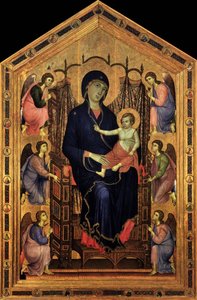
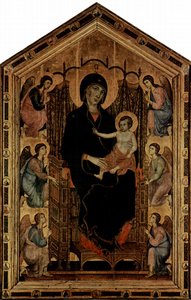
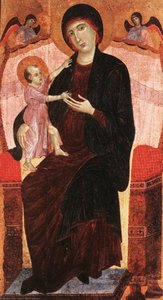
Die Werke von Duccio zeichnen sich durch die innovative Verwendung von Raum und Farbe aus, wie sie in seinem Meisterwerk die Rucellai Madonna (1285) zu sehen ist. Dieses Gemälde, das die Jungfrau Maria mit dem Christkind darstellt, umgeben von Engeln und Heiligen, zeigt Duccios einzigartigen Stil, der byzantinische Kunst mit neuen Techniken verbindet. Seine Verwendung von Modellierung und das Spiel mit Licht und Dunkelheit offenbaren Figuren unter schwerer Robenkleidung und schaffen so eine einladende und warme Atmosphäre.Bekannte Werke und Vermächtnis
Zu Duccios bekanntesten Werken gehören:- Maestó (Vorderteil, Kronpaneele), Abschied der Apostel (Gotik, Öl) – ein Zeugnis seines innovativen Ansatzes für Raum und Farbe.
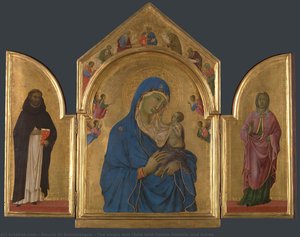
- Polyptych Nr. 28 (Die Heilige Jungfrau mit dem Christkind und vier Heiligen) (Gotik, Öl) – demonstriert Duccios Meisterschaft in der Komposition und Erzählung.
- Maestó (Rückseite, Unterbild), Versuchung auf einem Tempeldach (Gotik, Öl) – zeigt seine Fähigkeit, Licht und Dunkelheit auszugleichen.
Vermächtnis und Erinnerung
Trotz finanzieller Schwierigkeiten überwiegt Duccios künstlerisches Vermächtnis seine persönlichen Herausforderungen bei weitem. Seine Werke befinden sich in verschiedenen Museen und Galerien, darunter die Stadtgalerie Manchester, die zahlreiche Meisterwerke von renommierten Künstlern beherbergt. Anzeigen Sie Duccios di Buoninsegnas Kunstwerke auf ArtsDot.com Wikipedia: Duccio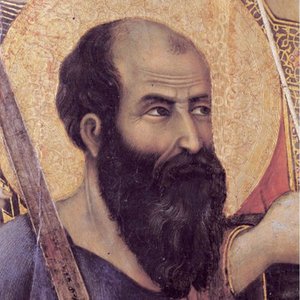
Duccio di Buoninsegna
1255 - 1319 , Italien
Kurzinfos
- Beeinflusste Künstler: ['Byzantinische Kunst']
- Bemerkenswerte Werke:
- Rucellai Madonna
- Maestà
- Flucht nach Ägypten
- Geburtsdatum: ca. 1255
- Geburtsort: Siena, Italien
- Künstlerische Bewegung: Trecento, Gotik
- Nationalität: Italienisch
- Sterbedatum: 1319
- Vollständiger Name: Duccio di Buoninsegna
- Von Ihm Beeinflusste Künstler: ['Sieneser Malerei']
Ähnliche Artikel

Giotto di Bondone: Die 25 Meisterwerke des Frührenaissance – Kunst für Ihr Zuhause
Entdecken Sie die 25 Meisterwerke von Giotto di Bondone! Erleben Sie die Frührenaissance, religiöse Kunst & ikonische Fresken wie in der Scrovegni Kapelle. Hochwertige Kunstdrucke online bei ArtsDot.com – für zeitlose Eleganz in Ihrem Zuhause.
Proto-Renaissance Meisterwerke: Die 10 Kunstwerke, die eine Epoche prägten | ArtsDot
Entdecken Sie die 10 prägendsten Meisterwerke der Proto-Renaissance! Von Giotto bis Duccio – erleben Sie die Geschichten, Techniken & zeitlose Schönheit italienischer Frührenaissance Kunst. Hochwertige Reproduktionen auf ArtsDot.com.

Spätmittelalterliche Meisterwerke: 10 Kunstwerke für Ihr Zuhause | ArtsDot
Entdecken Sie die 10 bedeutendsten Meisterwerke des Spätmittelalters! Erfahren Sie die Geschichten hinter Jan van Eyck, Rogier van der Weyden & mehr. Hochwertige Kunst Reproduktionen für Ihr Zuhause – jetzt auf ArtsDot.com!
The Radiant Dusk of Medieval Vision: Exploring Late Gothic Art's Synthesis of Faith, Form & Emotionality (c. 1300-1500)
Explore the exquisite beauty & spiritual depth of Late Gothic art (c. 1300-1500). Discover key artists, symbolism, and its lasting influence on the Renaissance. Expert insights at ArtsDot.
The Shadow of Faith: Exploring Gothic Art's Spiritual Intensity & Architectural Innovation
Explore the spiritual intensity & architectural innovation of Gothic art! Discover the symbolism behind cathedrals, stained glass & master artists like Giotto and Monet. A deep dive into medieval history & artistic expression.