 Vorschau anzeigen
 Versenden
 Teilen
 Details anzeigen

 Herunterladen
 Ähnliche Objekte
 Röntgenaufnahme
 Diashow
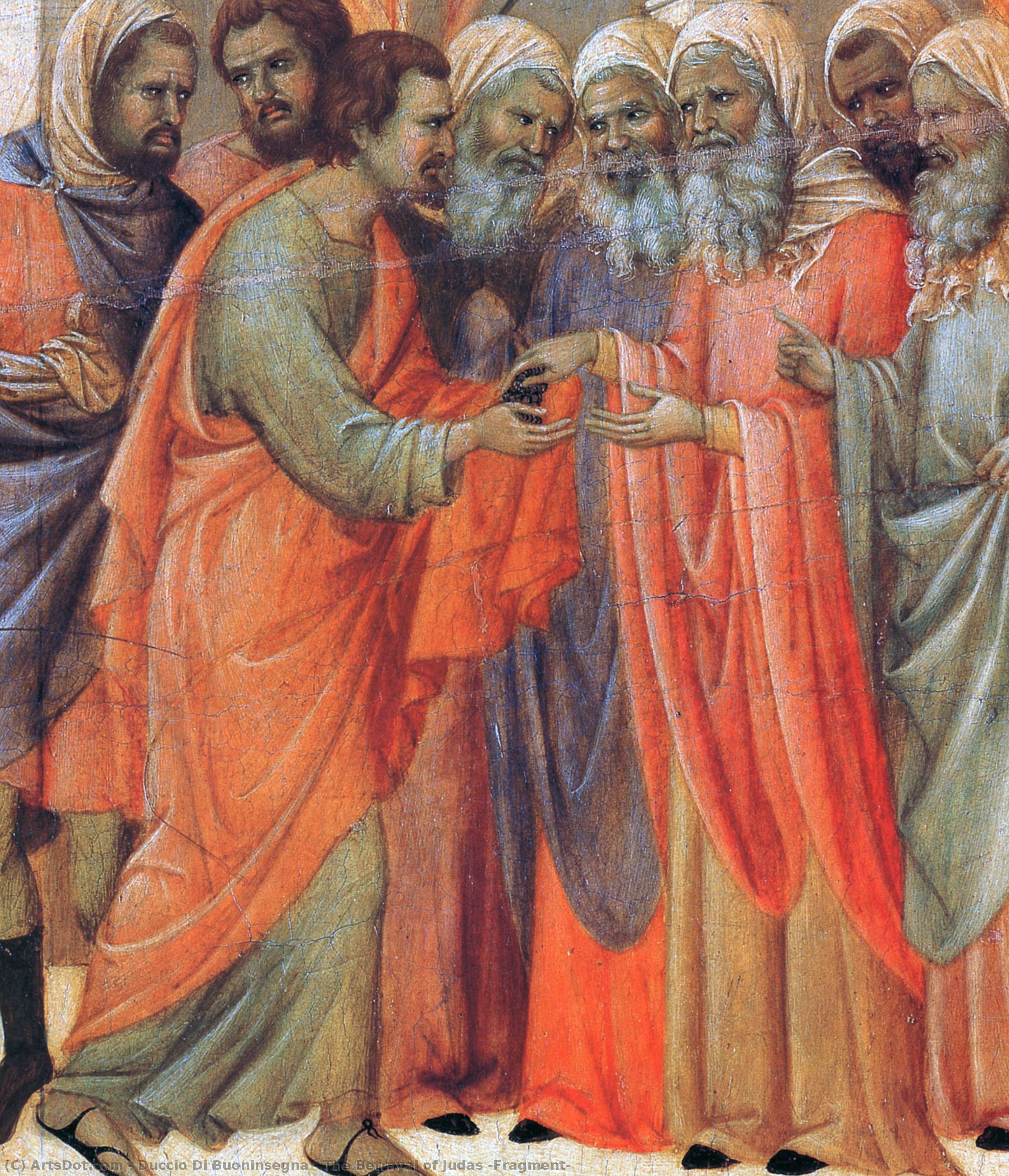
The Betrayal of Judas (Fragment)


 Weiterlesen
Handgefertigte Ölreproduktion
Handgemaltes Ölgemälde auf Leinwand in Ihrer Wunschgröße und mit Rahmen, auf Bestellung von unseren Künstlern angefertigt. ( Druck bestellen Bild kaufen)




P118B $10

P118H $10

P118W $10

P438Z $10

P508JH $12

P508YH $12

P805H $10

P805Z $10

P919BZ $10

P919G $10

P919XJ $10

P959ZH $10

P968JZ $12

W106C $8

W218G $10

W218JH $8

W218Y $10

W307PJ $10

W316G $10

W316PJ $8

W316Y $10

W398PJ $8

W4111J $10

W500HY $15

W500JH $15

W692G $12

W849H $8

W940BG $15

W953PJ $8




Wählen Sie aus unseren vordefinierten Formaten, die den ursprünglichen Proportionen des Kunstwerks entsprechen.

Sie können Ihre eigenen Maße eingeben, um einen bestimmten Rahmen oder Platz auszufüllen. Wenn die gewählte Größe nicht den Proportionen des Originalbildes entspricht, werden wir das Kunstwerk entweder beschneiden oder das Gemälde durch zusätzliche, handgemalte Elemente erweitern. Ein digitales Mockup wird Ihnen zur Genehmigung zugesandt, bevor die Produktion beginnt.
Bitte beachten Sie, dass die Bildschirmvorschau nicht die tatsächliche Beschneidung oder Erweiterung widerspiegelt. Nur das Mockup zeigt die endgültige Komposition exakt an.
Obwohl Sondermaße verfügbar sind, empfehlen wir, eine Größe aus der vordefinierten Liste zu wählen, um die ursprünglichen Proportionen beizubehalten.
Nach der Bestellung wird das ArtsDot.com-Team dem Kunden Anweisungen per E-Mail zusenden und eine Mockup-Vorschau bereitstellen.
Weltweiter Versand () in nur 3 bis 4 Wochen statt der üblichen 5 Wochen. (3 September). Keine Kompromisse bei der Qualität.

Kostenloser weltweiter Expressversand

Hochwertige Leinenleinwand

Umfassender Versicherungsschutz beim Versand

Zollgebühren-Rückerstattungsgarantie

Garantie für exakte Farbtreue

60 Tage Rückgaberecht (nur bei Mängeln)

100% Geld-zurück-Garantie

Mengenrabatt verfügbar
 Die Glasoption ist nur für Größen unter 110 cm verfügbar.

The Betrayal of Judas (Fragment)
Art der Reproduktion
Format der Reproduktion
-


Gesamtpreis
$ 263
A Fragment of Divine Drama: Exploring Duccio’s “The Betrayal of Judas”
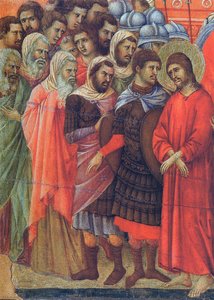
Duccio di Buoninsegna's "The Betrayal of Judas" (Fragment), painted circa 1311, represents more than just a depiction of biblical scripture; it embodies the burgeoning humanist spirit that was reshaping Italian art during its formative years. Created in Siena, this fresco fragment offers a glimpse into the artistic landscape of Tuscany at the dawn of the XIV century—a time marked by both profound religious devotion and an increasing fascination with portraying human emotion within sacred narratives. The painting’s enduring power lies not only in its meticulous execution but also in its subtle yet revolutionary stylistic choices that firmly established Duccio as one of the foremost artists of his era.- Subject Matter: The scene captures a pivotal moment from Christian tradition—the betrayal of Jesus by Judas Iscariot—a narrative central to the Gospels and symbolizing the fallibility of humanity alongside divine grace.
- Style & Technique: Duccio’s approach distinguishes itself from the prevailing Byzantine style through its embrace of naturalism. Unlike the stylized figures characteristic of Byzantine art, where proportions were often idealized and drapery rendered in geometric patterns, Duccio strives for greater realism, evident in the expressive faces of his subjects and the nuanced rendering of textures—particularly noticeable in the folds of Jesus’ robe.
The Fresco Medium: Innovation and Tradition
Frescoes—wall paintings executed directly onto wet plaster—were a dominant artistic medium throughout Europe during Duccio's lifetime. However, Duccio elevated this technique beyond mere decoration, utilizing it to convey profound spiritual meaning. The fresco process demanded careful planning and execution, necessitating precise pigment mixing and layering to achieve optimal adhesion and luminosity. This painstaking method ensured that the colors retained their vibrancy for centuries, preserving the artwork’s original impact on viewers.- Color Palette: Duccio employed a rich palette dominated by earthy tones—ochres, siennas, and umbers—reflecting the artistic conventions of Siena and emphasizing the solemnity of the subject matter. Yet, he skillfully juxtaposed these muted hues with brighter accents—particularly in the drapery—creating visual interest and enhancing the emotional resonance of the scene.
- Composition & Perspective: The fresco’s composition is carefully structured to guide the viewer's gaze toward Jesus at the center. Duccio subtly employs perspective, albeit rudimentary compared to later Renaissance developments, to create a sense of depth and spatial realism—a deliberate departure from the flattened planes favored by Byzantine iconography.
Symbolism & Emotional Impact: Humanity Embraced
Beyond its technical prowess, “The Betrayal of Judas” resonates deeply with viewers due to its profound symbolic significance. The figures surrounding Jesus—representing faith and loyalty—contrast sharply with Judas’s shadowy presence, embodying deceit and betrayal. Duccio's masterful portrayal captures the anguish and vulnerability experienced by Jesus during this agonizing moment, conveying a palpable sense of sorrow and compassion. This humanist sensibility—a hallmark of Duccio’s artistic vision—transformed religious art from an abstract contemplation of divine majesty into a deeply human experience.Ultimately, Duccio's “The Betrayal of Judas” stands as a testament to the transformative power of art—a fragment that encapsulates not only the stylistic innovations of its time but also the enduring quest for artistic expression that speaks across centuries. Its meticulous detail and emotive quality continue to inspire admiration and serve as a poignant reminder of humanity’s capacity for both profound faith and heartbreaking betrayal.
Ähnliche Kunstwerke
Über den Künstler
frühes Leben und Karriere
Duccio di Buoninsegna, ein renommierter italienischer Maler aus Siena, war in den späten 13. und frühen 14. Jahrhunderten tätig. Geboren im Jahr 1255, bleibt das persönliche Leben von Duccio in vielen Punkten ein Mysterium, wobei wenig über seinen Familienhintergrund oder seine frühe Lebenszeit bekannt ist. Dennoch sind seine Beiträge zur Trecento- und sienesischen Malstil gut dokumentiert.Künstlerischer Stil und Einflüsse
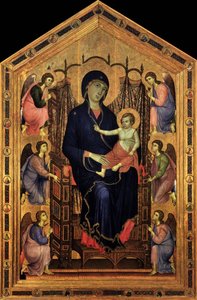
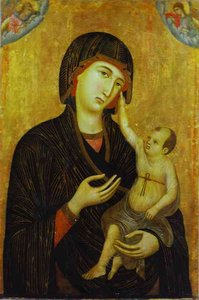
Die Werke von Duccio zeichnen sich durch die innovative Verwendung von Raum und Farbe aus, wie sie in seinem Meisterwerk die Rucellai Madonna (1285) zu sehen ist. Dieses Gemälde, das die Jungfrau Maria mit dem Christkind darstellt, umgeben von Engeln und Heiligen, zeigt Duccios einzigartigen Stil, der byzantinische Kunst mit neuen Techniken verbindet. Seine Verwendung von Modellierung und das Spiel mit Licht und Dunkelheit offenbaren Figuren unter schwerer Robenkleidung und schaffen so eine einladende und warme Atmosphäre.Bekannte Werke und Vermächtnis
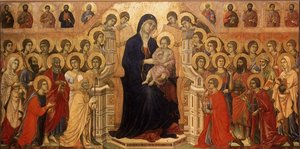
Zu Duccios bekanntesten Werken gehören:- Maestó (Vorderteil, Kronpaneele), Abschied der Apostel (Gotik, Öl) – ein Zeugnis seines innovativen Ansatzes für Raum und Farbe.
- Polyptych Nr. 28 (Die Heilige Jungfrau mit dem Christkind und vier Heiligen) (Gotik, Öl) – demonstriert Duccios Meisterschaft in der Komposition und Erzählung.
- Maestó (Rückseite, Unterbild), Versuchung auf einem Tempeldach (Gotik, Öl) – zeigt seine Fähigkeit, Licht und Dunkelheit auszugleichen.
Vermächtnis und Erinnerung
Trotz finanzieller Schwierigkeiten überwiegt Duccios künstlerisches Vermächtnis seine persönlichen Herausforderungen bei weitem. Seine Werke befinden sich in verschiedenen Museen und Galerien, darunter die Stadtgalerie Manchester, die zahlreiche Meisterwerke von renommierten Künstlern beherbergt. Anzeigen Sie Duccios di Buoninsegnas Kunstwerke auf ArtsDot.com Wikipedia: Duccio
Duccio di Buoninsegna
1255 - 1319 , Italien
Kurzinfos
- Beeinflusste Künstler: ['Byzantinische Kunst']
- Bemerkenswerte Werke:
- Rucellai Madonna
- Maestà
- Flucht nach Ägypten
- Geburtsdatum: ca. 1255
- Geburtsort: Siena, Italien
- Künstlerische Bewegung: Trecento, Gotik
- Nationalität: Italienisch
- Sterbedatum: 1319
- Vollständiger Name: Duccio di Buoninsegna
- Von Ihm Beeinflusste Künstler: ['Sieneser Malerei']
Ähnliche Artikel

Das Familienerbe an die Wand bringen: Wandgemälde als Generationenschatz
Verwandeln Sie Ihre Familiengeschichte in ein beeindruckendes Wandgemälde! Expertenrat & hochwertige Handwerkskunst für einzigartige Kunstwerke, die Generationen verbinden. Entdecken Sie jetzt!

The Enduring Legacy of Fresco Painting: Techniques, History & Contemporary Relevance
Explore the rich history & enduring artistry of fresco painting – from Giotto to Michelangelo! Discover techniques, conservation efforts, & modern applications. Learn how ArtsDot brings this timeless art form to your home.

The Enduring Legacy of Fresco: Technique, History & Artistic Expression Across Cultures
Explore the rich history & enduring legacy of fresco painting! Discover ancient techniques, Giotto's masterpieces, and modern applications. Expert insights for art lovers & professionals.
Meisterwerke des Hochmittelalters: 10 Kunstwerke für Ihr Zuhause | ArtsDot
Entdecken Sie die 10 bedeutendsten Meisterwerke des Hochmittelalters! Erfahren Sie Geschichten von Romanik, Gotik & berühmten Künstlern. Finden Sie hochwertige Reproduktionen für Ihr Zuhause auf ArtsDot.com.

Spätmittelalterliche Meisterwerke: 10 Kunstwerke für Ihr Zuhause | ArtsDot
Entdecken Sie die 10 bedeutendsten Meisterwerke des Spätmittelalters! Erfahren Sie die Geschichten hinter Jan van Eyck, Rogier van der Weyden & mehr. Hochwertige Kunst Reproduktionen für Ihr Zuhause – jetzt auf ArtsDot.com!