

 Vorschau anzeigen
 Versenden
 Teilen
 Details anzeigen

 Herunterladen
 Ähnliche Objekte
 Röntgenaufnahme
 Diashow
Virgen con niño y cuatro Santos 3


 Weiterlesen
Erwerben Sie ein hochauflösendes, optimiertes digitales Bild, das der Online-Vorschau weit überlegen ist.
Jede Datei wird von unseren hauseigenen Spezialisten mit modernsten Werkzeugen und fachmännischer manueller Retusche sorgfältig vorbereitet. Wir stellen sicher, dass jedes Bild eine außergewöhnliche Klarheit, präzise Farbgenauigkeit und feinste Details aufweist.
Die endgültige Datei wird innerhalb von 72 Stunden per E-Mail zugestellt und ist für den sofortigen Einsatz in professionellen, redaktionellen und Druckumgebungen optimiert. Es handelt sich um dieselbe Qualität, der führende Designstudios, Verlage und Galerien vertrauen.
Digitales Bild
Laden Sie eine hochauflösende Datei für die persönliche Präsentation, den Druck und kreative Projekte herunter. ( Druck bestellen Handgemalte Reproduktion bestellen)
In jeder Bestellung digitaler Bilder enthalten
Professionelle digitale Bereitstellung, garantiert
Wenn Sie sich für ArtsDot.com entscheiden, erhalten Sie nicht nur ein Bild – Sie erhalten ein professionell aufbereitetes digitales Kunstwerk, das mit höchster Präzision erstellt und durch eine Zufriedenheitsgarantie abgesichert wird. Hier ist alles, was automatisch mit Ihrer Bestellung geliefert wird:

Schnelle E-Mail-Zustellung
Ihre hochauflösende digitale Bilddatei wird Ihnen innerhalb von 72 Stunden nach der Bestellung per E-Mail zugestellt – bereit zur sofortigen Verwendung.

KI-optimierte digitale Datei
Ihre Kunstwerke werden professionell mithilfe fortschrittlicher KI-Tools und manueller Bearbeitung optimiert, um maximale Detailtreue, Klarheit und Farbgenauigkeit zu gewährleisten.

Lebenslanger kostenloser Neudruckservice
Datei versehentlich gelöscht oder verloren? Keine Sorge – wir senden sie Ihnen jederzeit kostenlos erneut zu.

Keine Einfuhrgebühren – jemals
Genießen Sie Ihr Kunstwerk sofort ohne Zollgebühren, Einfuhrabgaben oder Versandkosten – digitale Downloads sind immer steuerfrei.

Garantierte Farbtreue
Wir garantieren, dass Ihr digitales Bild mithilfe professioneller Werkzeuge und Farbmanagement die Originalfarben so präzise wie möglich wiedergibt.

60-Tage-Zufriedenheitsgarantie
Sollten Sie mit Ihrem digitalen Bild nicht zufrieden sein, werden wir es überarbeiten oder Ihnen innerhalb von 60 Tagen 100% erstatten – ohne Wenn und Aber.

100% Geld-zurück-Garantie
Nicht zufrieden? Erhalten Sie innerhalb von 60 Tagen nach Erhalt Ihrer digitalen Datei eine vollständige Rückerstattung – ohne Angabe von Gründen.

Rabatte bei Großbestellungen
3 Bilder kaufen, 10% sparen – 5 Bilder kaufen, 15% sparen – Ab 10 Bildern 20% sparen. Ideal für kreative Projekte, Galerien und Agenturen.
Details zum Sammlerstück
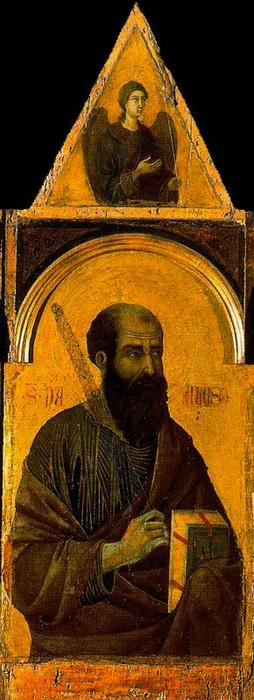
A Divine Encounter: The Soul of Sienese Mastery
In the quiet, hallowed halls of art history, few works capture the delicate transition from the rigid heavens of Byzantium to the tender humanity of the Italian Renaissance as poignantly as Duccio di Buoninsegna’s "Virgen con niño y cuatro Santos 3." This masterpiece is not merely a religious icon; it is a window into a transformative era where the divine began to take on recognizable, earthly warmth. At its heart, the composition presents a profound gathering of the sacred and the mortal. The central figures—the Virgin and Child—are surrounded by a celestial assembly of saints, creating a visual hierarchy that guides the viewer from the terrestrial realm toward the ethereal. The presence of an angelic figure hovering above, alongside the subtle, symbolic inclusion of birds, weaves a tapestry of spiritual interconnectedness that invites deep contemplation.
The emotional resonance of this work lies in its ability to bridge the gap between awe and intimacy. Unlike the austere, distant figures of earlier medieval traditions, Duccio imbues his subjects with a palpable sense of presence. One can almost feel the weight of the drapery and the quiet breath of the saints as they congregate. For the collector or the interior designer, this painting offers more than just aesthetic beauty; it provides an anchor of serenity. The way the light seems to emanately from within the figures themselves creates a luminous atmosphere that can transform a room into a space of sanctuary and reflection.
Technique and the Alchemy of Tempera
To behold this work is to witness the pinnacle of tempera on panel technique. Duccio, a master of the Sienese School, utilized the meticulous process of egg tempera to achieve a brilliance that has survived centuries. Each brushstroke was a deliberate act of devotion, layering fine pigments to create subtle gradations of tone and a rich, jewel-like color palette. The artist’s ability to manipulate light is particularly striking in the way he renders the flowing robes of the Virgin; the fabric possesses a weight and a sheen that suggest both material luxury and spiritual purity.
While the foundation of the piece remains rooted in the Byzantine tradition—evident in the stylized, iconic arrangement of the figures—Duccio’s innovation is found in his pursuit of naturalism. He introduces soft modeling and expressive gestures that breathe life into the saints. This delicate balance between the formal and the fluid is what makes a high-quality reproduction of this piece so captivating for modern spaces. The interplay of gold, deep blues, and warm flesh tones provides a sophisticated palette that complements both classical and contemporary decor, offering a timeless elegance that transcends fleeting trends.
A Legacy Written in Gold and Grace
The historical significance of "Virgen con niño y cuatro Santos 3" cannot be overstated. Created during the flourishing of Siena around 1295-1300, the painting emerged from a city experiencing an unprecedented cultural and economic renaissance. As Siena became a hub of artistic experimentation, Duccio stood at the forefront, leading a movement that would eventually pave the way for the giants of the High Renaissance. This work serves as a vital link in the evolution of Western art, documenting the moment when painters began to look more closely at the human form and the natural world through a lens of divine grace.
For those seeking to bring a piece of this profound history into their personal collection, a reproduction of Duccio’s work offers an opportunity to inhabit a moment of artistic revolution. It is a piece that speaks of stability, tradition, and the enduring human desire to connect with something greater than ourselves. Whether placed in a grand gallery or a quiet study, this painting remains a beacon of the Tuscan Renaissance, reminding us of the beauty found when the celestial meets the human spirit.
Ähnliche Kunstwerke
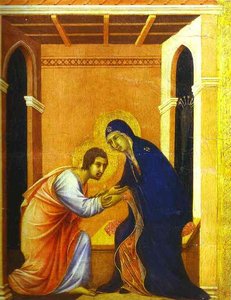
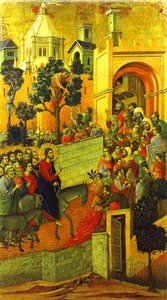
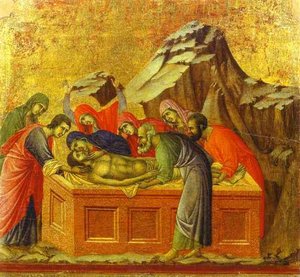
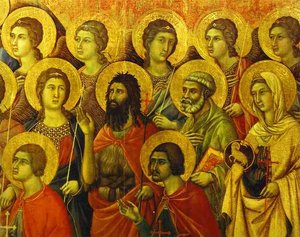
Biografie des Künstlers
frühes Leben und Karriere
Duccio di Buoninsegna, ein renommierter italienischer Maler aus Siena, war in den späten 13. und frühen 14. Jahrhunderten tätig. Geboren im Jahr 1255, bleibt das persönliche Leben von Duccio in vielen Punkten ein Mysterium, wobei wenig über seinen Familienhintergrund oder seine frühe Lebenszeit bekannt ist. Dennoch sind seine Beiträge zur Trecento- und sienesischen Malstil gut dokumentiert.Künstlerischer Stil und Einflüsse
Die Werke von Duccio zeichnen sich durch die innovative Verwendung von Raum und Farbe aus, wie sie in seinem Meisterwerk die Rucellai Madonna (1285) zu sehen ist. Dieses Gemälde, das die Jungfrau Maria mit dem Christkind darstellt, umgeben von Engeln und Heiligen, zeigt Duccios einzigartigen Stil, der byzantinische Kunst mit neuen Techniken verbindet. Seine Verwendung von Modellierung und das Spiel mit Licht und Dunkelheit offenbaren Figuren unter schwerer Robenkleidung und schaffen so eine einladende und warme Atmosphäre.Bekannte Werke und Vermächtnis
Zu Duccios bekanntesten Werken gehören:- Maestó (Vorderteil, Kronpaneele), Abschied der Apostel (Gotik, Öl) – ein Zeugnis seines innovativen Ansatzes für Raum und Farbe.
- Polyptych Nr. 28 (Die Heilige Jungfrau mit dem Christkind und vier Heiligen) (Gotik, Öl) – demonstriert Duccios Meisterschaft in der Komposition und Erzählung.
- Maestó (Rückseite, Unterbild), Versuchung auf einem Tempeldach (Gotik, Öl) – zeigt seine Fähigkeit, Licht und Dunkelheit auszugleichen.
Vermächtnis und Erinnerung
Trotz finanzieller Schwierigkeiten überwiegt Duccios künstlerisches Vermächtnis seine persönlichen Herausforderungen bei weitem. Seine Werke befinden sich in verschiedenen Museen und Galerien, darunter die Stadtgalerie Manchester, die zahlreiche Meisterwerke von renommierten Künstlern beherbergt. Anzeigen Sie Duccios di Buoninsegnas Kunstwerke auf ArtsDot.com Wikipedia: Duccio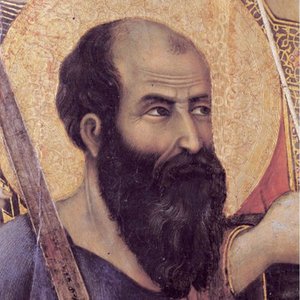
Duccio di Buoninsegna
1255 - 1319 , Italien
Kurzinfos
- Beeinflusste Künstler: ['Byzantinische Kunst']
- Bemerkenswerte Werke:
- Rucellai Madonna
- Maestà
- Flucht nach Ägypten
- Geburtsdatum: ca. 1255
- Geburtsort: Siena, Italien
- Künstlerische Bewegung: Trecento, Gotik
- Nationalität: Italienisch
- Sterbedatum: 1319
- Vollständiger Name: Duccio di Buoninsegna
- Von Ihm Beeinflusste Künstler: ['Sieneser Malerei']

