 Vorschau anzeigen
 Versenden
 Teilen
 Details anzeigen

 Herunterladen
 Ähnliche Objekte
 Röntgenaufnahme
 Diashow
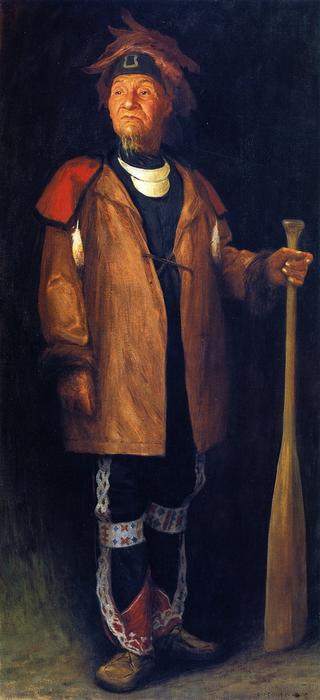
Chief David Shoppenegons


 Weiterlesen
Giclée / Kunstdruck
Giclée- oder Leinwanddruck in Museumsqualität mit schneller Produktion und flexiblen Veredelungsoptionen. ( Handgemalte Reproduktion bestellen Bild kaufen)




P118B $10

P118H $10

P118W $10

P438Z $10

P508JH $12

P508YH $12

P805H $10

P805Z $10

P919BZ $10

P919G $10

P919XJ $10

P959ZH $10

P968JZ $12

W106C $8

W218G $10

W218JH $8

W218Y $10

W307PJ $10

W316G $10

W316PJ $8

W316Y $10

W398PJ $8

W4111J $10

W500HY $15

W500JH $15

W692G $12

W849H $8

W940BG $15

W953PJ $8




Wählen Sie aus unseren vordefinierten Formaten, die den ursprünglichen Proportionen des Kunstwerks entsprechen.

Sie können Ihre eigenen Maße eingeben, um ein bestimmtes Format oder einen speziellen Platz einzupassen. Wenn das von Ihnen gewählte Format nicht den Proportionen des Originalbildes entspricht, werden wir das Kunstwerk entweder beschneiden oder das Bild mit einem gespiegelten oder einfarbigen Rand erweitern. Ein digitaler Entwurf wird Ihnen zur Genehmigung zugesandt, bevor die Produktion beginnt.
Bitte beachten Sie, dass die Vorschau auf dem Bildschirm nicht den tatsächlichen Zuschnitt oder die Erweiterung widerspiegelt. Nur der Entwurf zeigt die endgültige Komposition präzise an.
Obwohl Sondermaße verfügbar sind, empfehlen wir die Auswahl eines Maßes aus der vordefinierten Liste, um die ursprünglichen Proportionen zu bewahren.
Weltweiter Versand () innerhalb von 2 Wochen statt der üblichen 4/5 Wochen. (19 August)

Kostenloser weltweiter Expressversand

Hochwertige Leinenleinwand

Umfassender Versicherungsschutz beim Versand

Zollgebühren-Rückerstattungsgarantie

Garantie für exakte Farbtreue

60 Tage Rückgaberecht (nur bei Mängeln)

100% Geld-zurück-Garantie

Mengenrabatt verfügbar
 Die Glasoption ist nur für Größen unter 110 cm verfügbar.

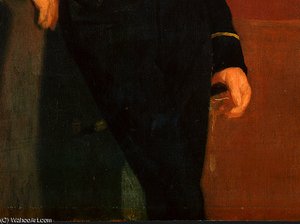
Chief David Shoppenegons
Giclée / Kunstdruck
Format der Reproduktion
-


Gesamtpreis
$ 62
Sammlerstück-Beschreibung
The Soul of the Southwest: Eanger Irving Couse’s “Chief David Shoppenegons”
Eanger Irving Couse's "Chief David Shoppenegons," painted in 1911, is more than just a portrait; it’s a profound meditation on cultural encounter and the enduring spirit of the American West. This arresting canvas, currently residing within the Detroit Institute of Arts, captures not merely a likeness but an essence—the quiet dignity and inherent wisdom of Chief David Shoppenegons, a prominent figure in the Chippewa tribe of Michigan. Couse’s decision to focus on this Native American subject was revolutionary for his time, reflecting a genuine desire to move beyond stereotypical depictions and instead offer a respectful portrayal rooted in observation and empathy.
Couse's artistic journey is inextricably linked to his fascination with the Chippewa people of Michigan. Born in Saginaw, he spent much of his childhood observing their traditions and customs, fostering a deep respect that profoundly shaped his artistic vision. This early exposure informed his approach to painting Native Americans – he didn’t simply sketch them; he sought to understand their lives, their beliefs, and their connection to the land. His time in Taos, New Mexico, further solidified this commitment, allowing him to immerse himself within a thriving artist community dedicated to capturing the beauty and complexity of Southwestern life.
A Masterclass in Impressionistic Detail
Technically, “Chief David Shoppenegons” exemplifies Couse’s signature style – a harmonious blend of academic training with the vibrant colors and loose brushwork characteristic of Impressionism. The painting is rendered in oil on canvas, utilizing a palette dominated by earthy tones—rich browns, ochres, and deep greens—that evoke the rugged landscape of the American Southwest. Couse masterfully employs broken color techniques, layering thin washes of paint to create a luminous effect, particularly noticeable in the folds of Shoppenegons’ coat and the dappled light filtering through the trees behind him. The brushstrokes are visible yet controlled, contributing to a sense of immediacy and movement.
The composition itself is carefully considered. Shoppenegons stands with a commanding presence, his posture conveying both strength and serenity. His gaze, directed slightly off-canvas, suggests contemplation and an awareness of the world around him. The dark background serves to isolate the figure, drawing attention to his face and emphasizing his connection to the land. Couse’s meticulous attention to detail—the texture of the fabric, the lines etched on Shoppenegons' face—adds a layer of realism that elevates the portrait beyond mere representation.
Symbolism and Cultural Resonance
Beyond its technical brilliance, “Chief David Shoppenegons” is rich in symbolic meaning. The staff or cane he holds represents his authority as a leader and his connection to the traditions of his people. The simple brown coat speaks to practicality and resilience – qualities deeply valued within Native American culture. More subtly, the setting—a sparsely wooded area—suggests a deep respect for nature, reflecting the interconnectedness between humans and the environment that is central to many indigenous belief systems.
It’s important to note that Couse's work was not without its complexities. While his intention was undoubtedly respectful, some critics have questioned whether fully capturing the nuances of Native American culture through a Western lens was truly possible. However, “Chief David Shoppenegons” remains a significant achievement—a testament to Couse’s artistic skill and his pioneering efforts to bridge cultural divides through art.
Bringing "Chief David Shoppenegons" into Your Space
Reproductions of “Chief David Shoppenegons” offer a beautiful way to bring the spirit of the Southwest into your home or office. Whether you choose a hand-painted reproduction or a high-quality print, this iconic image will serve as a constant reminder of the beauty and resilience of Native American culture. Its evocative colors and powerful composition make it an ideal addition to any room—a conversation starter and a source of inspiration. Consider framing it in a natural wood frame to further enhance its connection to the landscape.
For those seeking more information about Eanger Irving Couse and his work, we encourage you to explore the resources listed below:
Ähnliche Kunstwerke

Über den Künstler
Frühes Leben und Ausbildung
- Geboren: 3. September 1866, Saginaw, Michigan
- Gestorben: 26. April 1936
- Herkunft: Saginaw, Vereinigte Staaten von Amerika
- Frühes Interesse an den Kulturen der amerikanischen Ureinwohner entwickelte sich während seiner Kindheit in der Nähe von Chippewa-Stämmen.
- Besuchte kurz das Art Institute of Chicago und anschließend die National Academy of Design in New York City.
- Studierte zehn Jahre lang an der École des Beaux-Arts und der Académie Julian unter William-Adolphe Bouguereau in Paris. Malte hauptsächlich Landschaftsbilder der normannischen Küste.
Künstlerische Karriere und Entwicklung
- Nach seiner Rückkehr in die Vereinigten Staaten verbrachte er Zeit in New York City und malte im Sommer an verschiedenen Orten.
- Ab etwa 1898 begann er, jeden Sommer in Taos, New Mexico, zu verbringen.
- Er studierte und malte das Leben und die Kultur der Taos-Indianer.
- Wurde 1915 Gründungsmitglied und erster Präsident der Taos Society of Artists.
- Entwickelte einen unverwechselbaren Stil, der das Leben der amerikanischen Ureinwohner darstellt und oft friedliche und idyllische Szenen betont.
- Seine Arbeit wurde von seiner akademischen Ausbildung in Paris und seinen Beobachtungen der Kultur der amerikanischen Ureinwohner beeinflusst.
Hauptwerke und Anerkennung
- Elk-foot of the Taos Tribe: Gilt als sein Meisterwerk, erworben für die nationale Kunstsammlung der Vereinigten Staaten.
- The Captive: Frühe Arbeit mit einem Thema der amerikanischen Ureinwohner, ausgestellt im Pariser Salon 1892.
- Zahlreiche Gemälde in Auftrag gegeben von der Santa Fe Railway zwischen 1914 und 1936, verwendet als Werbematerial.
- Erhielt Auszeichnungen verschiedener Institutionen, darunter die National Academy of Design (Altman Prize), Salmagundi Club (Isidor Prize) und Pennsylvania Academy of Fine Arts (Lippincott Prize).
- Seine Werke befinden sich in vielen Museen in den Vereinigten Staaten und international.
Historische Bedeutung und Vermächtnis
- Leistete einen bedeutenden Beitrag zur Entwicklung der amerikanischen Westernkunst, insbesondere bei Darstellungen der amerikanischen Ureinwohner.
- Trug dazu bei, Taos als wichtiges Kunstzentrum zu etablieren.
- Seine Darstellung des Lebens der amerikanischen Ureinwohner bot eine Perspektive, die sich von den damals üblichen stereotypen Darstellungen unterschied.
- Das Eanger Irving Couse Haus und Atelier – Joseph Henry Sharp Studios steht auf der National Register of Historic Places und bewahrt sein Vermächtnis für zukünftige Generationen.
- Seine Arbeit wird weiterhin ausgestellt und studiert und bietet Einblicke in die amerikanische Kunstgeschichte und kulturelle Darstellung.
Persönliches Leben
- Vermählte sich 1889 mit Virginia Walker.
- Hatte einen Sohn, Kibbey Couse.
- Virginia spielte eine bedeutende Rolle bei der Unterstützung seiner künstlerischen Karriere und gab kritisches Feedback.
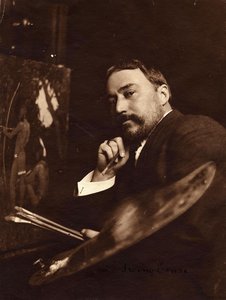
Eanger Irving Couse
1866 - 1936 , Vereinigte Staaten von Amerika
Kurzinfos
- Bemerkenswerte Werke:
- Elk-foot of the Taos Tribe
- Taos pueblo - moonlight
- The captive
- Einflussreiche Künstler:
- William-Adolphe Bouguereau
- Tony Robert Fleury
- Geburtsdatum: 3. September 1866
- Geburtsort: Saginaw, Vereinigte Staaten
- Künstlerische Richtung: Impressionismus
- Nationalität: Amerikanisch
- Sterbedatum: 26. April 1936
- Vollständiger Name: Eanger Irving Couse
Ähnliche Artikel
Eanger Irving Couse: Tradition und Moderne im amerikanischen Südwesten – Ein Künstler zwischen Welten
Entdecken Sie das faszinierende Werk von Eanger Irving Couse, einem Pionier der Taos Society of Artists! Erfahren Sie mehr über seine Darstellung des amerikanischen Westens, seinen Stil und sein Vermächtnis. Expertenwissen & hochwertige Reproduktionen.
Grant Wood und der amerikanische Regionalismus: Identität, Mythos und die ländliche Landschaft
Entdecken Sie Grant Wood und den amerikanischen Regionalismus! Erfahren Sie mehr über 'American Gothic', Woods Leben, Einflüsse und sein Vermächtnis in der Kunstgeschichte. Expertenwissen & hochwertige Reproduktionen.
Joseph Henry Sharp: Capturing the Spirit of the Plains – Life, Art & Legacy
Explore the life & art of Joseph Henry Sharp, a founding member of the Taos Society of Artists renowned for his realistic depictions of Native American culture and Western landscapes. Discover his legacy with ArtsDot.

James Otto Lewis: Navigating American Modernism Through Regional Identity & Stylistic Innovation
Explore the captivating portraits of James Otto Lewis, a pivotal figure bridging 19th-century realism & American Modernism. Discover his groundbreaking work documenting Native American culture and regional identity.

Amerikanischer Realismus: Die 10 Meisterwerke, die eine Ära prägten | ArtsDot
Entdecken Sie die 10 Meisterwerke des Amerikanischen Realismus! Von Edward Hopper bis Winslow Homer – erleben Sie die Geschichten, Techniken & zeitlose Schönheit. Hochwertige Kunstdrucke auf ArtsDot.com.