

 Vorschau anzeigen
 Versenden
 Teilen
 Details anzeigen

 Herunterladen
 Ähnliche Objekte
 Röntgenaufnahme
 Diashow
 Stats
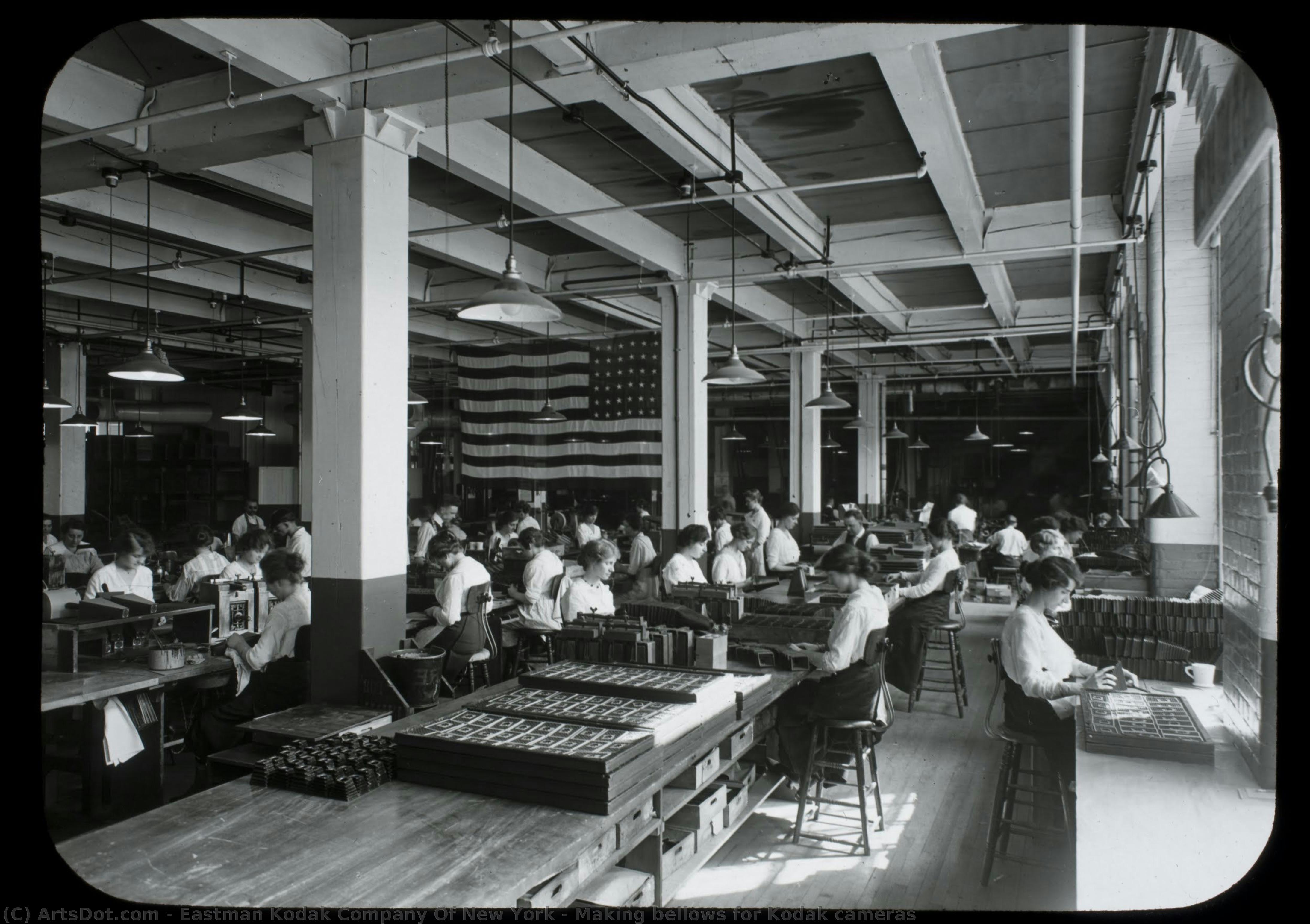
StatsMaking bellows for Kodak cameras


 Weiterlesen
Erwerben Sie ein hochauflösendes, optimiertes digitales Bild, das der Online-Vorschau weit überlegen ist.
Jede Datei wird von unseren hauseigenen Spezialisten mit modernsten Werkzeugen und fachmännischer manueller Retusche sorgfältig vorbereitet. Wir stellen sicher, dass jedes Bild eine außergewöhnliche Klarheit, präzise Farbgenauigkeit und feinste Details aufweist.
Die endgültige Datei wird innerhalb von 72 Stunden per E-Mail zugestellt und ist für den sofortigen Einsatz in professionellen, redaktionellen und Druckumgebungen optimiert. Es handelt sich um dieselbe Qualität, der führende Designstudios, Verlage und Galerien vertrauen.
Digitales Bild
Laden Sie eine hochauflösende Datei für die persönliche Präsentation, den Druck und kreative Projekte herunter. ( Switch to Print Handgemalte Reproduktion bestellen)
In jeder Bestellung digitaler Bilder enthalten
Professionelle digitale Bereitstellung, garantiert
Wenn Sie sich für ArtsDot.com entscheiden, erhalten Sie nicht nur ein Bild – Sie erhalten ein professionell aufbereitetes digitales Kunstwerk, das mit höchster Präzision erstellt und durch eine Zufriedenheitsgarantie abgesichert wird. Hier ist alles, was automatisch mit Ihrer Bestellung geliefert wird:

Schnelle E-Mail-Zustellung
Ihre hochauflösende digitale Bilddatei wird Ihnen innerhalb von 72 Stunden nach der Bestellung per E-Mail zugestellt – bereit zur sofortigen Verwendung.

KI-optimierte digitale Datei
Ihre Kunstwerke werden professionell mithilfe fortschrittlicher KI-Tools und manueller Bearbeitung optimiert, um maximale Detailtreue, Klarheit und Farbgenauigkeit zu gewährleisten.

Lebenslanger kostenloser Neudruckservice
Datei versehentlich gelöscht oder verloren? Keine Sorge – wir senden sie Ihnen jederzeit kostenlos erneut zu.

Keine Einfuhrgebühren – jemals
Genießen Sie Ihr Kunstwerk sofort ohne Zollgebühren, Einfuhrabgaben oder Versandkosten – digitale Downloads sind immer steuerfrei.

Garantierte Farbtreue
Wir garantieren, dass Ihr digitales Bild mithilfe professioneller Werkzeuge und Farbmanagement die Originalfarben so präzise wie möglich wiedergibt.

100-Tage-Zufriedenheitsgarantie
Wenn Sie mit Ihrem digitalen Bild nicht zufrieden sind, werden wir es überarbeiten oder 100% innerhalb von 100 Tagen erstatten – ohne Wenn und Aber.

100% Geld-zurück-Garantie
Nicht zufrieden? Erhalten Sie innerhalb von 100 Tagen nach Erhalt Ihrer digitalen Datei eine vollständige Rückerstattung – ohne Wenn und Aber.

Rabatte bei Großbestellungen
3 Bilder kaufen, 10% sparen – 5 Bilder kaufen, 15% sparen – Ab 10 Bildern 20% sparen. Ideal für kreative Projekte, Galerien und Agenturen.
Ähnliche Kunstwerke










Biografie des Künstlers
The Unexpected Canvas: Eastman Kodak Company of New York and the Democratization of Imagery
It seems paradoxical to consider a corporation, synonymous with photographic technology, as an artist in its own right. Yet, the Eastman Kodak Company of New York, through its relentless innovation and widespread distribution of cameras and film, fundamentally altered how we perceive and interact with the world – effectively becoming a pivotal force in shaping visual culture. To understand this unique artistic legacy, one must move beyond the traditional notion of individual authorship and embrace the concept of collective creation, where technology itself serves as the medium and the masses become the artists. Founded in 1888 by George Eastman, Kodak wasn’t initially conceived as a purveyor of art supplies, but rather as a solution to a practical problem: simplifying photography for everyone. Before Kodak, capturing an image was a laborious process reserved for professionals with specialized knowledge and equipment. Eastman's vision – “You press the button, we do the rest” – democratized the field, placing the power of visual representation into the hands of ordinary people.From Brownie to Global Phenomenon: The Rise of Snapshot Aesthetics
The introduction of the Kodak Brownie camera in 1900 marked a turning point. Affordable and user-friendly, it ignited a global passion for amateur photography. Suddenly, families documented their vacations, everyday life, and personal milestones with unprecedented frequency. This wasn’t about achieving technical perfection; it was about capturing moments, preserving memories, and sharing experiences. The resulting aesthetic – often characterized by candid compositions, soft focus, and a distinctly personal perspective – became known as “snapshot aesthetics.” While initially dismissed by the established art world, this style gradually gained recognition for its authenticity and emotional resonance. Kodak’s influence extended beyond simply providing the tools; their marketing campaigns actively encouraged participation, fostering a sense of community among amateur photographers. They sponsored contests, published how-to guides, and even created dedicated processing labs to facilitate the entire photographic process. This holistic approach solidified Kodak's role not just as a manufacturer but as an enabler of visual expression.Technological Innovation as Artistic Catalyst
Kodak’s artistic impact wasn’t limited to the Brownie. Throughout the 20th century, the company consistently pushed the boundaries of photographic technology, introducing innovations that further expanded creative possibilities. The development of color film in the 1930s brought a new vibrancy and realism to amateur photography, while advancements in film speed allowed for capturing images in low-light conditions. Each technological leap unlocked new avenues for visual storytelling. The company’s commitment to research and development wasn't merely about improving image quality; it was about empowering photographers to see the world differently. The introduction of instant photography with the Polaroid cameras (though a competitor, Kodak quickly followed suit) further blurred the lines between creation and consumption, offering immediate gratification and fostering a more spontaneous approach to visual art.A Legacy Beyond Silver Halide: Shaping Modern Visual Culture
The rise of digital photography in the late 20th and early 21st centuries presented a significant challenge to Kodak’s dominance. While initially slow to adapt, the company eventually embraced digital technology, recognizing its potential for further innovation. However, the shift from silver halide film to digital sensors marked a profound change in the landscape of visual culture. Kodak's initial reluctance highlights a crucial point: their artistic legacy isn’t solely defined by the materials they produced but by the cultural impact they initiated. Even as the company faced financial difficulties, its influence continued to permeate modern art and photography. The snapshot aesthetic pioneered by Kodak became a foundational element of contemporary visual language, influencing everything from documentary photography to social media imagery. Today, the ubiquity of smartphone cameras – arguably a direct descendant of the Brownie – stands as a testament to Kodak’s enduring vision: making image-making accessible to everyone.The Enduring Influence and Historical Significance
Eastman Kodak Company of New York's contribution transcends the realm of commercial enterprise; it represents a fundamental shift in how we understand authorship, creativity, and visual representation. By democratizing photography, they empowered generations to document their lives, share their perspectives, and shape our collective memory.- The company’s innovations spurred countless artistic movements and influenced the development of modern art.
- Kodak's marketing strategies fostered a sense of community among amateur photographers, creating a vibrant visual culture.
- The snapshot aesthetic, initially dismissed by the art world, became a foundational element of contemporary visual language.
- Their legacy continues to resonate in the ubiquity of digital photography and social media imagery.
