 Vorschau anzeigen
 Versenden
 Teilen
 Details anzeigen

 Herunterladen
 Ähnliche Objekte
 Röntgenaufnahme
 Diashow
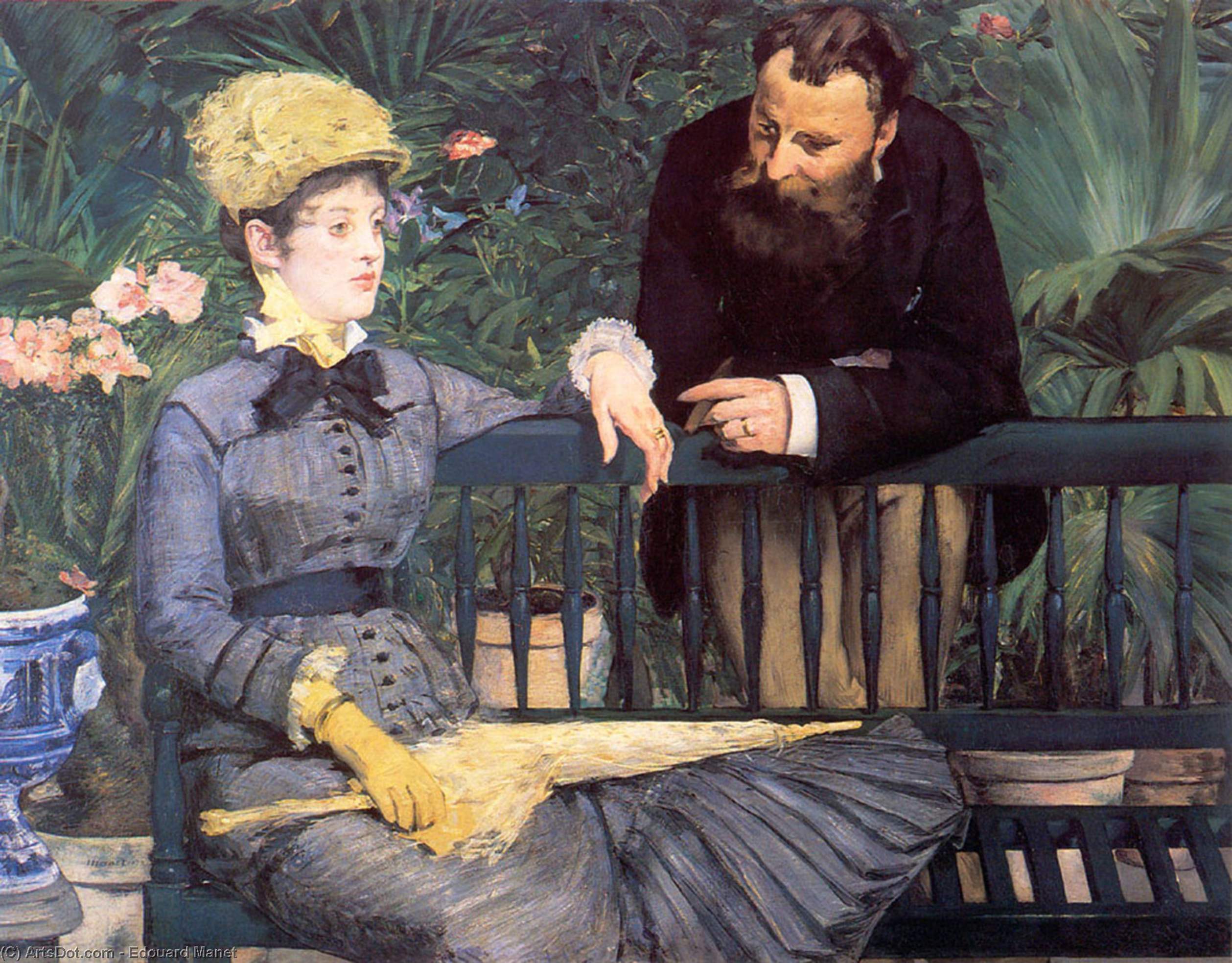
Im Wintergarten-Studie von und Mme Jules Guillemet

 Weiterlesen
Handgefertigte Ölreproduktion
Handgemaltes Ölgemälde auf Leinwand in Ihrer Wunschgröße und mit Rahmen, auf Bestellung von unseren Künstlern angefertigt. ( Druck bestellen Bild kaufen)




P118B $10

P118H $10

P118W $10

P438Z $10

P508JH $12

P508YH $12

P805H $10

P805Z $10

P919BZ $10

P919G $10

P919XJ $10

P959ZH $10

P968JZ $12

W106C $8

W218G $10

W218JH $8

W218Y $10

W307PJ $10

W316G $10

W316PJ $8

W316Y $10

W398PJ $8

W4111J $10

W500HY $15

W500JH $15

W692G $12

W849H $8

W940BG $15

W953PJ $8




Wählen Sie aus unseren vordefinierten Formaten, die den ursprünglichen Proportionen des Kunstwerks entsprechen.

Sie können Ihre eigenen Maße eingeben, um einen bestimmten Rahmen oder Platz auszufüllen. Wenn die gewählte Größe nicht den Proportionen des Originalbildes entspricht, werden wir das Kunstwerk entweder beschneiden oder das Gemälde durch zusätzliche, handgemalte Elemente erweitern. Ein digitales Mockup wird Ihnen zur Genehmigung zugesandt, bevor die Produktion beginnt.
Bitte beachten Sie, dass die Bildschirmvorschau nicht die tatsächliche Beschneidung oder Erweiterung widerspiegelt. Nur das Mockup zeigt die endgültige Komposition exakt an.
Obwohl Sondermaße verfügbar sind, empfehlen wir, eine Größe aus der vordefinierten Liste zu wählen, um die ursprünglichen Proportionen beizubehalten.
Nach der Bestellung wird das ArtsDot.com-Team dem Kunden Anweisungen per E-Mail zusenden und eine Mockup-Vorschau bereitstellen.
Weltweiter Versand () in nur 3 bis 4 Wochen statt der üblichen 5 Wochen. (23 August). Keine Kompromisse bei der Qualität.

Kostenloser weltweiter Expressversand

Hochwertige Leinenleinwand

Umfassender Versicherungsschutz beim Versand

Zollgebühren-Rückerstattungsgarantie

Garantie für exakte Farbtreue

60 Tage Rückgaberecht (nur bei Mängeln)

100% Geld-zurück-Garantie

Mengenrabatt verfügbar
 Die Glasoption ist nur für Größen unter 110 cm verfügbar.

Im Wintergarten-Studie von und Mme Jules Guillemet
Art der Reproduktion
Format der Reproduktion
-


Gesamtpreis
$ 263
Beschreibung des Kunstwerks
Das intime Bild von Manets Salon – Ein Moment der Ruhe und des Genusses
Édouard Manet’s “In the Conservatory Study of and Mme Jules Guillemet” is more than just a portrait; it's a carefully constructed tableau vivant, a snapshot of Parisian bourgeois life frozen in time. Painted around 1873-74, this work offers a rare glimpse into the private world of a wealthy couple, capturing an atmosphere of relaxed intimacy within the confines of their luxurious conservatory. The painting immediately draws the viewer in with its muted palette – predominantly greens, browns, and ochres – creating a sense of warmth and seclusion, as if stepping into a secret garden.
- The Subjects: At the heart of the composition are Mme Jules Guillemet and her companion, whose identity remains somewhat enigmatic. Their posture, with their arms intertwined and heads slightly bowed towards each other, speaks volumes about their connection – a quiet understanding that transcends mere formality. The gentleman’s attire, a dark suit and tie, reflects his social standing, while Mme Guillemet's elegant dress hints at her wealth and refinement.
- Setting the Scene: The conservatory itself is a crucial element of the painting. It’s not merely a backdrop; it actively contributes to the mood. Potted plants – ferns, palms, and flowering shrubs – are strategically placed, suggesting an appreciation for nature and a cultivated aesthetic. A vase with flowers and a simple cup add touches of domesticity and luxury.
Manets Stil und seine Brüche mit Tradition
“In the Conservatory Study” is firmly rooted in Manet’s distinctive style, which represented a significant departure from the academic traditions prevalent at the time. He deliberately eschewed meticulous detail and idealized forms, opting instead for a looser, more painterly approach. Notice how he employs broad brushstrokes to capture the texture of the fabrics and the dappled light filtering through the conservatory windows. This technique, reminiscent of Caravaggio’s use of chiaroscuro, creates a dramatic interplay of light and shadow, adding depth and realism to the scene.
Manet was fascinated by modern life and sought to depict it with honesty and immediacy. He wasn't interested in glorifying historical events or mythological subjects; instead, he focused on capturing the everyday experiences of ordinary people – a trend that would later influence Impressionism. His use of unvarnished realism, particularly in portraying his sitters’ faces, was considered quite radical for its time.
Symbolik und die Interpretation des Augenblicks
Beyond the immediate depiction of a couple enjoying each other's company, “In the Conservatory Study” is rich with symbolic meaning. The conservatory itself can be interpreted as a microcosm of their privileged world – a carefully controlled environment designed to offer respite from the bustling streets of Paris. The plants represent growth, prosperity, and an appreciation for beauty. The quiet intimacy between the figures suggests a shared understanding and a comfortable companionship built on mutual respect.
However, there’s also a subtle undercurrent of melancholy in the painting. The subdued lighting and the couple's slightly melancholic expressions hint at the fragility of happiness and the fleeting nature of time. Manet masterfully captures not just a moment but an *atmosphere* – a feeling of quiet contemplation and understated elegance.
Die Bedeutung für die Kunstgeschichte und Reproduktionen
“In the Conservatory Study of and Mme Jules Guillemet” is considered one of Manet’s most important works, representing a pivotal moment in his artistic development. It exemplifies his willingness to challenge conventional notions of portraiture and explore new ways of depicting modern life. Today, reproductions of this captivating painting offer an exceptional opportunity to bring this intimate scene into your home or office – a testament to Manet's enduring legacy and his ability to capture the essence of human connection.
Ähnliche Kunstwerke
Über den Künstler
frühes Leben und Karriere
Édouard Manet, ein französischer modernistischer Maler, wurde am 23. Januar 1832 in Paris geboren. Er widersetzte sich seinen bürgerlichen Wurzeln und einem vorgezeichneten Seekriegspfad und etablierte sich als mutiger französischer Modernist, dessen Leinwände die Lebendigkeit des 19. Jahrhunderts einfingen. Er wird weithin für seine Rolle bei der Pionierarbeit des Impressionismus gelobt, der die Kunst von der Malerei in unbekannte Gebiete lenkte.Bekannte Werke
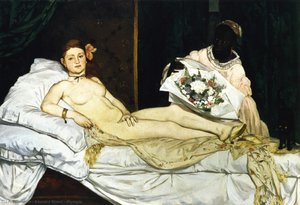
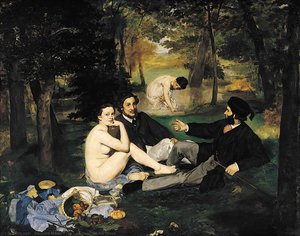
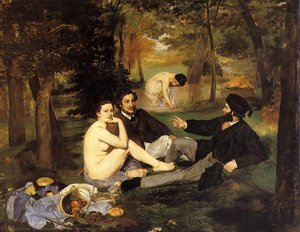
Manets frühe Meisterwerke, Das Picknick auf der Wiese (Le déjeuner sur l'herbe) (1863) und Olympia (1865), waren radikal, stellten künstlerische Normen in Frage und lösten Empörung bei Traditionalisten aus. Diese provokanten Werke wurden von fortschrittlichen Kollegen anerkannt und säten die Saat des Impressionismus. * Das Picknick auf der Wiese (Le déjeuner sur l'herbe) (1863) - ein Gemälde, das sowohl bei Kritikern als auch bei der Kunstakademie für Kontroversen sorgte. * Olympia (1865) – ein Werk, das aufgrund seiner Darstellung einer nackten weißen Frau in Begleitung einer schwarzen Dienstmädchen große Aufregung auslöste.Museen und Sammlungen
Manets Werke befinden sich in verschiedenen Museen auf der ganzen Welt, darunter: * Musée d'Orsay (Paris, Frankreich) – beherbergt eine umfangreiche Sammlung von Manets Gemälden, darunter Olympia. * Museum of Fine Arts (Boston, USA) – zeigt Manets Porträt von Victorine Meurent, ein bemerkenswertes Werk seines Oeuvres.Vermächtnis und Einfluss
Manets innovativer Stil, der durch breite, schnelle Pinselstriche, Studiobeleuchtung und geringe Tiefenwirkung gekennzeichnet ist, hat zukünftige Maler maßgeblich beeinflusst. Sein Vermächtnis kann in den Werken zahlreicher Künstler gesehen werden, die auf seinen Füßen folgen.- Impressionismus: Seine Pionierarbeit in diesem Stil hat ihn zu einer bekannten Figur unter Kunstliebhabern gemacht.
- Realismus: Seine Ablehnung traditioneller realistischer Ansätze ebnete den Weg für eine neue Generation von Künstlern.
- Moderne Kunst: Manets Beiträge zur Entwicklung der modernen Kunst sind unbestreitbar und festigen seinen Platz in den Annalen der Kunstgeschichte.
Weitere Literatur und Erkundung
* Entdecken Sie mehr über das Leben und Werk von Édouard Manet auf ArtsDot. * Erkunden Sie die Musée d'Orsay Sammlung, die eine umfangreiche Auswahl von Manets Gemälden, darunter Olympia, auf ArtsDot’s Museum Seite bietet.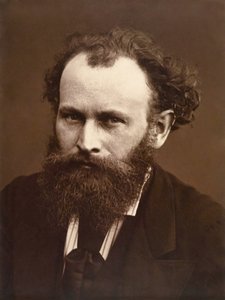
Édouard Manet
1832 - 1883 , Frankreich
Kurzinfos
- Beeinflusste Künstler:
- Claude Monet
- Pierre-Auguste Renoir
- Edgar Degas
- Bemerkenswerte Werke:
- Le Déjeuner sur l'herbe
- Olympia
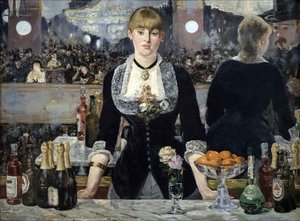
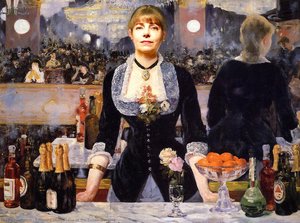
- A Bar at the Folies-Bergère
- Einflussreiche Künstler:
- Caravaggio
- Diego Velázquez
- Gustave Courbet
- Geburtsdatum: 23. Januar 1832
- Geburtsort: Paris, Frankreich
- Künstlerische Richtung: Impressionismus, Realismus
- Nationalität: Französisch
- Todatum: 1883
- Vollständiger Name: Édouard Manet
Ähnliche Artikel
Édouard Manet: Die 25 Meisterwerke des Impressionismus für Ihr Zuhause | ArtsDot
Entdecken Sie die 25 Meisterwerke von Édouard Manet! Tauchen Sie ein in Impressionismus, Pariser Leben & revolutionäre Kunst. Hochwertige Reproduktionen für Ihr Zuhause – jetzt auf ArtsDot.com!
Cultivating Paradise: A Historical & Artistic Exploration of Gardens in Painting
Explore the rich history of gardens in painting! Discover masterpieces from Renaissance to Impressionism & beyond. Learn about symbolism, artists like Monet & Klimt, and find your perfect artwork at ArtsDot.
Impressionismus: Die 10 Meisterwerke, die eine Kunstbewegung prägten |
Entdecken Sie die 10 Meisterwerke des Impressionismus! Von Monet bis Renoir – erfahren Sie die Geschichten hinter berühmten Gemälden & ihre einzigartigen Techniken. Kunstdrucke in Museumsqualiät auf .

Impressionismus Meisterwerke: Die Top 10 Kunstwerke für Ihr Zuhause | ArtsDot
Entdecken Sie die Top 10 Meisterwerke des Impressionismus! Von Monet bis Renoir – erfahren Sie die Geschichten hinter berühmten Gemälden, Techniken & Farben. Hochwertige Kunstdrucke auf ArtsDot.com.

Impressionismus: Die 10 Meisterwerke, die eine Kunstbewegung prägten | ArtsDot
Entdecken Sie die 10 Meisterwerke des Impressionismus! Von Monet bis Renoir – erleben Sie die Geschichten, Techniken & Farben berühmter Künstler. Kunstdrucke in Museumsqualiät auf ArtsDot.com.