 Vorschau anzeigen
 Versenden
 Teilen
 Details anzeigen

 Herunterladen
 Ähnliche Objekte
 Röntgenaufnahme
 Diashow
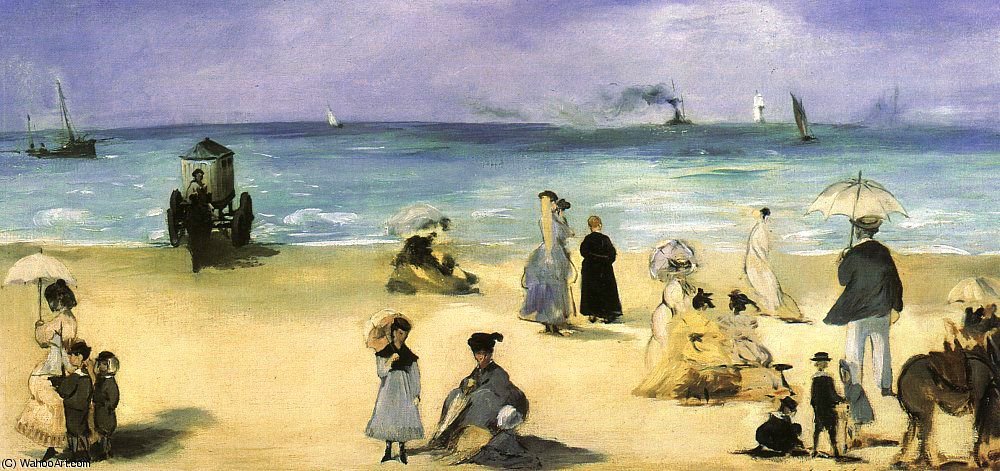
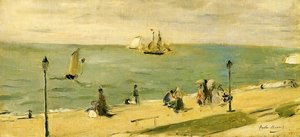
On the Beach at Boulogne, Virginia Museum of Fine Arts


 Weiterlesen
Giclée / Kunstdruck
Giclée- oder Leinwanddruck in Museumsqualität mit schneller Produktion und flexiblen Veredelungsoptionen. ( Handgemalte Reproduktion bestellen Bild kaufen)




P118B $10

P118H $10

P118W $10

P438Z $10

P508JH $12

P508YH $12

P805H $10

P805Z $10

P919BZ $10

P919G $10

P919XJ $10

P959ZH $10

P968JZ $12

W106C $8

W218G $10

W218JH $8

W218Y $10

W307PJ $10

W316G $10

W316PJ $8

W316Y $10

W398PJ $8

W4111J $10

W500HY $15

W500JH $15

W692G $12

W849H $8

W940BG $15

W953PJ $8




Wählen Sie aus unseren vordefinierten Formaten, die den ursprünglichen Proportionen des Kunstwerks entsprechen.

Sie können Ihre eigenen Maße eingeben, um ein bestimmtes Format oder einen speziellen Platz einzupassen. Wenn das von Ihnen gewählte Format nicht den Proportionen des Originalbildes entspricht, werden wir das Kunstwerk entweder beschneiden oder das Bild mit einem gespiegelten oder einfarbigen Rand erweitern. Ein digitaler Entwurf wird Ihnen zur Genehmigung zugesandt, bevor die Produktion beginnt.
Bitte beachten Sie, dass die Vorschau auf dem Bildschirm nicht den tatsächlichen Zuschnitt oder die Erweiterung widerspiegelt. Nur der Entwurf zeigt die endgültige Komposition präzise an.
Obwohl Sondermaße verfügbar sind, empfehlen wir die Auswahl eines Maßes aus der vordefinierten Liste, um die ursprünglichen Proportionen zu bewahren.
Weltweiter Versand () innerhalb von 2 Wochen statt der üblichen 4/5 Wochen. (2 September)

Kostenloser weltweiter Expressversand

Hochwertige Leinenleinwand

Umfassender Versicherungsschutz beim Versand

Zollgebühren-Rückerstattungsgarantie

Garantie für exakte Farbtreue

60 Tage Rückgaberecht (nur bei Mängeln)

100% Geld-zurück-Garantie

Mengenrabatt verfügbar
 Die Glasoption ist nur für Größen unter 110 cm verfügbar.

On the Beach at Boulogne, Virginia Museum of Fine Arts
Giclée / Kunstdruck
Format der Reproduktion
-


Gesamtpreis
$ 62
A Snapshot of Parisian Leisure: Manet's "On the Beach at Boulogne"
Édouard Manet’s “On the Beach at Boulogne” is more than just a depiction of a seaside scene; it’s a carefully constructed observation of modern life, rendered with a boldness that would later define his place as a pivotal figure in the transition from Realism to Impressionism. Painted in 1869, this canvas captures a fleeting moment of leisure along the French coast, offering a glimpse into the burgeoning culture of summer vacations and public gatherings that were transforming Paris at the time. The painting’s immediate appeal lies in its vibrant portrayal of ordinary people enjoying themselves – a theme Manet repeatedly explored throughout his career.
- Subject Matter: The scene depicts a beach crowded with figures engaged in various activities, from leisurely strolls to quiet contemplation.
- Setting: Boulogne-sur-Mer, a popular resort town near Calais, provided Manet with an accessible subject and a sense of contemporary relevance.
- Composition: The arrangement is deliberately casual, eschewing the rigid formality favored by academic painters. Manet’s focus isn't on heroic or dramatic narratives but on capturing the everyday experience.
Manet’s Revolutionary Technique
Manet’s technique in “On the Beach at Boulogne” is characterized by a loose, almost sketch-like application of paint. Unlike the meticulous detail expected of academic painters, Manet employed broad brushstrokes and flattened planes of color to convey atmosphere and movement rather than precise representation. This approach was influenced by his study of Caravaggio’s dramatic use of light and shadow, but he rejected Caravaggio's dark, tenebrist style in favor of a brighter palette and a more open composition. The effect is remarkably modern – a sense of immediacy and spontaneity that anticipates the Impressionists who would follow.
Notice how Manet uses color not to create illusionistic depth, but to define shapes and suggest volume. The figures are rendered with simplified forms, relying on variations in tone and hue rather than precise modeling. This technique reflects Manet’s interest in capturing the fleeting effects of light and atmosphere – a key concern for artists seeking to represent the world as they perceived it.
Symbolism and Social Commentary
While seemingly a straightforward depiction of leisure, “On the Beach at Boulogne” carries subtle layers of meaning. The presence of umbrellas suggests both protection from the sun and a degree of social stratification – those who could afford to shield themselves from the elements. The boats in the background represent commerce and transportation, further grounding the scene in the realities of 19th-century life. Manet’s deliberate inclusion of diverse figures—men, women, children—reflects his commitment to portraying contemporary society without idealization or romanticism.
The painting can be interpreted as a commentary on the changing social landscape of Paris, where leisure activities were becoming increasingly accessible to a wider segment of the population. Manet’s willingness to depict ordinary people in an unvarnished manner challenged the conventions of academic art and paved the way for future generations of artists to explore new subject matter and techniques.
Emotional Impact and Artistic Legacy
"On the Beach at Boulogne" evokes a sense of relaxed enjoyment and vibrant energy. The painting’s open composition, bright colors, and loose brushwork create an atmosphere of immediacy and spontaneity that draws the viewer into the scene. It is a testament to Manet's ability to capture not just what he saw, but also how he felt about it – a profound appreciation for the beauty and vitality of modern life.
This artwork represents a crucial moment in art history, bridging the gap between Realism and Impressionism. Its influence can be seen in the works of later artists who embraced Manet’s innovative approach to color, composition, and subject matter. A hand-painted reproduction offers an unparalleled opportunity to experience the power and beauty of this seminal work firsthand.
Ähnliche Kunstwerke
Über den Künstler
frühes Leben und Karriere
Édouard Manet, ein französischer modernistischer Maler, wurde am 23. Januar 1832 in Paris geboren. Er widersetzte sich seinen bürgerlichen Wurzeln und einem vorgezeichneten Seekriegspfad und etablierte sich als mutiger französischer Modernist, dessen Leinwände die Lebendigkeit des 19. Jahrhunderts einfingen. Er wird weithin für seine Rolle bei der Pionierarbeit des Impressionismus gelobt, der die Kunst von der Malerei in unbekannte Gebiete lenkte.Bekannte Werke
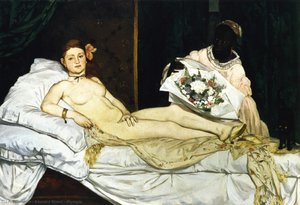
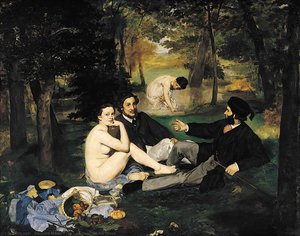
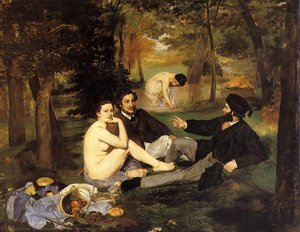
Manets frühe Meisterwerke, Das Picknick auf der Wiese (Le déjeuner sur l'herbe) (1863) und Olympia (1865), waren radikal, stellten künstlerische Normen in Frage und lösten Empörung bei Traditionalisten aus. Diese provokanten Werke wurden von fortschrittlichen Kollegen anerkannt und säten die Saat des Impressionismus. * Das Picknick auf der Wiese (Le déjeuner sur l'herbe) (1863) - ein Gemälde, das sowohl bei Kritikern als auch bei der Kunstakademie für Kontroversen sorgte. * Olympia (1865) – ein Werk, das aufgrund seiner Darstellung einer nackten weißen Frau in Begleitung einer schwarzen Dienstmädchen große Aufregung auslöste.Museen und Sammlungen
Manets Werke befinden sich in verschiedenen Museen auf der ganzen Welt, darunter: * Musée d'Orsay (Paris, Frankreich) – beherbergt eine umfangreiche Sammlung von Manets Gemälden, darunter Olympia. * Museum of Fine Arts (Boston, USA) – zeigt Manets Porträt von Victorine Meurent, ein bemerkenswertes Werk seines Oeuvres.Vermächtnis und Einfluss
Manets innovativer Stil, der durch breite, schnelle Pinselstriche, Studiobeleuchtung und geringe Tiefenwirkung gekennzeichnet ist, hat zukünftige Maler maßgeblich beeinflusst. Sein Vermächtnis kann in den Werken zahlreicher Künstler gesehen werden, die auf seinen Füßen folgen.- Impressionismus: Seine Pionierarbeit in diesem Stil hat ihn zu einer bekannten Figur unter Kunstliebhabern gemacht.
- Realismus: Seine Ablehnung traditioneller realistischer Ansätze ebnete den Weg für eine neue Generation von Künstlern.
- Moderne Kunst: Manets Beiträge zur Entwicklung der modernen Kunst sind unbestreitbar und festigen seinen Platz in den Annalen der Kunstgeschichte.
Weitere Literatur und Erkundung
* Entdecken Sie mehr über das Leben und Werk von Édouard Manet auf ArtsDot. * Erkunden Sie die Musée d'Orsay Sammlung, die eine umfangreiche Auswahl von Manets Gemälden, darunter Olympia, auf ArtsDot’s Museum Seite bietet.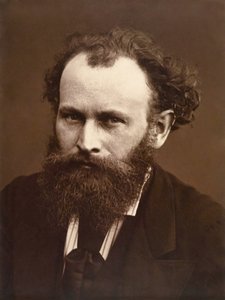
Édouard Manet
1832 - 1883 , Frankreich
Kurzinfos
- Beeinflusste Künstler:
- Claude Monet
- Pierre-Auguste Renoir
- Edgar Degas
- Bemerkenswerte Werke:
- Le Déjeuner sur l'herbe
- Olympia
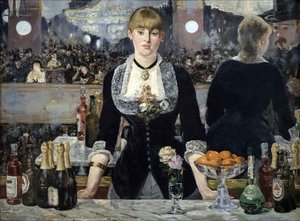
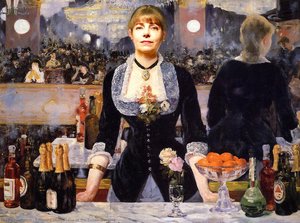
- A Bar at the Folies-Bergère
- Einflussreiche Künstler:
- Caravaggio
- Diego Velázquez
- Gustave Courbet
- Geburtsdatum: 23. Januar 1832
- Geburtsort: Paris, Frankreich
- Künstlerische Richtung: Impressionismus, Realismus
- Nationalität: Französisch
- Todatum: 1883
- Vollständiger Name: Édouard Manet
Ähnliche Artikel
Édouard Manet: Die 25 Meisterwerke des Impressionismus für Ihr Zuhause | ArtsDot
Entdecken Sie die 25 Meisterwerke von Édouard Manet! Tauchen Sie ein in Impressionismus, Pariser Leben & revolutionäre Kunst. Hochwertige Reproduktionen für Ihr Zuhause – jetzt auf ArtsDot.com!
Impressionistic Realism's Finest: 10 Masterpieces for Your Home | ArtsDot
Journey through Impressionistic Realism with 10 iconic masterpieces by Monet, Renoir & Van Gogh. Explore art history, techniques & find museum-quality reproductions for your home at ArtsDot.com. Discover all masterpieces online!

Giclée Prints: Archival Quality & Aesthetic Nuances for the Discerning Collector
Explore the world of giclée prints with ArtsDot. Learn about archival quality, aesthetic nuances & investment potential. Expert guidance for discerning art collectors seeking museum-quality reproductions and lasting value.
Pierre-Auguste Renoir: Die 25 Meisterwerke des Impressionismus für Ihr Zuhause | ArtsDot
Entdecken Sie die 25 schönsten Meisterwerke von Pierre-Auguste Renoir! Tauchen Sie ein in die Welt des Impressionismus, erleben Sie berühmte Gemälde wie 'Bal au moulin de la Galette' und finden Sie hochwertige Kunstdrucke für Ihr Zuhause. Jetzt auf ArtsDot.com!

Impressionistische Landschaften: Die 10 Meisterwerke, die eine Kunstrichtung prägten | ArtsDot
Entdecken Sie die 10 Meisterwerke des Impressionismus! Von Monet bis Van Gogh – erleben Sie die Geschichten hinter berühmten Landschaftsbildern. Hochwertige Kunst Reproduktionen für Ihr Zuhause auf ArtsDot.com.