 Vorschau anzeigen
 Versenden
 Teilen
 Details anzeigen

 Herunterladen
 Ähnliche Objekte
 Röntgenaufnahme
 Diashow
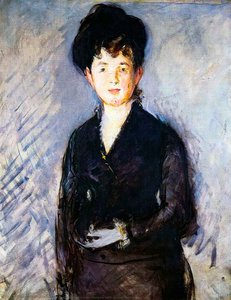
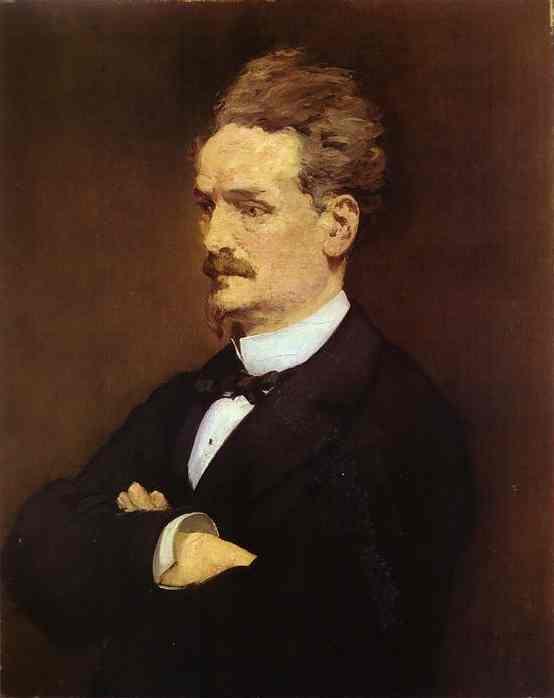
Portrait of Henri Rochefort

 Weiterlesen
Giclée / Kunstdruck
Giclée- oder Leinwanddruck in Museumsqualität mit schneller Produktion und flexiblen Veredelungsoptionen. ( Handgemalte Reproduktion bestellen Bild kaufen)




































Wählen Sie aus unseren vordefinierten Formaten, die den ursprünglichen Proportionen des Kunstwerks entsprechen.

Sie können Ihre eigenen Maße eingeben, um ein bestimmtes Format oder einen speziellen Platz einzupassen. Wenn das von Ihnen gewählte Format nicht den Proportionen des Originalbildes entspricht, werden wir das Kunstwerk entweder beschneiden oder das Bild mit einem gespiegelten oder einfarbigen Rand erweitern. Ein digitaler Entwurf wird Ihnen zur Genehmigung zugesandt, bevor die Produktion beginnt.
Bitte beachten Sie, dass die Vorschau auf dem Bildschirm nicht den tatsächlichen Zuschnitt oder die Erweiterung widerspiegelt. Nur der Entwurf zeigt die endgültige Komposition präzise an.
Obwohl Sondermaße verfügbar sind, empfehlen wir die Auswahl eines Maßes aus der vordefinierten Liste, um die ursprünglichen Proportionen zu bewahren.
Weltweiter Versand () innerhalb von 2 Wochen statt der üblichen 4/5 Wochen. (26 August)

Kostenloser weltweiter Expressversand

Hochwertige Leinenleinwand

Umfassender Versicherungsschutz beim Versand

Zollgebühren-Rückerstattungsgarantie

Garantie für exakte Farbtreue

60 Tage Rückgaberecht (nur bei Mängeln)

100% Geld-zurück-Garantie

Mengenrabatt verfügbar
 Die Glasoption ist nur für Größen unter 110 cm verfügbar.

Portrait of Henri Rochefort
Giclée / Kunstdruck
Format der Reproduktion
-


Gesamtpreis
$ 62
Sammlerstück-Beschreibung
A Portrait of Rebellion: Examining Édouard Manet’s “Rochefort’s Escape”
Édouard Manet's "Rochefort’s Escape," completed around 1881, stands as a pivotal work in the Impressionist movement and a daring challenge to academic artistic conventions. More than just a depiction of a man fleeing prison—though that narrative is undeniably present—the painting embodies Manet’s broader preoccupation with capturing fleeting moments of reality and exposing the anxieties simmering beneath the surface of Parisian society at the time. It's a piece that continues to resonate today, prompting viewers to consider not only what they see but also what Manet intended to convey beyond mere visual representation.- Subject Matter: The painting portrays Rochefort, a former Napoleonic officer imprisoned for treason, attempting to escape from Bellevue Penitentiary. This subject matter was deliberately chosen by Manet to provoke discussion about the moral failings of the aristocracy and the hypocrisy inherent in upholding legal justice when societal values were crumbling.
- Style: “Rochefort’s Escape” exemplifies Impressionism's rejection of idealized forms and meticulous detail. Instead, Manet employs loose brushstrokes and a muted palette—primarily browns, ochres, and grays—to convey the atmosphere of confinement and Rochefort’s desperate determination.
Technique: Light and Shadow as Instruments of Emotion
Manet's masterful use of light and shadow is central to the painting’s expressive power. He eschews traditional chiaroscuro—the dramatic contrast between light and dark—favoring a softer illumination that subtly sculpts Rochefort’s figure and creates an illusion of depth. The artist meticulously observes how light interacts with surfaces, capturing the textures of fabric and skin with remarkable accuracy. This technique wasn't merely about realism; it served to heighten emotional impact, conveying Rochefort’s vulnerability and urgency without resorting to sentimental melodrama. Notice particularly how the light catches on Rochefort’s face, highlighting his furrowed brow and conveying a palpable sense of anxiety.- Brushwork: Manet's brushstrokes are visible and deliberate, contributing to the painting’s textural richness. They aren’t blended smoothly like those of Academic painters but rather applied in short, choppy strokes that capture movement and immediacy.
- Color Palette: The subdued color palette reinforces the mood of despair and confinement. Browns dominate the background, symbolizing the bleakness of prison life, while muted grays depict Rochefort’s weary physique.
Historical Context: A Reflection of Societal Disillusionment
“Rochefort’s Escape” emerged during a period of significant social upheaval in France. The Second Empire was nearing its end, marked by growing discontent with the monarchy and anxieties about imperial ambitions. Manet's depiction of Rochefort resonated deeply with audiences concerned about moral decay and the failings of legal institutions. It mirrored broader artistic trends that questioned established norms and sought to portray life as it truly was—warts and all—challenging the idealized representations favored by the Academy.Symbolism: Beyond Escape – The Weight of Responsibility
While Rochefort’s physical escape is visually compelling, “Rochefort’s Escape” operates on a deeper symbolic level. The painting suggests that true liberation lies not merely in freedom from physical restraints but also in confronting one's moral responsibilities. Rochefort’s posture—hunched over and straining against the bars—represents the burden of guilt and regret—a sentiment Manet skillfully communicates through his masterful use of light, shadow, and color.Emotional Impact: Capturing Transient Feeling
Ultimately, “Rochefort’s Escape” succeeds in conveying a profound emotional experience. It compels viewers to contemplate themes of desperation, resilience, and the complexities of human psychology. Manet's ability to capture fleeting moments of feeling—the palpable tension of Rochefort’s struggle—solidifies his legacy as one of the most innovative and emotionally resonant artists of his era. Reproductions of this artwork offer a glimpse into the artistic spirit of Impressionism and invite contemplation on the enduring power of art to provoke thought and inspire emotion.Ähnliche Kunstwerke
Über den Künstler
frühes Leben und Karriere
Édouard Manet, ein französischer modernistischer Maler, wurde am 23. Januar 1832 in Paris geboren. Er widersetzte sich seinen bürgerlichen Wurzeln und einem vorgezeichneten Seekriegspfad und etablierte sich als mutiger französischer Modernist, dessen Leinwände die Lebendigkeit des 19. Jahrhunderts einfingen. Er wird weithin für seine Rolle bei der Pionierarbeit des Impressionismus gelobt, der die Kunst von der Malerei in unbekannte Gebiete lenkte.Bekannte Werke
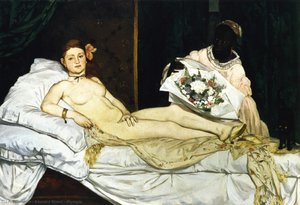
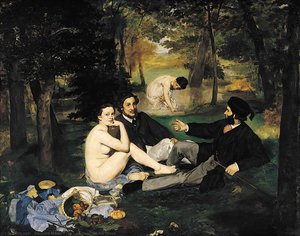
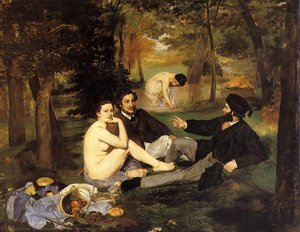
Manets frühe Meisterwerke, Das Picknick auf der Wiese (Le déjeuner sur l'herbe) (1863) und Olympia (1865), waren radikal, stellten künstlerische Normen in Frage und lösten Empörung bei Traditionalisten aus. Diese provokanten Werke wurden von fortschrittlichen Kollegen anerkannt und säten die Saat des Impressionismus. * Das Picknick auf der Wiese (Le déjeuner sur l'herbe) (1863) - ein Gemälde, das sowohl bei Kritikern als auch bei der Kunstakademie für Kontroversen sorgte. * Olympia (1865) – ein Werk, das aufgrund seiner Darstellung einer nackten weißen Frau in Begleitung einer schwarzen Dienstmädchen große Aufregung auslöste.Museen und Sammlungen
Manets Werke befinden sich in verschiedenen Museen auf der ganzen Welt, darunter: * Musée d'Orsay (Paris, Frankreich) – beherbergt eine umfangreiche Sammlung von Manets Gemälden, darunter Olympia. * Museum of Fine Arts (Boston, USA) – zeigt Manets Porträt von Victorine Meurent, ein bemerkenswertes Werk seines Oeuvres.Vermächtnis und Einfluss
Manets innovativer Stil, der durch breite, schnelle Pinselstriche, Studiobeleuchtung und geringe Tiefenwirkung gekennzeichnet ist, hat zukünftige Maler maßgeblich beeinflusst. Sein Vermächtnis kann in den Werken zahlreicher Künstler gesehen werden, die auf seinen Füßen folgen.- Impressionismus: Seine Pionierarbeit in diesem Stil hat ihn zu einer bekannten Figur unter Kunstliebhabern gemacht.
- Realismus: Seine Ablehnung traditioneller realistischer Ansätze ebnete den Weg für eine neue Generation von Künstlern.
- Moderne Kunst: Manets Beiträge zur Entwicklung der modernen Kunst sind unbestreitbar und festigen seinen Platz in den Annalen der Kunstgeschichte.
Weitere Literatur und Erkundung
* Entdecken Sie mehr über das Leben und Werk von Édouard Manet auf ArtsDot. * Erkunden Sie die Musée d'Orsay Sammlung, die eine umfangreiche Auswahl von Manets Gemälden, darunter Olympia, auf ArtsDot’s Museum Seite bietet.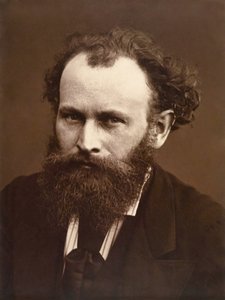
Édouard Manet
1832 - 1883 , Frankreich
Kurzinfos
- Beeinflusste Künstler:
- Claude Monet
- Pierre-Auguste Renoir
- Edgar Degas
- Bemerkenswerte Werke:
- Le Déjeuner sur l'herbe
- Olympia
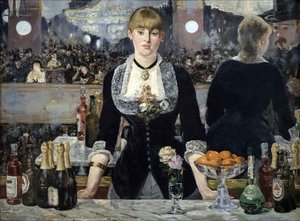
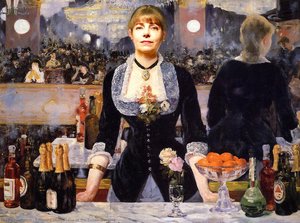
- A Bar at the Folies-Bergère
- Einflussreiche Künstler:
- Caravaggio
- Diego Velázquez
- Gustave Courbet
- Geburtsdatum: 23. Januar 1832
- Geburtsort: Paris, Frankreich
- Künstlerische Richtung: Impressionismus, Realismus
- Nationalität: Französisch
- Todatum: 1883
- Vollständiger Name: Édouard Manet
Ähnliche Artikel
Édouard Manet: Die 25 Meisterwerke des Impressionismus für Ihr Zuhause | ArtsDot
Entdecken Sie die 25 Meisterwerke von Édouard Manet! Tauchen Sie ein in Impressionismus, Pariser Leben & revolutionäre Kunst. Hochwertige Reproduktionen für Ihr Zuhause – jetzt auf ArtsDot.com!
Henri Matisse: Die 25 Meisterwerke des Farbgenies – Kunst für Ihr Zuhause | ArtsDot
Entdecken Sie die 25 Meisterwerke von Henri Matisse! Tauchen Sie ein in die Welt des Fauvismus, der leuchtenden Farben und ikonischen Formen. Kunstreproduktionen & Inspiration für Ihr Zuhause – exklusiv auf ArtsDot.com.

Impressionismus Meisterwerke: Die Top 10 Kunstwerke für Ihr Zuhause | ArtsDot
Entdecken Sie die Top 10 Meisterwerke des Impressionismus! Von Monet bis Renoir – erfahren Sie die Geschichten hinter berühmten Gemälden, Techniken & Farben. Hochwertige Kunstdrucke auf ArtsDot.com.
Impressionismus: Die 10 Meisterwerke, die eine Kunstbewegung prägten |
Entdecken Sie die 10 Meisterwerke des Impressionismus! Von Monet bis Renoir – erfahren Sie die Geschichten hinter berühmten Gemälden & ihre einzigartigen Techniken. Kunstdrucke in Museumsqualiät auf .
Édouard Manet: Wegbereiter der Moderne und die Herausforderung künstlerischer Konventionen
Entdecken Sie Édouard Manets revolutionären Einfluss auf die Moderne! Analysieren Sie seine Skandale, seinen Stil und sein Vermächtnis – fundiert & verständlich. Jetzt lesen!