

 Vorschau anzeigen
 Versenden
 Teilen
 Details anzeigen

 Herunterladen
 Ähnliche Objekte
 Röntgenaufnahme
 Diashow
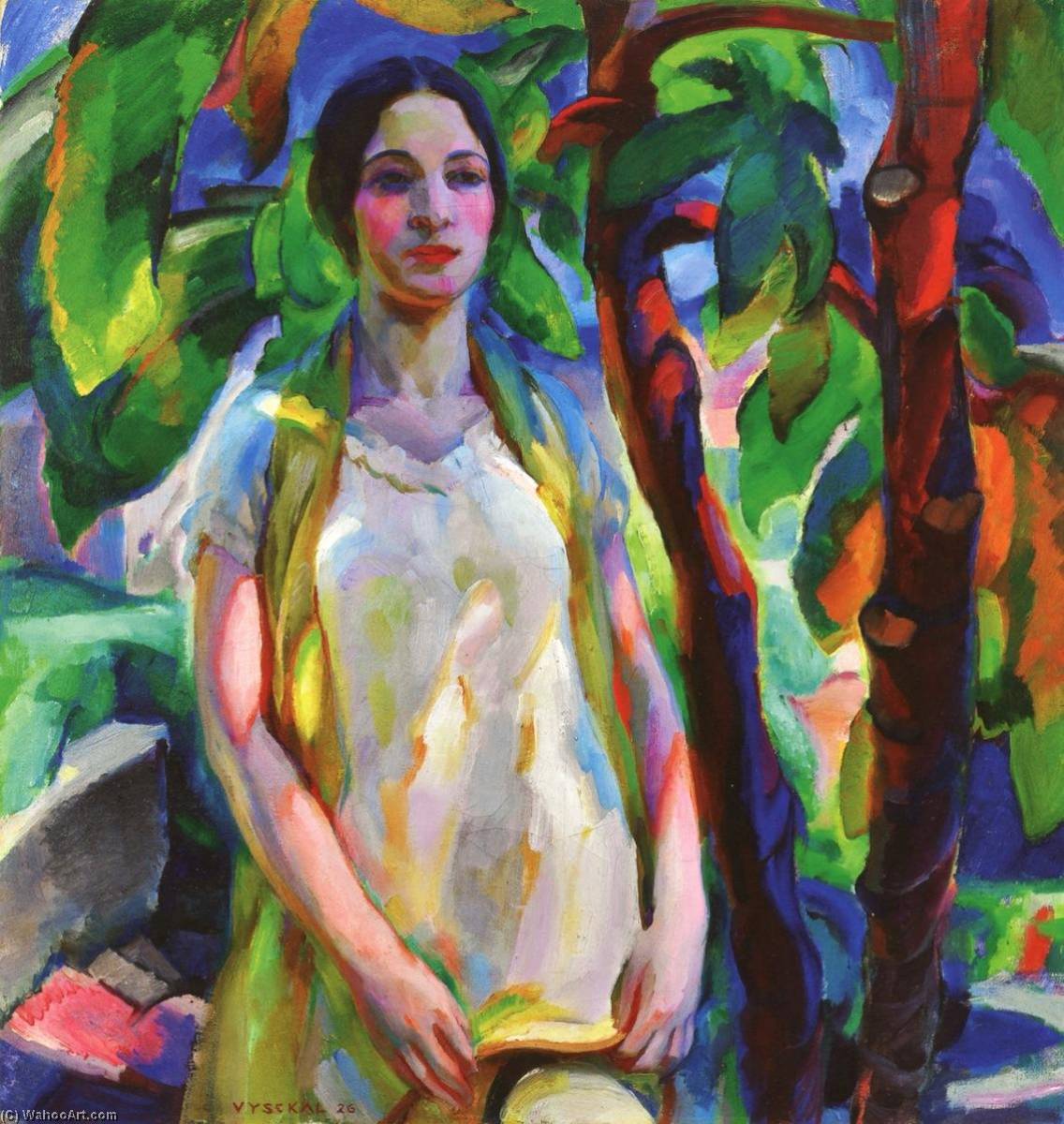
Girl in Garden (also known as Young Girl in Garden)

 Weiterlesen
Giclée / Kunstdruck
Giclée- oder Leinwanddruck in Museumsqualität mit schneller Produktion und flexiblen Veredelungsoptionen. ( Handgemalte Reproduktion bestellen Bild kaufen)




































Wählen Sie aus unseren vordefinierten Formaten, die den ursprünglichen Proportionen des Kunstwerks entsprechen.

Sie können Ihre eigenen Maße eingeben, um ein bestimmtes Format oder einen speziellen Platz einzupassen. Wenn das von Ihnen gewählte Format nicht den Proportionen des Originalbildes entspricht, werden wir das Kunstwerk entweder beschneiden oder das Bild mit einem gespiegelten oder einfarbigen Rand erweitern. Ein digitaler Entwurf wird Ihnen zur Genehmigung zugesandt, bevor die Produktion beginnt.
Bitte beachten Sie, dass die Vorschau auf dem Bildschirm nicht den tatsächlichen Zuschnitt oder die Erweiterung widerspiegelt. Nur der Entwurf zeigt die endgültige Komposition präzise an.
Obwohl Sondermaße verfügbar sind, empfehlen wir die Auswahl eines Maßes aus der vordefinierten Liste, um die ursprünglichen Proportionen zu bewahren.
Weltweiter Versand () innerhalb von 2 Wochen statt der üblichen 4/5 Wochen. (6 September)

Kostenloser weltweiter Expressversand

Hochwertige Leinenleinwand

Umfassender Versicherungsschutz beim Versand

Zollgebühren-Rückerstattungsgarantie

Garantie für exakte Farbtreue

100 Tage Rückgaberecht (nur bei Mängeln)

100% Geld-zurück-Garantie

Mengenrabatt verfügbar
 Die Glasoption ist nur für Größen unter 110 cm verfügbar.

Girl in Garden (also known as Young Girl in Garden)
Giclée / Kunstdruck
Format der Reproduktion
-


Gesamtpreis
$ 62
Ähnliche Kunstwerke


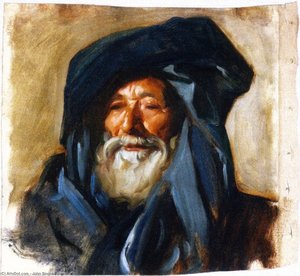
Über den Künstler
A Legacy of Light and Form: The Life of Edouard Vysekal
The story of Edouard Antonin Vysekal is one of movement, much like the brushstrokes that defined his celebrated career. Born on March 17, 1890, in the historic city of Kutná Hora within the Austro-Hungarian Empire, Vysekal was immersed in an artistic atmosphere from his very first breaths. Raised in a family of artists, the rhythms of color and composition were woven into the fabric of his childhood. His early creative journey began in the storied studios of Prague, where he first honed the technical precision that would later serve as the foundation for his modernist explorations. However, it was his migration to the United States around 1907—joining his father in St. Paul, Minnesota—that set the stage for his emergence as a pivotal figure in American Modernism.
As Vysekal transitioned from the Midwest to the vibrant art scene of Chicago, his evolution as a painter accelerated. Enrolling at the School of the Art Institute of Chicago (SAIC), he found himself under the mentorship of some of the most influential figures of the era, including John Vanderpoel, Stanton MacDonald-Wright, Harry Mills Walcott, and Morgan Russell. These masters introduced him to the radical possibilities of the burgeoning Modernist movement. It was during this period that Vysekal began to move beyond mere representation, embracing a sophisticated synthesis of Cubism and Impressionism. His work started to reflect a profound interest in how light could interact with fractured planes and bold, structural lines, creating canvases that were as much about emotional resonance as they were about visual geometry.
The Mastery of Modernist Expression
Vysekal’s artistic output is characterized by a remarkable ability to balance the structured discipline of Cubism with the atmospheric fluidity of Impressionism. This duality allowed him to capture both the physical weight of his subjects and the ephemeral quality of light. His celebrated work, ‘The Herwigs’ (1928), stands as a profound testament to this technique; it is a dynamic study of motherhood that utilizes textured brushwork and assertive lines to convey the deep, emotional bonds of family through a modern lens. Similarly, his industrial landscapes, such as “Late Afternoon Mood, No. 3,” demonstrate his mastery over atmosphere, using an Impressionistic approach to capture the diffuse, heavy light of an industrial setting, lending a sense of monumental scale to the scene.
Beyond his personal canvases, Vysekal’s influence was deeply felt through his dedication to art education. His pedagogical reach extended across two major American art hubs:
- The School of the Art Institute of Chicago: Where he served as an instructor between 1912 and 1914, helping to shape the next generation of Midwestern talent.
- Southern California Institutions: Following his marriage to the portrait painter Luvena Vysekal, he moved to the West Coast, where he became a cornerstone of the community at the Art Students League of Los Angeles and the Otis College of Art and Design (then known as the Otis Art Institute) from 1922 until his death.
A Lasting Impression on American Art
The historical significance of Edouard Vysekal lies in his role as a bridge between European tradition and American innovation. By bringing the rigorous training of Prague and the experimental spirit of Chicago to the burgeoning art scene of Southern California, he helped foster a unique regional modernism. His life was tragically short, ending on December 2, 1939, at the age of 49, yet the impact of his teaching and his paintings remains indelible. Today, his works are preserved in prestigious institutions such as the Los Angeles County Museum of Art, serving as enduring reminders of a man who saw the world not just as it appeared, but as a vibrant tapestry of light, form, and emotion.
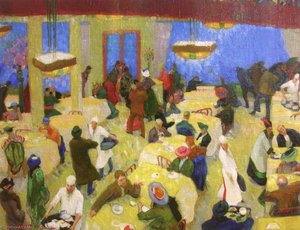
edouard vysekal
1890 - 1939
Kurzinfos
- Artistic Movement Or Style: Modernist Painting
- Artists Or Movements Influenced By This Artist: ['Édouard Manet']
- Artists Who Influenced This Artist:
- John Vanderpoel
- Stanton MacDonald-Wright
- Harry Mills Walcott
- Morgan Russell
- Date Of Birth: March 17, 1890
- Date Of Death: December 2, 1939
- Full Name: Edouard Antonin Vysekal
- Nationality: American
- Notable Artworks:
- The Herwigs
- Late Afternoon Mood, No. 3
- Place Of Birth: Kutná Hora, Bohemia