 Vorschau anzeigen
 Versenden
 Teilen
 Details anzeigen

 Herunterladen
 Ähnliche Objekte
 Röntgenaufnahme
 Diashow
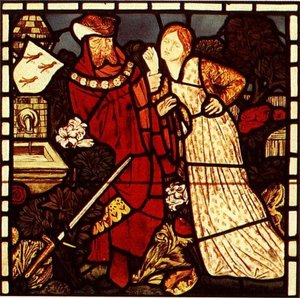
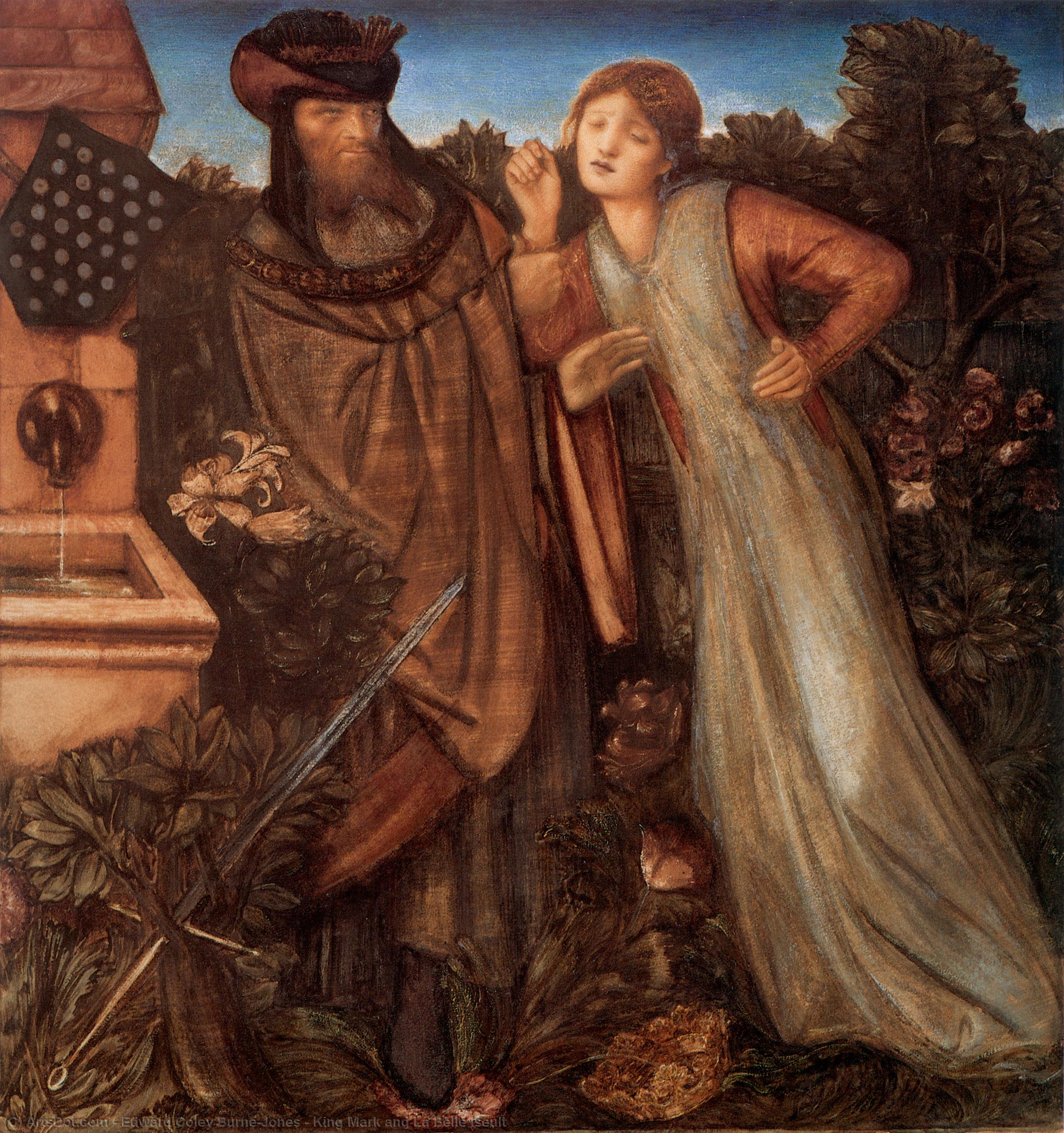
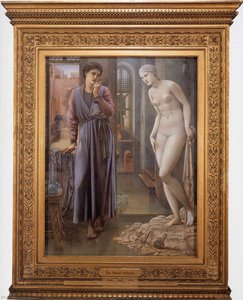
King Mark and La Belle Iseult


 Weiterlesen
Handgefertigte Ölreproduktion
Handgemaltes Ölgemälde auf Leinwand in Ihrer Wunschgröße und mit Rahmen, auf Bestellung von unseren Künstlern angefertigt. ( Druck bestellen Bild kaufen)




P118B $10

P118H $10

P118W $10

P438Z $10

P508JH $12

P508YH $12

P805H $10

P805Z $10

P919BZ $10

P919G $10

P919XJ $10

P959ZH $10

P968JZ $12

W106C $8

W218G $10

W218JH $8

W218Y $10

W307PJ $10

W316G $10

W316PJ $8

W316Y $10

W398PJ $8

W4111J $10

W500HY $15

W500JH $15

W692G $12

W849H $8

W940BG $15

W953PJ $8




Wählen Sie aus unseren vordefinierten Formaten, die den ursprünglichen Proportionen des Kunstwerks entsprechen.

Sie können Ihre eigenen Maße eingeben, um einen bestimmten Rahmen oder Platz auszufüllen. Wenn die gewählte Größe nicht den Proportionen des Originalbildes entspricht, werden wir das Kunstwerk entweder beschneiden oder das Gemälde durch zusätzliche, handgemalte Elemente erweitern. Ein digitales Mockup wird Ihnen zur Genehmigung zugesandt, bevor die Produktion beginnt.
Bitte beachten Sie, dass die Bildschirmvorschau nicht die tatsächliche Beschneidung oder Erweiterung widerspiegelt. Nur das Mockup zeigt die endgültige Komposition exakt an.
Obwohl Sondermaße verfügbar sind, empfehlen wir, eine Größe aus der vordefinierten Liste zu wählen, um die ursprünglichen Proportionen beizubehalten.
Nach der Bestellung wird das ArtsDot.com-Team dem Kunden Anweisungen per E-Mail zusenden und eine Mockup-Vorschau bereitstellen.
Weltweiter Versand () in nur 3 bis 4 Wochen statt der üblichen 5 Wochen. (21 August). Keine Kompromisse bei der Qualität.

Kostenloser weltweiter Expressversand

Hochwertige Leinenleinwand

Umfassender Versicherungsschutz beim Versand

Zollgebühren-Rückerstattungsgarantie

Garantie für exakte Farbtreue

60 Tage Rückgaberecht (nur bei Mängeln)

100% Geld-zurück-Garantie

Mengenrabatt verfügbar
 Die Glasoption ist nur für Größen unter 110 cm verfügbar.

King Mark and La Belle Iseult
Art der Reproduktion
Format der Reproduktion
-


Gesamtpreis
$ 263
Beschreibung des Kunstwerks
A Vision of Myth and Melancholy: Exploring Burne-Jones' *King Mark and La Belle Iseult*
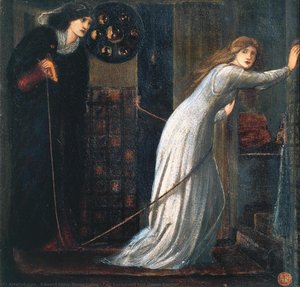
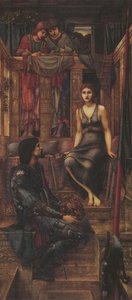
Edward Coley Burne-Jones’s *King Mark and La Belle Iseult* is not merely a depiction of a legendary romance; it’s an immersion into a world steeped in dreamlike beauty, profound sorrow, and the enduring power of myth. Created during the height of the Pre-Raphaelite movement – a reaction against the perceived artificiality of academic art – this painting exemplifies Burne-Jones' signature style: a meticulous rendering of historical and literary subjects infused with an intensely emotional sensibility. The scene unfolds with a deliberate languor, capturing a pivotal moment within the tragic tale of Tristan and Iseult, where the weight of forbidden love hangs heavy in the air.
- Subject Matter: The painting centers on King Mark and La Belle Iseult, their postures conveying both regal authority and heartbreaking vulnerability. Their clothing, meticulously detailed in medieval style, anchors the scene firmly within a specific historical context, while simultaneously elevating it to a timeless realm of legend.
- Composition & Narrative Depth: Burne-Jones masterfully employs spatial relationships to create a sense of narrative complexity. The placement of the third figure, positioned further back and shrouded in shadow, subtly suggests the inescapable consequences of their doomed affection – a visual echo of fate’s relentless hand.
- Color Palette & Technique: Oil paints are used with remarkable precision, creating a rich tapestry of color that evokes a sense of both warmth and melancholy. Burne-Jones' characteristic use of saturated hues—deep reds, blues, and greens—is balanced by subtle gradations and delicate modeling, resulting in an almost tactile quality to the figures and their surroundings.
The Pre-Raphaelite Spirit: Symbolism and Aesthetic Intent
As a key figure within the Pre-Raphaelite Brotherhood, Burne-Jones sought to recapture the sincerity and emotional intensity of early Italian art – specifically, the works of Giotto – rejecting the polished surfaces and idealized forms favored by contemporary artists. *King Mark and La Belle Iseult* is replete with symbolic elements. The potted plants scattered throughout the scene are not simply decorative; they represent fertility, growth, and the fleeting nature of beauty—themes central to the tragic romance. The woman’s hand raised to her ear isn't just a gesture of listening but also suggests an attempt to block out the inevitable truth of their situation, a poignant visual metaphor for denial.
- Medievalism and Aestheticism: The painting seamlessly blends elements of medieval iconography with the broader aesthetic concerns of the Victorian era. Burne-Jones’s work reflects the growing interest in reviving historical styles and exploring themes of beauty, spirituality, and imagination – hallmarks of the Aesthetic movement.
- Emotional Resonance: Burne-Jones's ability to evoke profound emotion through his carefully constructed scenes is a defining characteristic of his art. *King Mark and La Belle Iseult* invites viewers to contemplate the complexities of love, loss, and the human condition.
A Legacy of Beauty: Reproduction and Appreciation
*King Mark and La Belle Iseult* represents a pinnacle of Victorian artistic achievement, offering a captivating glimpse into a world where myth and reality intertwine. ArtsDot.com offers meticulously crafted hand-painted reproductions that faithfully capture the essence of Burne-Jones’s masterpiece, allowing you to bring this iconic image into your home or office. These reproductions are created using archival quality materials, ensuring their longevity and preserving the rich detail and vibrant colors of the original painting.
- Investment in Art History: Owning a reproduction of *King Mark and La Belle Iseult* is more than simply acquiring a beautiful image; it’s an investment in art history, a connection to one of the most influential artists of the Victorian era.
- Versatile Decor Element: The painting's timeless appeal makes it suitable for a wide range of interior design styles – from traditional and romantic settings to contemporary spaces seeking a touch of elegance and sophistication.
Ähnliche Kunstwerke
Über den Künstler
Frühes Leben und Ausbildung
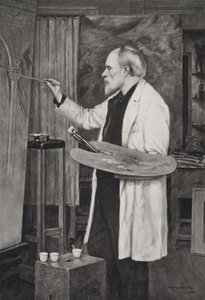
Edward Coley Burne-Jones, ein renommierter britischer Künstler und Designer, wurde am 28. August 1833 in Birmingham, im Vereinigten Königreich, geboren. Sein frühes Leben war geprägt vom Tod seiner Mutter, Elizabeth Coley Jones, sechs Tage nach seiner Geburt. Er wurde von seinem Vater, Edward Richard Jones, und der Familienvermieterin Ann Sampson aufgezogen. Burne-Jones besuchte ab 1844 die King Edward VI Grammar School und studierte später von 1848 bis 1852 an der Birmingham School of Art.Akademische Laufbahn und die Brotherhood
Burne-Jones widmete sich am Exeter College in Oxford der Theologie, wo er William Morris begegnete. Gemeinsam mit einer Gruppe von Freunden aus Birmingham, dem sogenannten "Birmingham Set", gründeten sie eine intime Gesellschaft namens "die Brotherhood". Diese Zeit war geprägt vom Einfluss John Russkins und Tennysons auf ihre Arbeit sowie Besuchen von Kirchen und der Verehrung des Mittelalters.Künstlerische Karriere und bemerkenswerte Werke
Burne-Jones' künstlerische Karriere blühte in verschiedenen Medien, darunter Malerei, Glasmalerei und dekorative Kunst, auf. Seine frühen Gemälde waren vom Stil Dante Gabriel Rossettis beeinflusst, doch er entwickelte bald seinen eigenen einzigartigen Stil. Zu seinen bemerkenswertesten Werken zählen:- The Beguiling of Merlin, das 1877 in der Grosvenor Gallery ausgestellt wurde und seinen Aufstieg zum Star der Ästhetischen Bewegung markierte.
- Glasmalereien in verschiedenen Kirchen, wie z.B. St. Philip's Cathedral in Birmingham und Holy Trinity Church in Sloane Square, Chelsea.
- Zusammenarbeiten mit William Morris an dekorativen Kunstwerken, einschließlich Designs für Morris, Marshall, Faulkner & Co.
Persönliches Leben und späte Jahre
Burne-Jones heiratete 1860 Georgiana "Georgie" Macdonald, mit der er drei Kinder hatte. Seine späteren Jahre waren von einer leidenschaftlichen Affäre mit seiner griechischen Modellin Maria Zambaco geprägt, die in ihrem Selbstmordversuch endete. Trotzdem blieb Burne-Jones bis zu seinem Tod am 17. Juni 1898 bei seiner Frau.Vermächtnis und Einfluss
Edward Coley Burne-Jones' Beiträge zur Präraffaelitenbewegung und seine innovativen Glasmalereien haben einen bleibenden Eindruck in der britischen Kunst hinterlassen. Sein Einfluss ist in verschiedenen Bereichen der dekorativen Kunst sichtbar, von Keramikfliesen bis hin zu Schmuck.- Erkunden Sie weitere Werke von Burne-Jones auf ArtsDot.com.
- Entdecken Sie die British Council Collection, mit bemerkenswerten Künstlern, in den Kunstsammlungen von ArtsDot.
Referenzen:
- wikipedia: edward burne-jones
- Wabot Kunstassistent von ArtsDot für Einblicke in Kunst und Künstler.
Edward Coley Burne-Jones
1833 - 1898 , Vereinigtes Königreich
Kurzinfos
- Beeinflusste Künstler/Bewegungen:
- Dekorative Kunst
- Keramikfliesen, Schmuck
- Bemerkenswerte Werke:
- The Beguiling of Merlin
- Drei weibliche Figuren
- Fides
- Einflussreiche Künstler:
- Dante Gabriel Rossetti
- John Ruskin
- Tennyson
- Geburtsdatum: 28. August 1833
- Geburtsort: Birmingham, Vereinigtes Königreich
- Künstlerische Bewegung: Präraffaeliten, Ästhetizismus
- Nationalität: Britisch
- Todatum: 17. Juni 1898
- Vollständiger Name: Edward Coley Burne-Jones
Ähnliche Artikel
Edward Burne-Jones: Eine präraphaelitische Vision von Mythos, Symbolik und ästhetischem Idealismus
Entdecken Sie das faszinierende Werk von Edward Burne-Jones und die präraphaelitische Bewegung! Analysen, Hintergrundinformationen & hochwertige Reproduktionen bei ArtsDot.
Dante Gabriel Rossetti: Die 25 Meisterwerke des Präraffelitismus | ArtsDot
Entdecken Sie die 25 schönsten Gemälde von Dante Gabriel Rossetti! Tauchen Sie ein in die Welt der Präraffeliten, symbolistischer Kunst & viktorianischer Romantik. Hochwertige Reproduktionen für Ihr Zuhause – jetzt bei ArtsDot.com!
The Pre-Raphaelite Brotherhood: A Rebellion of Beauty & Medieval Revival
Explore the captivating world of the Pre-Raphaelite Brotherhood! Discover their rebellion against academic art, iconic masterpieces, and lasting influence on Victorian aesthetics. Learn about Rossetti, Burne-Jones & more.

Mark Rothkos Meisterwerke: Die Top 25 für Kunstliebhaber | ArtsDot
Entdecken Sie die 25 Meisterwerke von Mark Rothko! Tauchen Sie ein in die Welt der abstrakten Kunst, des Expressionismus und der Farbfeldmalerei. Hochwertige Kunstdrucke & Reproduktionen auf ArtsDot.com – für Ihre Wohnräume.
Sir John Everett Millais: Präraffaelitische Revolution und viktorianische Erzählkunst
Entdecken Sie das Leben und Werk von Sir John Everett Millais, einem Pionier der Präraffaeliten! Detaillierte Analysen seiner Gemälde, Einblicke in die viktorianische Kunstszene und seine bleibende Bedeutung. Jetzt lesen!