 Vorschau anzeigen
 Versenden
 Teilen
 Details anzeigen

 Herunterladen
 Ähnliche Objekte
 Röntgenaufnahme
 Diashow
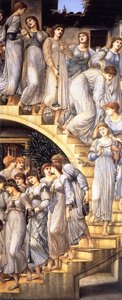
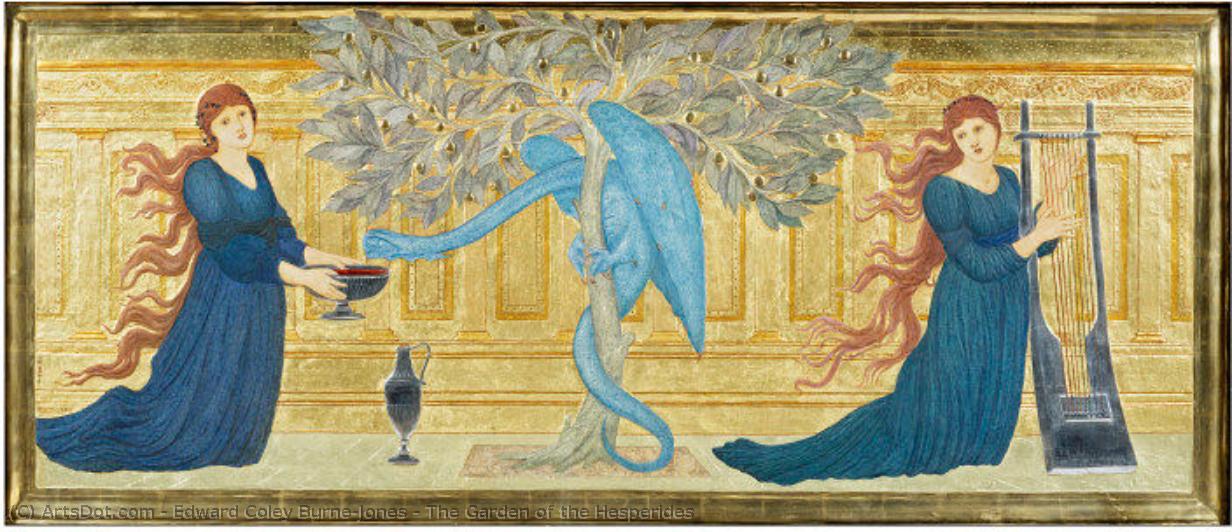
The Garden of the Hesperides
 Acrylic On Canvas
- WallArt
- Romanticism
 1882
1882 69.0 x 164.0 cm
 Victoria and Albert Museum
 Weiterlesen
Giclée / Kunstdruck
Giclée- oder Leinwanddruck in Museumsqualität mit schneller Produktion und flexiblen Veredelungsoptionen. ( Handgemalte Reproduktion bestellen Bild kaufen)




P118B $10

P118H $10

P118W $10

P438Z $10

P508JH $12

P508YH $12

P805H $10

P805Z $10

P919BZ $10

P919G $10

P919XJ $10

P959ZH $10

P968JZ $12

W106C $8

W218G $10

W218JH $8

W218Y $10

W307PJ $10

W316G $10

W316PJ $8

W316Y $10

W398PJ $8

W4111J $10

W500HY $15

W500JH $15

W692G $12

W849H $8

W940BG $15

W953PJ $8




Wählen Sie aus unseren vordefinierten Formaten, die den ursprünglichen Proportionen des Kunstwerks entsprechen.

Sie können Ihre eigenen Maße eingeben, um ein bestimmtes Format oder einen speziellen Platz einzupassen. Wenn das von Ihnen gewählte Format nicht den Proportionen des Originalbildes entspricht, werden wir das Kunstwerk entweder beschneiden oder das Bild mit einem gespiegelten oder einfarbigen Rand erweitern. Ein digitaler Entwurf wird Ihnen zur Genehmigung zugesandt, bevor die Produktion beginnt.
Bitte beachten Sie, dass die Vorschau auf dem Bildschirm nicht den tatsächlichen Zuschnitt oder die Erweiterung widerspiegelt. Nur der Entwurf zeigt die endgültige Komposition präzise an.
Obwohl Sondermaße verfügbar sind, empfehlen wir die Auswahl eines Maßes aus der vordefinierten Liste, um die ursprünglichen Proportionen zu bewahren.
Weltweiter Versand () innerhalb von 2 Wochen statt der üblichen 4/5 Wochen. (23 August)

Kostenloser weltweiter Expressversand

Hochwertige Leinenleinwand

Umfassender Versicherungsschutz beim Versand

Zollgebühren-Rückerstattungsgarantie

Garantie für exakte Farbtreue

60 Tage Rückgaberecht (nur bei Mängeln)

100% Geld-zurück-Garantie

Mengenrabatt verfügbar
 Die Glasoption ist nur für Größen unter 110 cm verfügbar.

The Garden of the Hesperides
Giclée / Kunstdruck
Format der Reproduktion
-


Gesamtpreis
$ 62
Sammlerstück-Beschreibung
A Vision of Mythic Beauty: Exploring Burne-Jones’ “The Garden of the Hesperides”
Edward Coley Burne-Jones' "The Garden of the Hesperides," completed in 1882, stands as a cornerstone of Romanticism and Pre-Raphaelite art—a testament to Victorian fascination with classical mythology and an unparalleled demonstration of artistic skill. This monumental tempera painting captures a scene from Greek legend: the mythical garden where golden apples guarded by nymphs resided, offering immortality to those who dared consume them. More than just a depiction of a fantastical tale, Burne-Jones’ masterpiece delves into profound themes of beauty, innocence, and the eternal quest for perfection.Composition and Technique – A Symphony of Color and Form
Burne-Jones meticulously crafted this artwork using tempera paint on canvas—a technique favored by Pre-Raphaelites for its luminosity and ability to achieve remarkable detail. Egg yolk binder was painstakingly applied, resulting in a surface that possesses an astonishing smoothness and depth. The composition itself is deliberately balanced, guiding the viewer’s eye across three central figures: two women seated gracefully, embodying serenity and contemplation; a nude male figure positioned upright, extending his arm towards the viewer—a gesture inviting engagement with the divine; and finally, a stylized tree-like form dominating the background, its roots exposed and branches reaching upwards – symbolizing resilience and connection to the earth. The artist’s masterful use of color is equally noteworthy. Predominantly shades of blue and green dominate the scene, reflecting the lush vegetation of the garden and conveying an atmosphere of tranquility. However, bursts of vibrant gold—particularly adorning the wall—inject a regal splendor, highlighting the symbolic significance of the golden apples and elevating the artwork to a realm of ethereal beauty.Mythological Symbolism – Echoes of Homer and Plato
“The Garden of the Hesperides” draws heavily upon classical mythology, specifically Homer’s Iliad and Plato's Symposium—texts that explored concepts of ideal beauty and spiritual enlightenment. The nymphs depicted represent purity and grace, embodying feminine virtue and symbolizing the promise of immortality. Their serene postures reflect a contemplative state, inviting viewers to consider questions of moral conduct and artistic aspiration. The male figure’s outstretched arm serves as a conduit for divine influence, suggesting that humanity possesses the capacity to ascend towards spiritual transcendence. Crucially, the tree symbolizes not merely botanical reality but also represents the Tree of Life—a motif found throughout Western art history—representing eternal life and regeneration.Historical Context – Romanticism's Embrace of Antiquity
Burne-Jones’ painting emerged during a period marked by significant intellectual and artistic upheaval—the Victorian era witnessed a fervent revival of interest in classical antiquity, fueled by archaeological discoveries and humanist scholarship. The Pre-Raphaelite Brotherhood, to which Burne-Jones belonged, championed a return to the stylistic conventions of artists preceding Raphael—rejecting academic art’s emphasis on idealized form and embracing instead a more truthful depiction of nature and human emotion. “The Garden of the Hesperides” exemplifies this ethos, prioritizing expressive color and meticulous detail over mere imitation of classical ideals. It stands as an enduring symbol of Romanticism's ambition to capture sublime beauty and explore profound philosophical questions—a timeless artwork that continues to inspire awe and contemplation centuries after its creation.Ähnliche Kunstwerke
Über den Künstler
Frühes Leben und Ausbildung
Edward Coley Burne-Jones, ein renommierter britischer Künstler und Designer, wurde am 28. August 1833 in Birmingham, im Vereinigten Königreich, geboren. Sein frühes Leben war geprägt vom Tod seiner Mutter, Elizabeth Coley Jones, sechs Tage nach seiner Geburt. Er wurde von seinem Vater, Edward Richard Jones, und der Familienvermieterin Ann Sampson aufgezogen. Burne-Jones besuchte ab 1844 die King Edward VI Grammar School und studierte später von 1848 bis 1852 an der Birmingham School of Art.Akademische Laufbahn und die Brotherhood
Burne-Jones widmete sich am Exeter College in Oxford der Theologie, wo er William Morris begegnete. Gemeinsam mit einer Gruppe von Freunden aus Birmingham, dem sogenannten "Birmingham Set", gründeten sie eine intime Gesellschaft namens "die Brotherhood". Diese Zeit war geprägt vom Einfluss John Russkins und Tennysons auf ihre Arbeit sowie Besuchen von Kirchen und der Verehrung des Mittelalters.Künstlerische Karriere und bemerkenswerte Werke
Burne-Jones' künstlerische Karriere blühte in verschiedenen Medien, darunter Malerei, Glasmalerei und dekorative Kunst, auf. Seine frühen Gemälde waren vom Stil Dante Gabriel Rossettis beeinflusst, doch er entwickelte bald seinen eigenen einzigartigen Stil. Zu seinen bemerkenswertesten Werken zählen:- The Beguiling of Merlin, das 1877 in der Grosvenor Gallery ausgestellt wurde und seinen Aufstieg zum Star der Ästhetischen Bewegung markierte.
- Glasmalereien in verschiedenen Kirchen, wie z.B. St. Philip's Cathedral in Birmingham und Holy Trinity Church in Sloane Square, Chelsea.
- Zusammenarbeiten mit William Morris an dekorativen Kunstwerken, einschließlich Designs für Morris, Marshall, Faulkner & Co.
Persönliches Leben und späte Jahre
Burne-Jones heiratete 1860 Georgiana "Georgie" Macdonald, mit der er drei Kinder hatte. Seine späteren Jahre waren von einer leidenschaftlichen Affäre mit seiner griechischen Modellin Maria Zambaco geprägt, die in ihrem Selbstmordversuch endete. Trotzdem blieb Burne-Jones bis zu seinem Tod am 17. Juni 1898 bei seiner Frau.Vermächtnis und Einfluss
Edward Coley Burne-Jones' Beiträge zur Präraffaelitenbewegung und seine innovativen Glasmalereien haben einen bleibenden Eindruck in der britischen Kunst hinterlassen. Sein Einfluss ist in verschiedenen Bereichen der dekorativen Kunst sichtbar, von Keramikfliesen bis hin zu Schmuck.- Erkunden Sie weitere Werke von Burne-Jones auf ArtsDot.com.
- Entdecken Sie die British Council Collection, mit bemerkenswerten Künstlern, in den Kunstsammlungen von ArtsDot.
Referenzen:
- wikipedia: edward burne-jones
- Wabot Kunstassistent von ArtsDot für Einblicke in Kunst und Künstler.
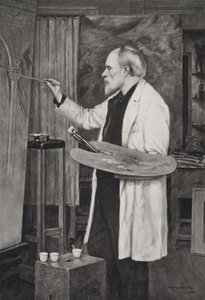
Edward Coley Burne-Jones
1833 - 1898 , Vereinigtes Königreich
Kurzinfos
- Beeinflusste Künstler/Bewegungen:
- Dekorative Kunst
- Keramikfliesen, Schmuck
- Bemerkenswerte Werke:
- The Beguiling of Merlin
- Drei weibliche Figuren
- Fides
- Einflussreiche Künstler:
- Dante Gabriel Rossetti
- John Ruskin
- Tennyson
- Geburtsdatum: 28. August 1833
- Geburtsort: Birmingham, Vereinigtes Königreich
- Künstlerische Bewegung: Präraffaeliten, Ästhetizismus
- Nationalität: Britisch
- Todatum: 17. Juni 1898
- Vollständiger Name: Edward Coley Burne-Jones
Ähnliche Artikel
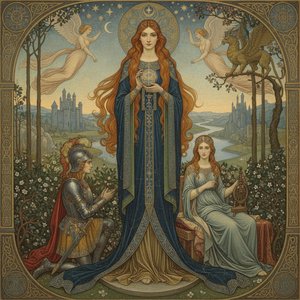
Edward Burne-Jones: Eine präraphaelitische Vision von Mythos, Symbolik und ästhetischem Idealismus
Entdecken Sie das faszinierende Werk von Edward Burne-Jones und die präraphaelitische Bewegung! Analysen, Hintergrundinformationen & hochwertige Reproduktionen bei ArtsDot.

Dante Gabriel Rossetti: Die 25 Meisterwerke des Präraffelitismus | ArtsDot
Entdecken Sie die 25 schönsten Gemälde von Dante Gabriel Rossetti! Tauchen Sie ein in die Welt der Präraffeliten, symbolistischer Kunst & viktorianischer Romantik. Hochwertige Reproduktionen für Ihr Zuhause – jetzt bei ArtsDot.com!

The Pre-Raphaelite Brotherhood: A Rebellion of Beauty & Medieval Revival
Explore the captivating world of the Pre-Raphaelite Brotherhood! Discover their rebellion against academic art, iconic masterpieces, and lasting influence on Victorian aesthetics. Learn about Rossetti, Burne-Jones & more.
Edward Hopper: Die 25 Meisterwerke des amerikanischen Realismus | ArtsDot
Entdecken Sie die 25 Meisterwerke von Edward Hopper! Tauchen Sie ein in amerikanische Kunst, Realismus & Isolation. Hochwertige Reproduktionen & Inspiration für Ihr Zuhause bei ArtsDot.com.
Escape into Beauty: A Curated Guide to the Dreamy World of Pre-Raphaelite Romanticism
Embark on a visual journey through Pre-Raphaelite Romanticism. Discover the vivid details, mythic narratives, and luminous colors of this iconic era, and learn how to bring this timeless, dreamy beauty into your home with museum-quality art reproductions.