

 Vorschau anzeigen
 Versenden
 Teilen
 Details anzeigen

 Herunterladen
 Ähnliche Objekte
 Röntgenaufnahme
 Diashow
 Stats
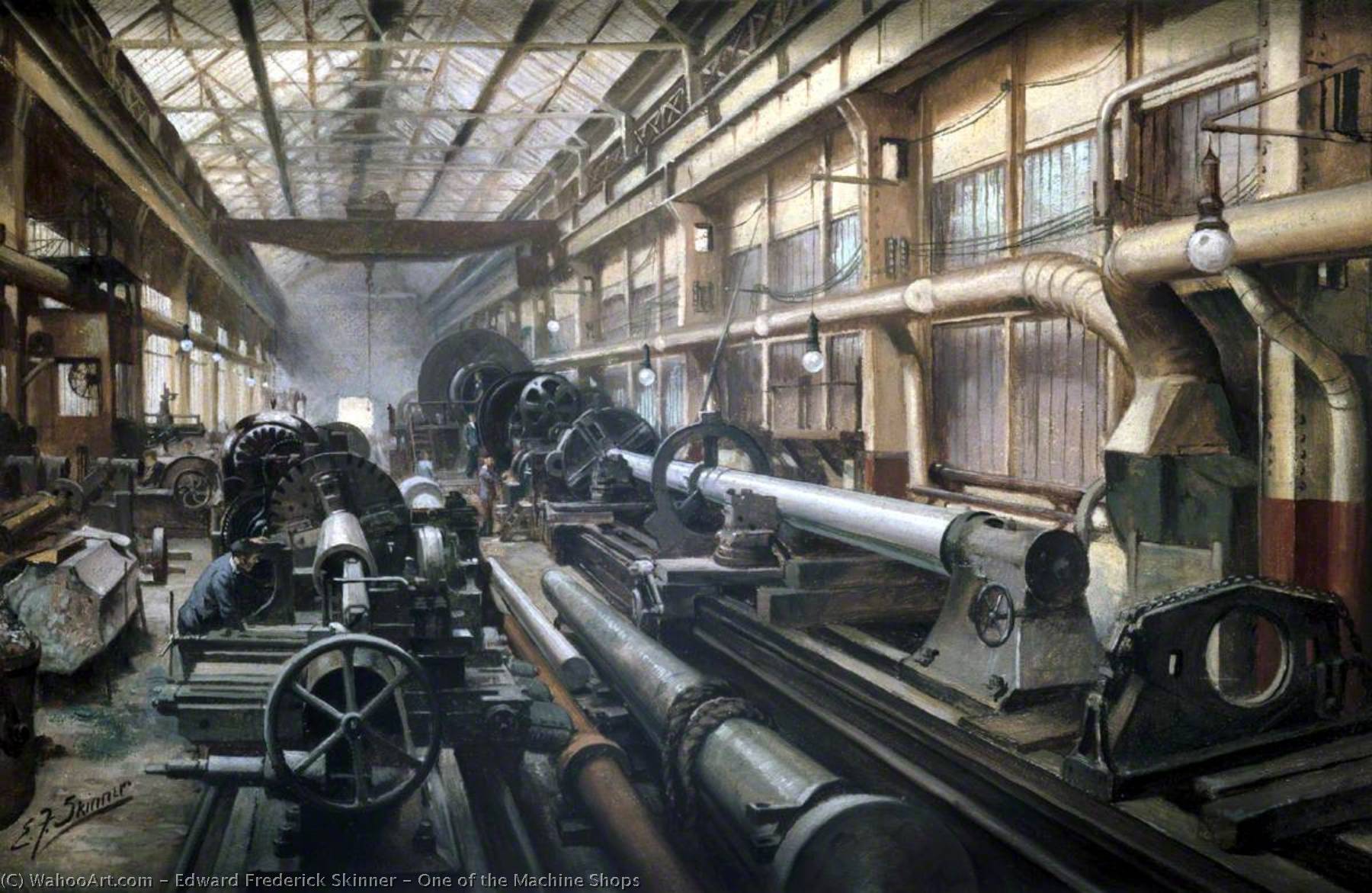
StatsOne of the Machine Shops
 1918
1918 31.0 x 47.0 cm
 Weiterlesen
Giclée / Kunstdruck
Giclée- oder Leinwanddruck in Museumsqualität mit schneller Produktion und flexiblen Veredelungsoptionen. ( Handgemalte Reproduktion bestellen Switch to Digital Image)




































Wählen Sie aus unseren vordefinierten Formaten, die den ursprünglichen Proportionen des Kunstwerks entsprechen.

Sie können Ihre eigenen Maße eingeben, um ein bestimmtes Format oder einen speziellen Platz einzupassen. Wenn das von Ihnen gewählte Format nicht den Proportionen des Originalbildes entspricht, werden wir das Kunstwerk entweder beschneiden oder das Bild mit einem gespiegelten oder einfarbigen Rand erweitern. Ein digitaler Entwurf wird Ihnen zur Genehmigung zugesandt, bevor die Produktion beginnt.
Bitte beachten Sie, dass die Vorschau auf dem Bildschirm nicht den tatsächlichen Zuschnitt oder die Erweiterung widerspiegelt. Nur der Entwurf zeigt die endgültige Komposition präzise an.
Obwohl Sondermaße verfügbar sind, empfehlen wir die Auswahl eines Maßes aus der vordefinierten Liste, um die ursprünglichen Proportionen zu bewahren.
Weltweiter Versand () innerhalb von 2 Wochen statt der üblichen 4/5 Wochen. (8 September)

Kostenloser weltweiter Expressversand

Hochwertige Leinenleinwand

Umfassender Versicherungsschutz beim Versand

Zollgebühren-Rückerstattungsgarantie

Garantie für exakte Farbtreue

100-Tage-Rückgaberecht (nur bei Mängeln)

100% Geld-zurück-Garantie

Mengenrabatt verfügbar
 Die Glasoption ist nur für Größen unter 110 cm verfügbar.

One of the Machine Shops
Giclée / Kunstdruck
Format der Reproduktion
-


Gesamtpreis
$ 62
Industrial Landscape
The painting features several large guns, some of which appear to be cannons, placed throughout the scene. There are also smaller guns in different positions within the painting. In addition to the guns, there are other pieces of machinery such as a car and a truck present in the workshop. The overall atmosphere suggests a busy factory or workshop where various tasks are being carried out. Key Elements of the painting include the use of oil as the primary medium, which adds depth and texture to the scene. The size of the painting, 31 x 47 cm, allows for intricate details to be captured, making it a fascinating piece to study.Other notable works by Edward Frederick Skinner include Forging Files and For King and Country, which can be found on ArtsDot.com. These paintings demonstrate the artist's ability to capture the essence of industrial life during the early 20th century.
Artist and Museum
Edward Frederick Skinner was a prominent artist of his time, known for his depictions of industrial scenes. The Science Museum (United Kingdom) houses an impressive collection of artworks, including One of the Machine Shops. For more information on the museum and its collections, visit ArtsDot.com.- Painting title: One of the Machine Shops
- Artist: Edward Frederick Skinner
- Museum: Science Museum (United Kingdom)
- Medium: Oil
- Size: 31 x 47 cm
Ähnliche Kunstwerke








Über den Künstler
The Chronicler of the Industrial Soul
Edward Frederick Skinner, a name synonymous with the gritty, unvarnished reality of Britain’s industrial zenith, occupied a unique space in the early 20th-century art world. Born in London in 1865, Skinner emerged during an era defined by rapid technological expansion and a profound shift in the social fabric of the nation. While many of his contemporaries sought refuge in the ethereal beauty of idealized landscapes or the timeless grace of mythological subjects, Skinner turned his gaze toward the smoke-filled horizons of factories, mills, and workshops. His work serves as a visceral window into an age of iron and steam, capturing the transformative impact of machinery upon the human spirit and the physical landscape of England.
His artistic foundation was laid within the prestigious halls of the Slade School of Fine Art, where he underwent rigorous training under the watchful eyes of masters such as Frederic Leighton and Joseph Hooker. This academic lineage bestowed upon him a meticulous command of traditional techniques and an unwavering commitment to precision. It was this very discipline that allowed him to approach industrial subjects not with mere observation, but with a profound anatomical and structural accuracy. Skinner did not merely paint machines; he understood their weight, their texture, and the way they interacted with the light and the laborers who tended them.
A Realist Vision of Progress and Labor
The true essence of Skinner’s oeuvre lies in his refusal to romanticize the hardships of the working class. His breakthrough came through a seriesed of paintings that documented the pulsating heart of British industry. In works such as File Cutters, created in 1917, he captures the quiet intensity of women engaged in factory production. Through his brush, the rhythmic movement of sewing machines and the focused expressions of the laborers become symbols of a collective national effort. He utilized light not to soften the harshness of the factory floor, but to illuminate the dignity found within strenuous toil.
Skinner’s mastery of composition allowed him to weave complex narratives of productivity and order. In Forging Files, he employs a sophisticated use of warm colors and soft lighting to create a sense of familiarity within the industrial setting, yet he maintains an unflinching eye for the mechanical details that define the era. His ability to balance the monumental presence of heavy machinery with the delicate human elements of his subjects created a tension that mirrored the societal shifts of his time. Whether depicting the heat of a forge or the organized chaos of a machine shop, Skinner’s canvases act as historical documents, preserving the atmosphere of an era that was rapidly being reshaped by the very tools he so lovingly rendered.
War, Propaganda, and Lasting Legacy
As the shadows of World War I descended upon Europe, Skinner’s artistic mission took on a new, more urgent dimension. His talent was harnessed for the purpose of documentation and national morale, leading to commissions from the British Government. During this period, his work became an essential component of a concerted propaganda campaign, illustrating the vital role of munitions factories, naval shipyards, and the preparation of soldiers. In paintings like One of the Machine Shops, he captured the scale of wartime production, where large-scale weaponry and heavy transport were integrated into the daily landscape of labor.
The historical significance of Edward Frederick Skinner extends far beyond the aesthetic value of his oil paintings. He remains a pivotal figure for understanding the visual identity of the Industrial Age. His legacy is found in the way he bridged the gap between fine art and social documentation, elevating the factory floor to the status of a worthy subject for high art. Today, his works, many of which are preserved in institutions like the Science Museum in the United Kingdom, continue to offer profound insights into the evolution of manufacturing, the changing roles of women in the workforce, and the enduring, complex relationship between humanity and the machines we create.

edward frederick skinner
1865 - 1924
Kurzinfos
- Artistic Movement Or Style: Realism
- Artists Or Movements Influenced By This Artist: ['Arts and Crafts Movement']
- Artists Who Influenced This Artist: ['William Morris']
- Date Of Birth: 1865
- Date Of Death: 1924
- Full Name: Edward Frederick Skinner
- Nationality: British
- Notable Artworks:
- Factory Scene I
- Coal Mine Landscape
- Place Of Birth: London, England